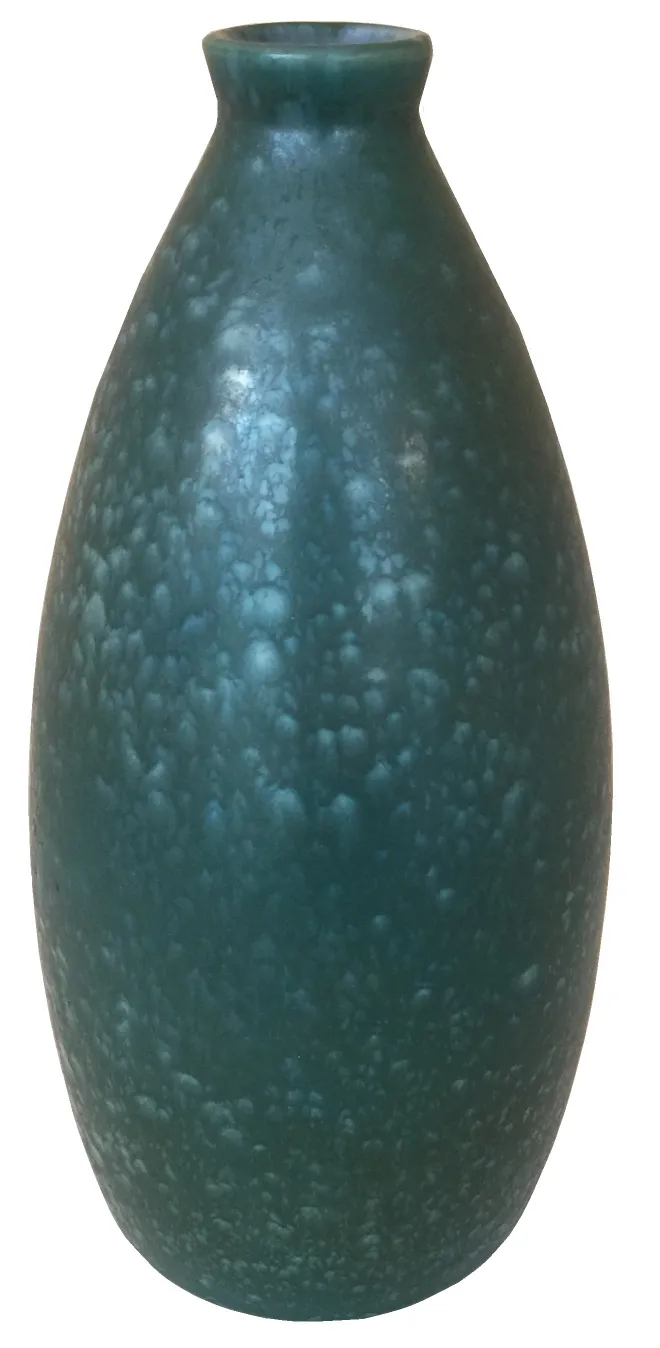
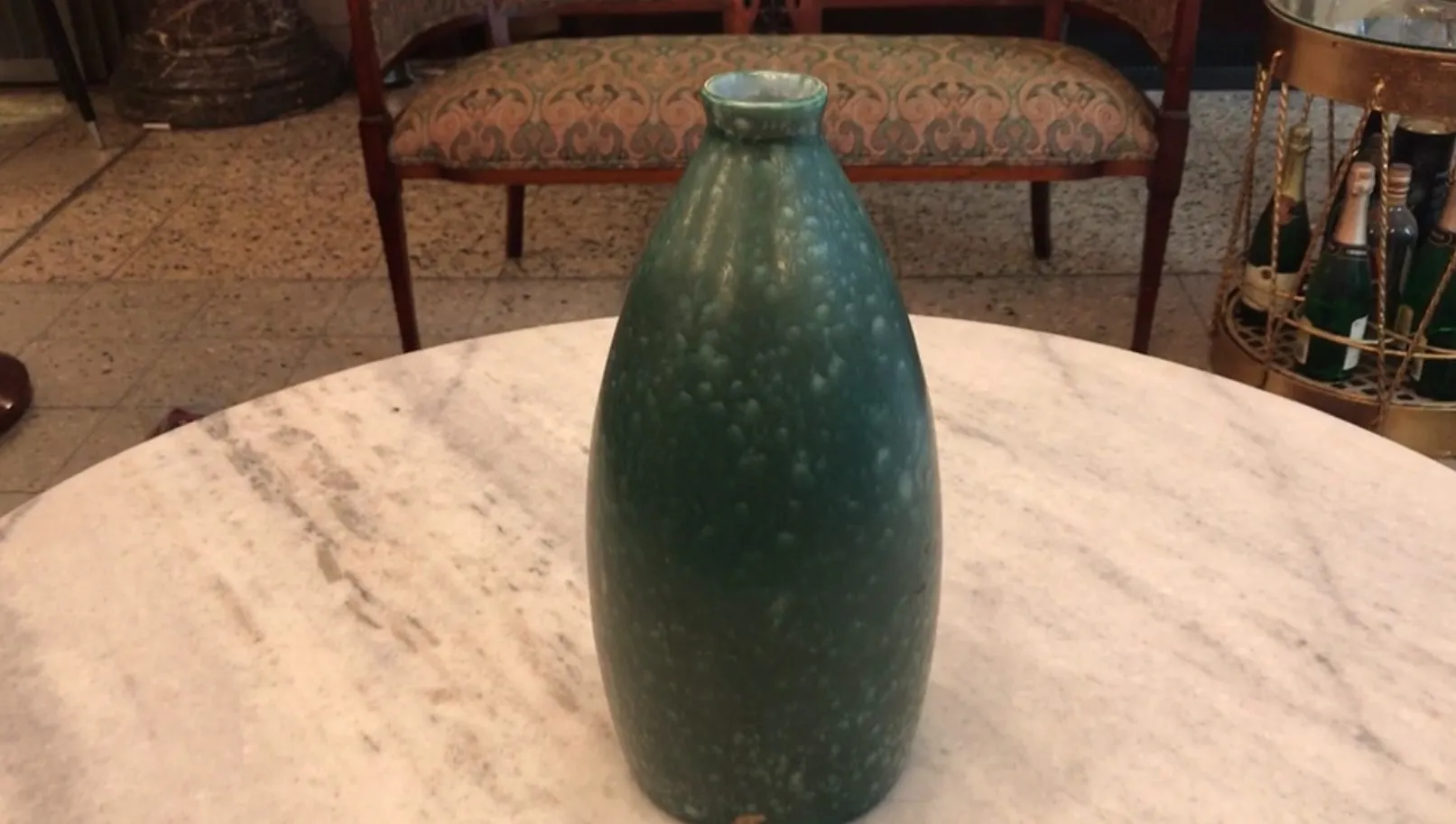
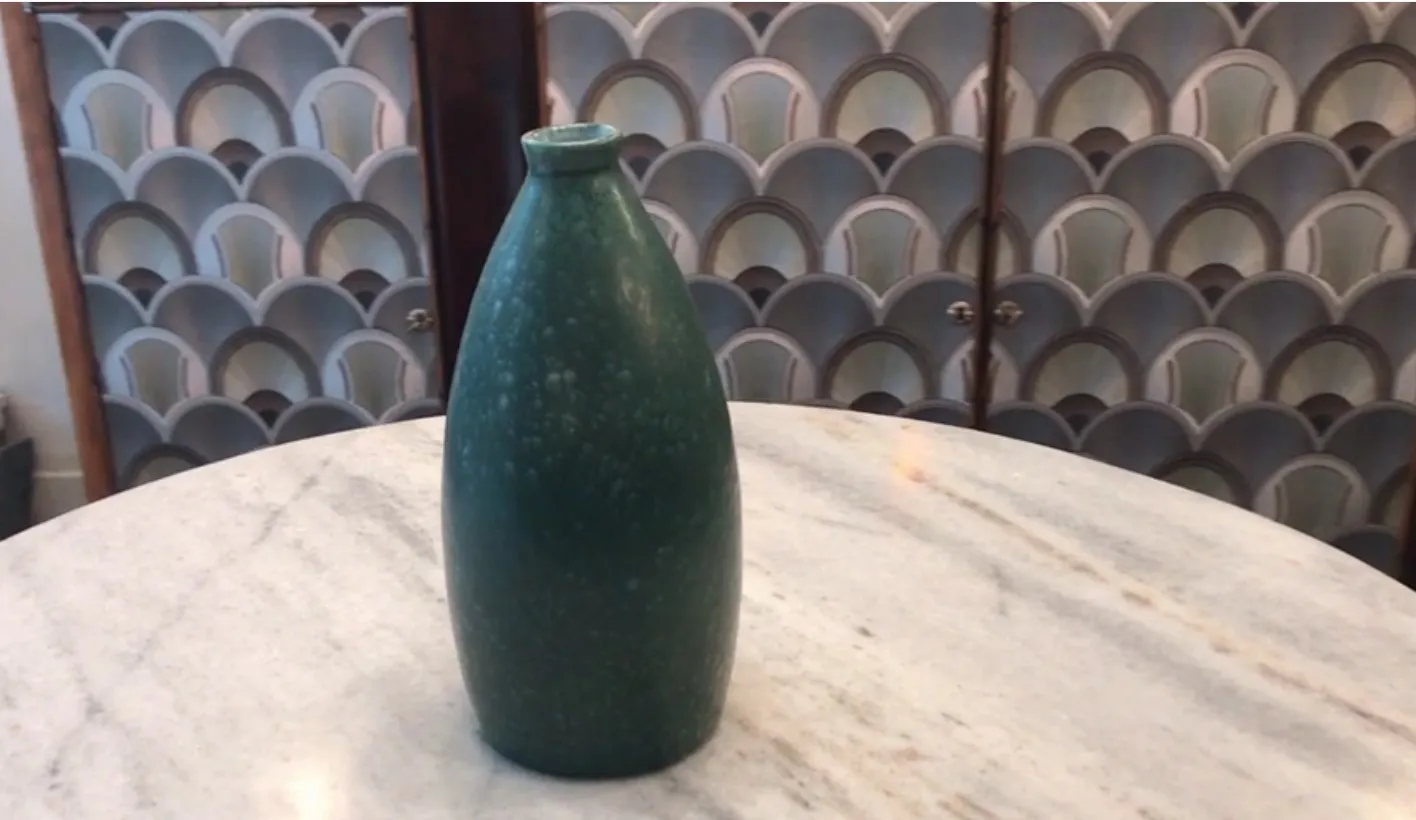
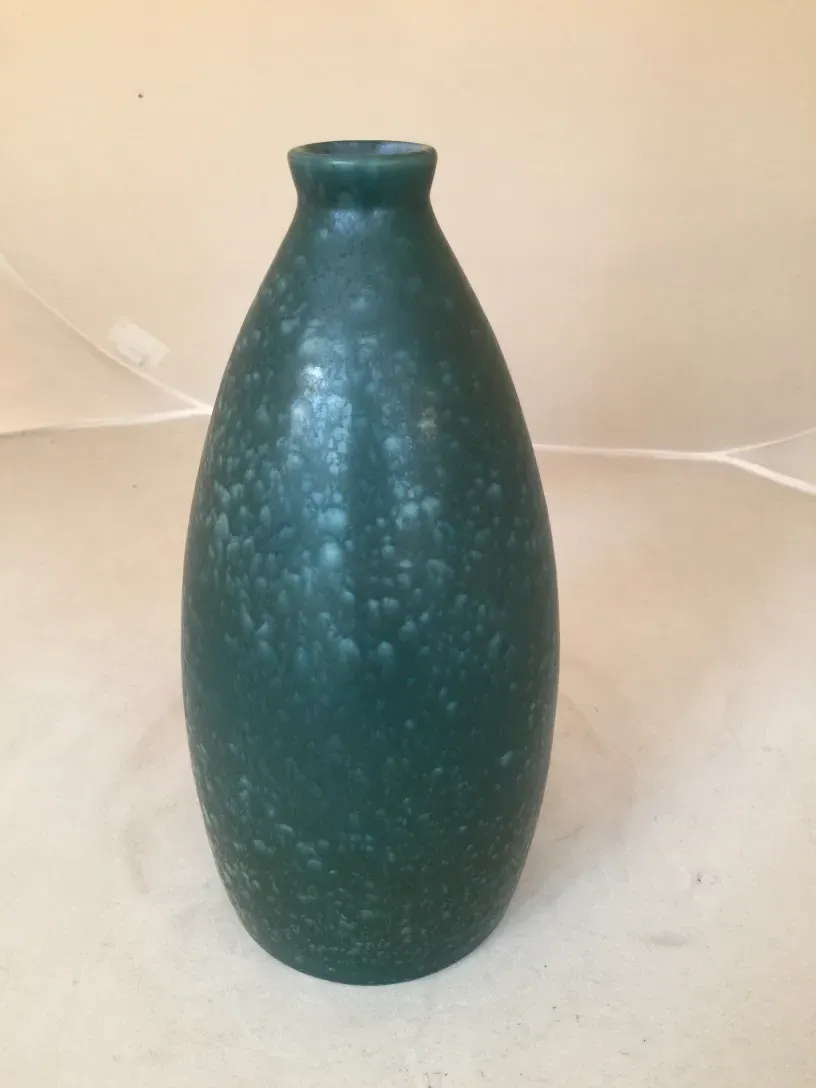
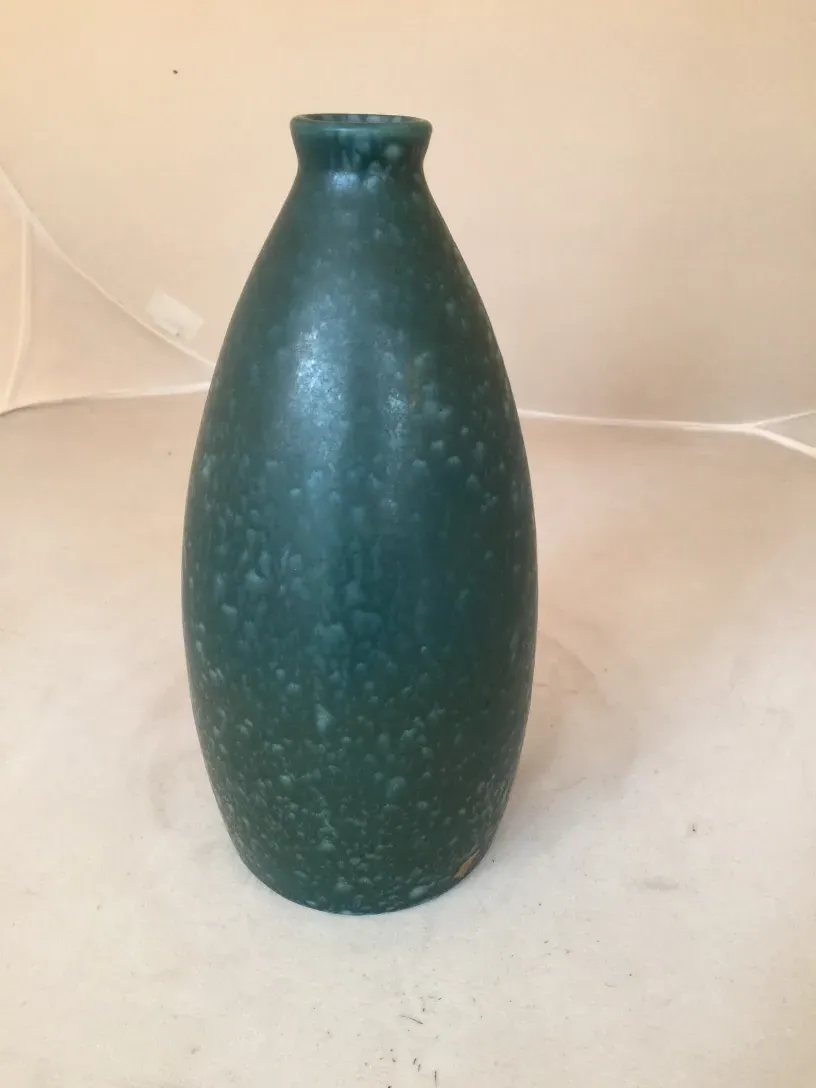
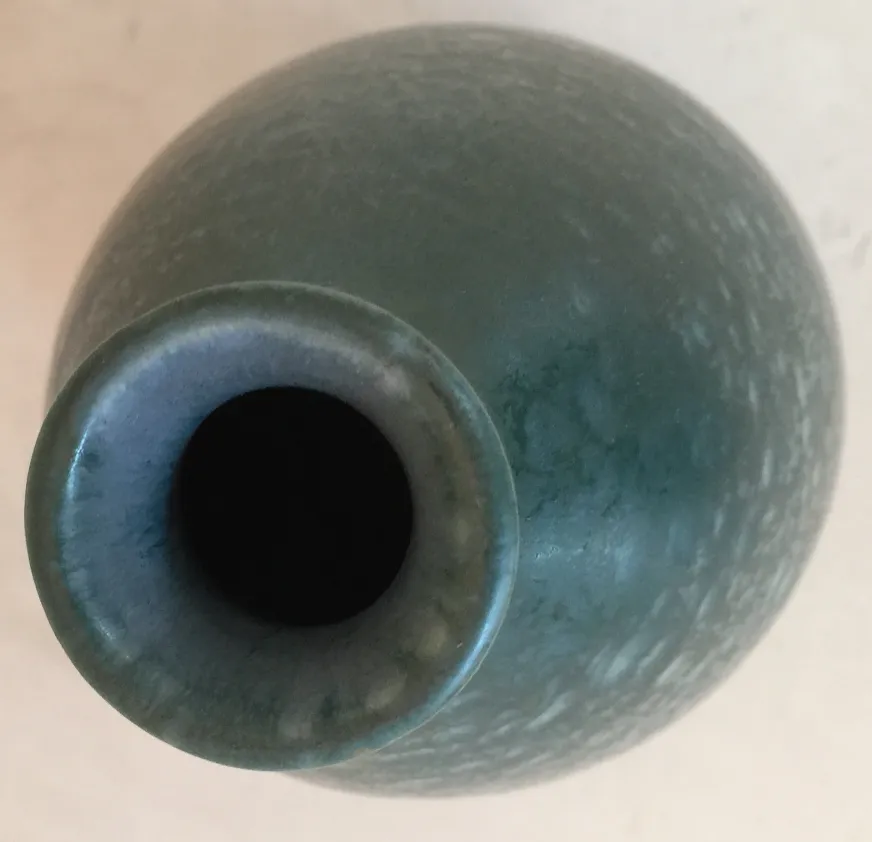
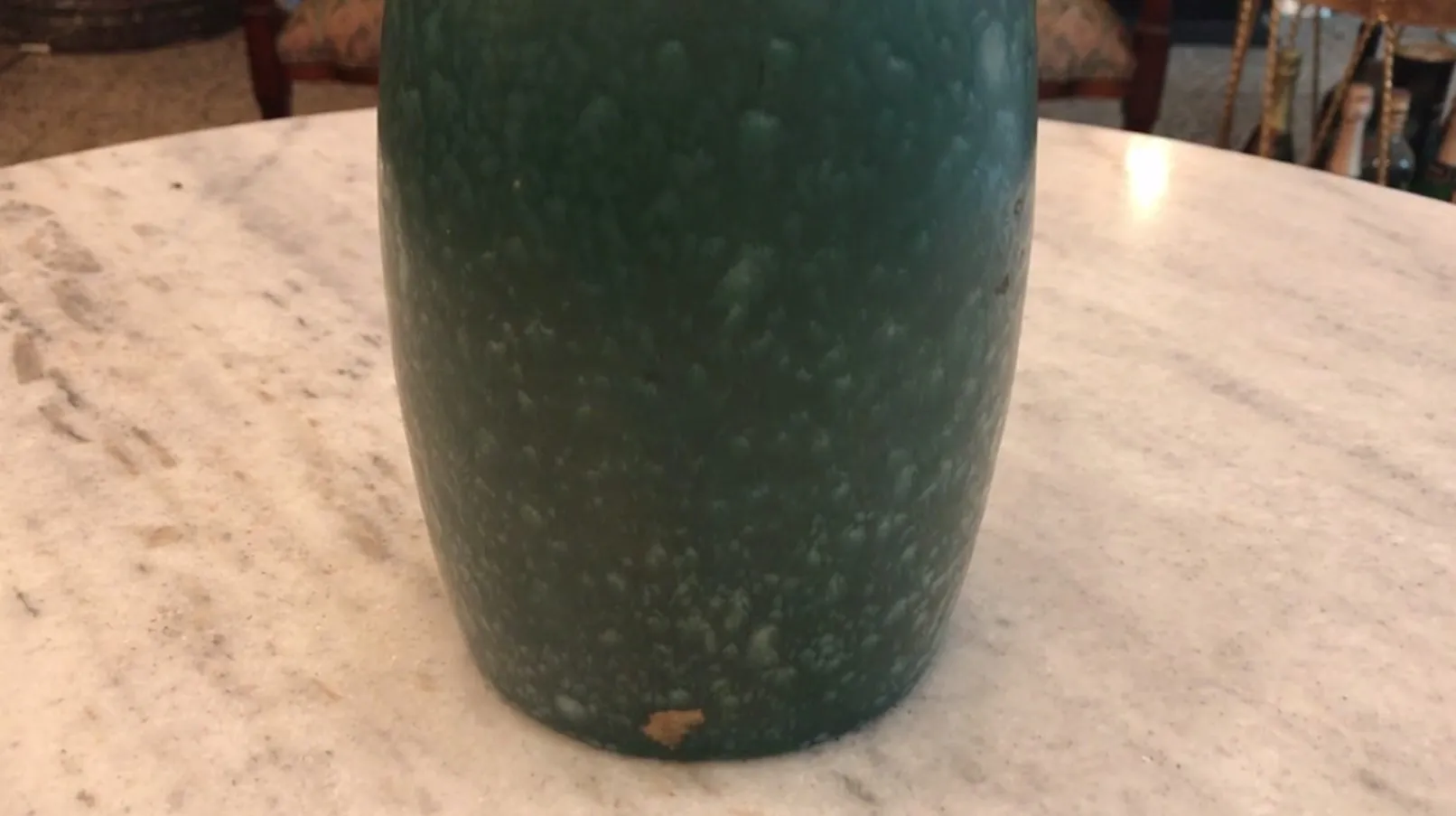
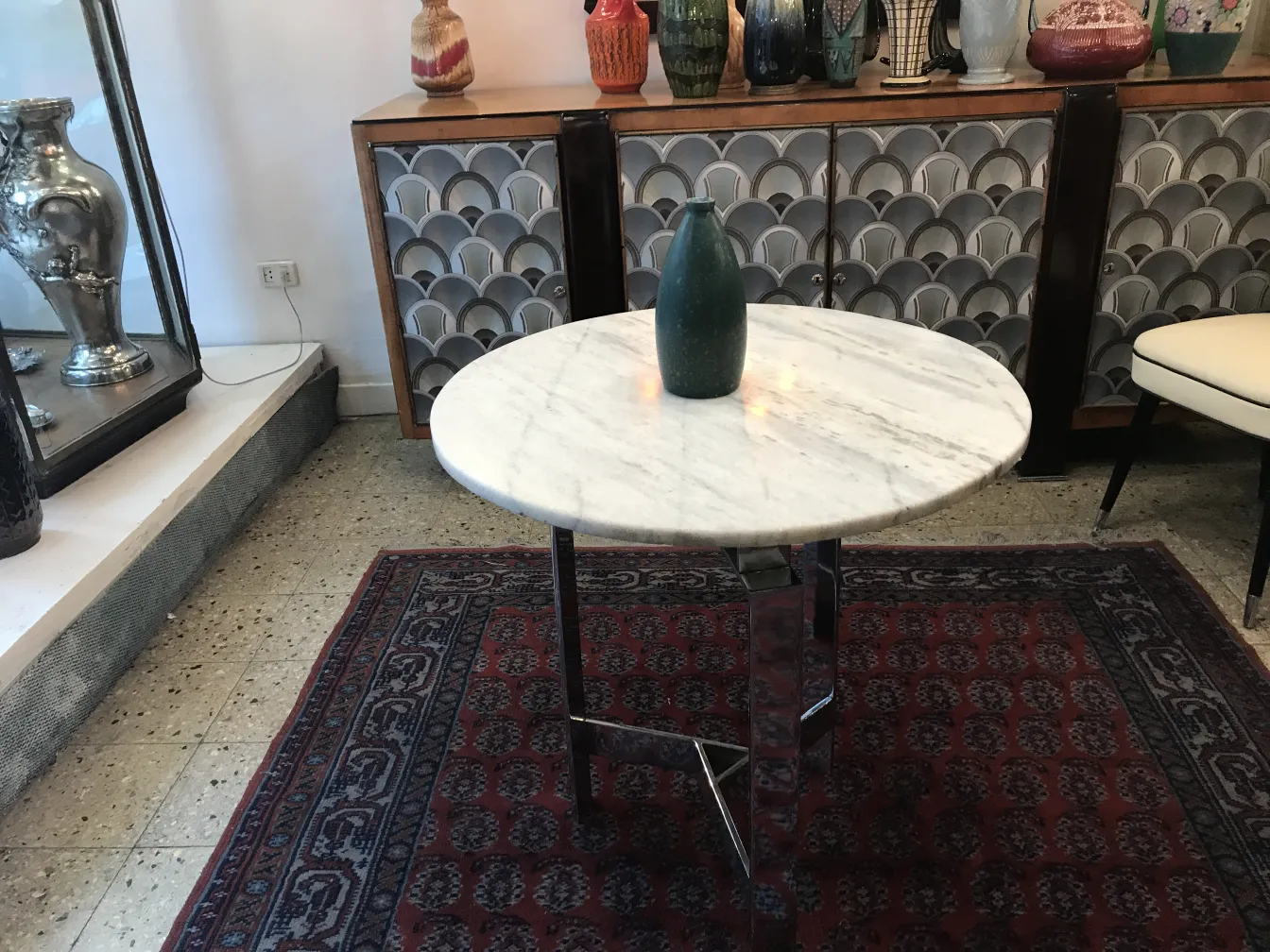
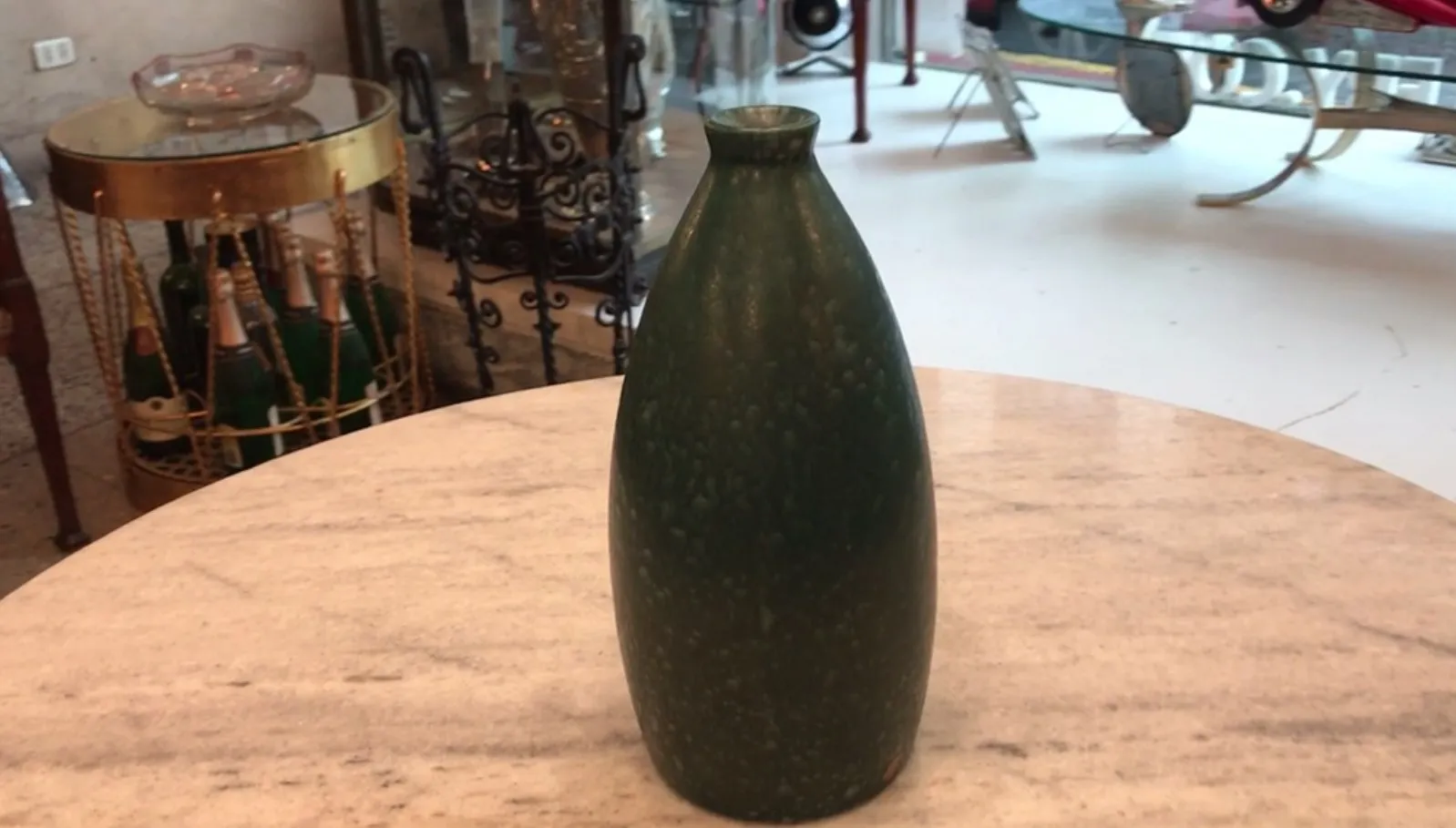
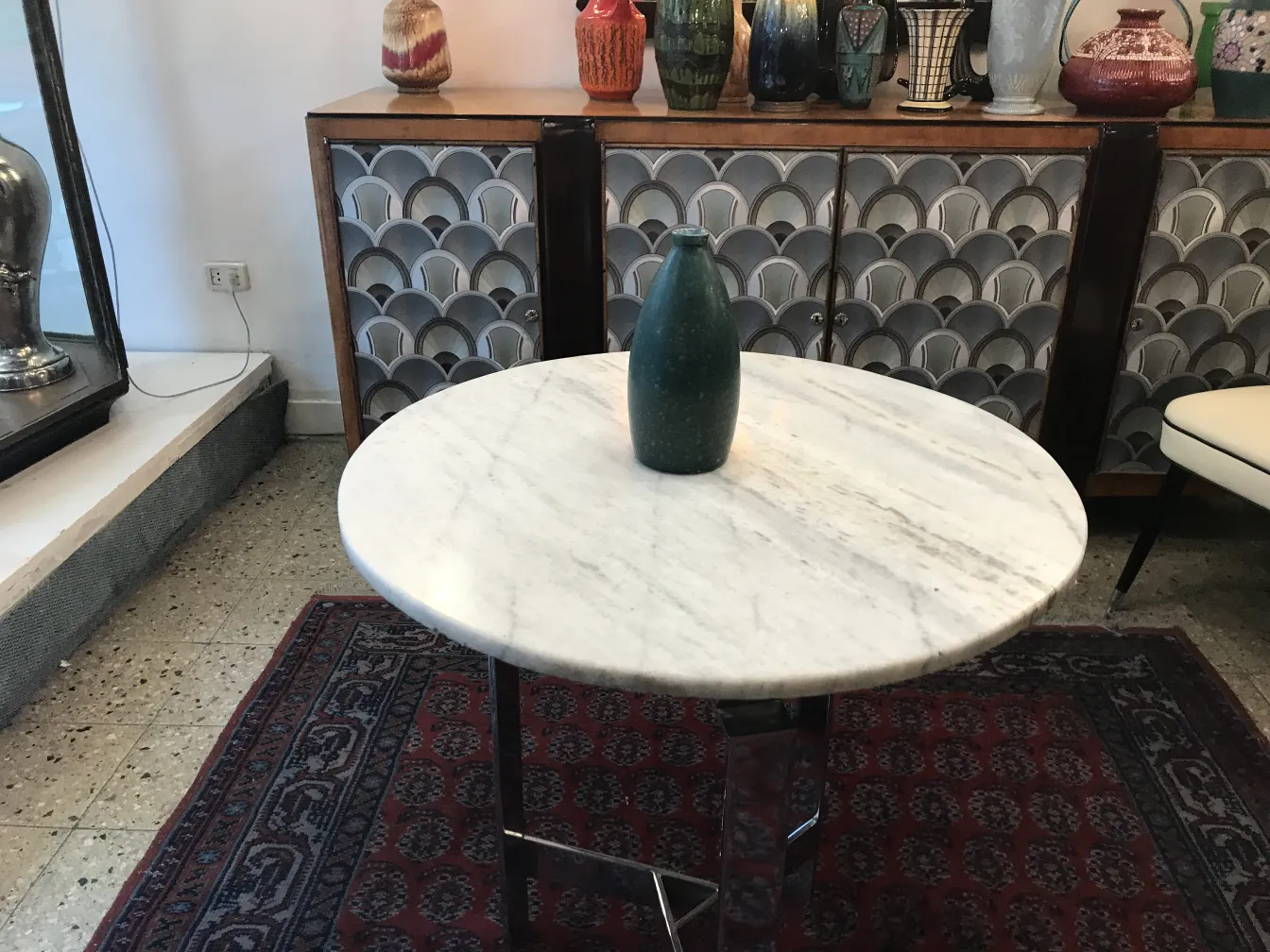
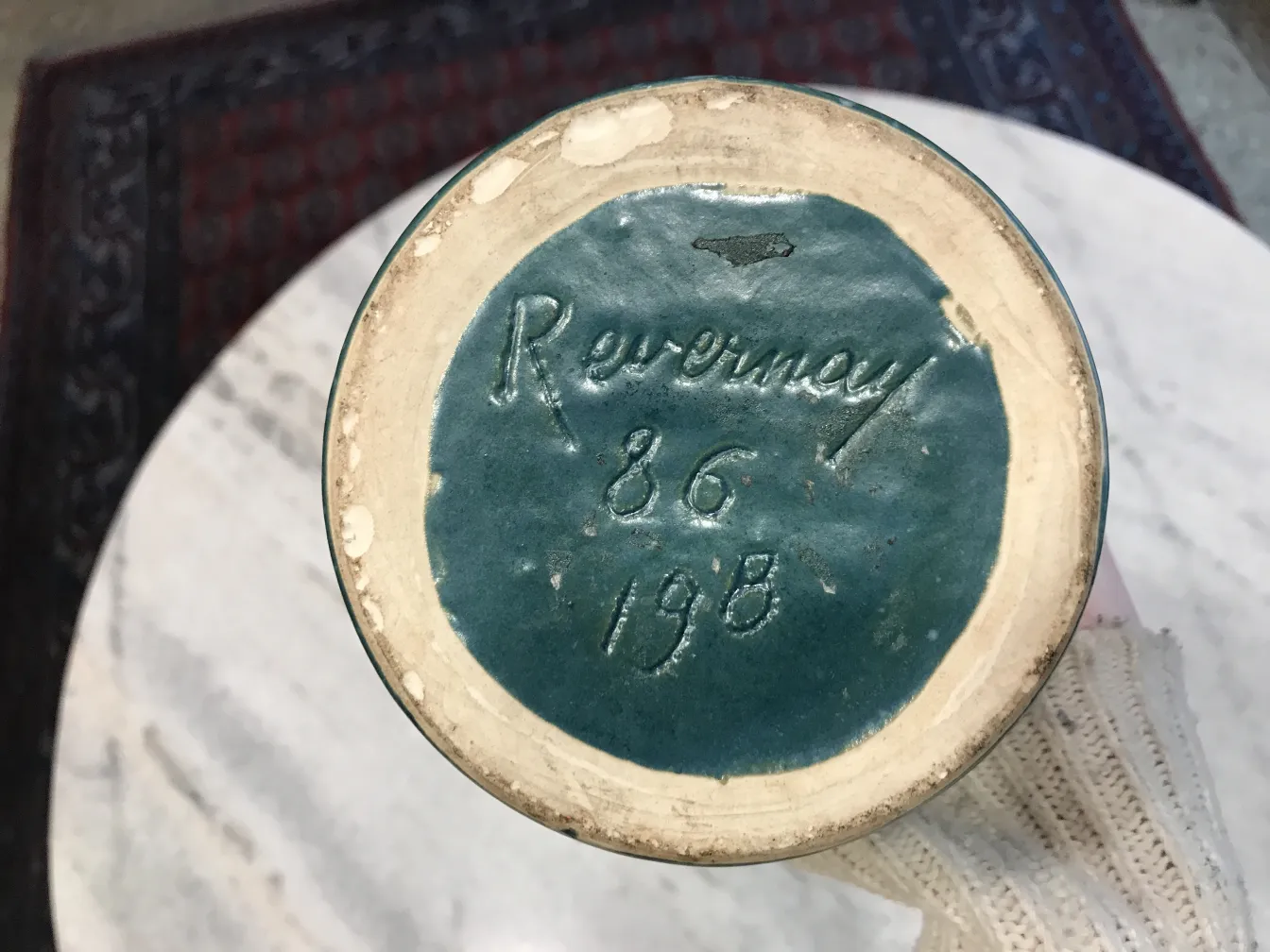
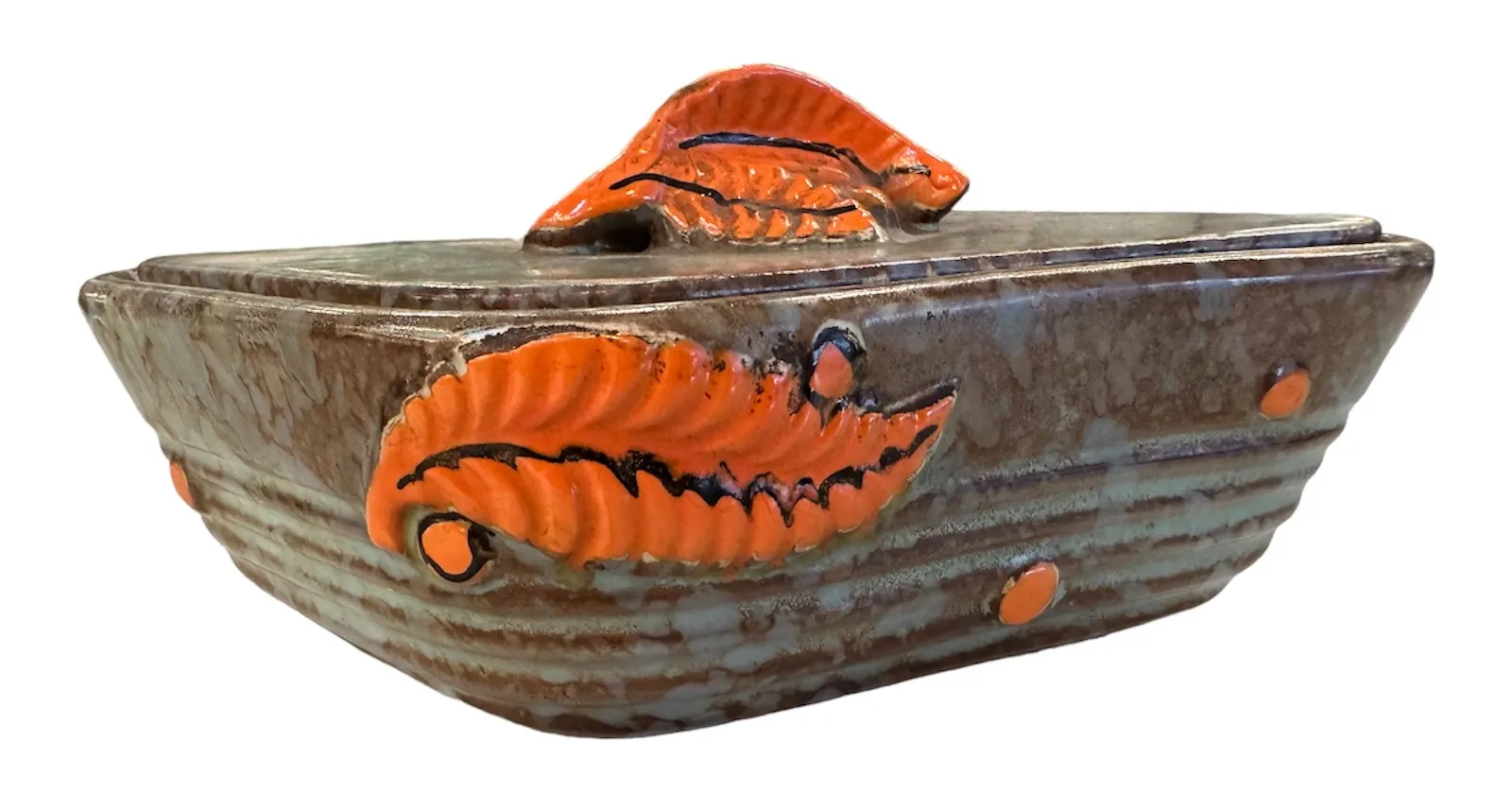
The Revernay ceramics company was located in Digoin, France. In 1900, it exhibited at the Paris Universal Exhibition.
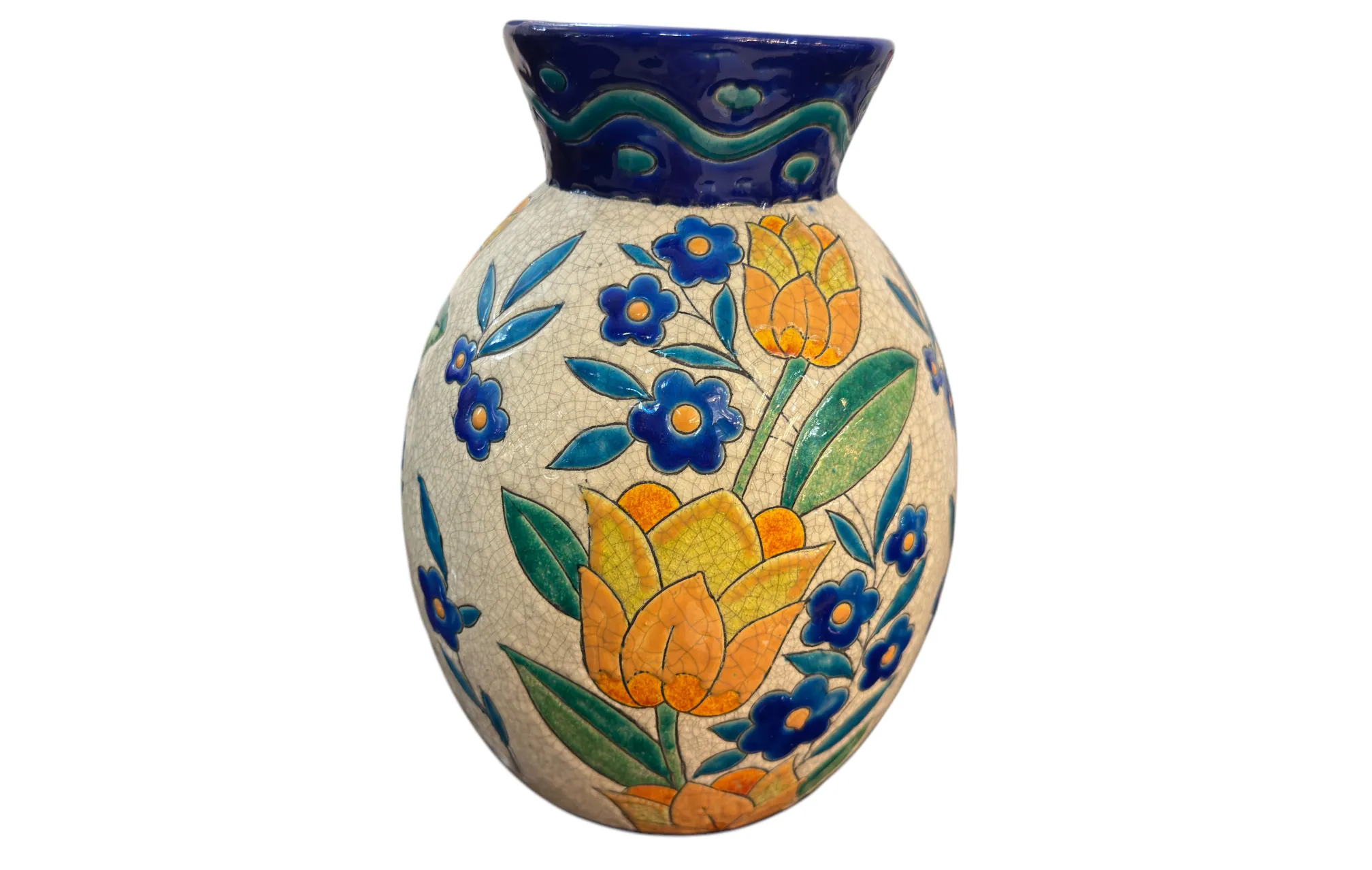
Revernay utilized traditional artisanal techniques in small series, reflecting the aesthetic taste of the era, such as their stoneware vases with stylized plant motifs.
Revernay continued producing ceramics into the Art Deco era, particularly in the 1920s and 1930s. Their pieces often featured stylized, enameled decorations in vibrant colors.
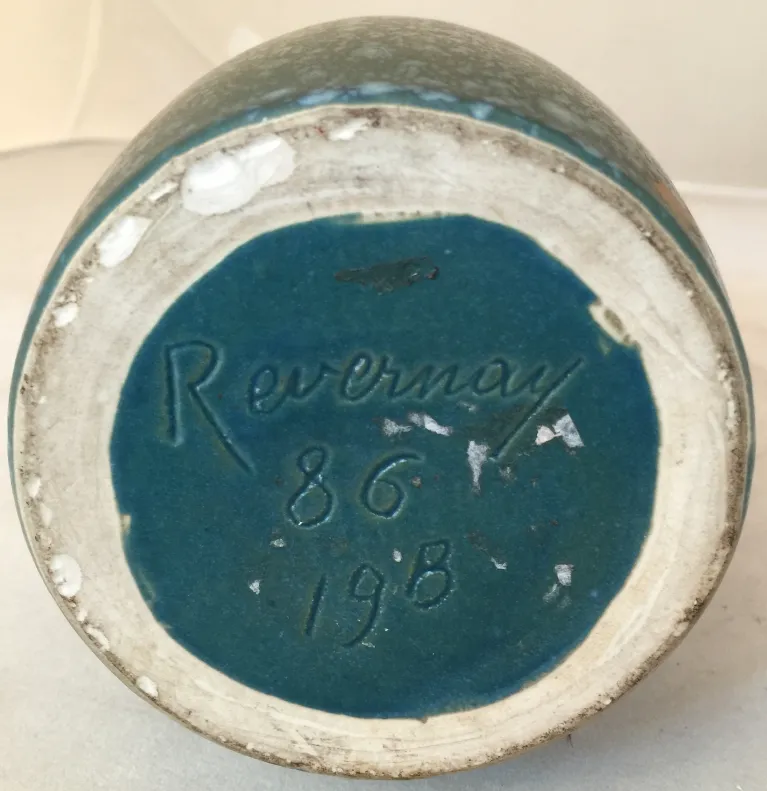
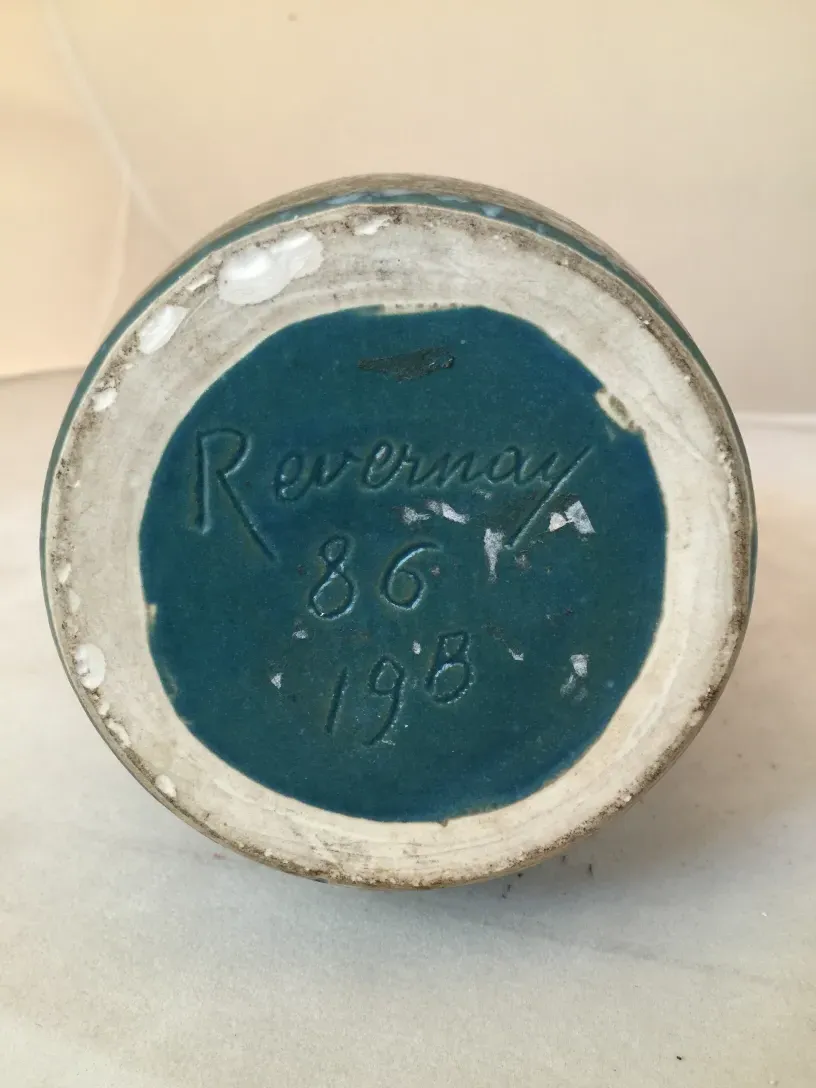
Production at the Revernay workshop appears to have largely stopped around 1930. However, it was reopened after World War II, possibly in the 1950s, joining the movement of young ceramic creators from Southern France.
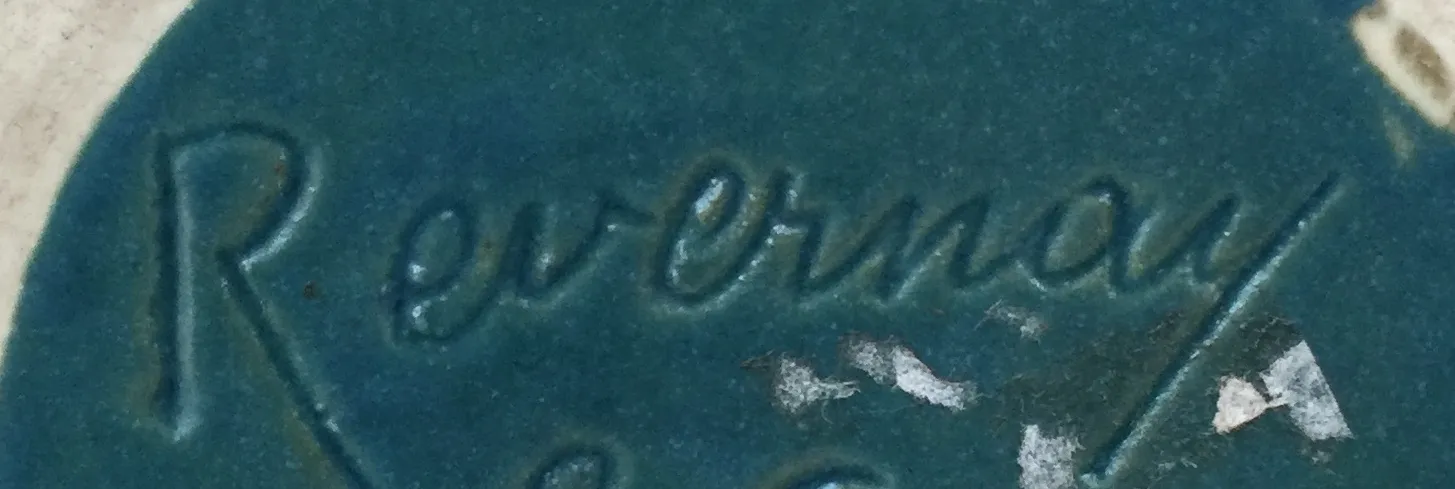
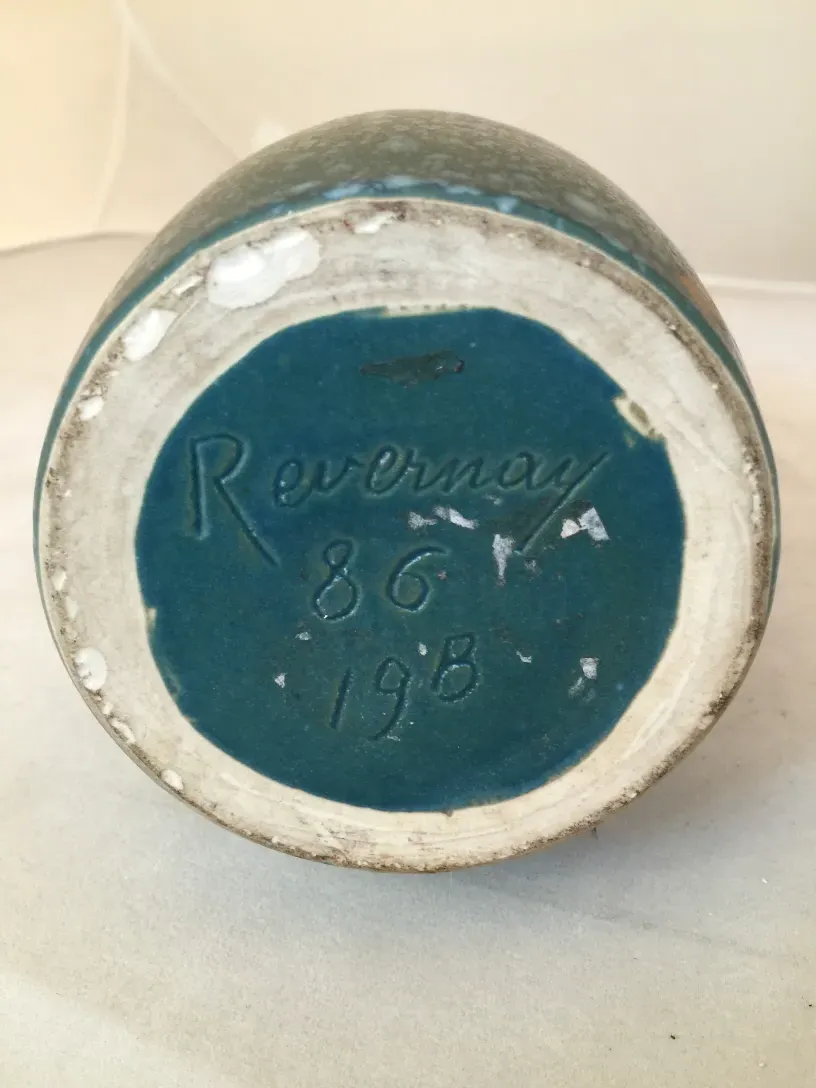
Pieces from this later period use the signatures "Revernay SDV" or "Atelier d'Art du Revernay SDV."




 Share
Share