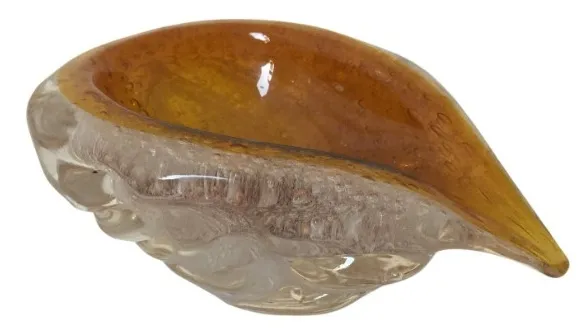
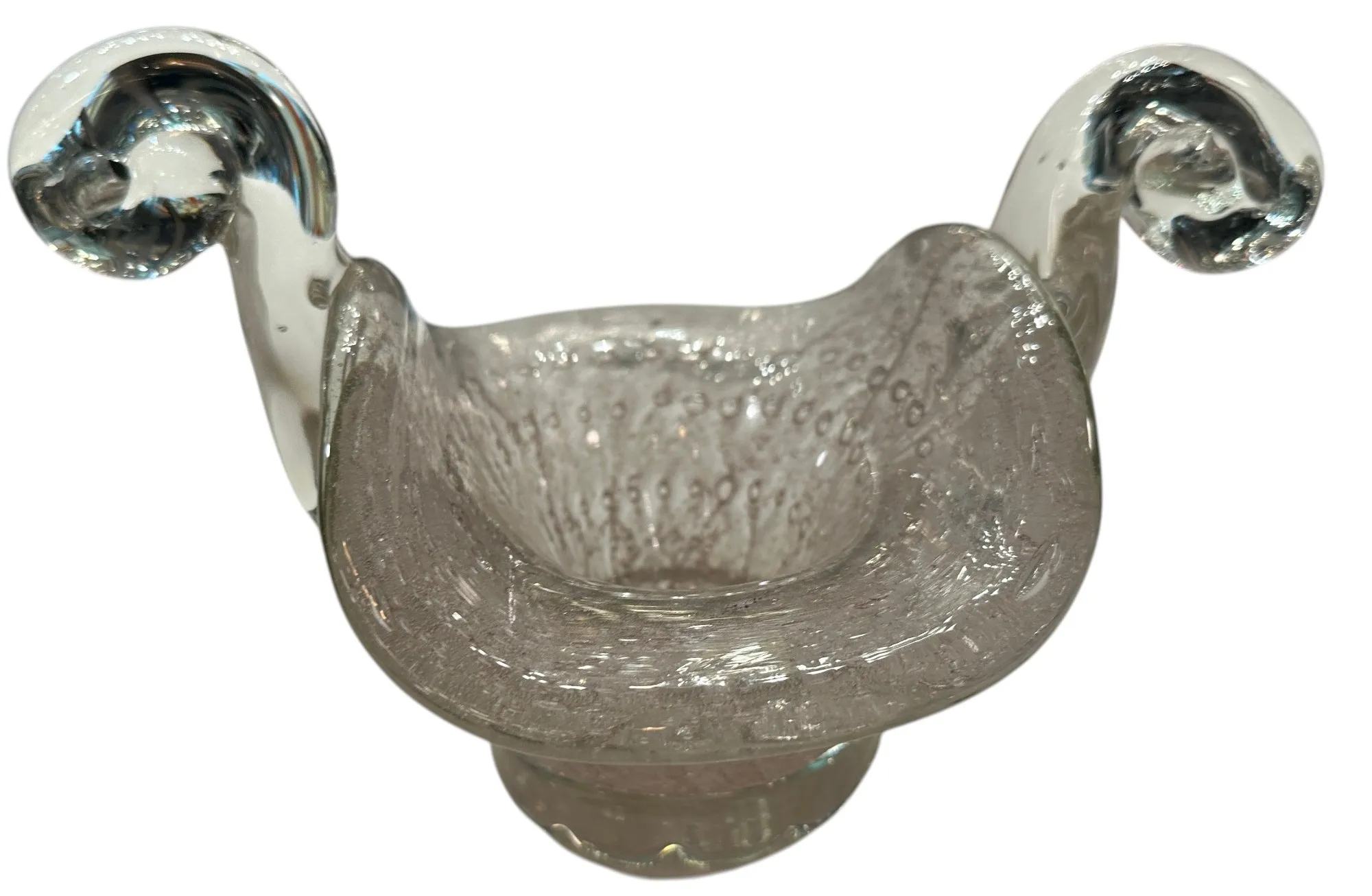
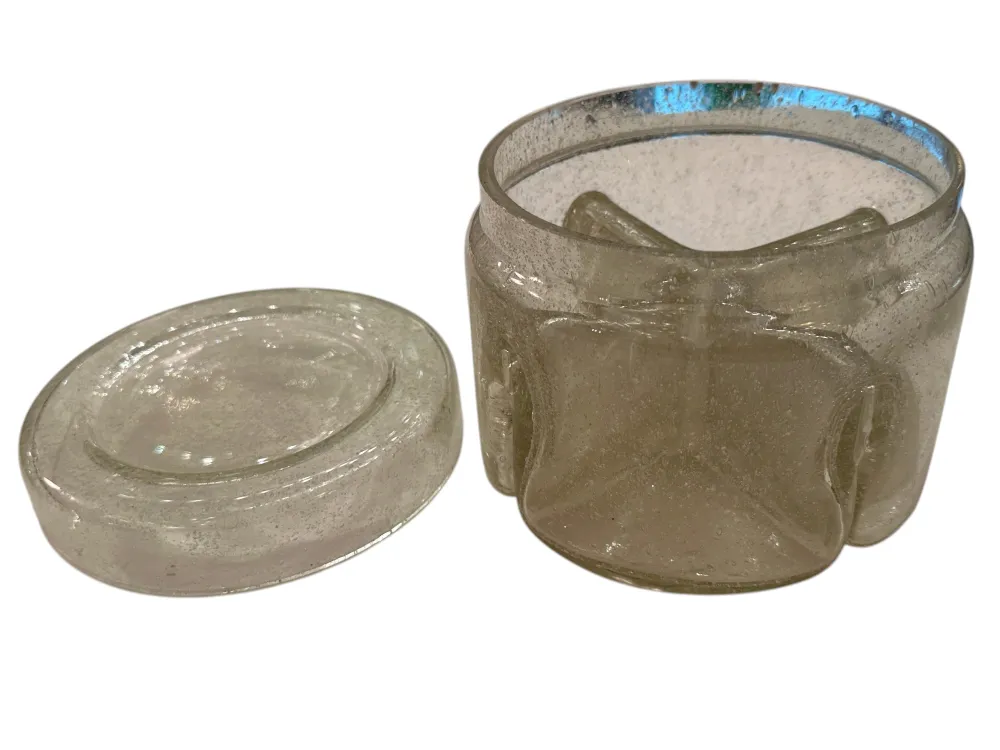
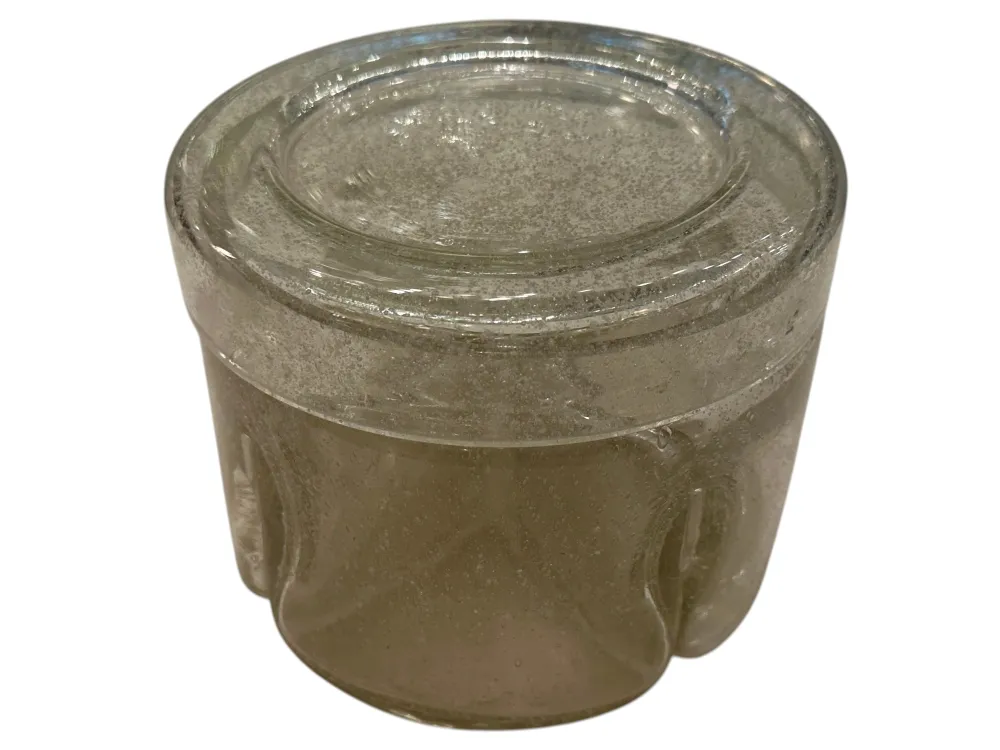
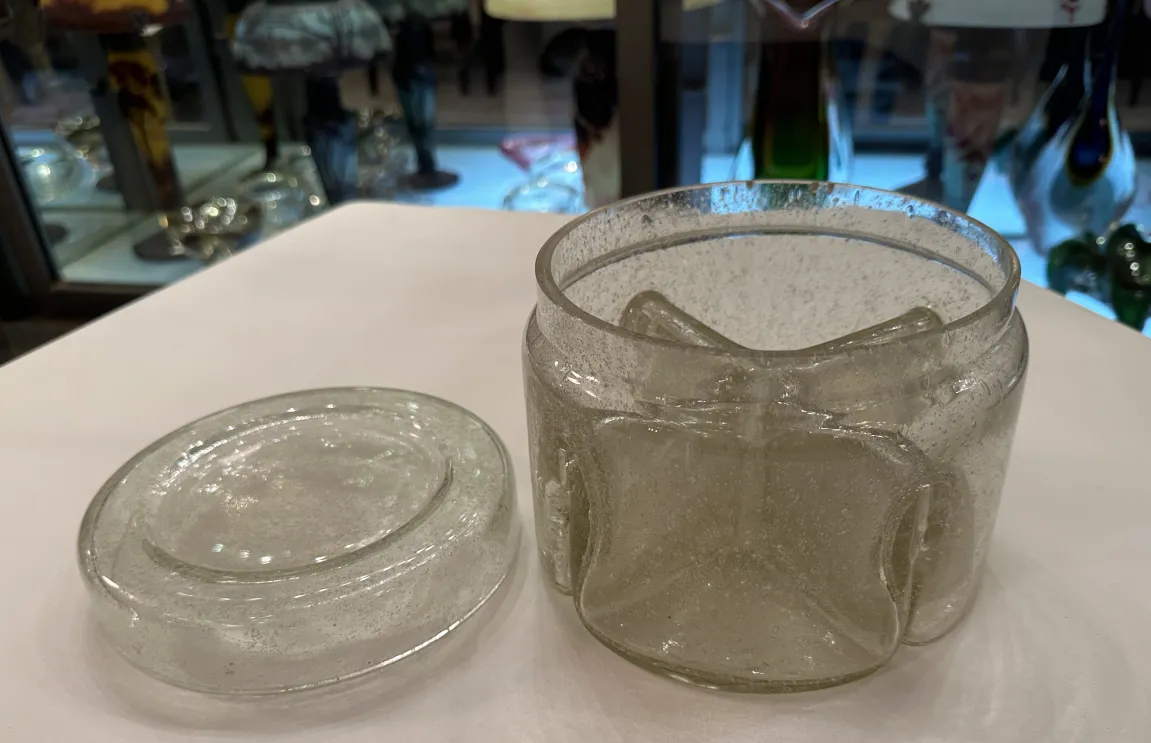
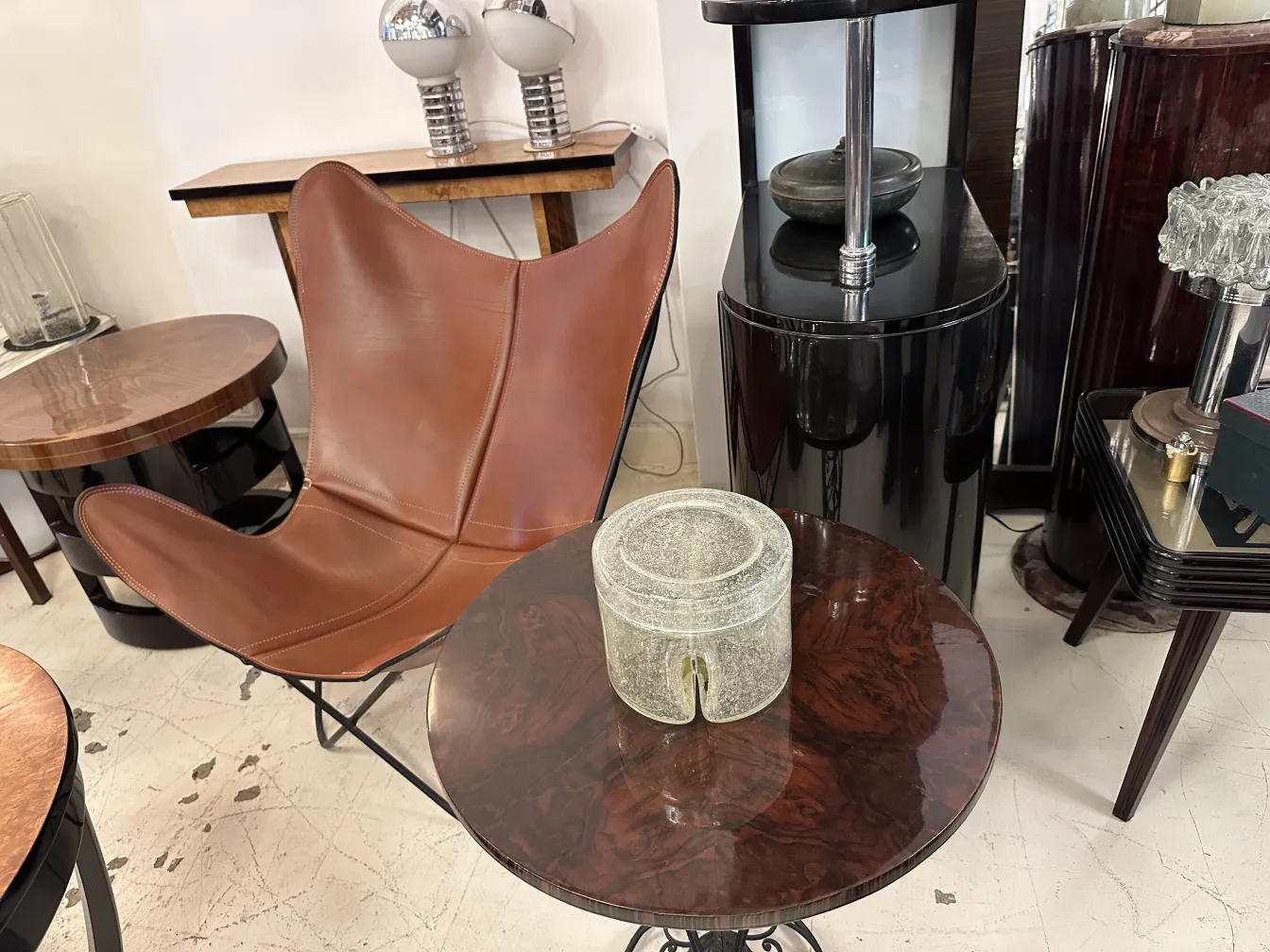
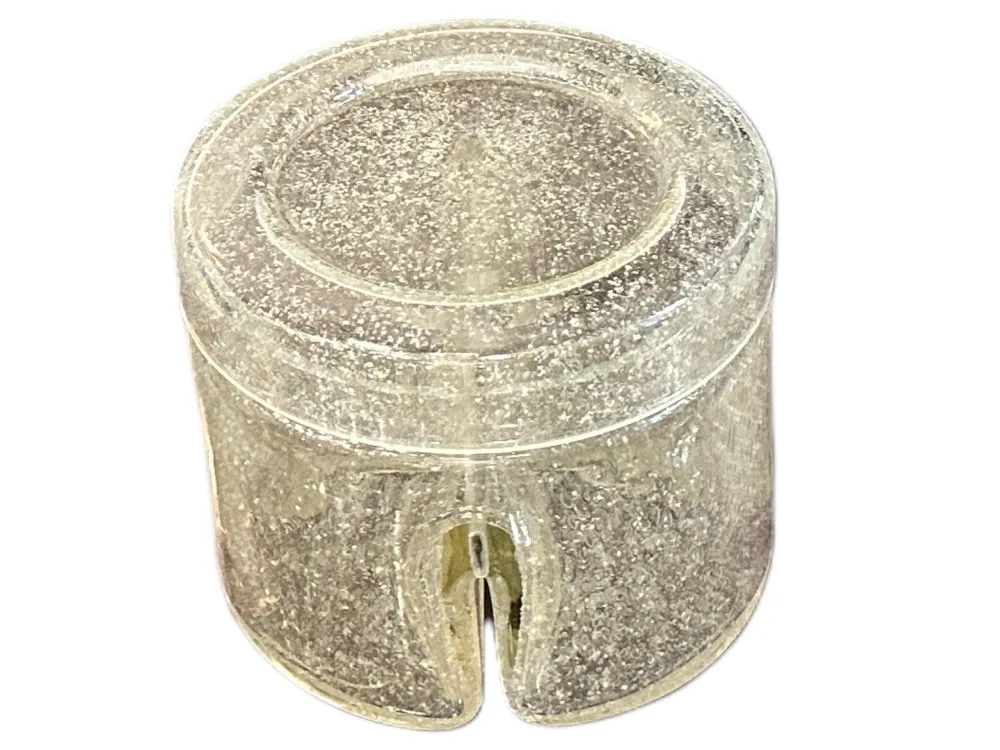
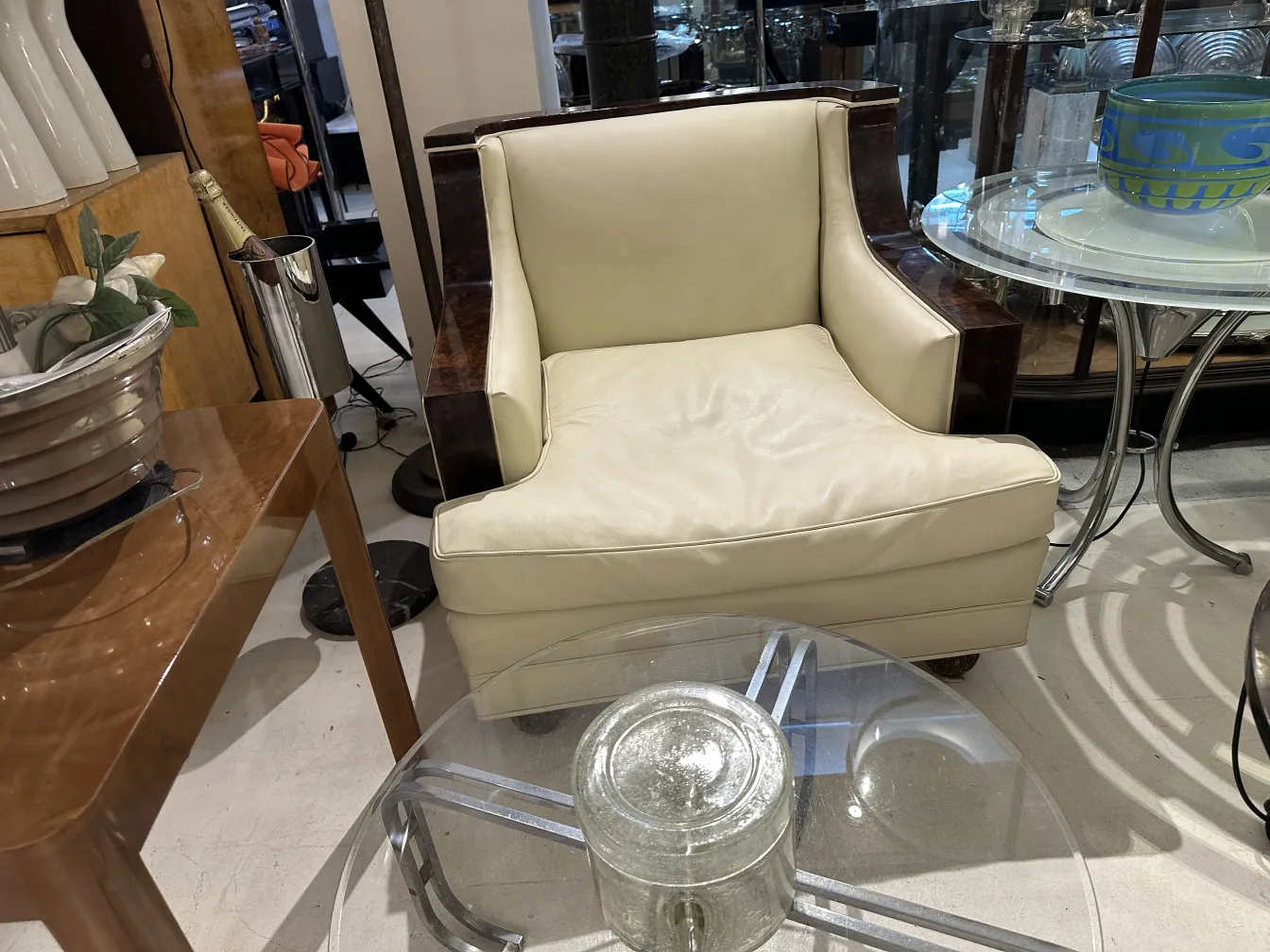
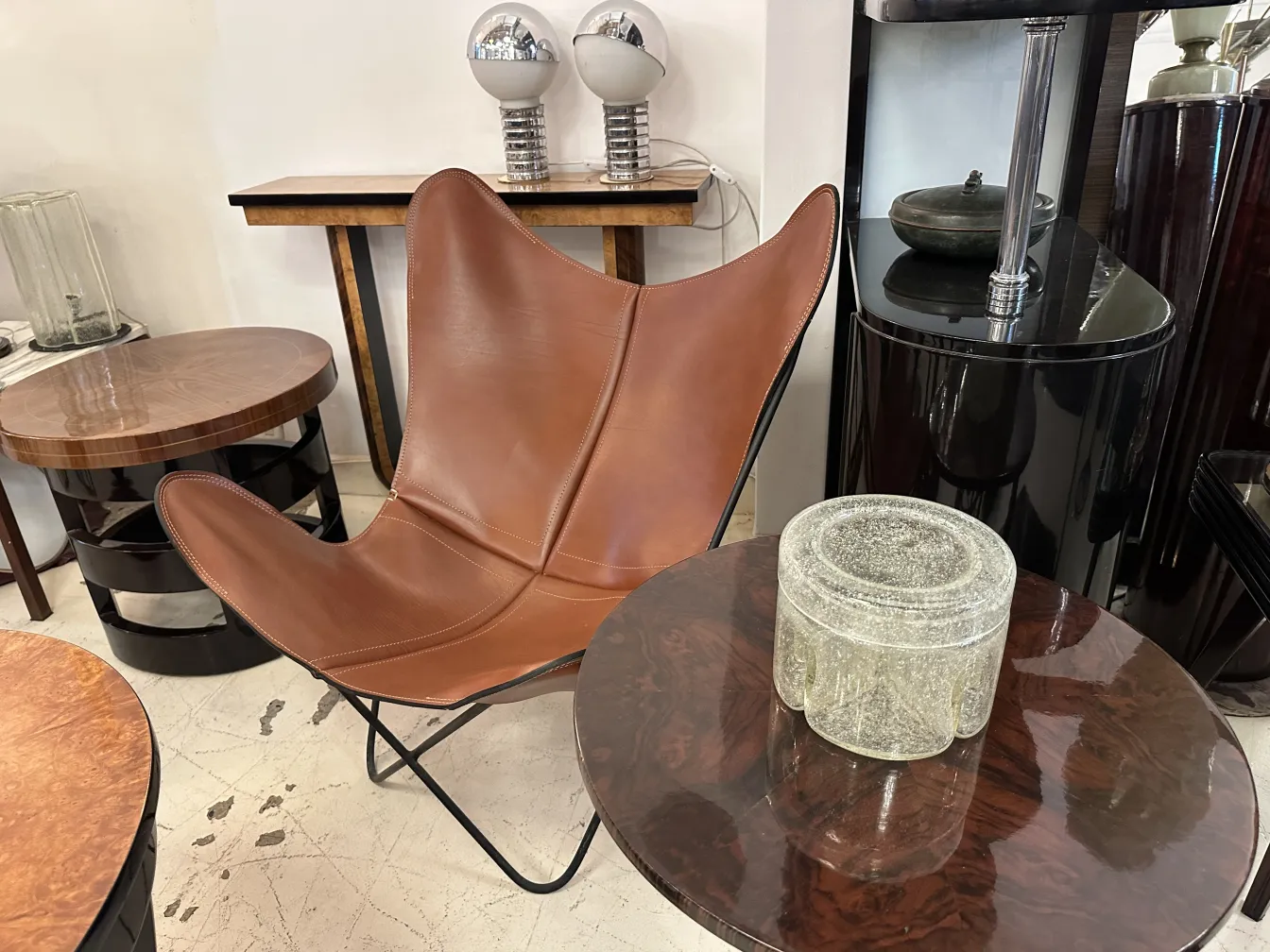
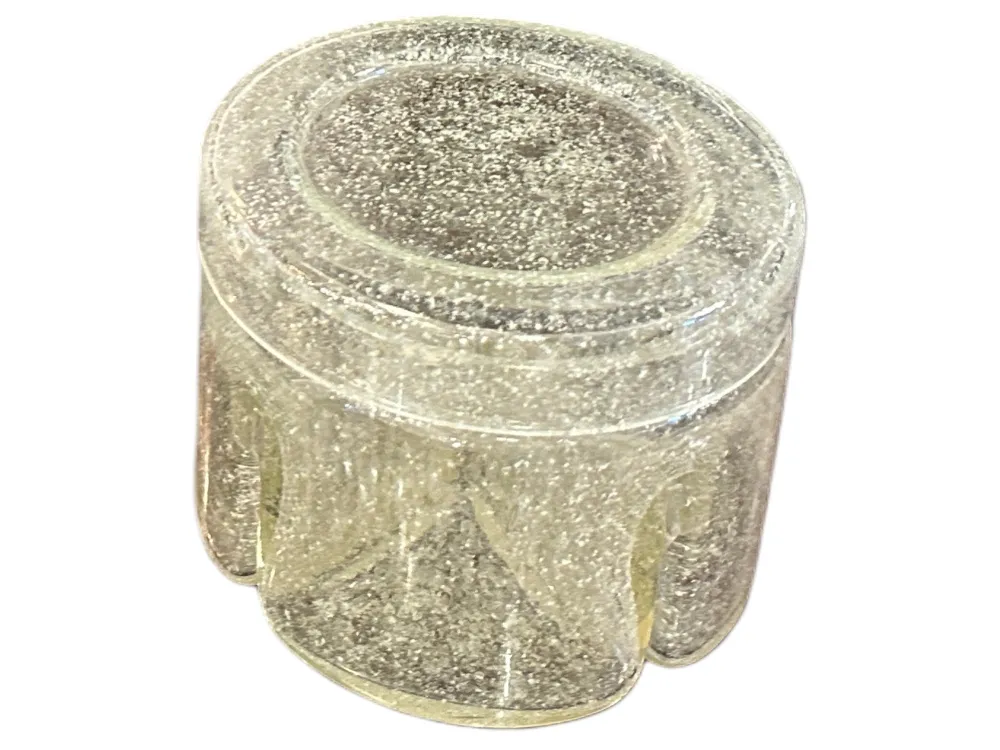
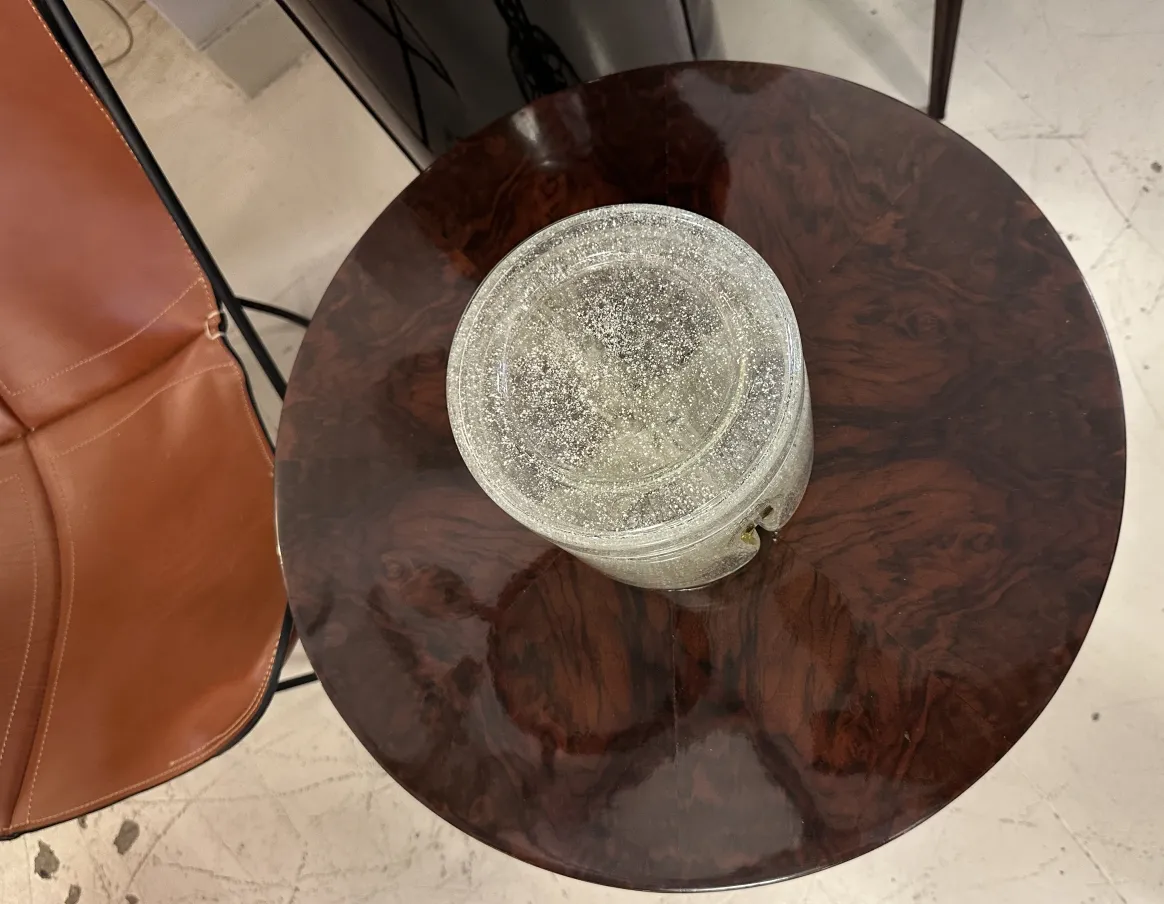
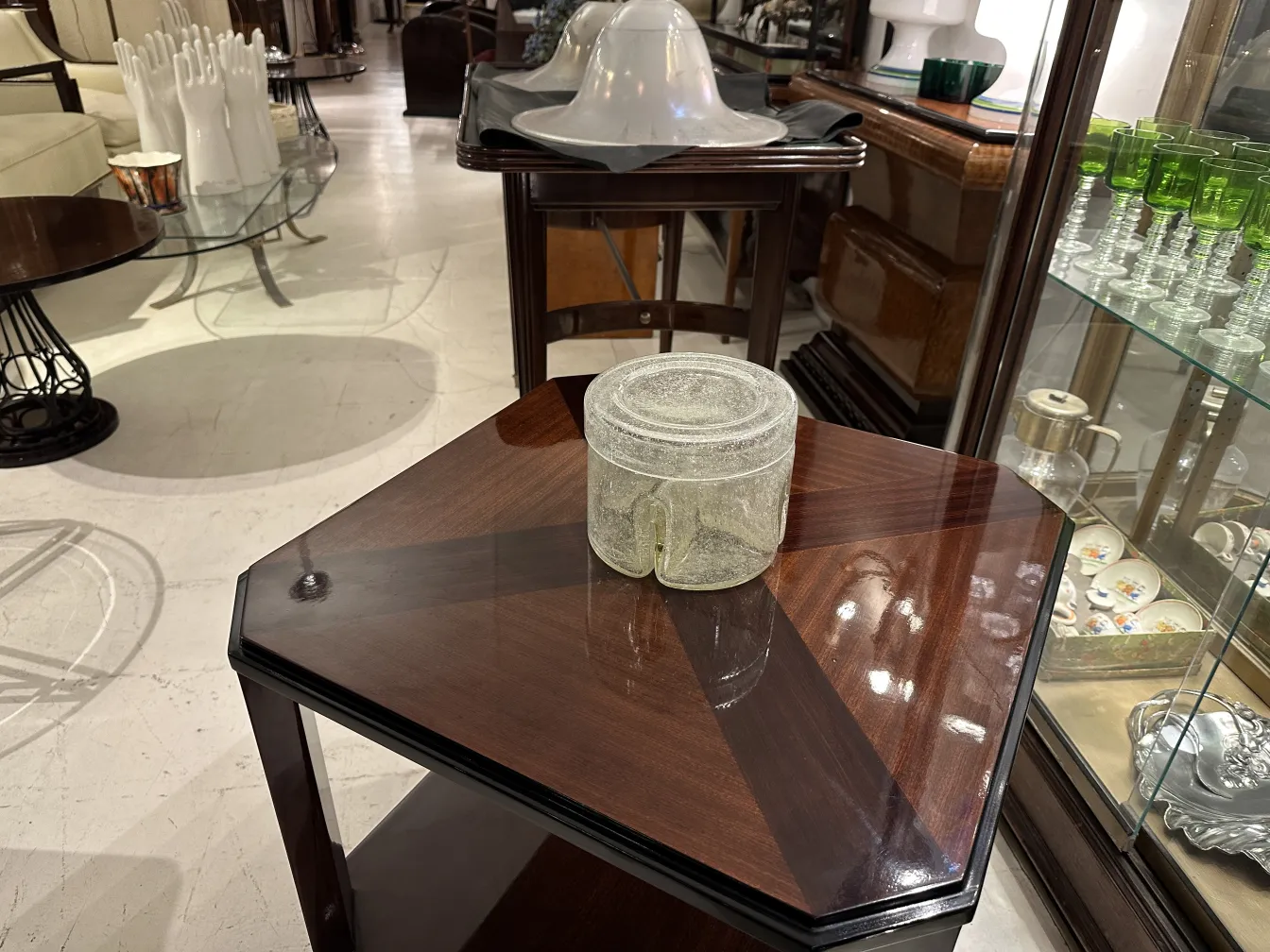
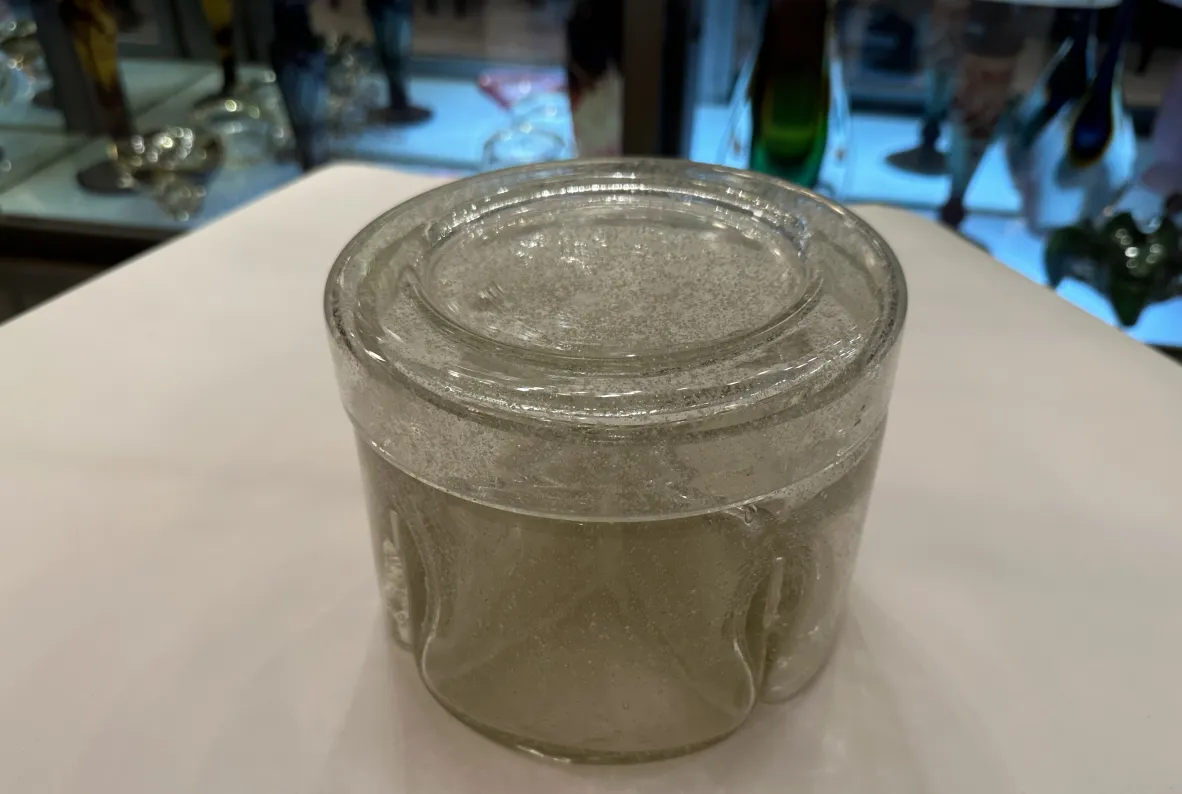
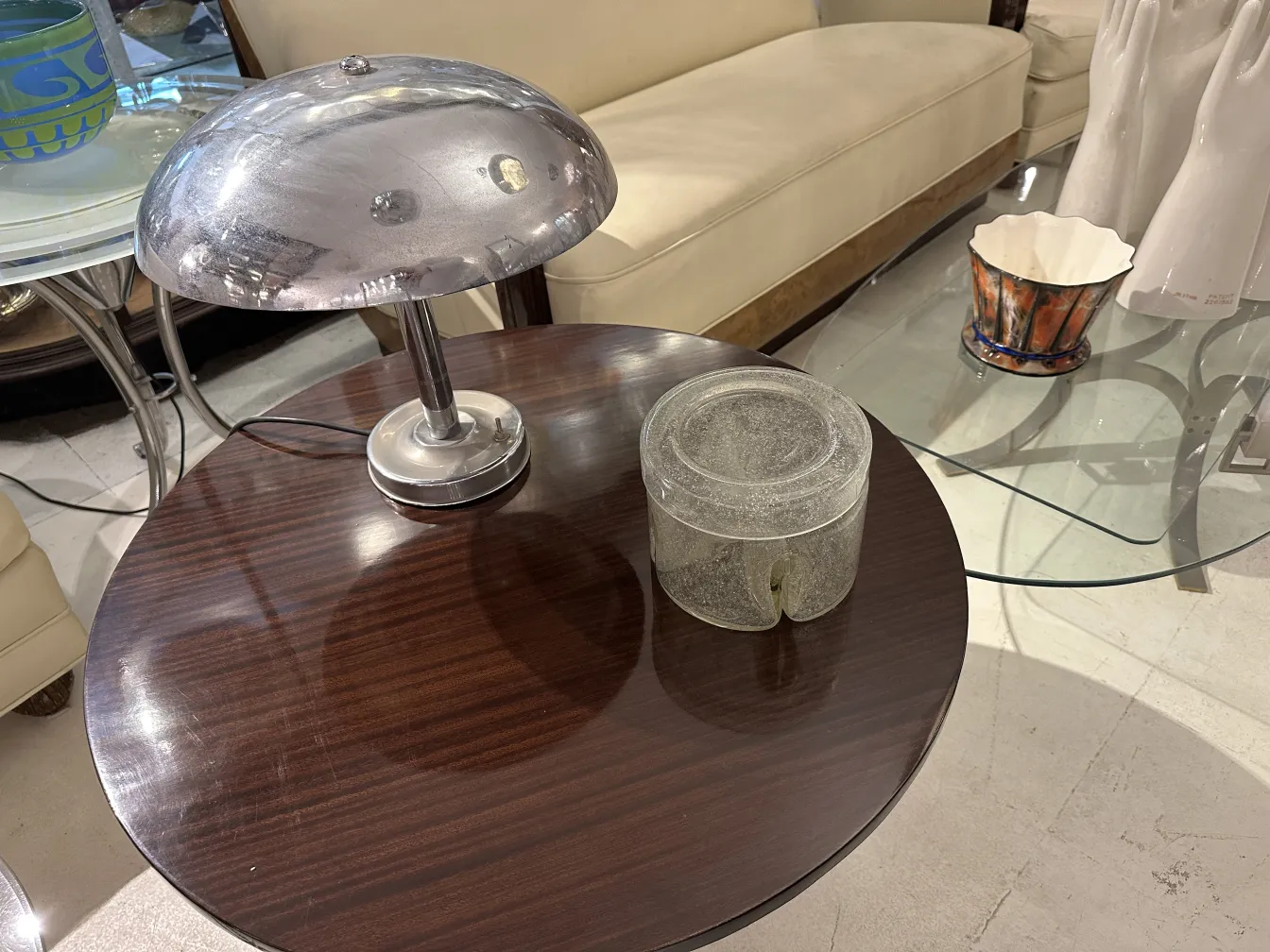
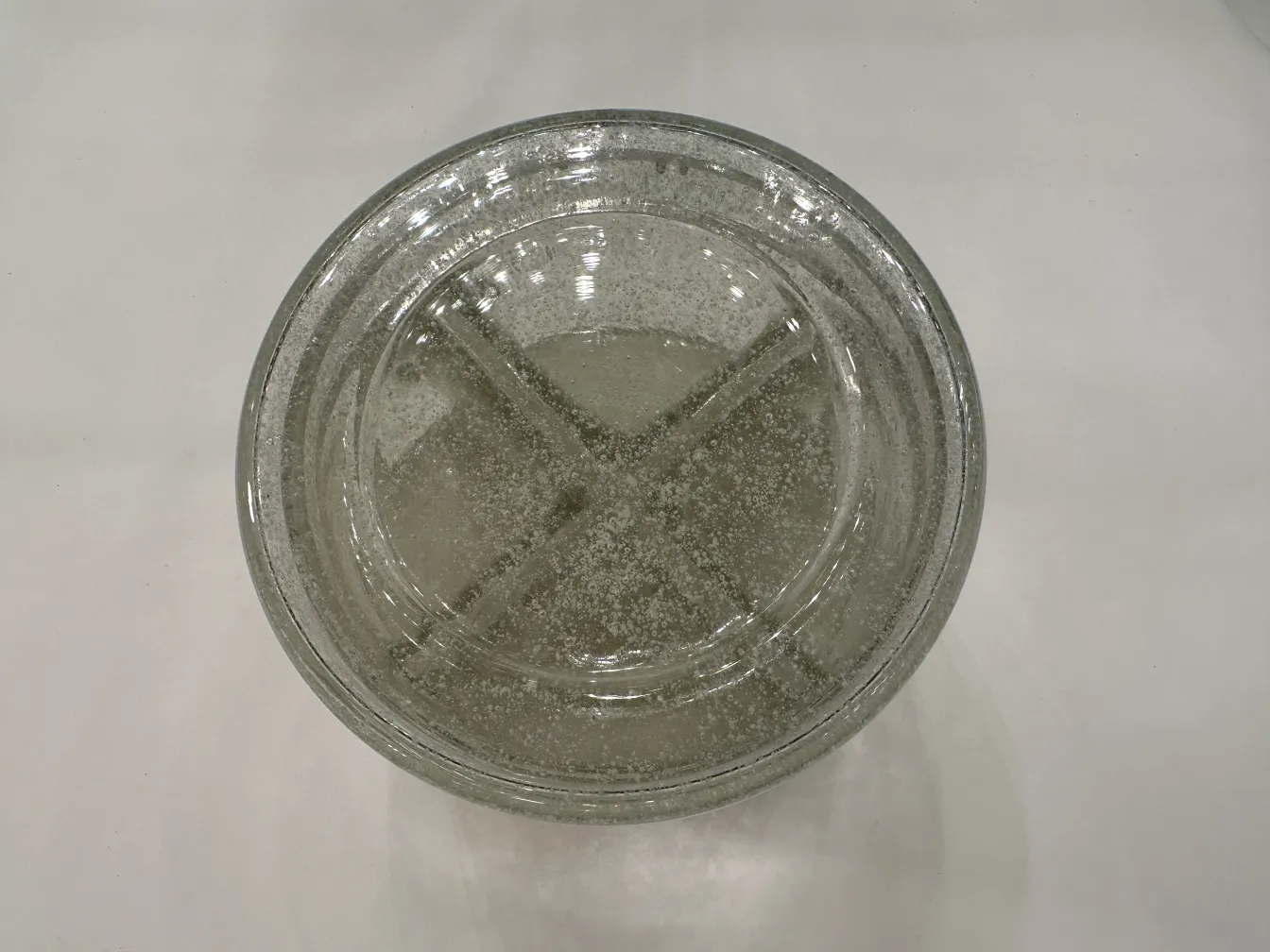
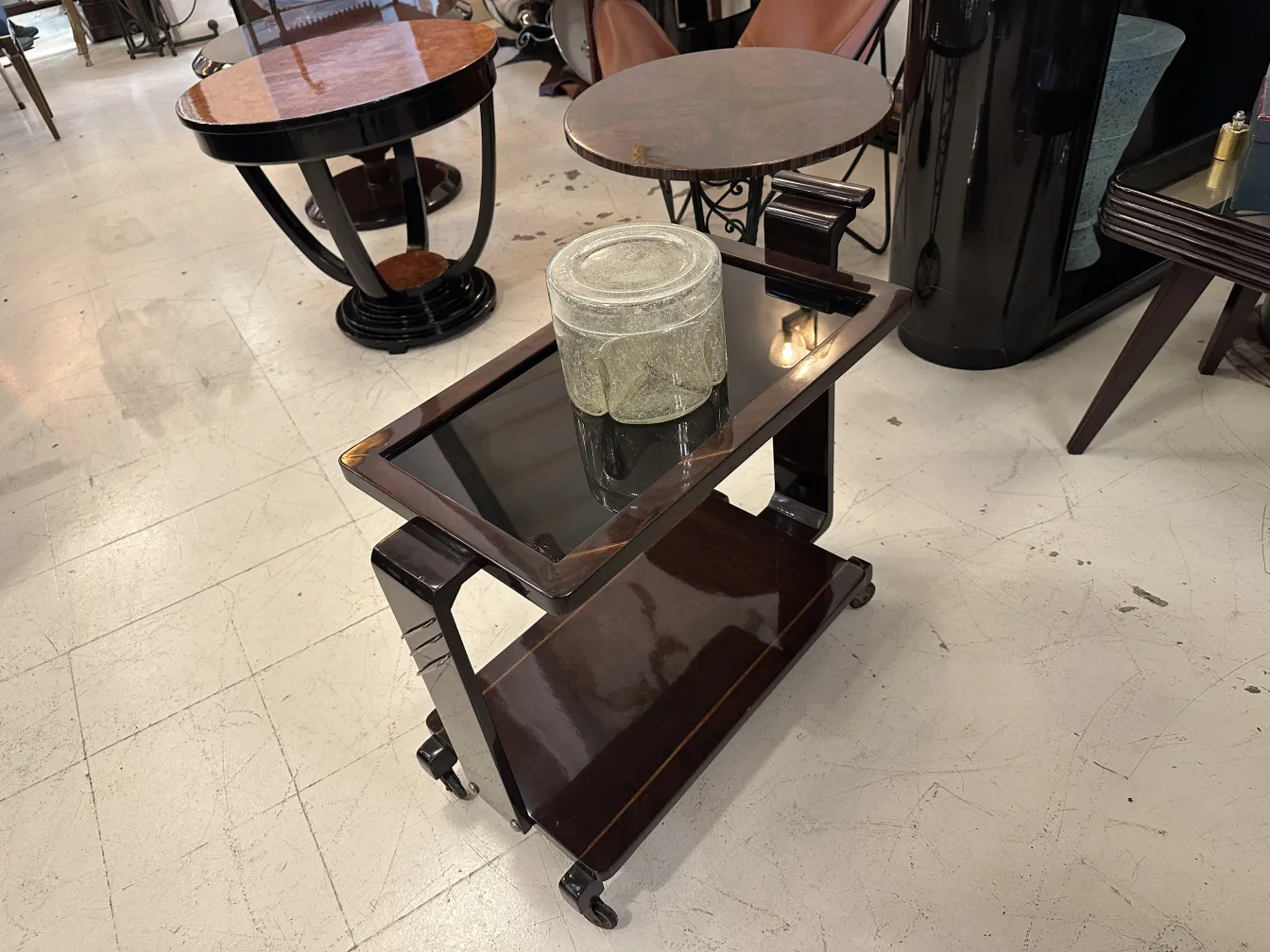
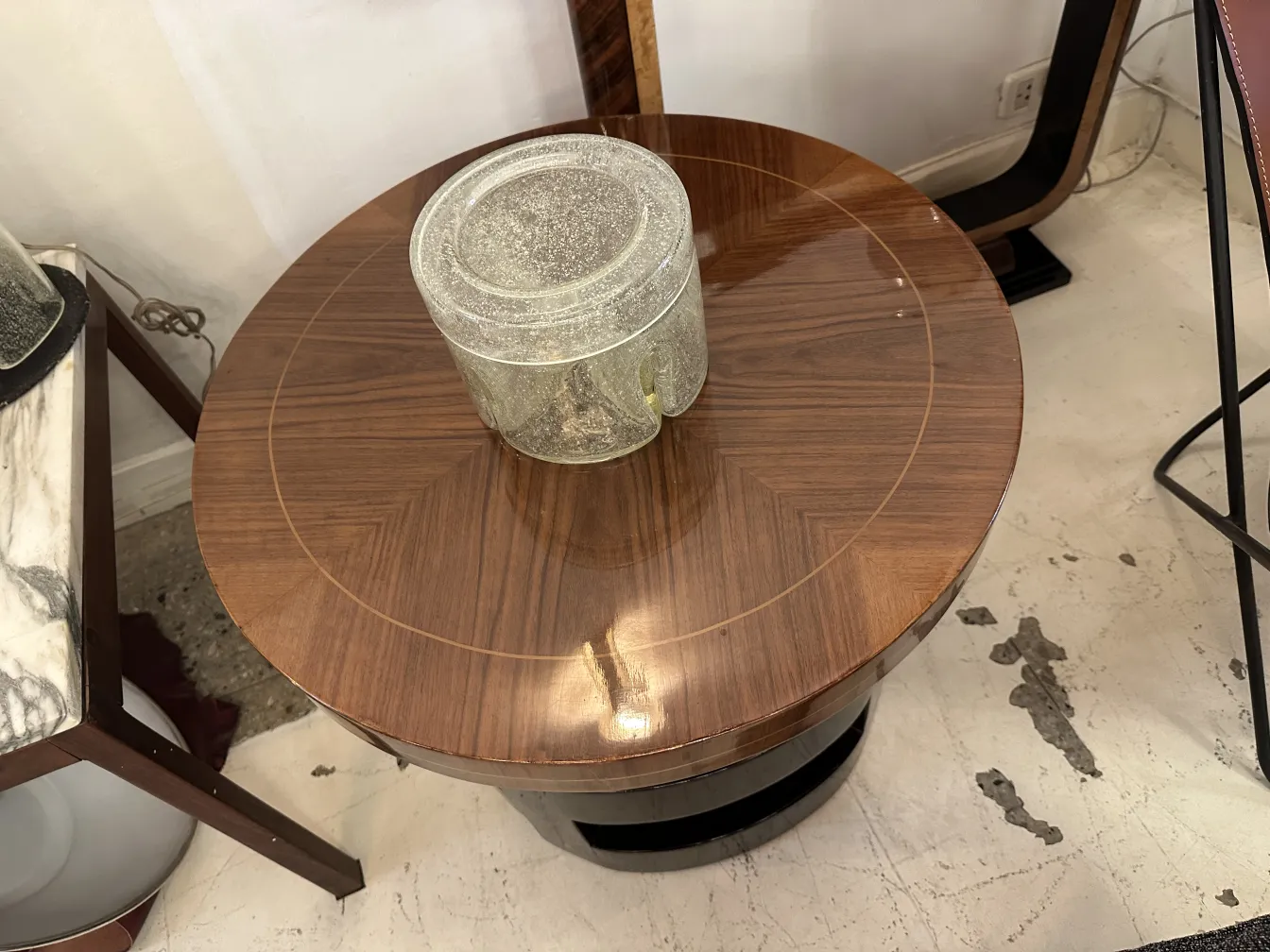
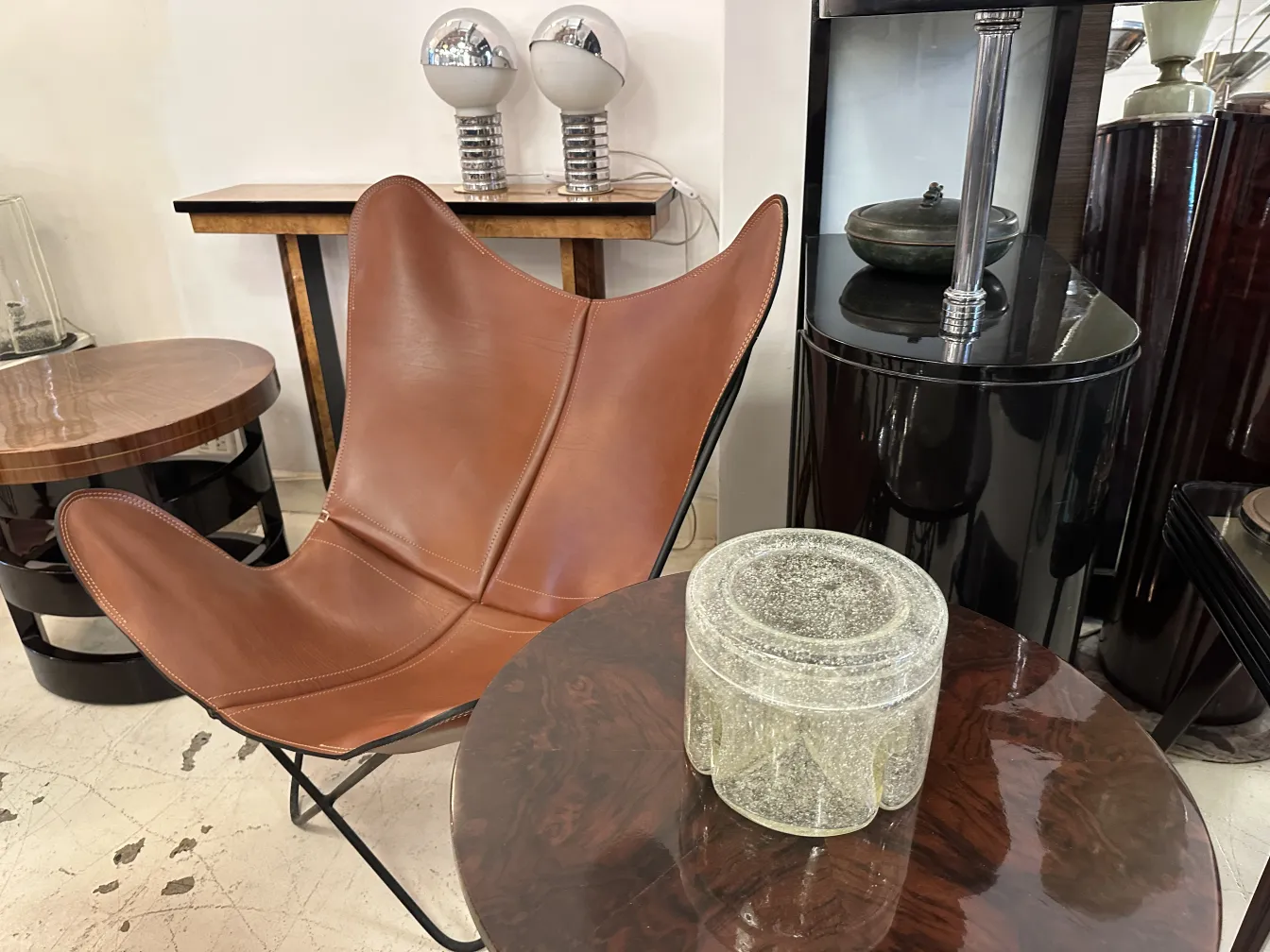
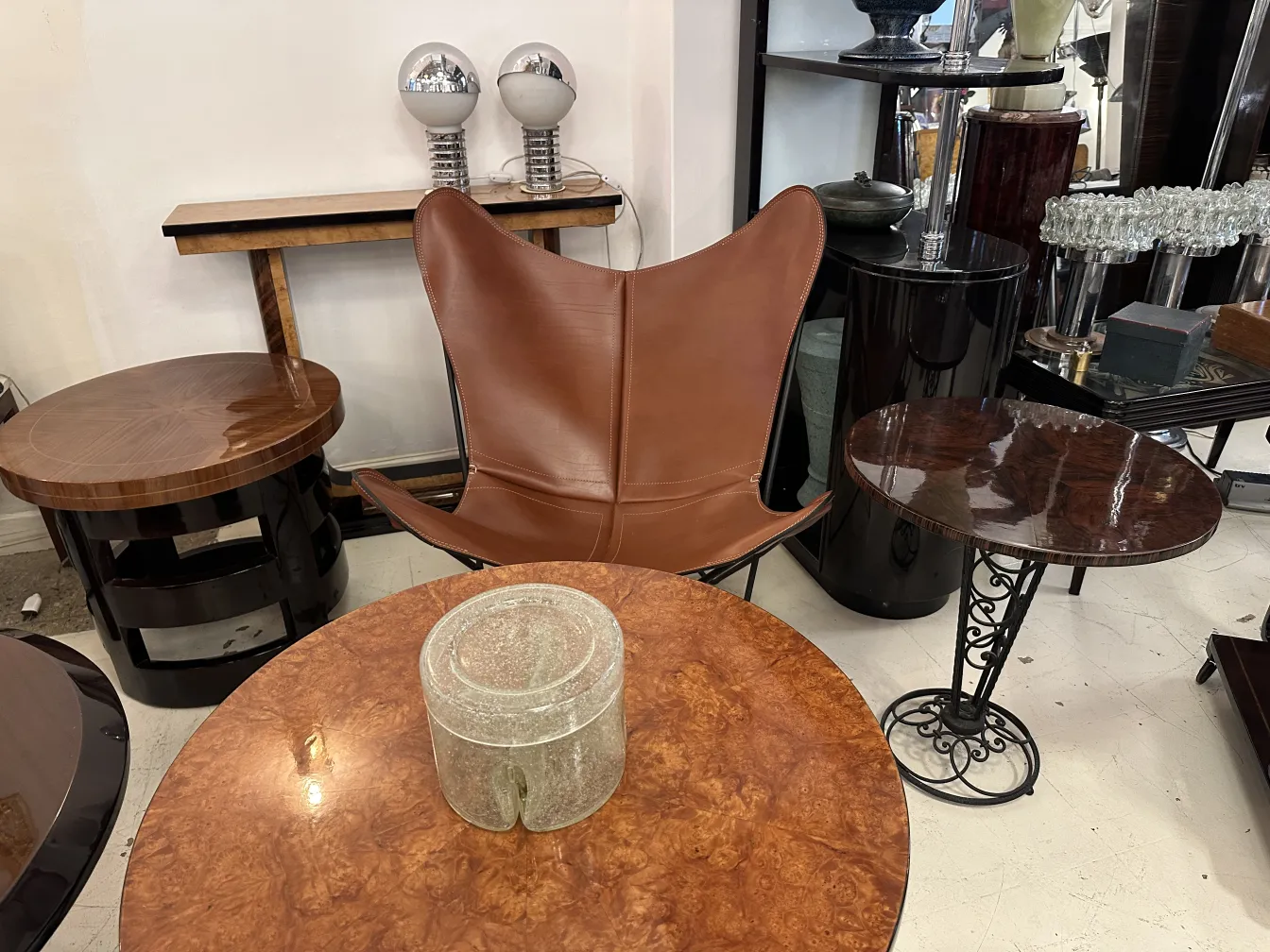
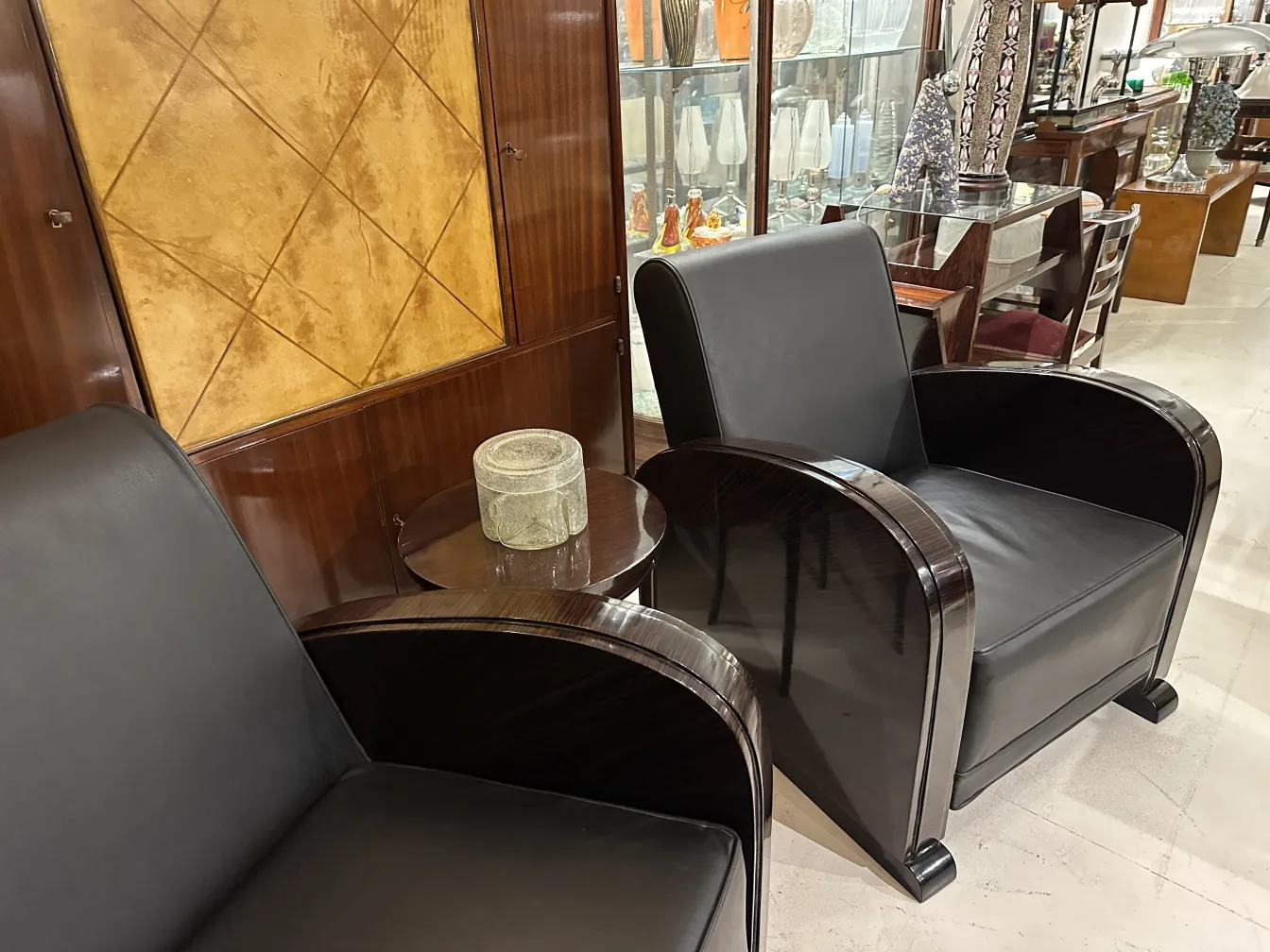
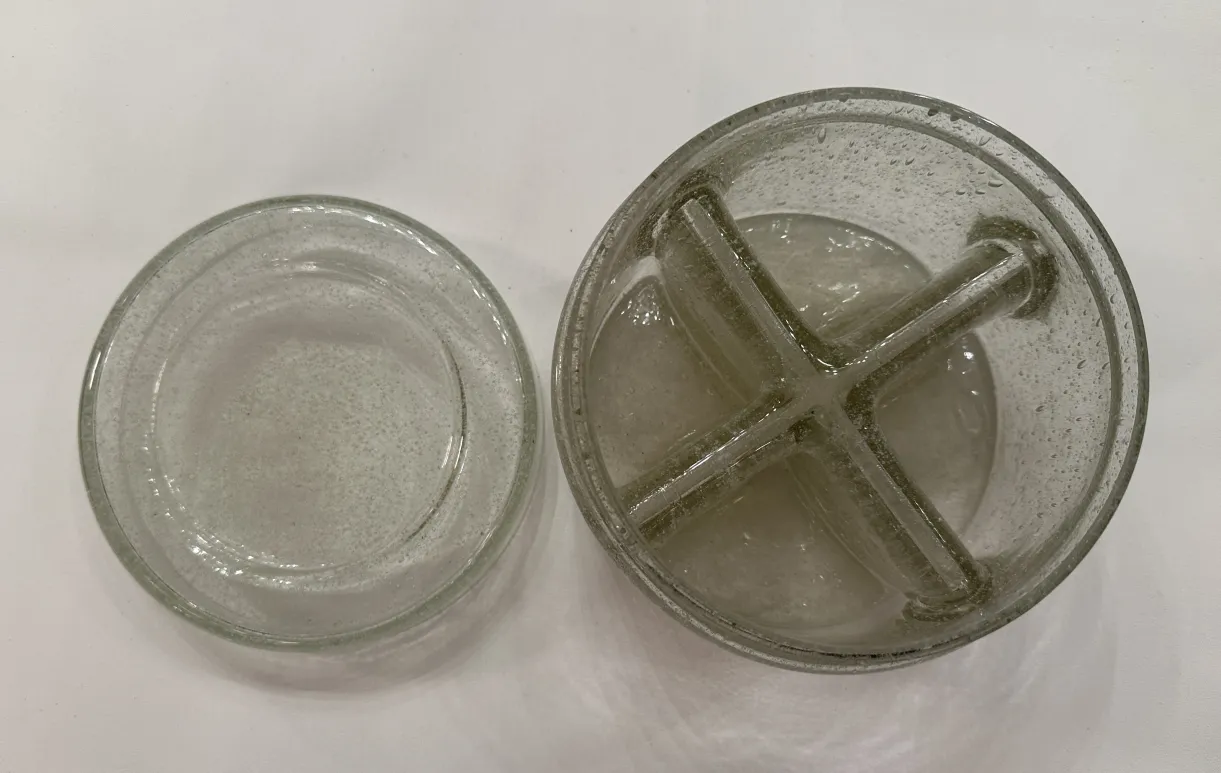
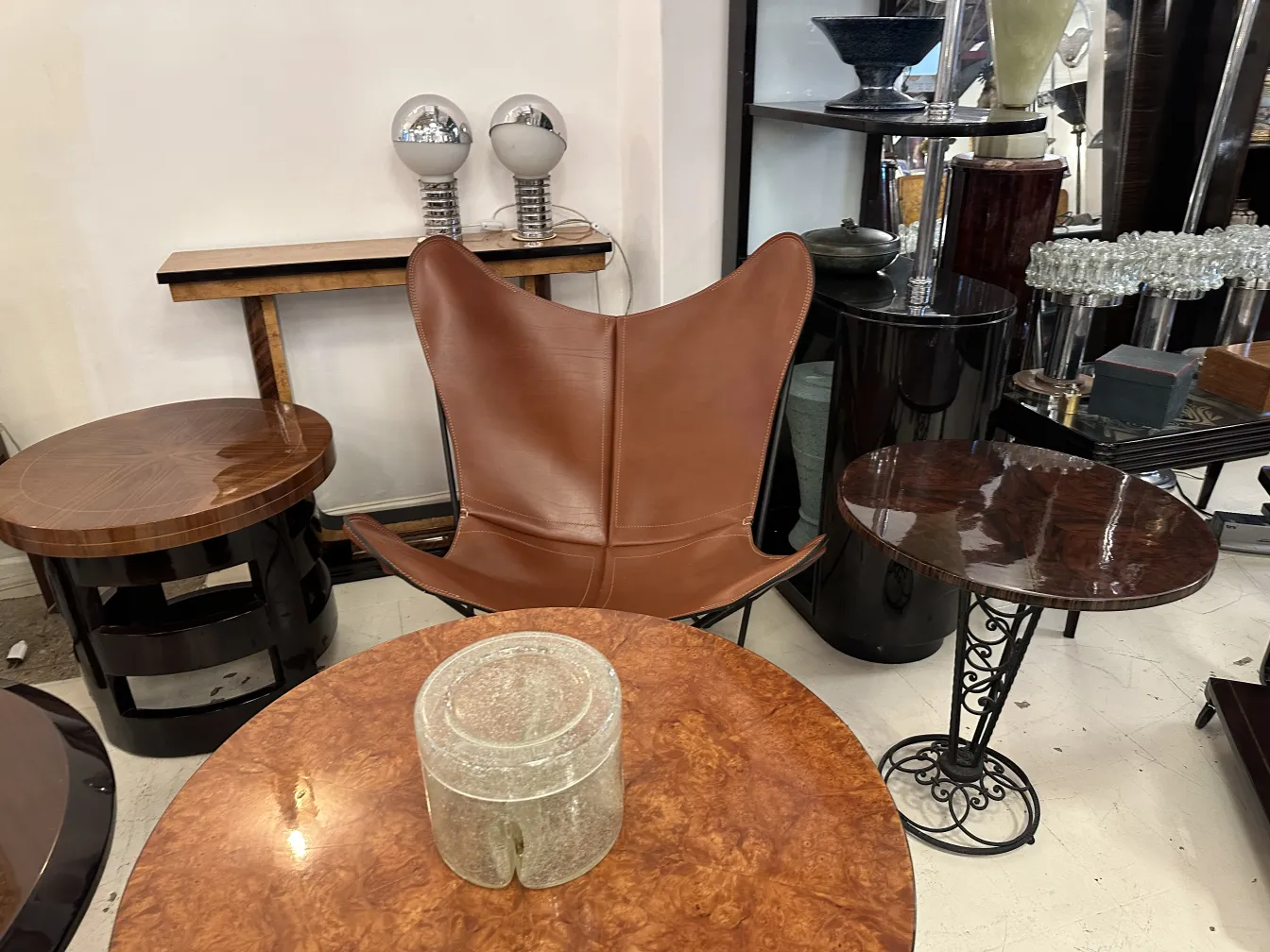
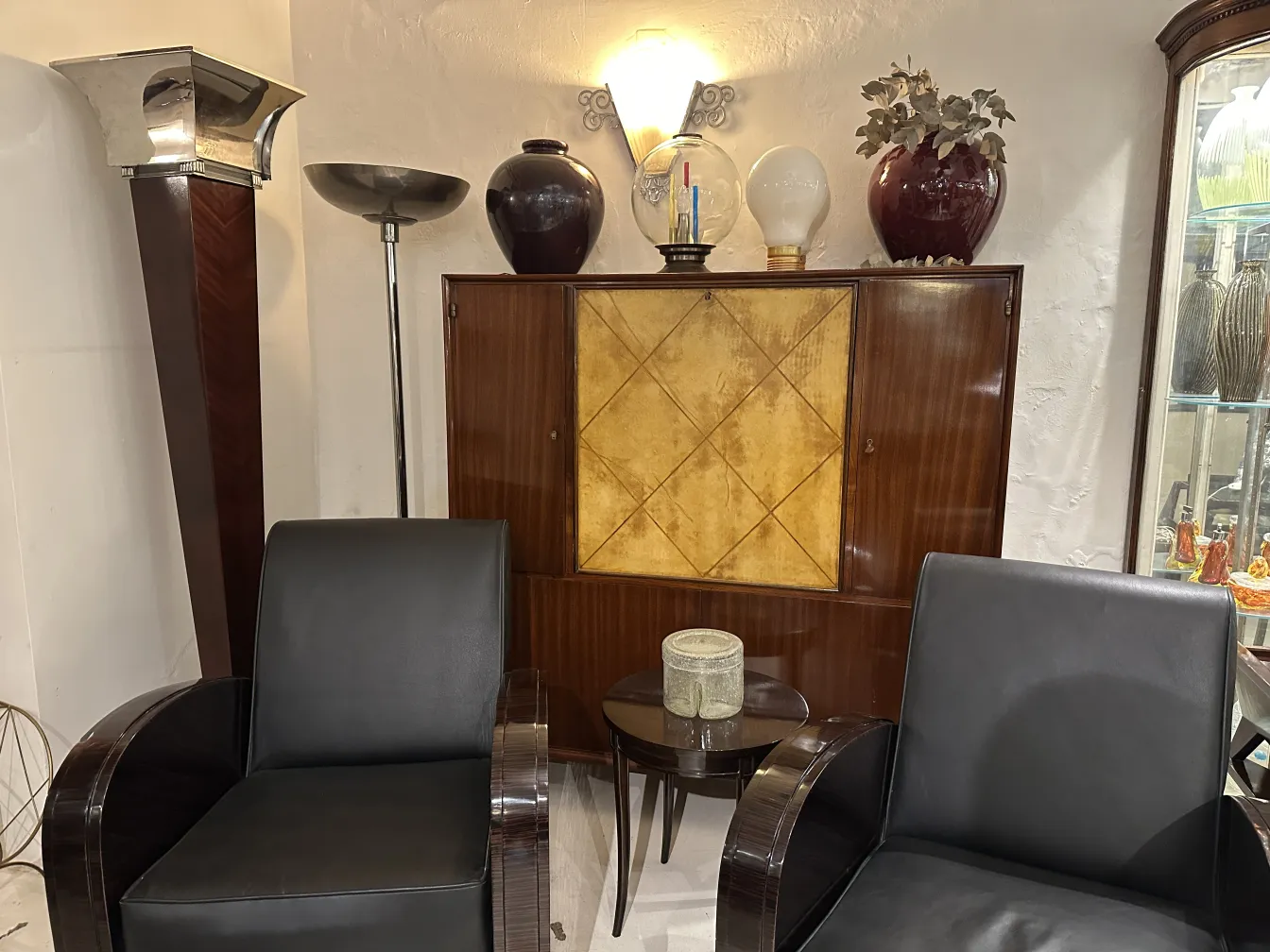
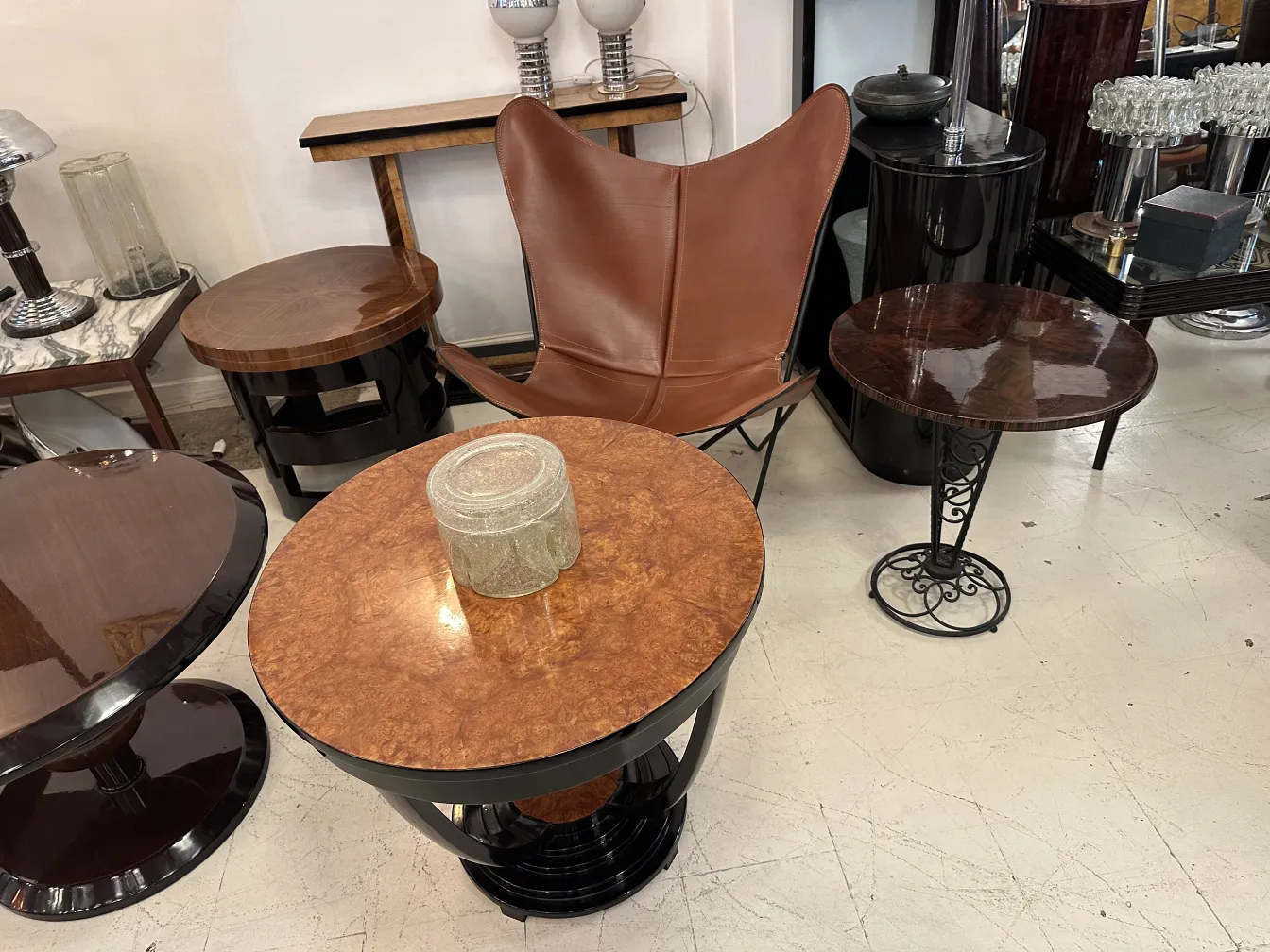
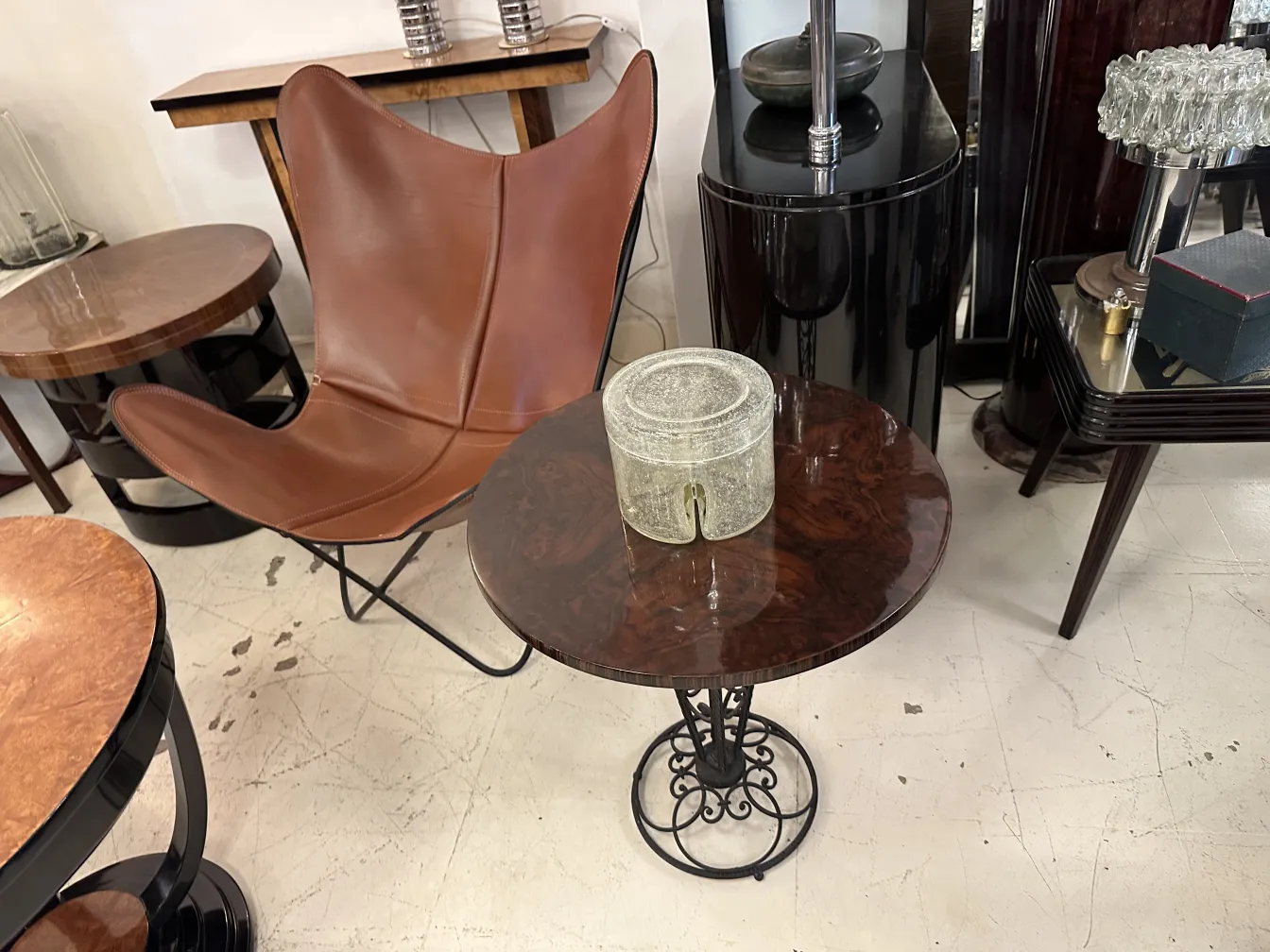
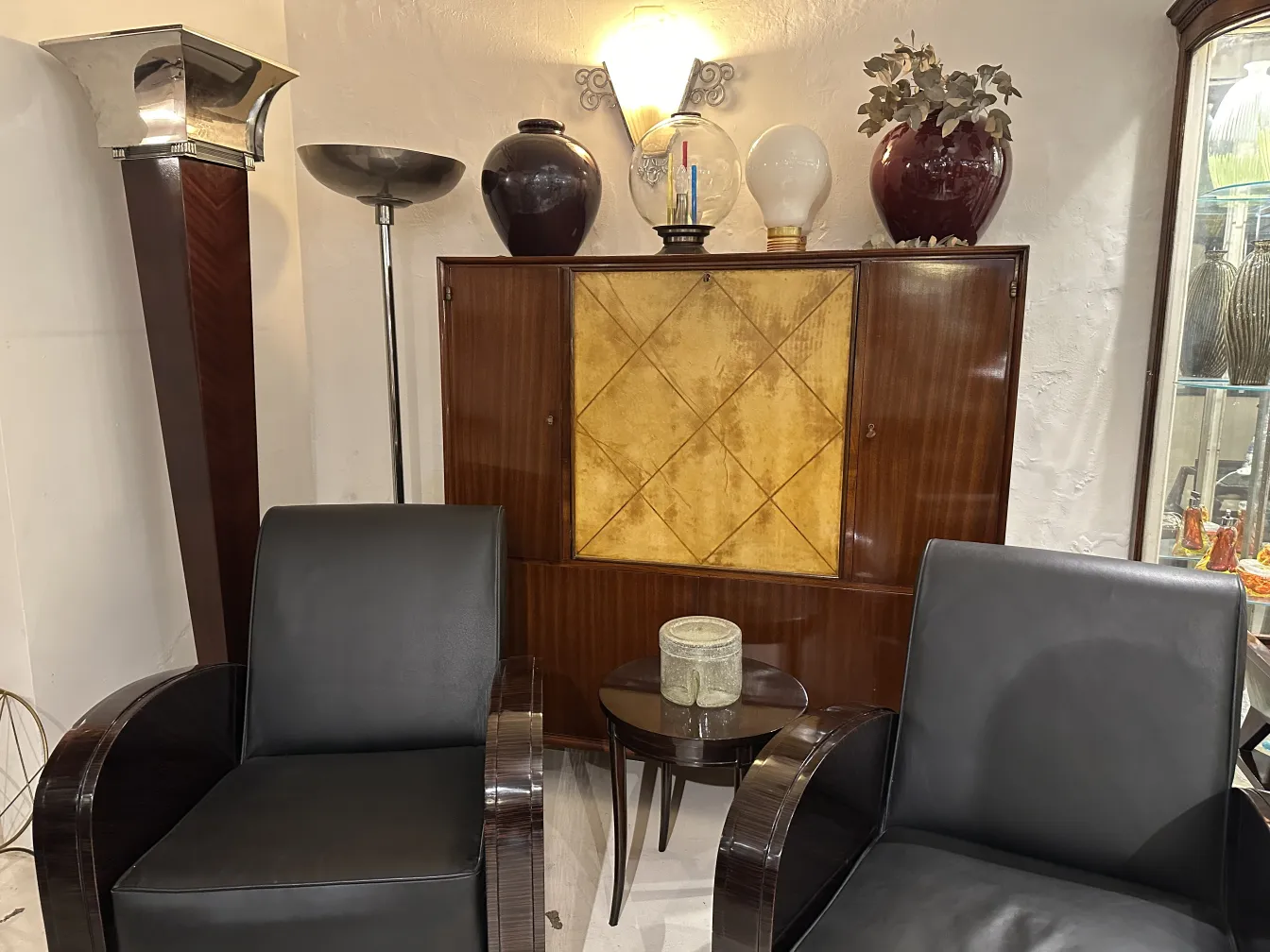
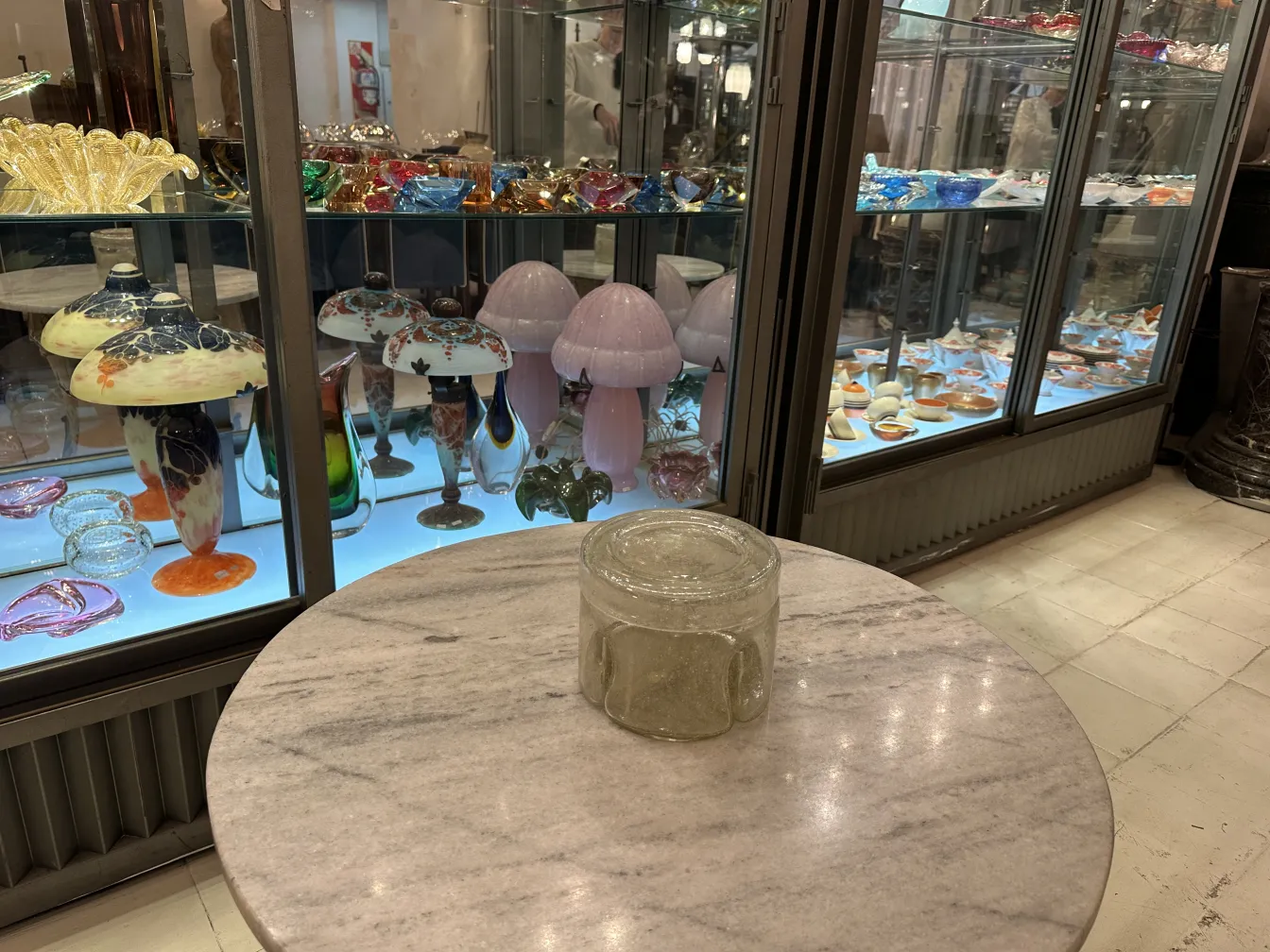
The pulled glass is a type of crystal characterized by containing thousands of microscopic air bubbles and deliberately trapped impurities inside during melting.
Appearance: It gives the glass a spongy, translucent or opaque texture, with a semi-rough and almost volcanic or effervescent appearance.
Technique: It is achieved by adding chemical substances (such as sodium bicarbonate, ash, or oil) to the melted glass mass in the furnace. The reaction generates gases and bubbles that are permanently trapped when the glass cools.
It was conceived and perfected in the late 1920s (circa 1928) by the Italian sculptor and designer Napoleone Martinuzzi, who at that time was the artistic director of the famous firm Venini & C. in Murano.
The technique was adapted in the 1950s to 1970s by other great workshops in Murano (such as Seguso, Barovier & Toso, and Aureliano Toso) and incorporated into vases, ashtrays, sculptures, and lighting fixtures in Mid-Century Modern style.














 Share