Home / Products / chairs - armchairs- stools / dining table chairs←Back

2 Chairs

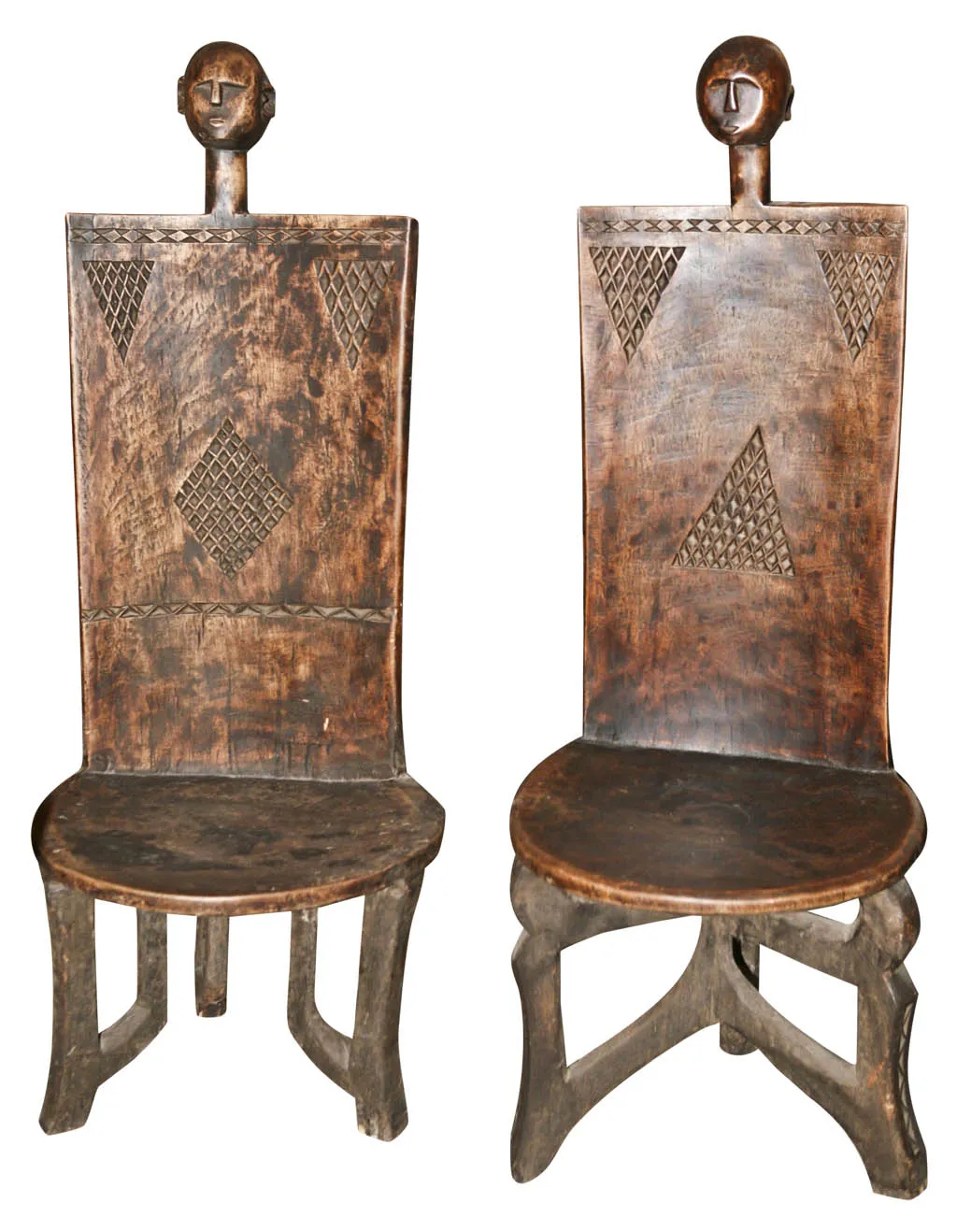
(Hehe tribe chair)

F-CH-172
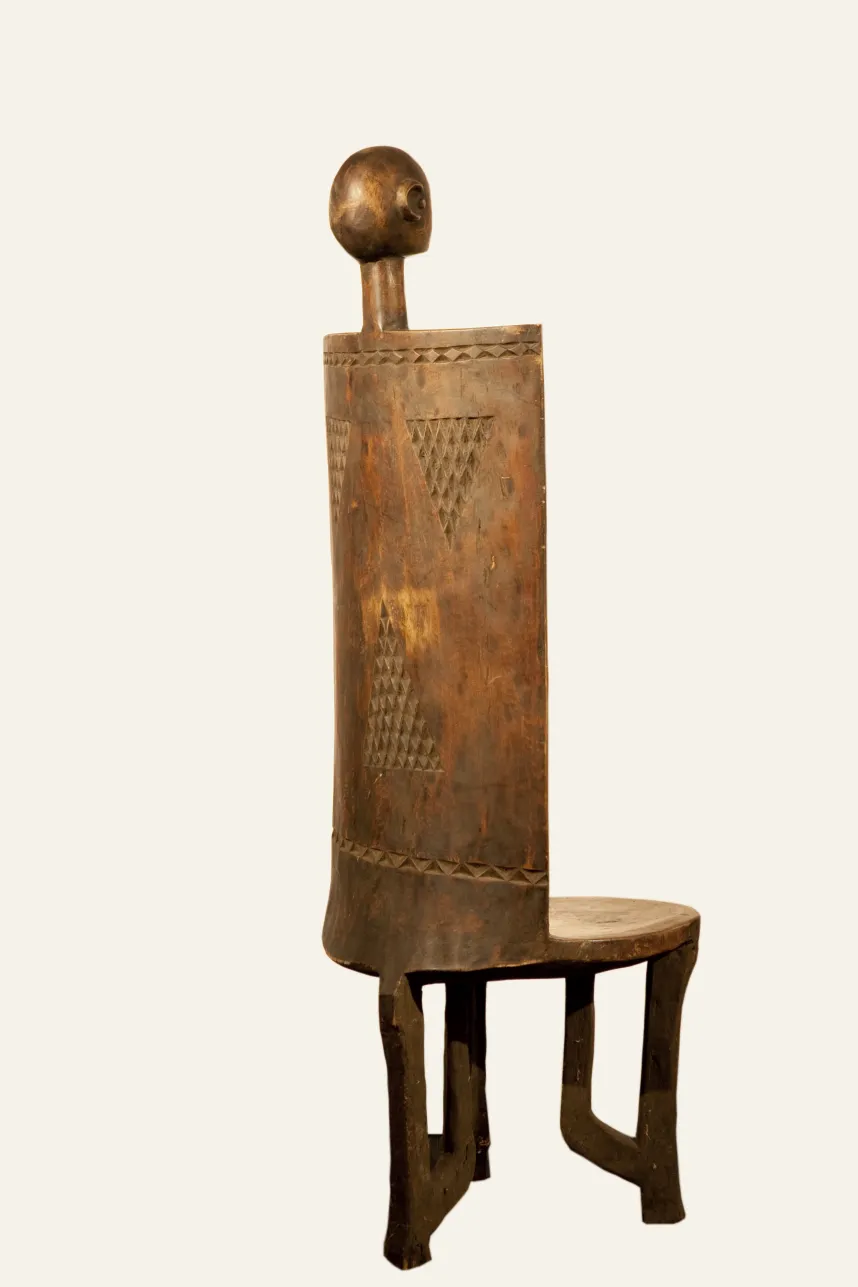
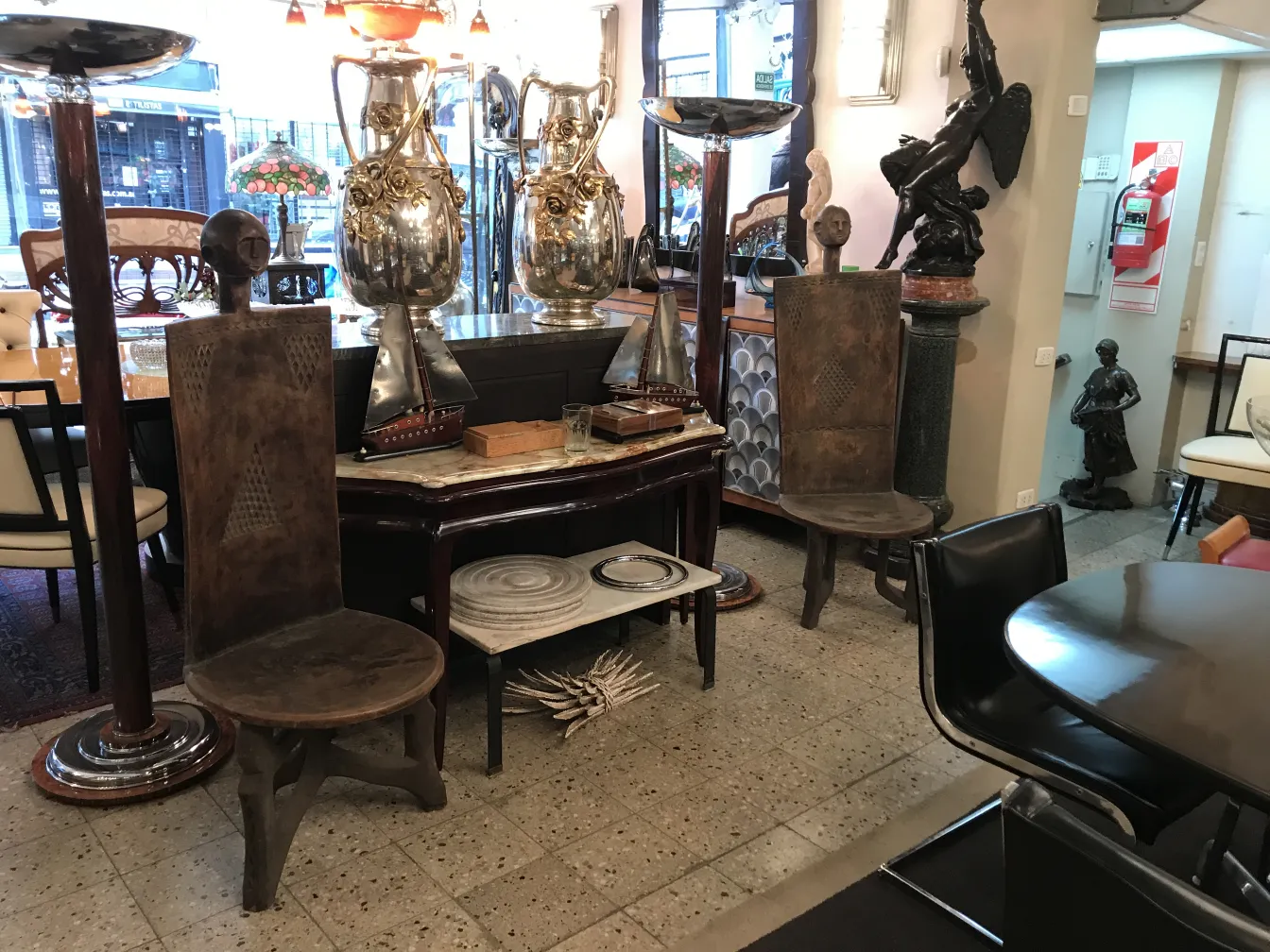
two vintage chairs with tribal features and decorative details
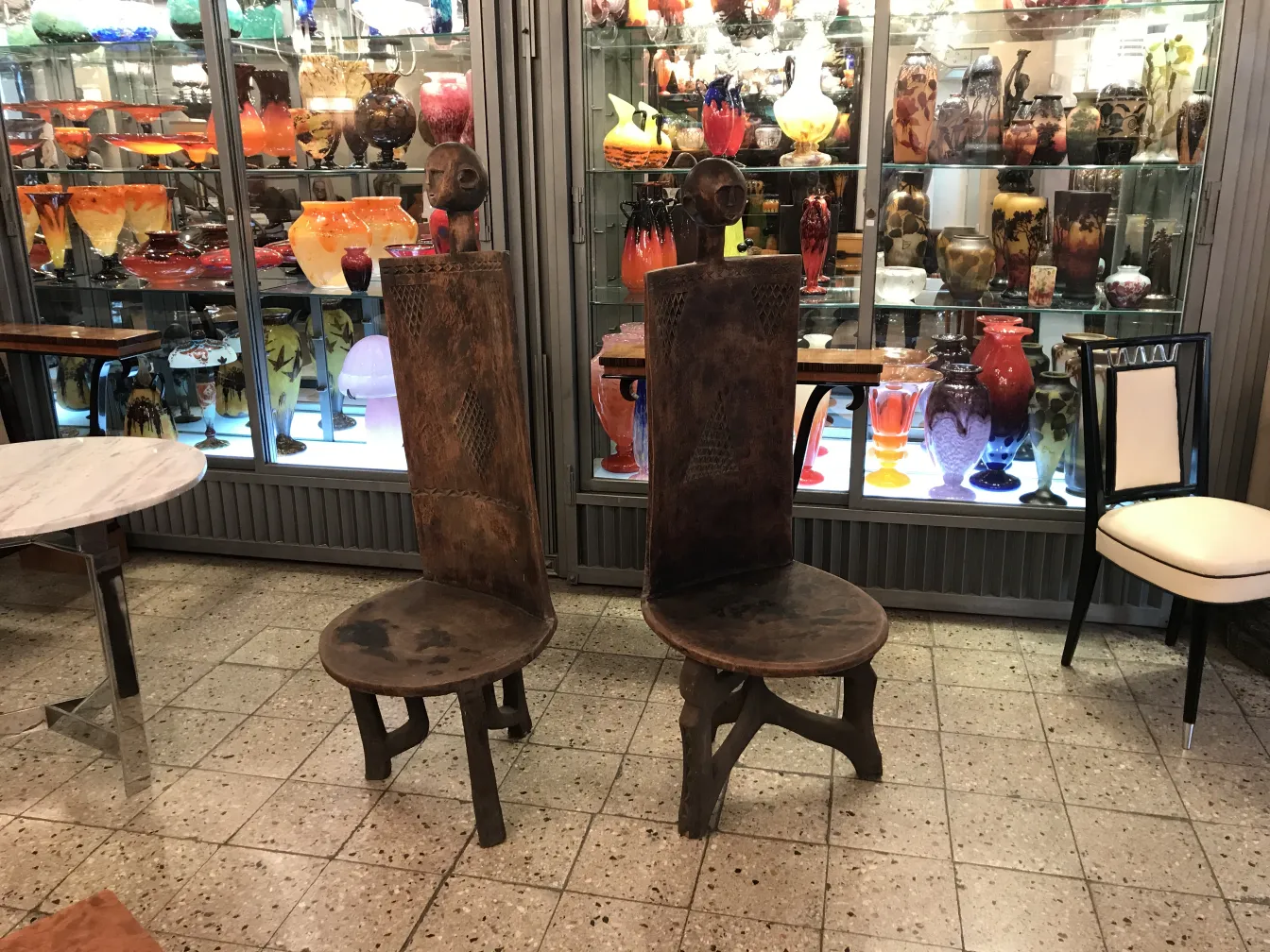
Two antique chairs with tribal design and carved backrest, indoor setting
2 antique chairs with carved backrest and decorative details, tribe hehe
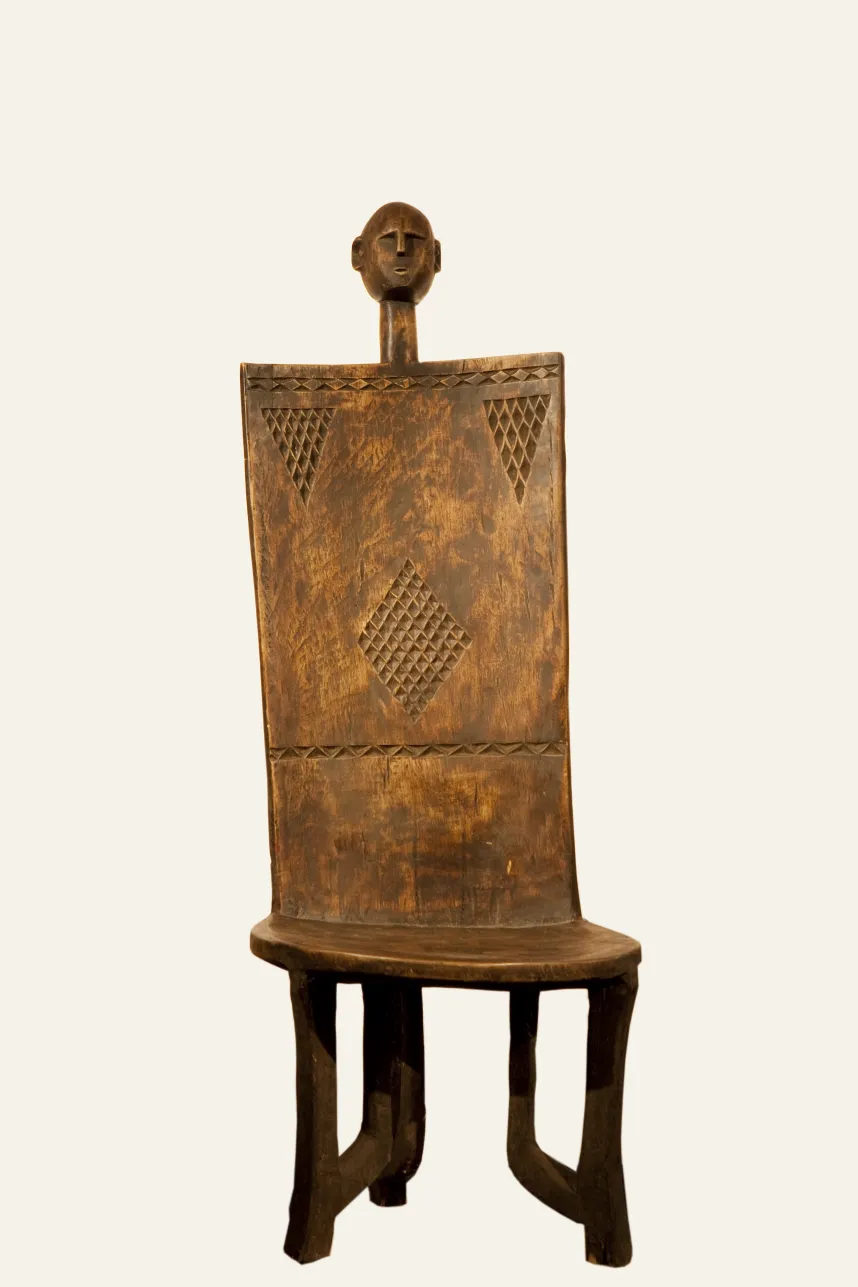
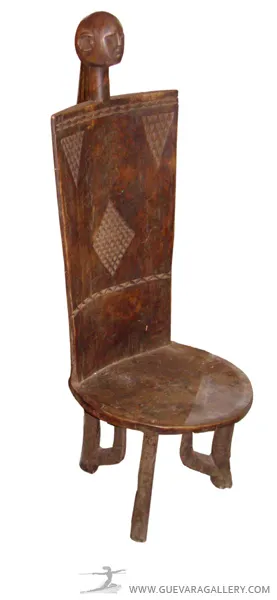
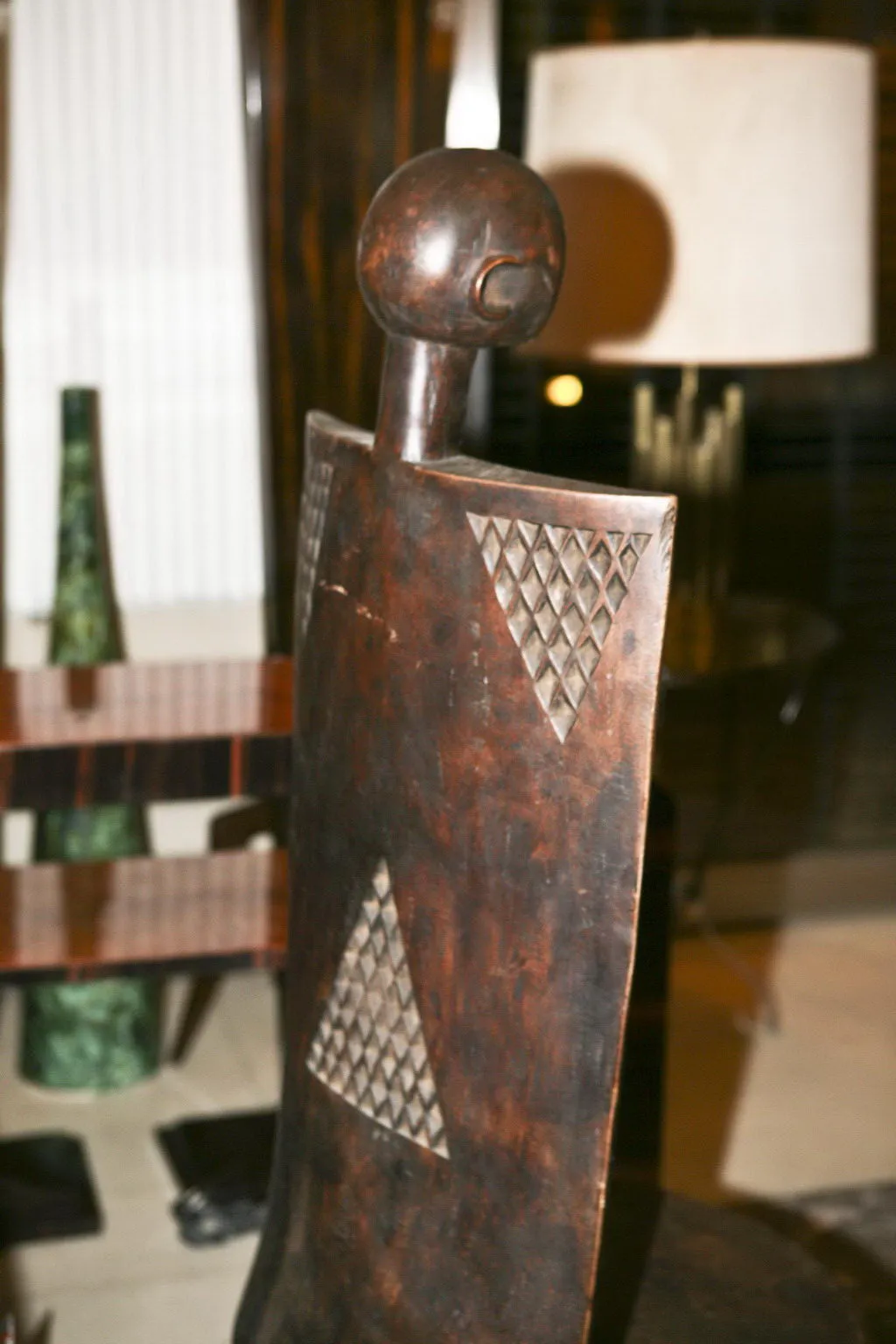
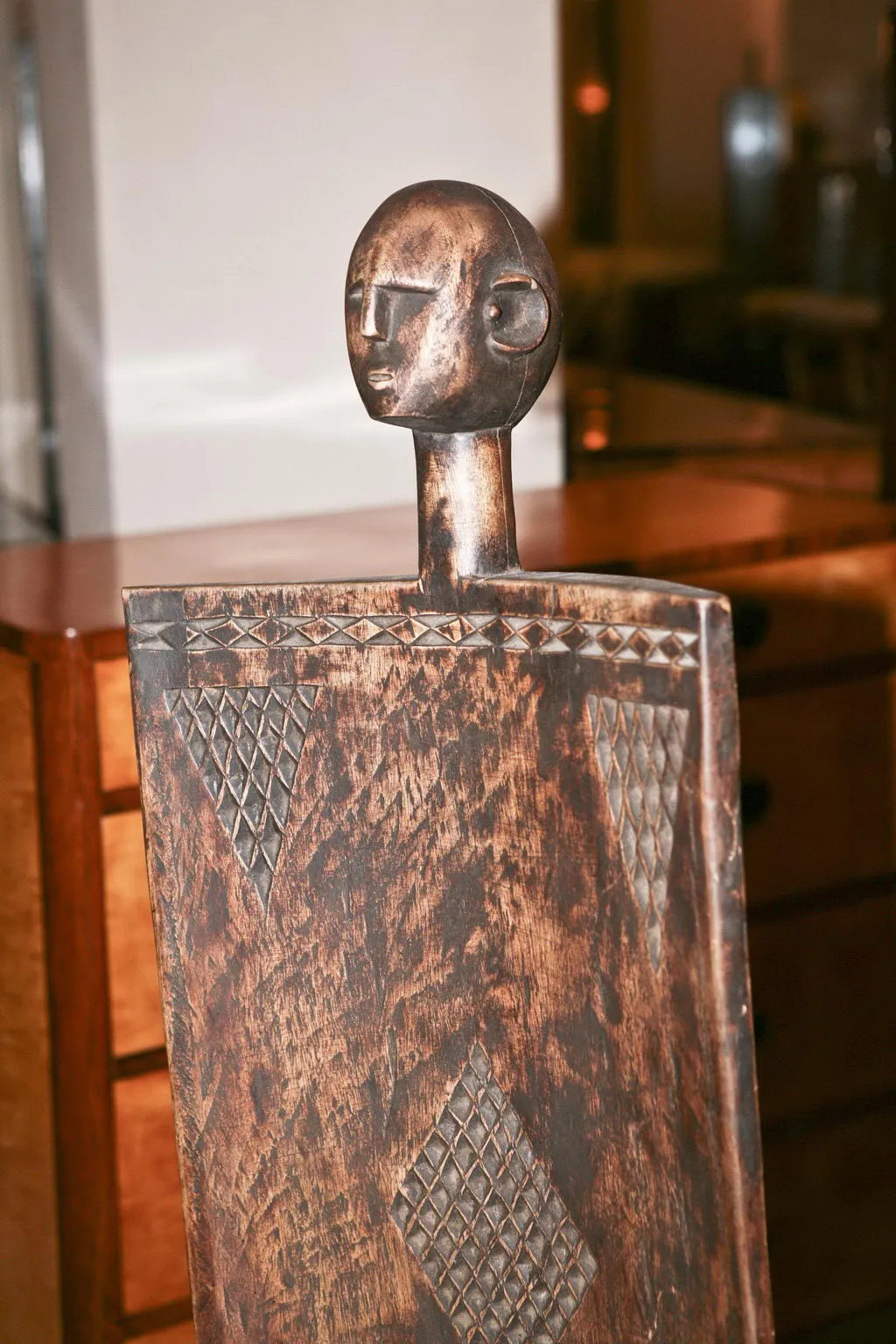
Antique chair with a backrest and figure on top, tribal design visible.
two antique chairs with distinctive design in a decorative setting
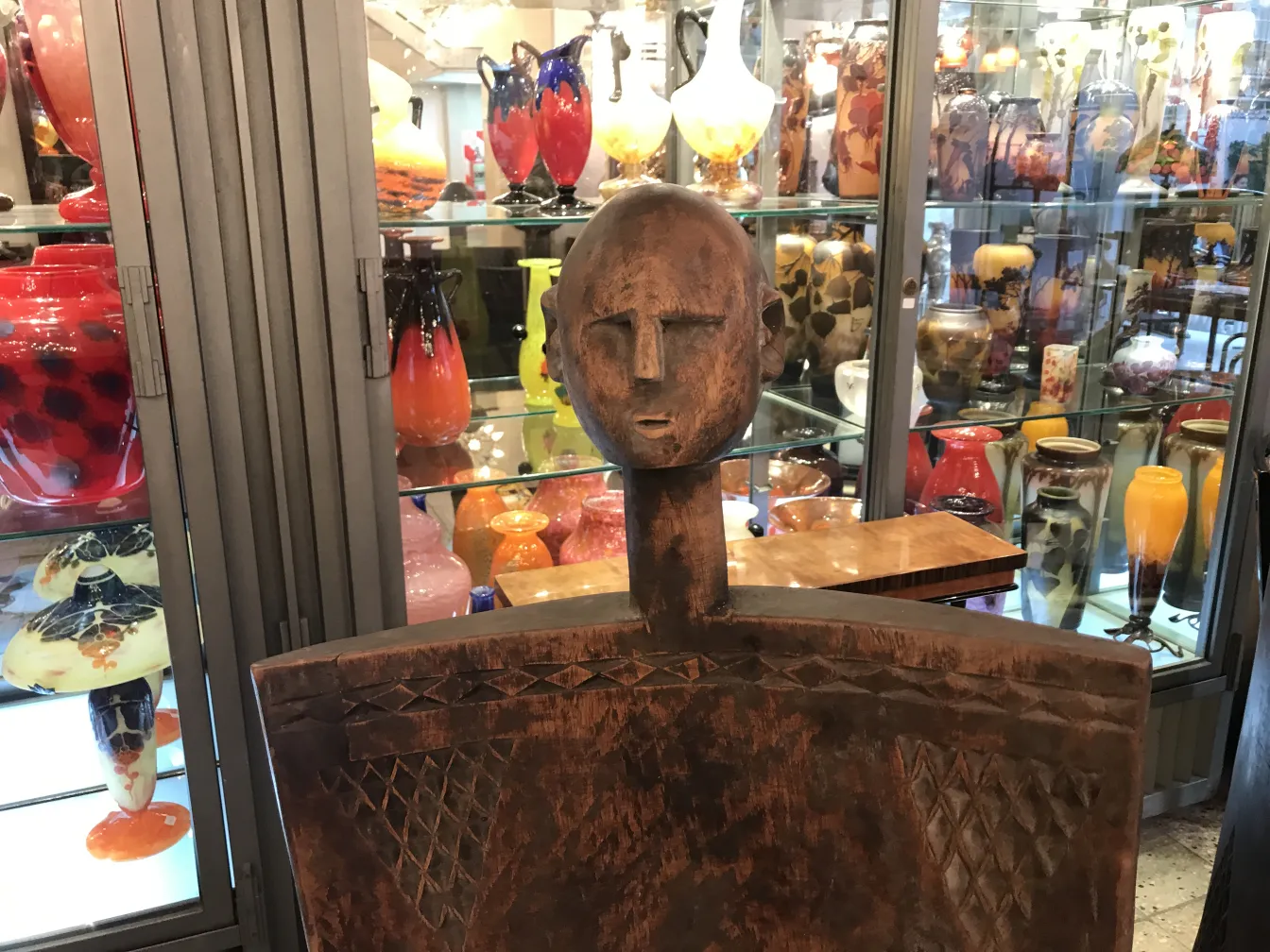
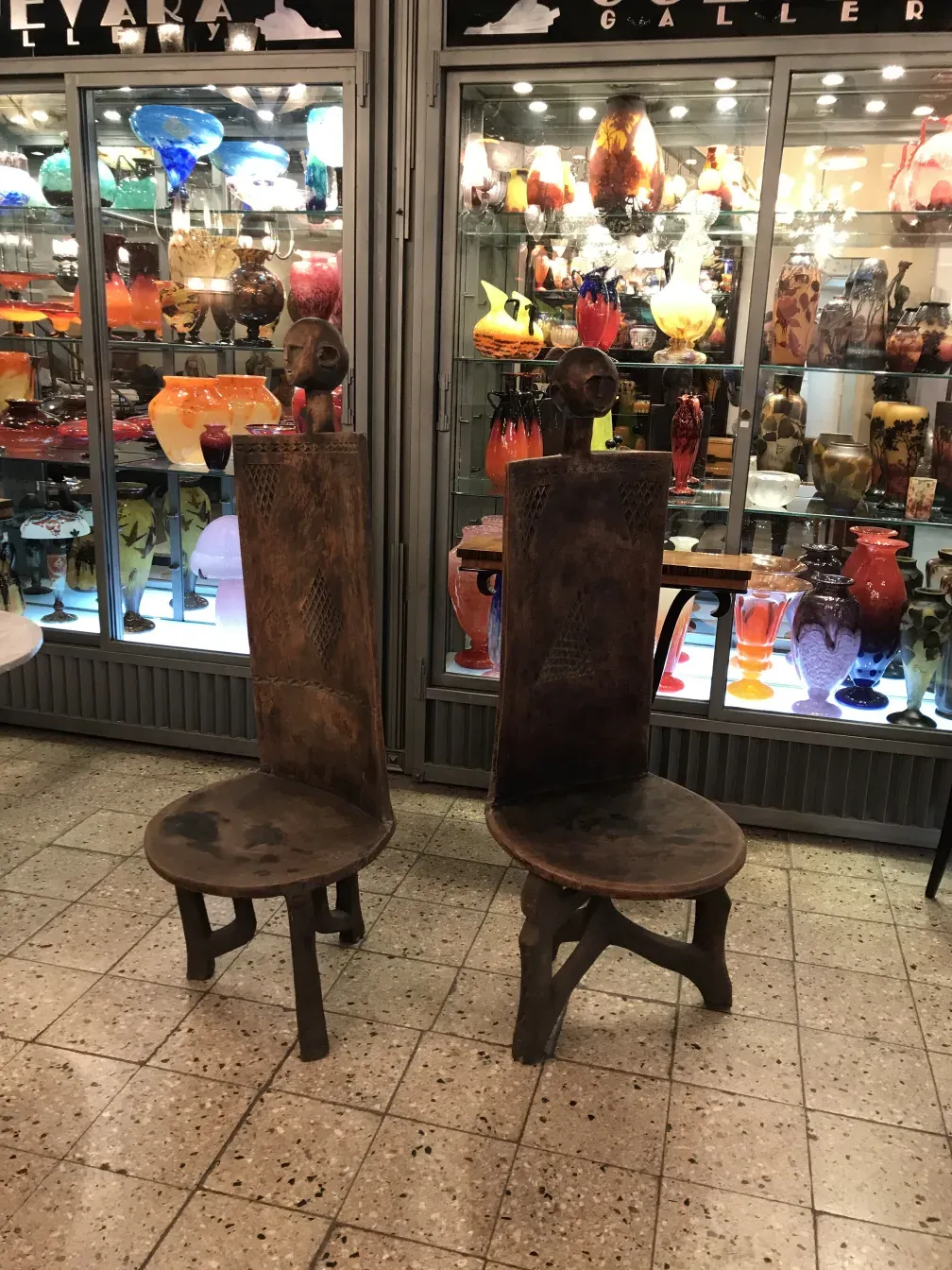
Two antique chairs with tribal design featuring a high back and male figure against a backdrop of colorful decorative items.
antique chairs with sculptural design tribe hehe, cozy setting
Two antique chairs with tribal design in a cozy setting.
featured image of ancient 2 chairs tribe hehe in a warm setting
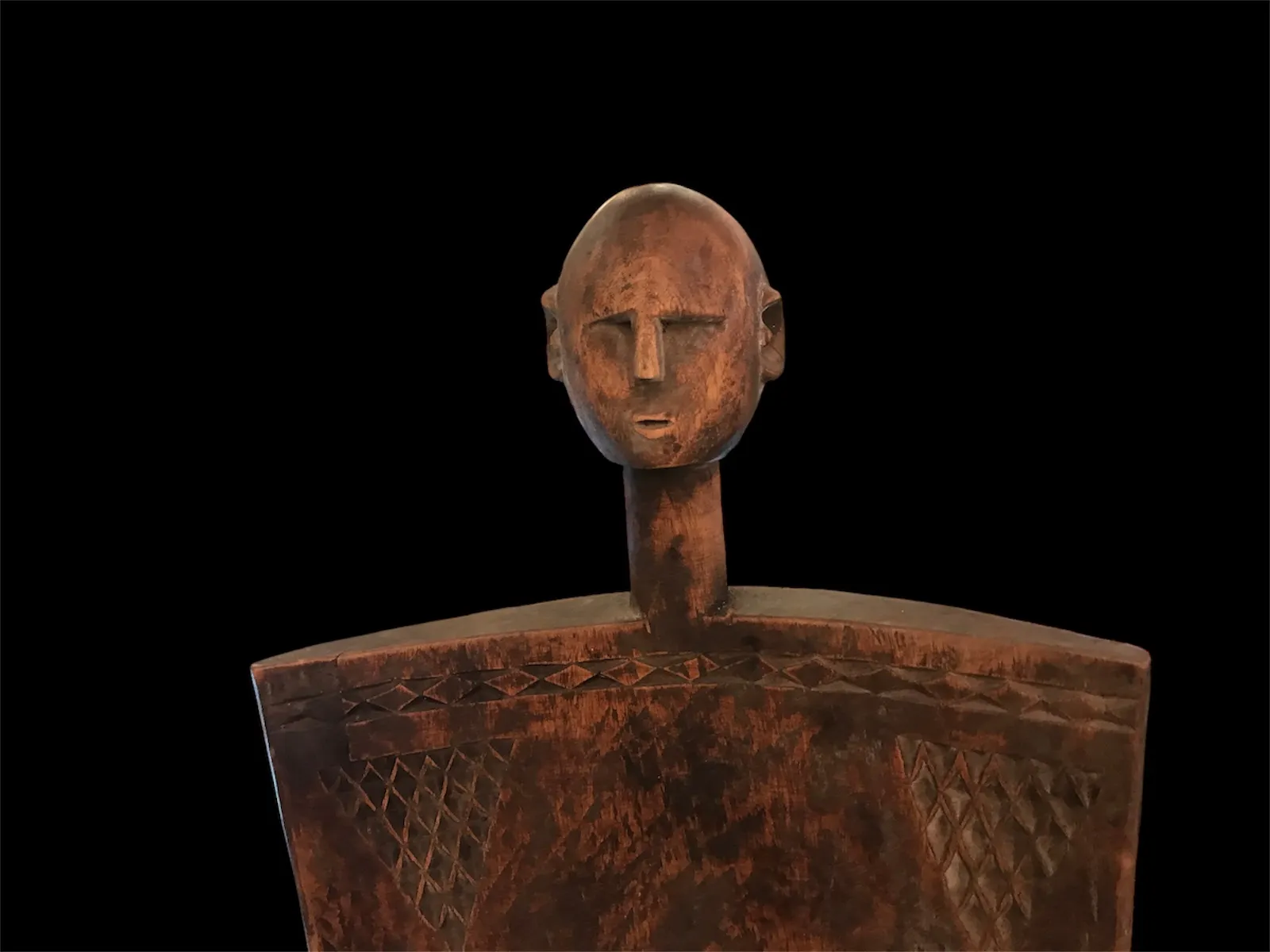
two antique chairs with figure, black background
two antique chairs with ornamental details in a cozy setting
two vintage chairs with tribal features and decorative details
Two antique chairs with tribal design and carved backrest, indoor setting
2 antique chairs with carved backrest and decorative details, tribe hehe
Antique chair with a backrest and figure on top, tribal design visible.
two antique chairs with distinctive design in a decorative setting
Two antique chairs with tribal design featuring a high back and male figure against a backdrop of colorful decorative items.
antique chairs with sculptural design tribe hehe, cozy setting
Two antique chairs with tribal design in a cozy setting.
featured image of ancient 2 chairs tribe hehe in a warm setting
two antique chairs with figure, black background
two antique chairs with ornamental details in a cozy setting
Measure +
High Backrest144 cm / 56.69 in
High of Seat45 cm / 17.72 in
Width44 cm / 17.32 in
Depth52 cm / 20.47 in
Material Carved Wood
Store Balcarce 1084
Designer / Information +

Hehe tribe chair

The Hehe are an ethnic and linguistic group primarily residing in the Iringa region of south-central Tanzania. They speak a Bantu language also known as Hehe.


  1. The Hehe are historically renowned for their strong military tradition and fierce resistance against German colonial rule in the late 19th century.


  1. These chairs are everyday objects. They are characterized by their tall legs, which were later shortened in subsequent periods.


  1. They served as the thrones for tribal leaders and were used for court and initiation ceremonies.


  1. They share their form with the neighboring Zoromo Nyamwezi.


  1. Normally, these chairs were burned when the owner died, making it rare to find them today.