Home / Products / chairs - armchairs- stools / dining table chairs←Back

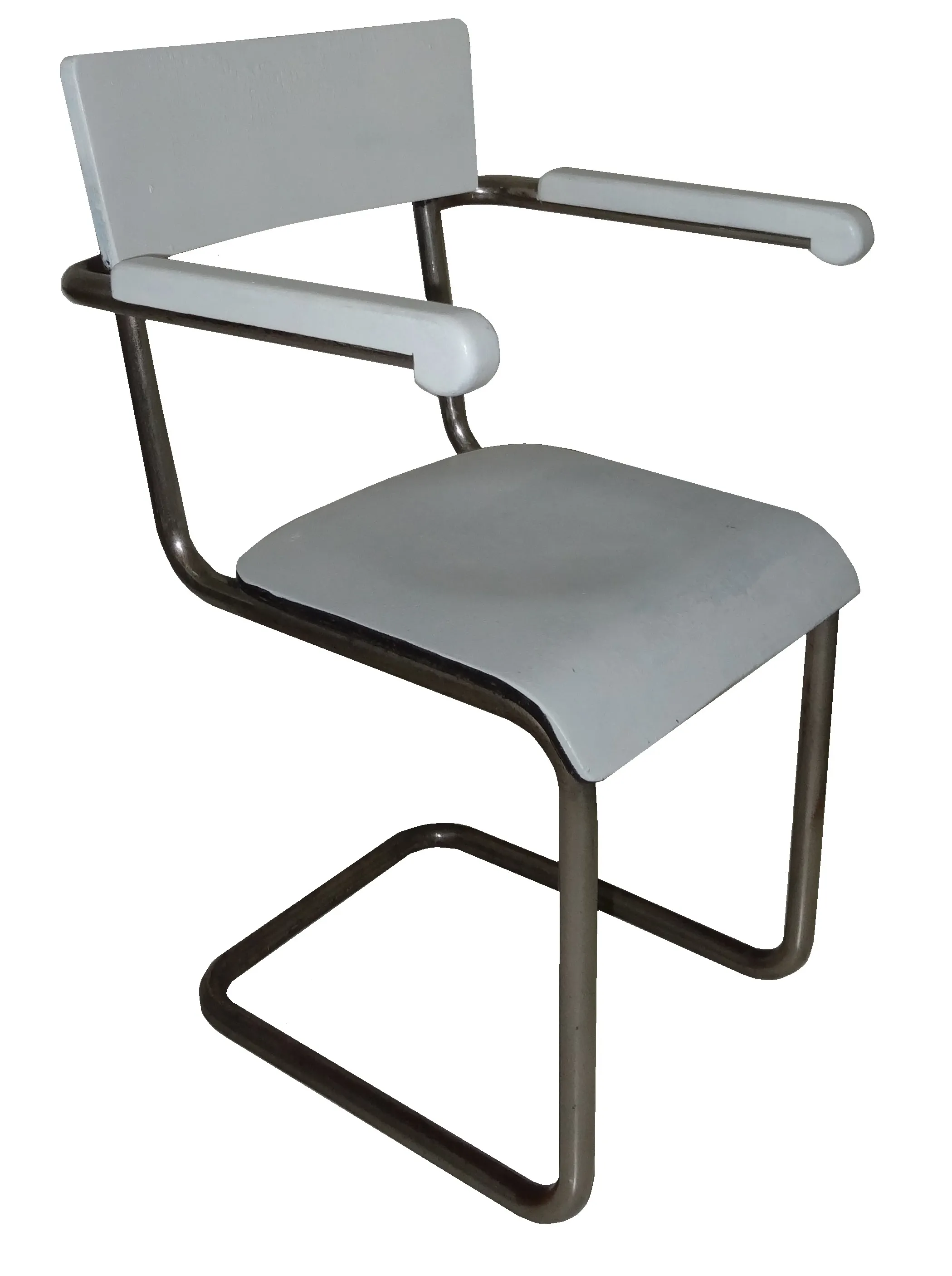
4 Armchairs (To restore)

F-TO-1044
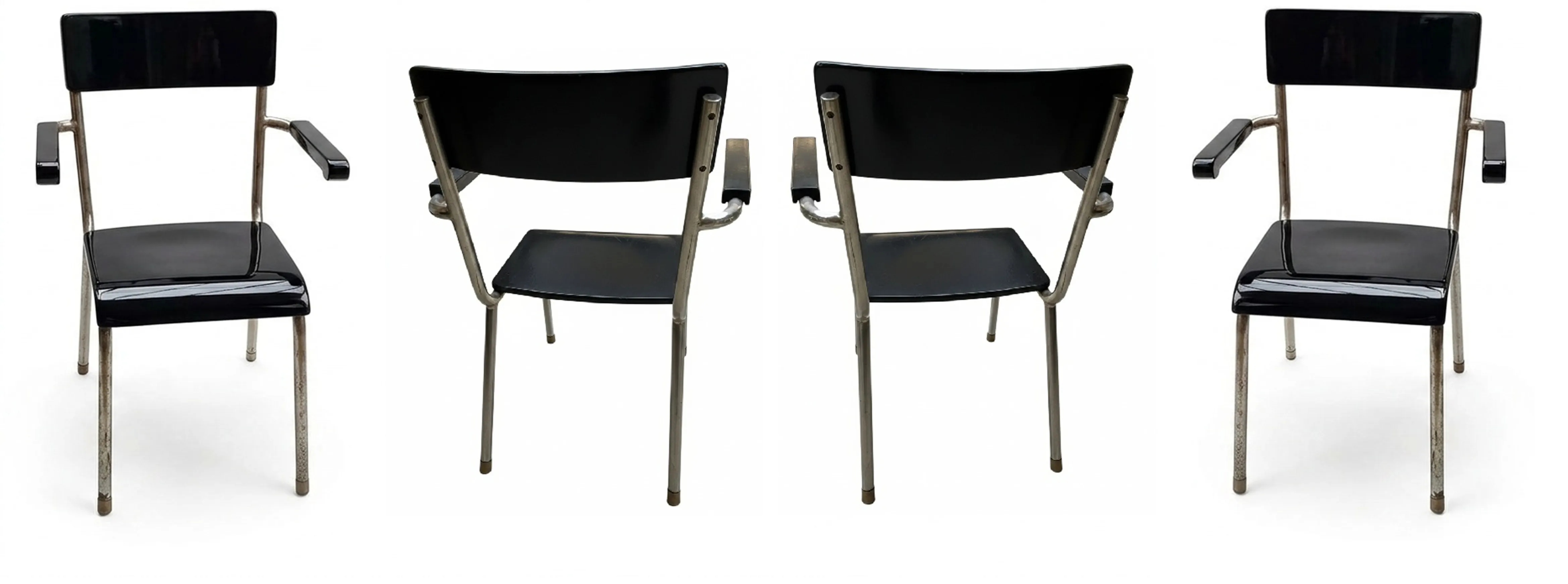
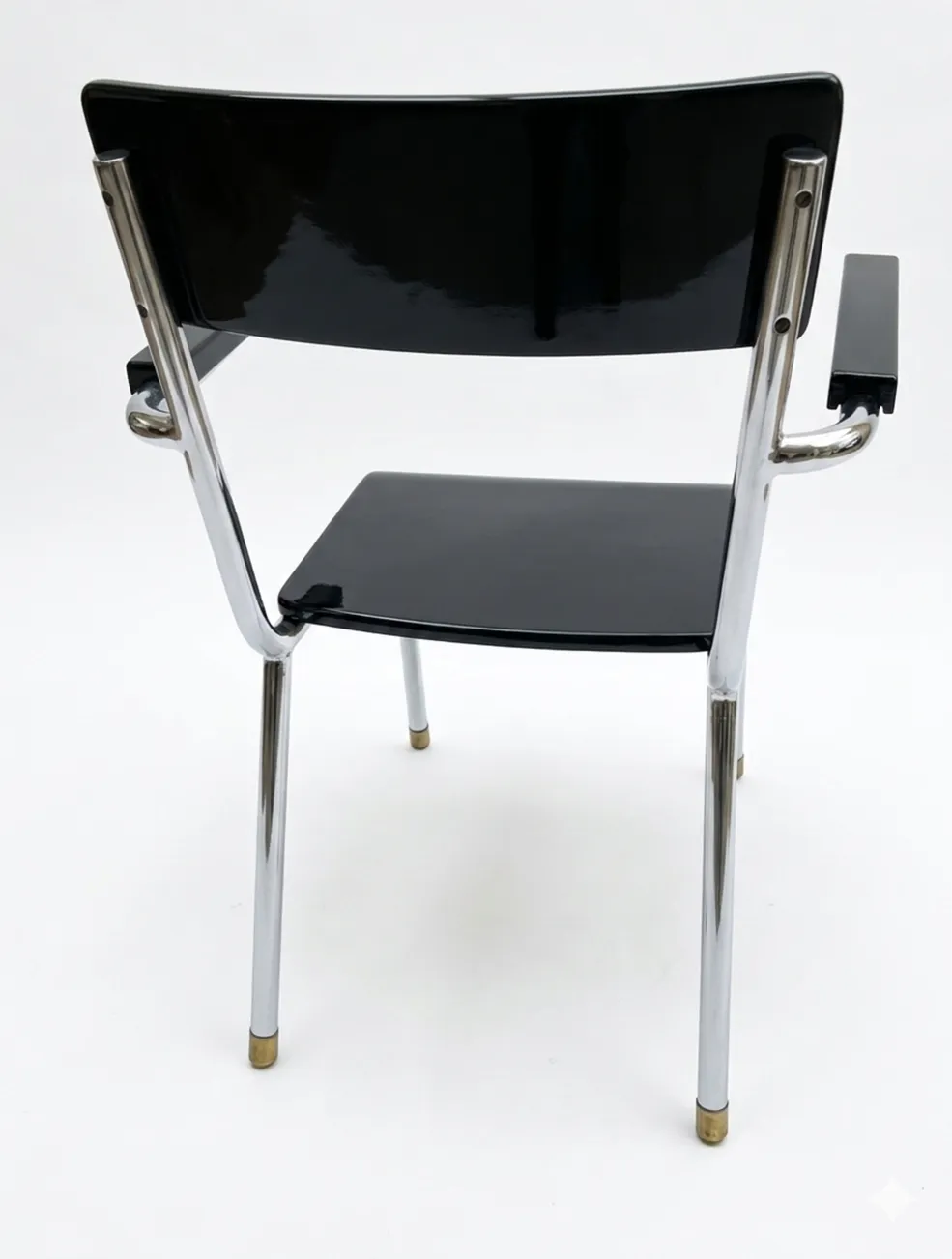
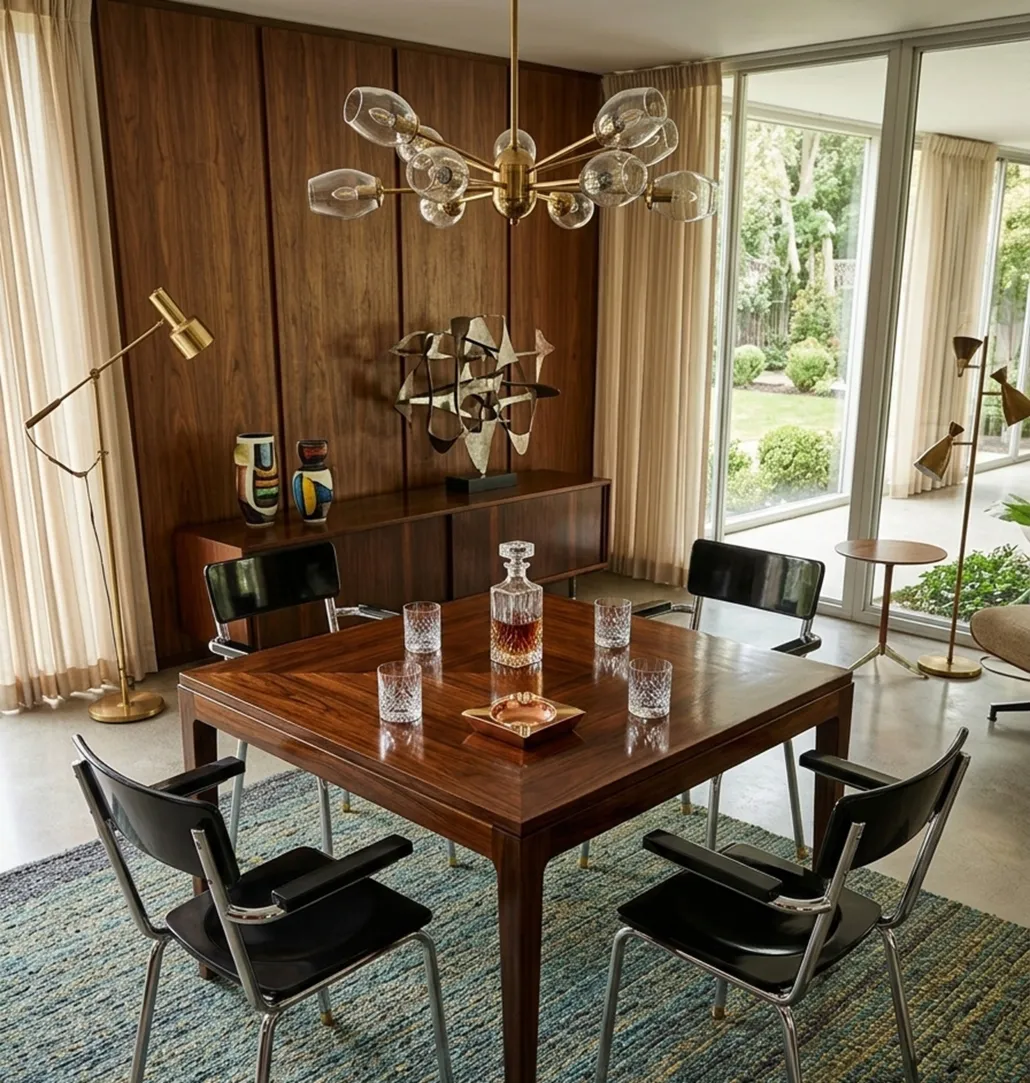
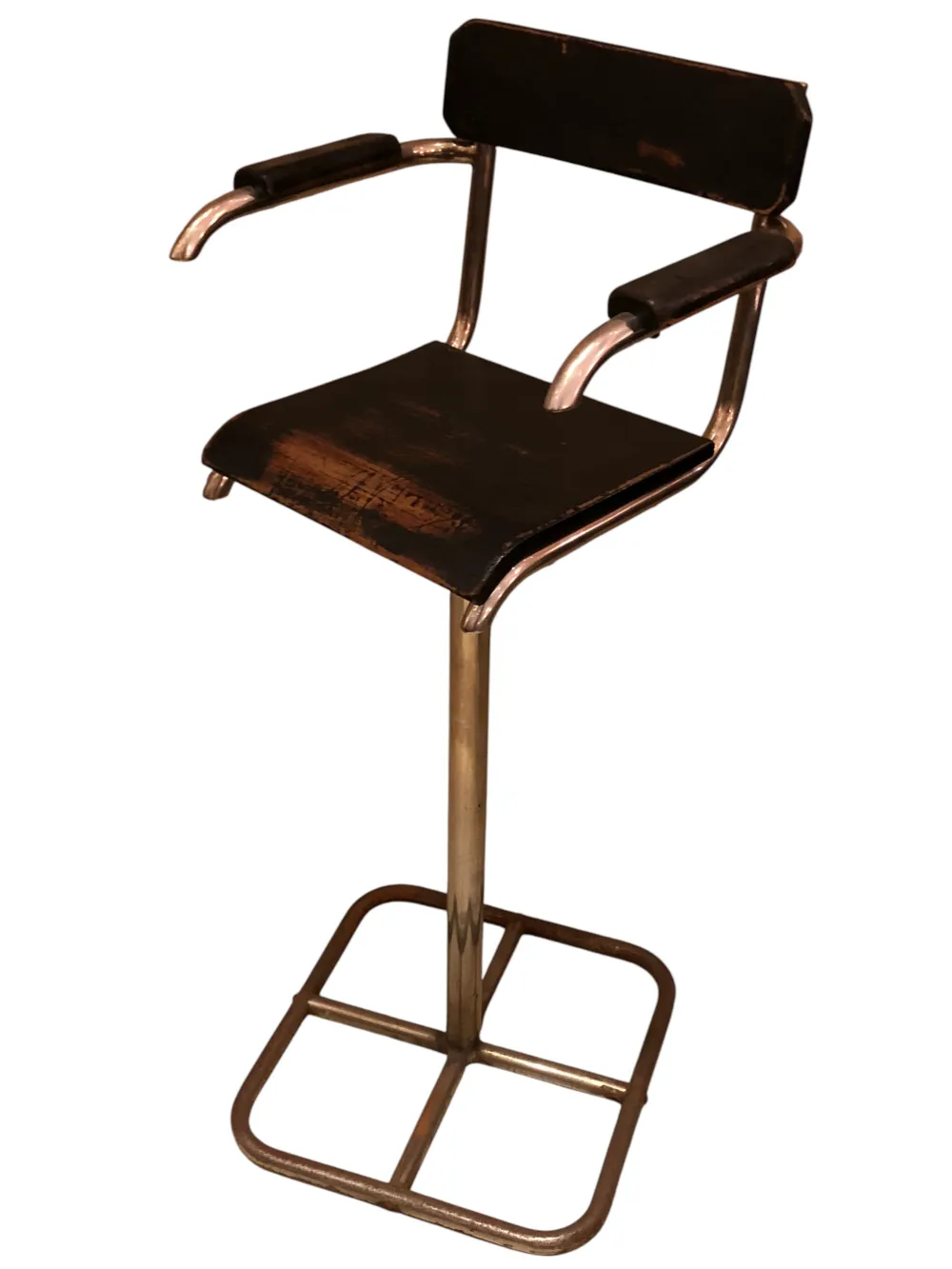
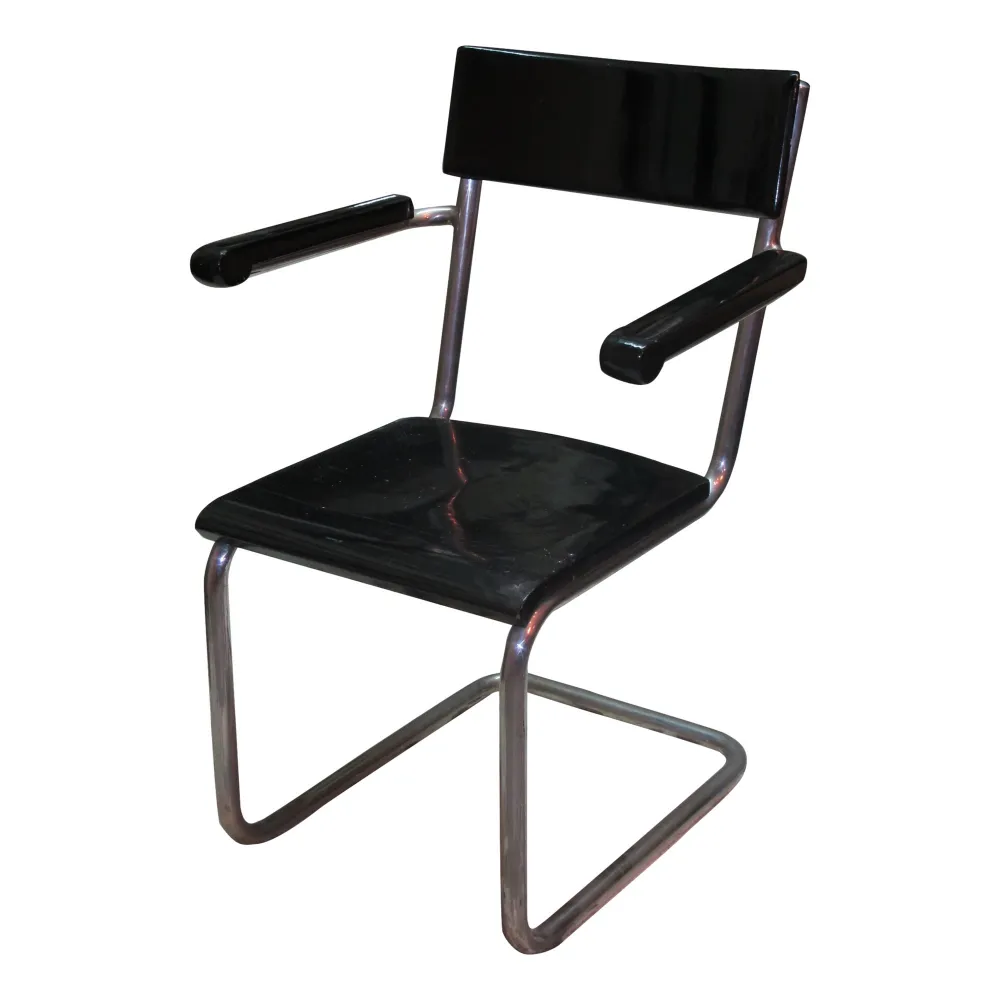
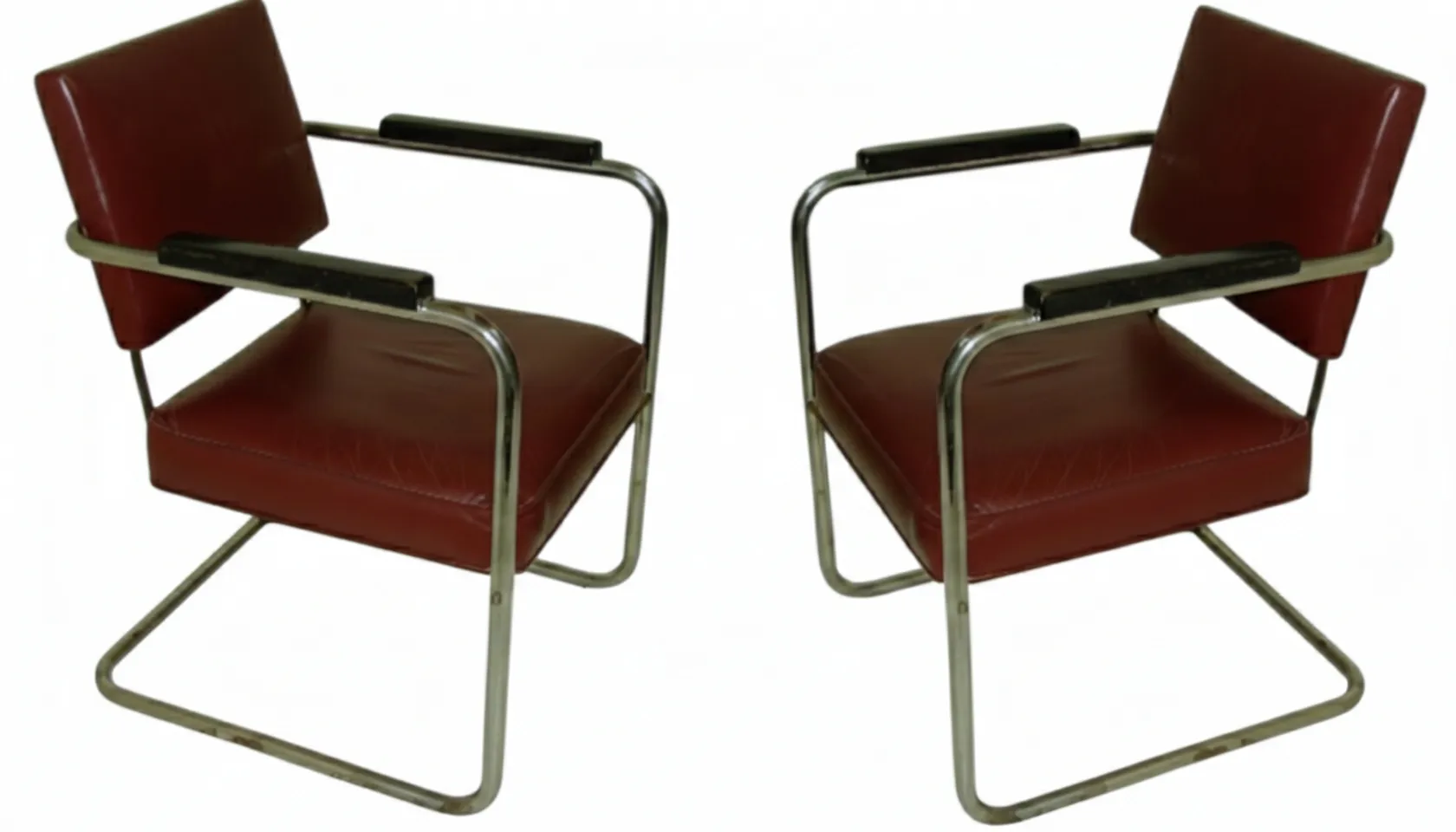
Four vintage bauhaus chairs, classic design, antique style.
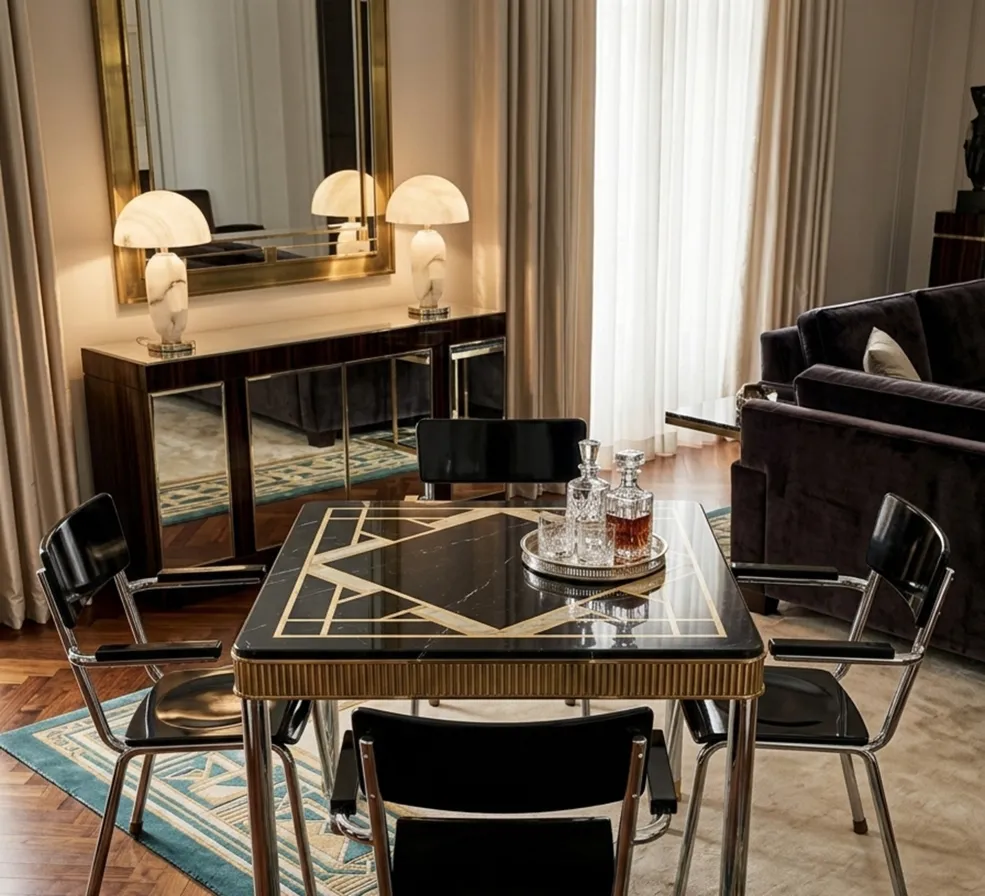
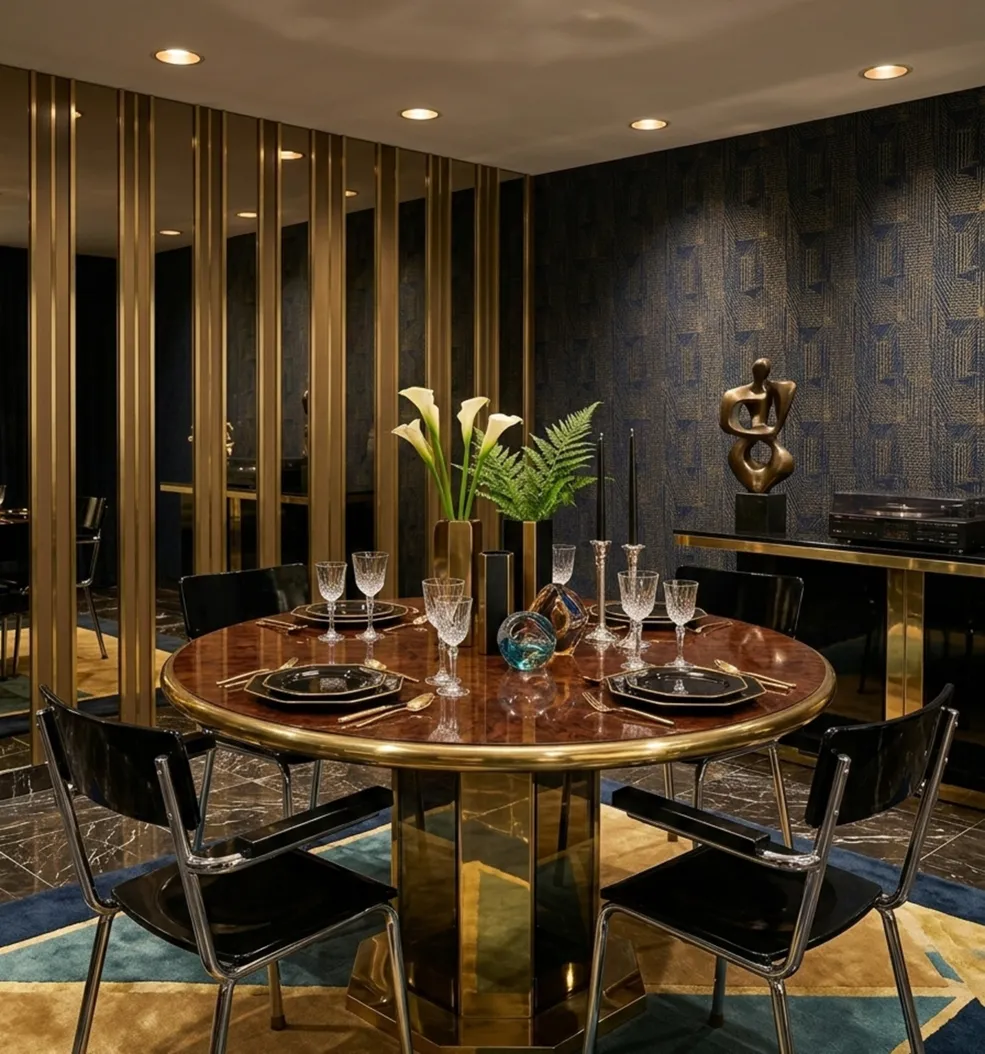
Four antique chairs Bauhaus style in a modern setting.
four antique bauhaus style chairs in a luxurious setting
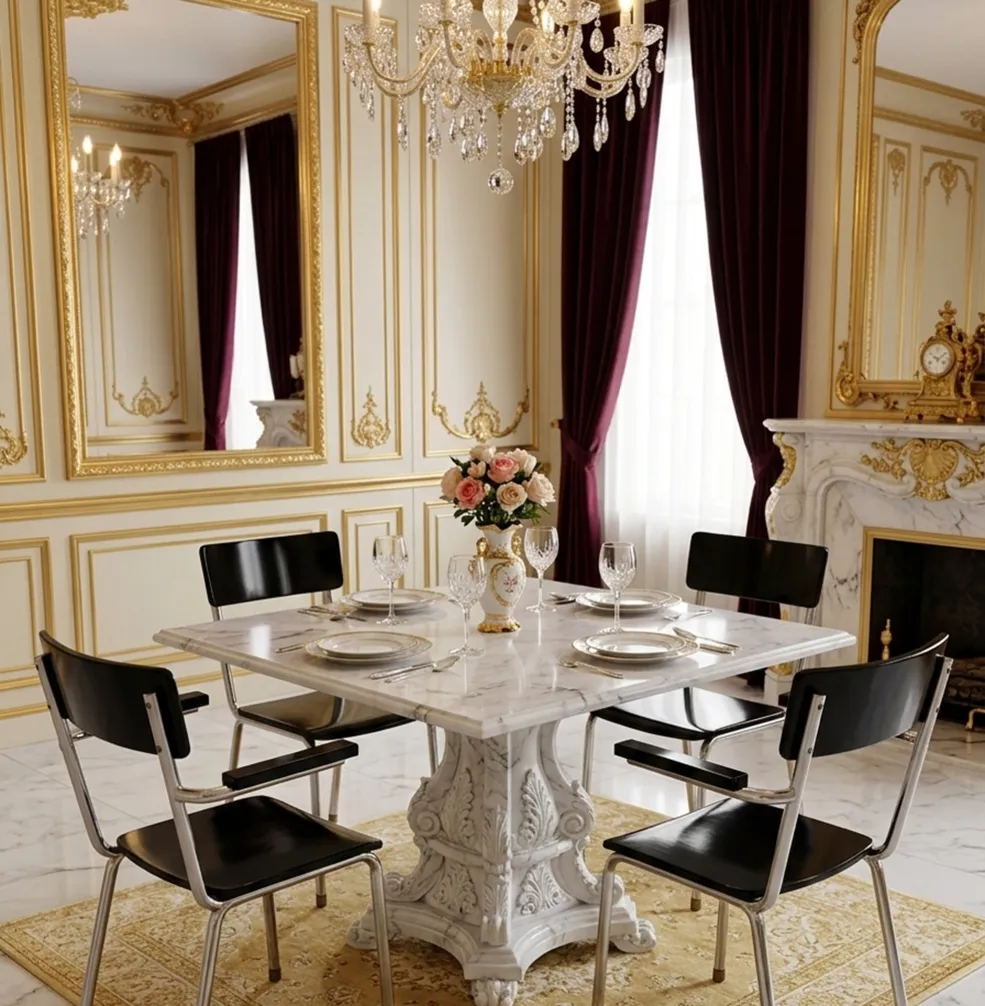
Set of 4 antique bauhaus chairs around an elegant table
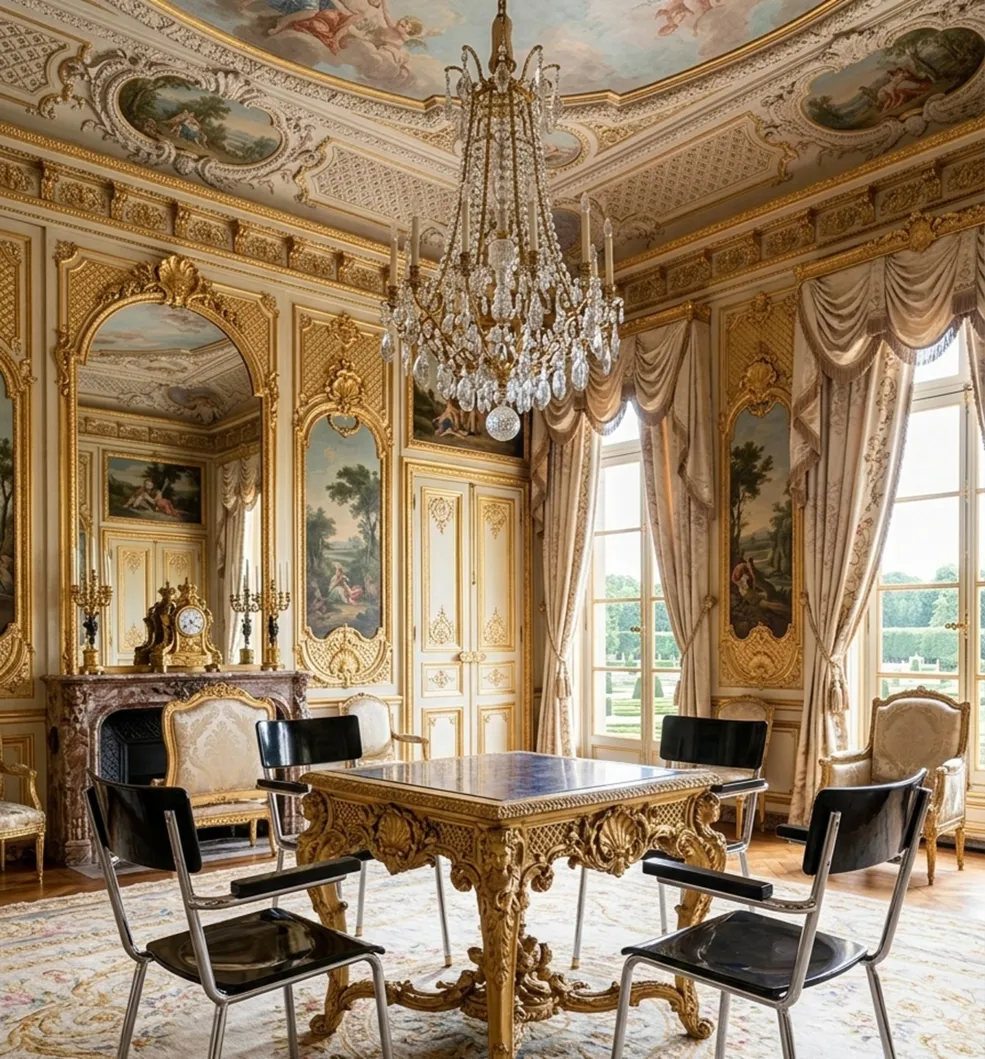
Four antique chairs in an elegant dining space with decor
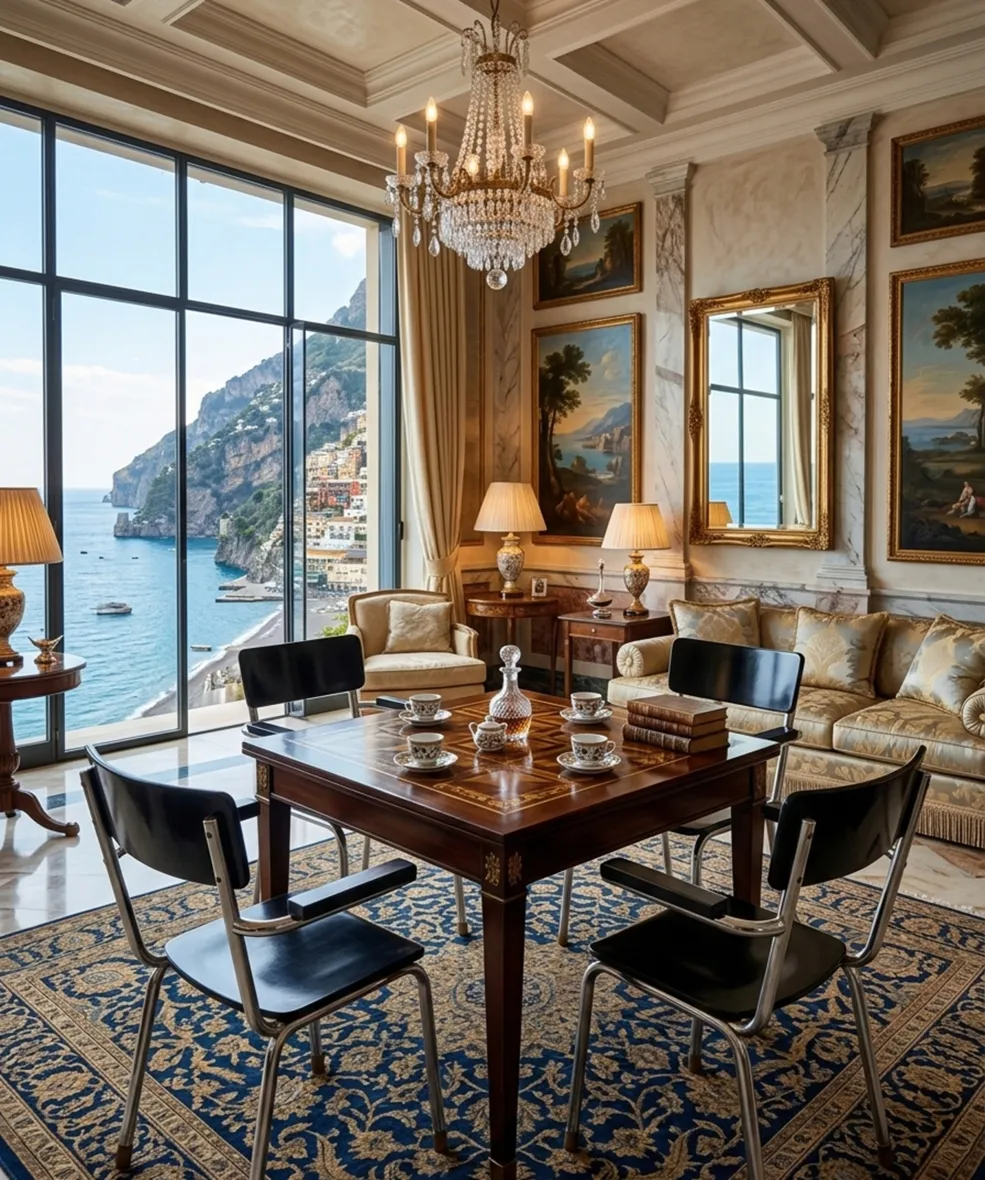
4 antique bauhaus chairs in an elegant space with sea view
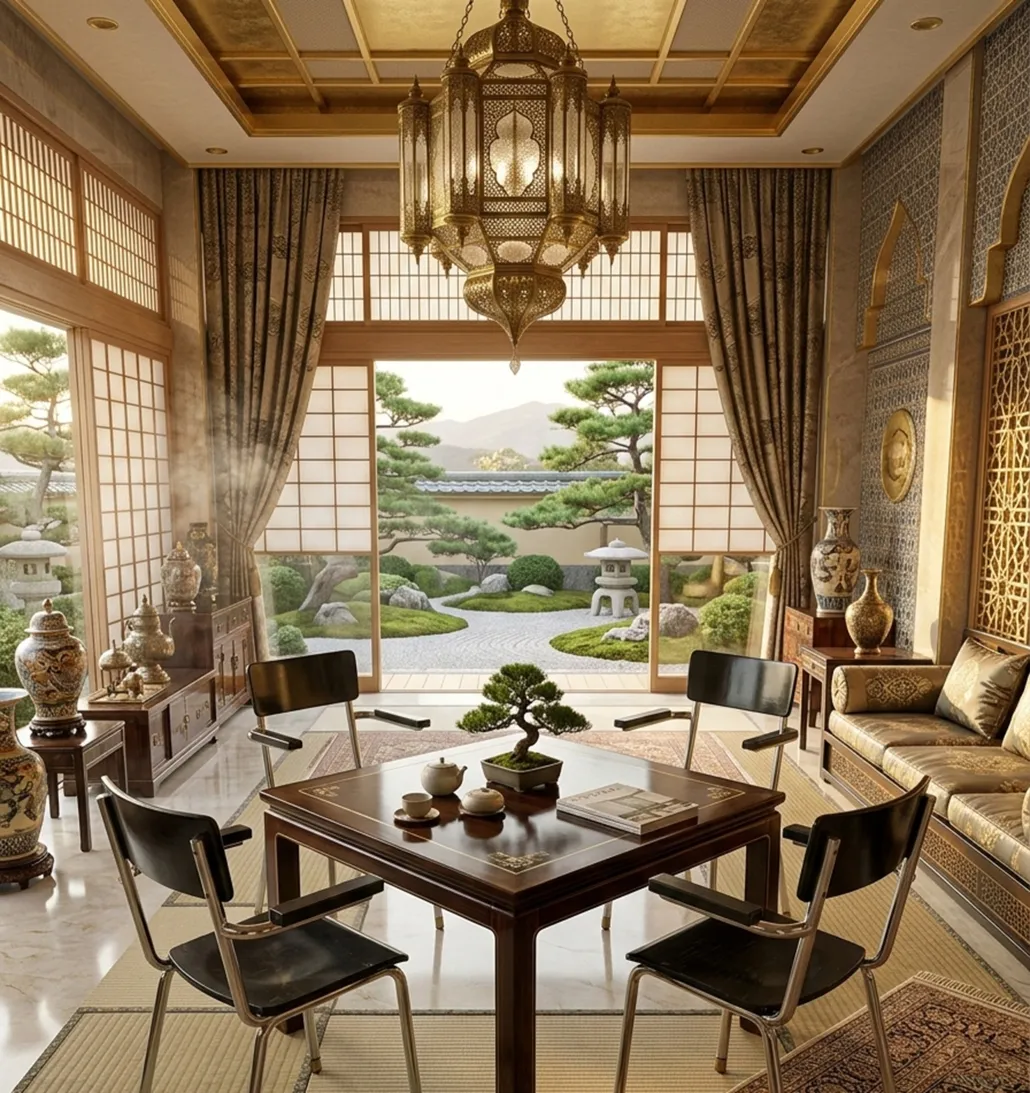
Four antique chairs in an elegant room with a Japanese garden
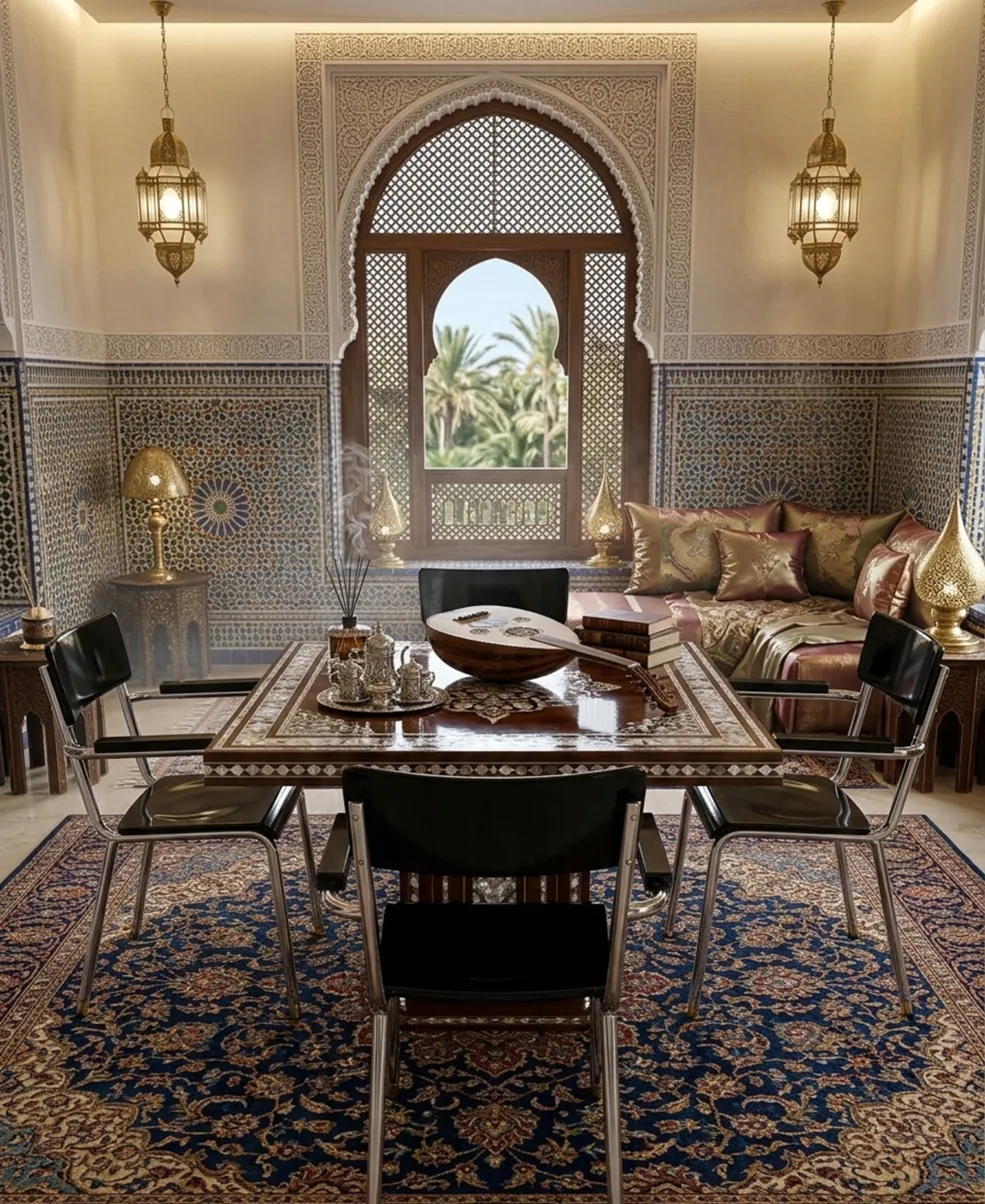
Four antique Bauhaus chairs in an elegantly decorated room
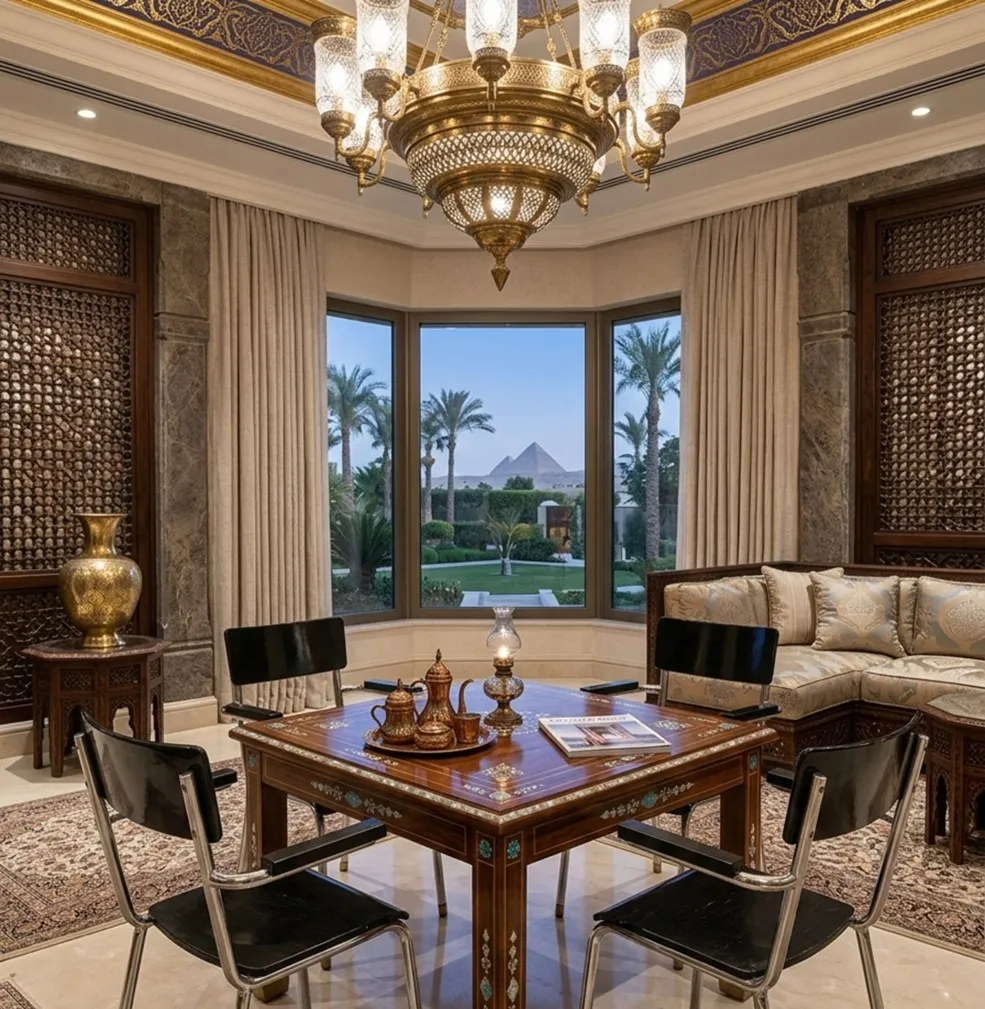
Four antique bauhaus chairs in an elegant room with large windows
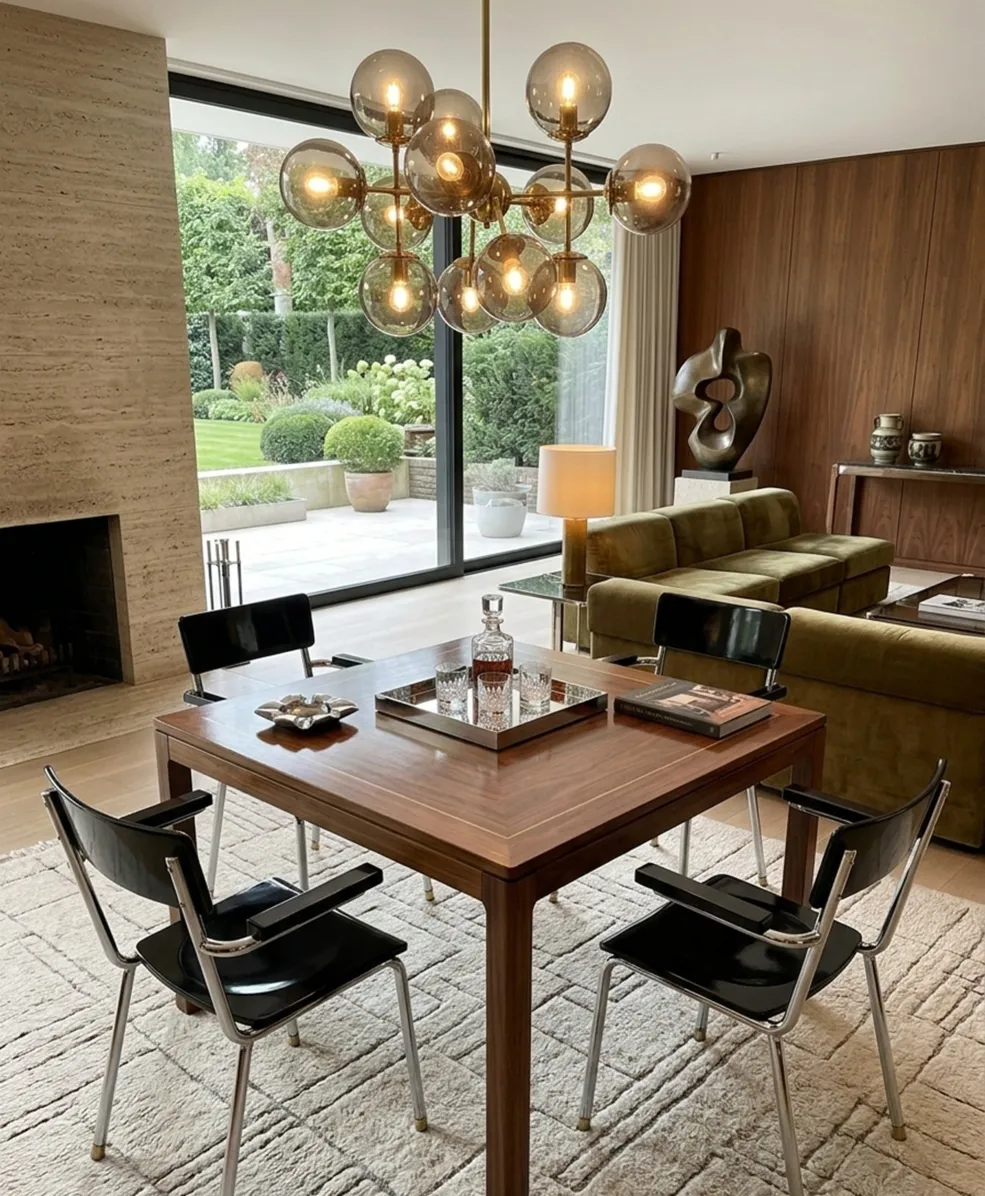
Four antique bauhaus chairs in a modern interior
4 antique bauhaus chairs in a modern room
Four vintage bauhaus chairs, classic design, antique style.
Four antique chairs Bauhaus style in a modern setting.
four antique bauhaus style chairs in a luxurious setting
Set of 4 antique bauhaus chairs around an elegant table
Four antique chairs in an elegant dining space with decor
4 antique bauhaus chairs in an elegant space with sea view
Four antique chairs in an elegant room with a Japanese garden
Four antique Bauhaus chairs in an elegantly decorated room
Four antique bauhaus chairs in an elegant room with large windows
Four antique bauhaus chairs in a modern interior
4 antique bauhaus chairs in a modern room
Measure +
High Backrest83 cm / 32.68 in
High of Seat41 cm / 16.14 in
Width40 cm / 15.75 in
Depth56 cm / 22.05 in
Material French Polish, Wood
Country Germany
Store Balcarce 1084
Style / Information +

Bauhaus School

The Bauhaus was the school of design, art and architecture founded in 1919 by Walter Gropius in Weimar (Germany) and closed by the Prussian authorities (in the hands of the Nazi party) in 1933.

The name Bauhaus derives from the union of the German words Bau, "building," and Haus, "house."


The Bauhaus School" was established in three cities:

• 1919 – 1925: Weimar

• 1925 – 1932: Dessau

• 1932 – 1934: Berlin


The goal of the Bauhaus was:

• The recovery of artisanal methods in construction activity

• The Art, Craft and Industry Unit

• Functional and practical design. The utility and functionality of objects and buildings were prioritized over unnecessary ornamentation. Form had to follow function.


It was managed by three Directors:

• 1919 – 1927: Walter Gropius

• 1927 – 1930: Hannes Meyer

• 1930 – 1933: Ludwig Mies van der Rohe