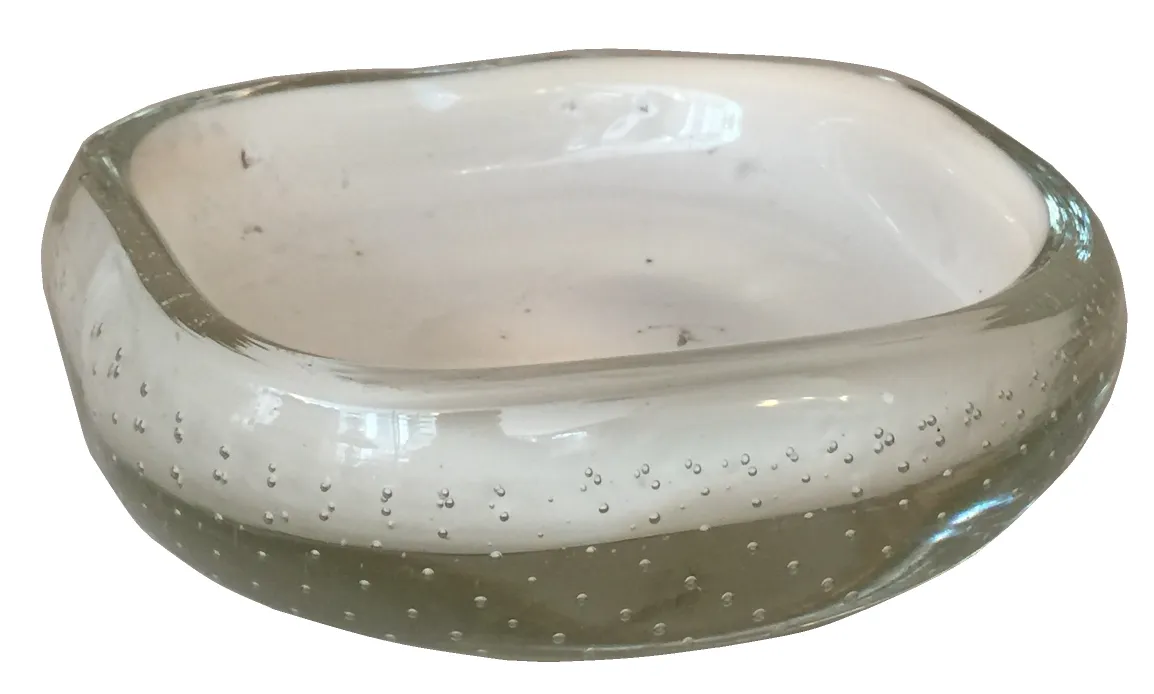
This is a milky white glass whose opacity is due to the presence of microcrystals dispersed in the matrix, which separate when the molten glass cools. These crystals modify the refractive index, thus giving the glass mass a milky appearance.
The microcrystals do not absorb light beams, but rather reflect them, thus determining both the opacity and the white color. In the Murano area, they are composed of calcium and sodium fluorides, and are obtained by adding fluorine compounds, such as cryolite or fluorite, as well as zinc oxide and alumina, to the glass mixture.
The lattimo was introduced in the 16th century for objects decorated with multicolored enamels, especially refined and rare.
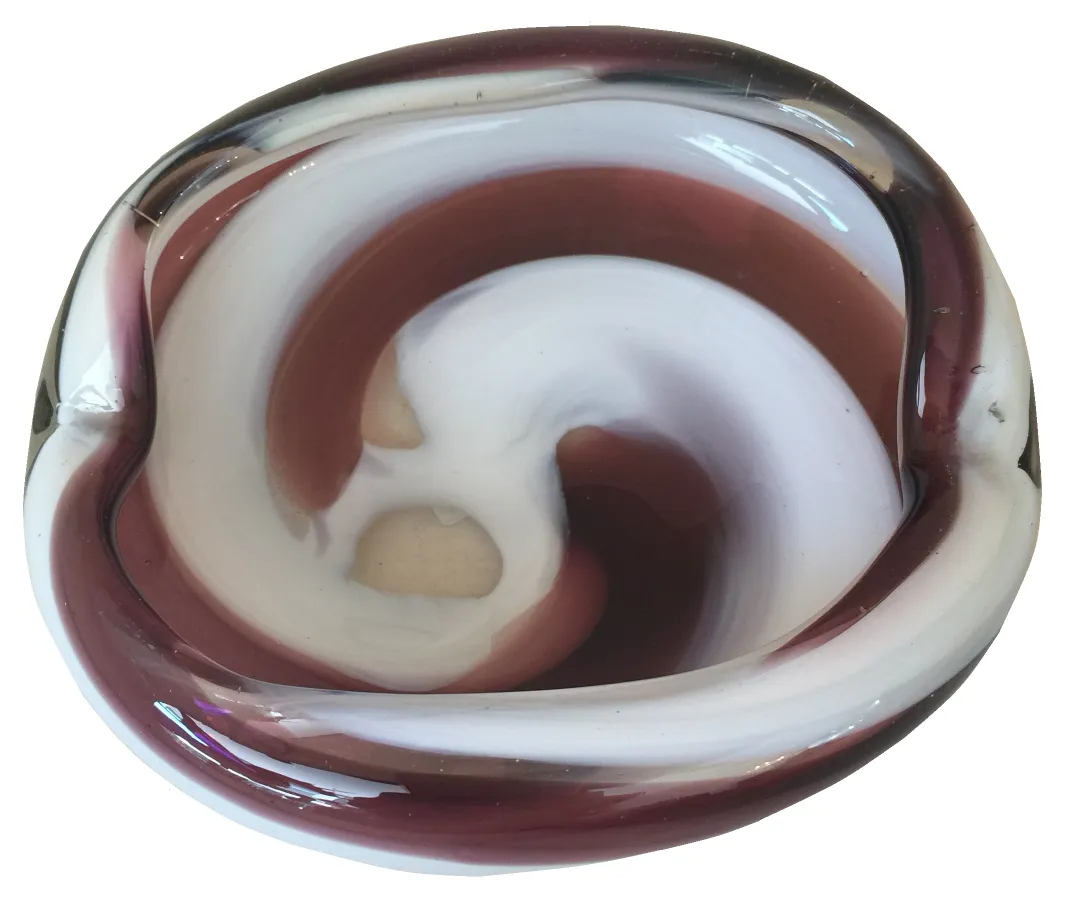
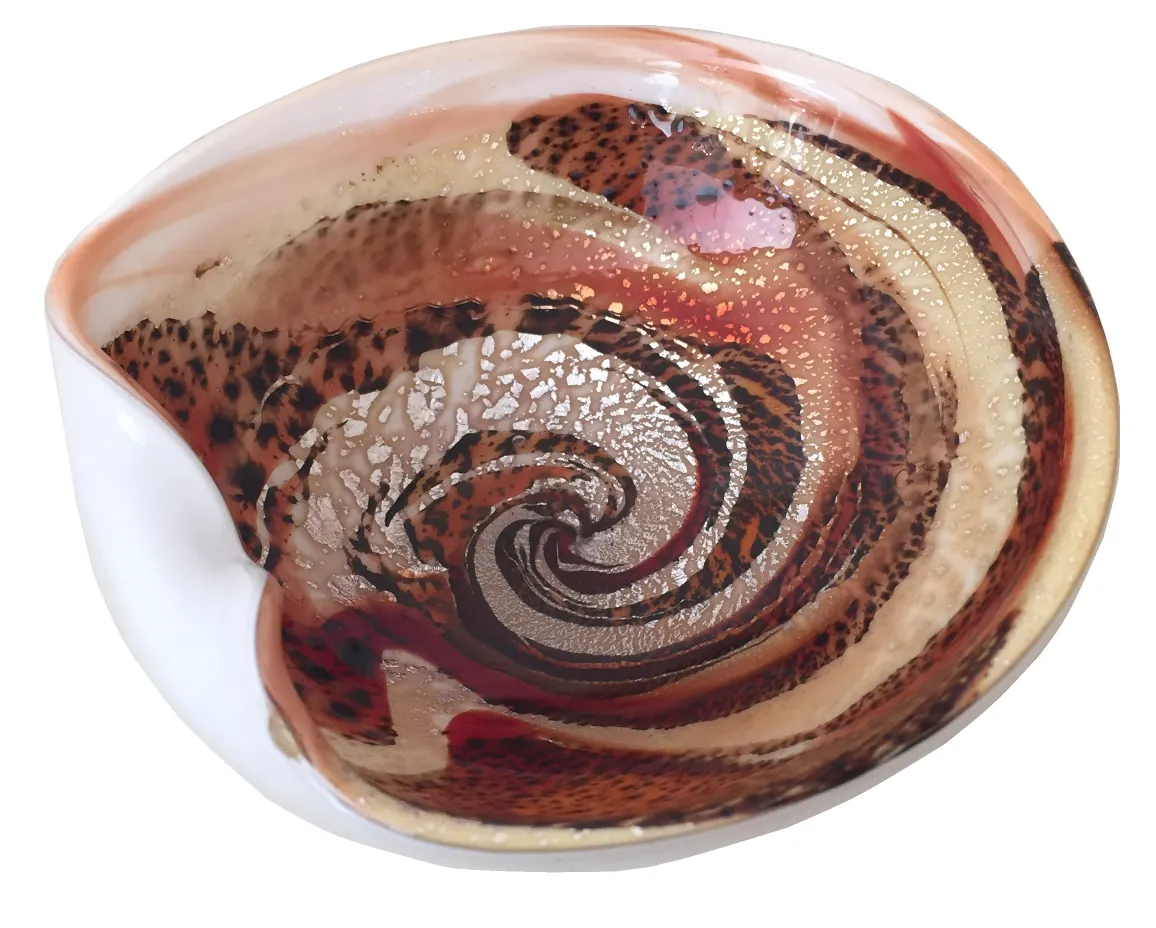
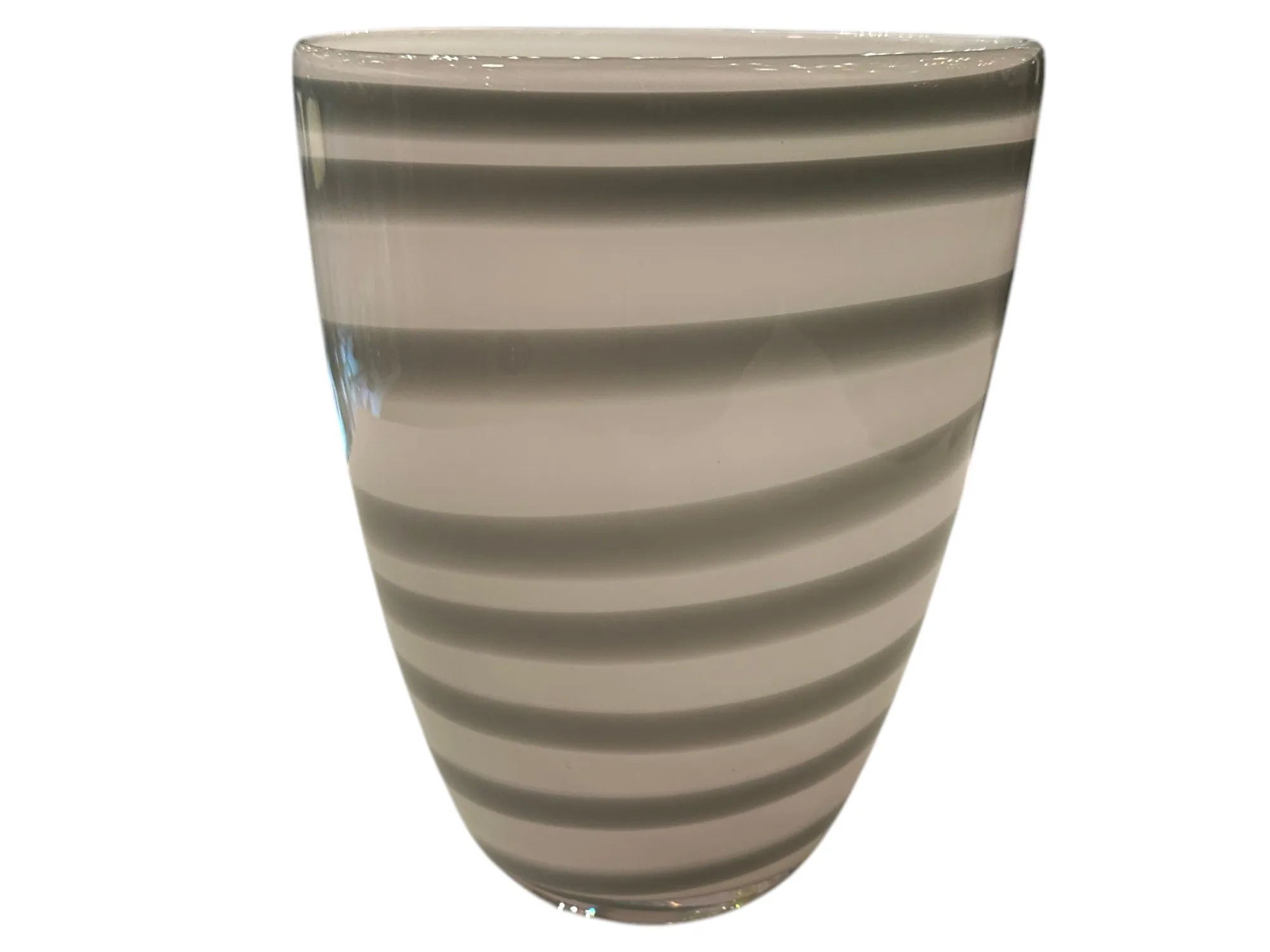
Later, it was used as a complement to other types of processes, such as reticello. It fell out of use in the early 20th century, but resurfaced in the late 1920s thanks to the most important and famous glass factories in Murano, such as Barovier & Toso, Venini & C.and MVM Cappellin & Co. The latter was the first to use it without the addition of other colors for a series of geometric vases displayed at the 1927 International Decorative Arts Exhibition in Monza.
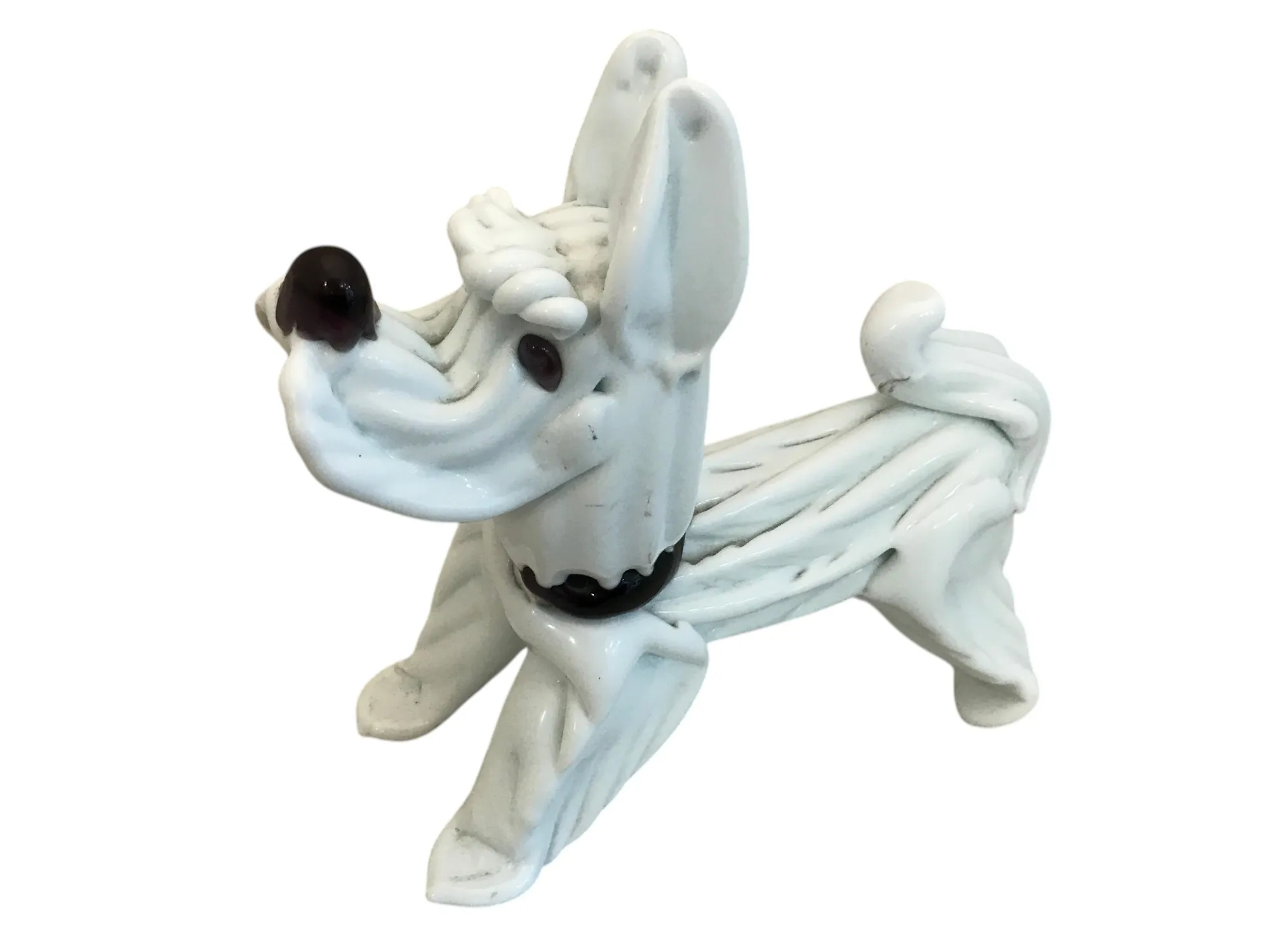
Later, during the 1950s, lattimo glass was adopted by almost all the glass furnaces on the island and achieved excellent results in figures.















 Share