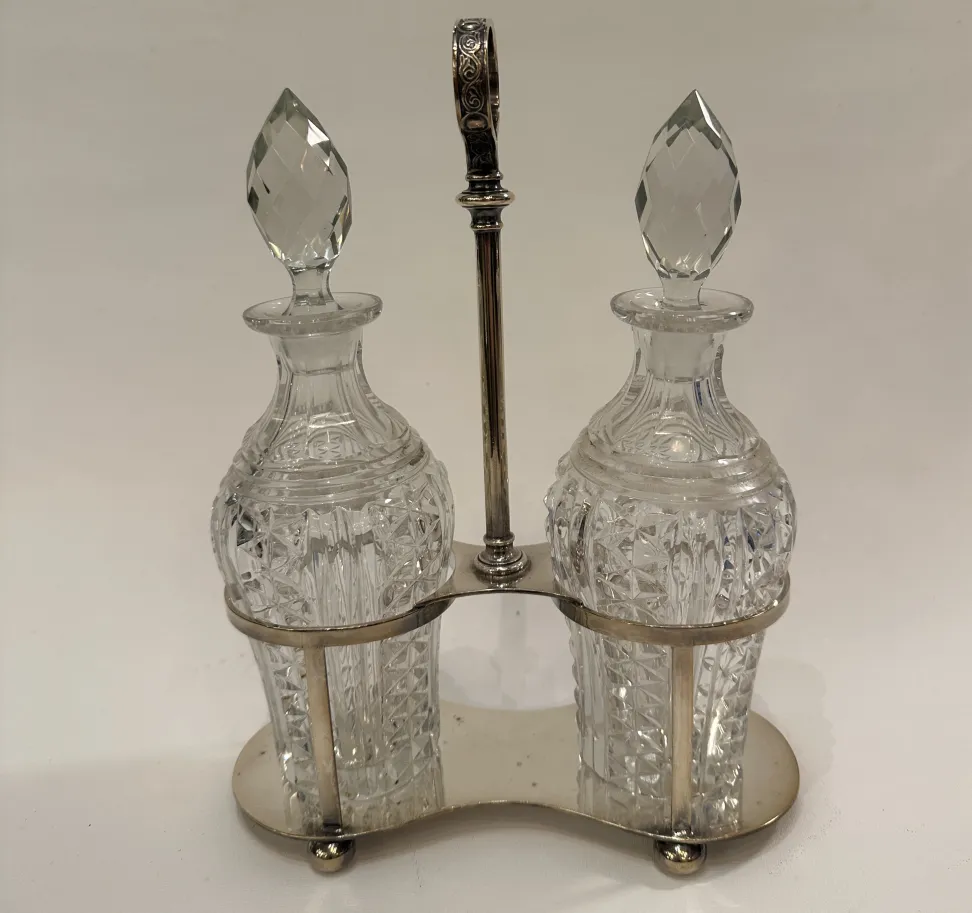
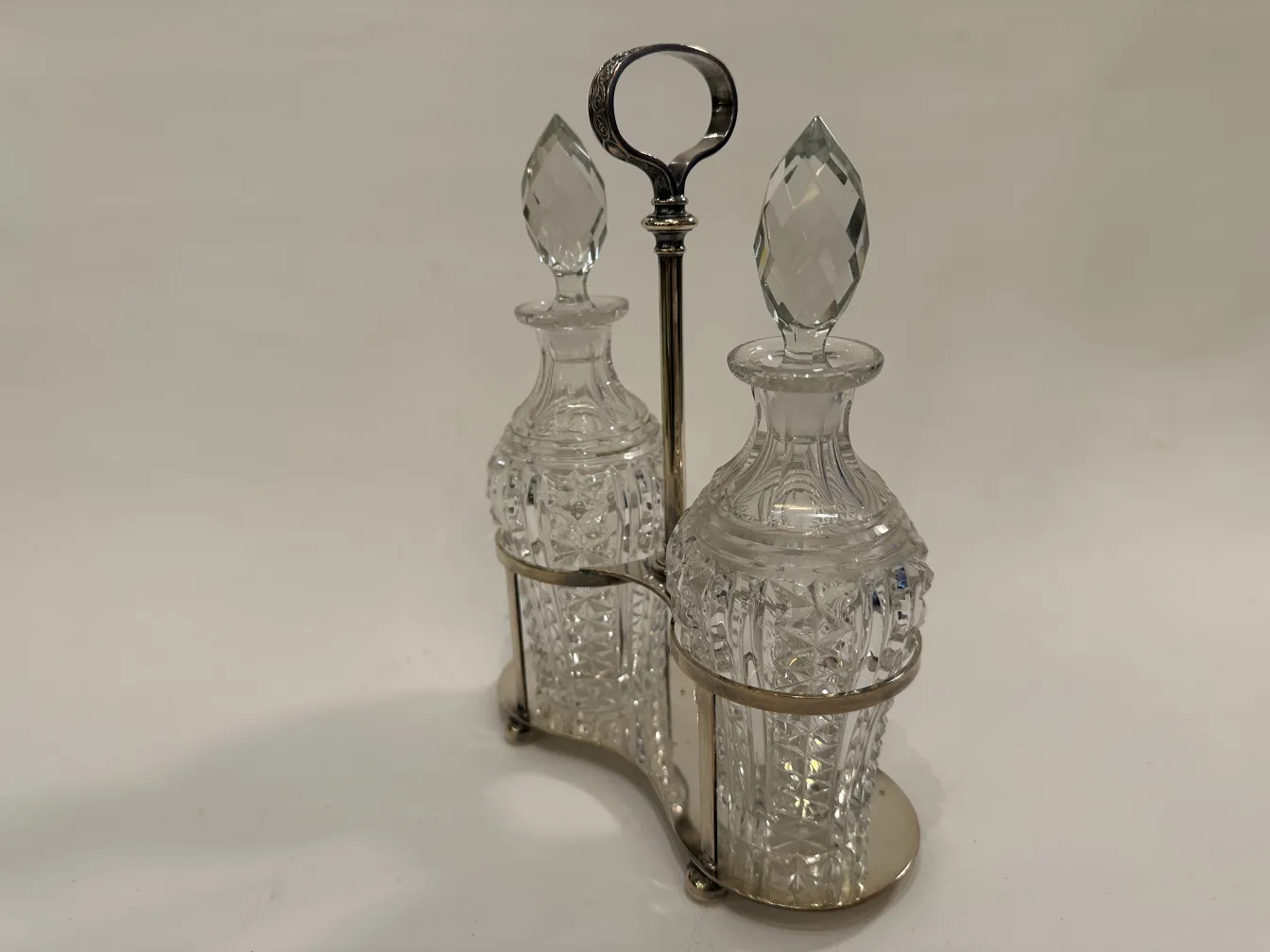
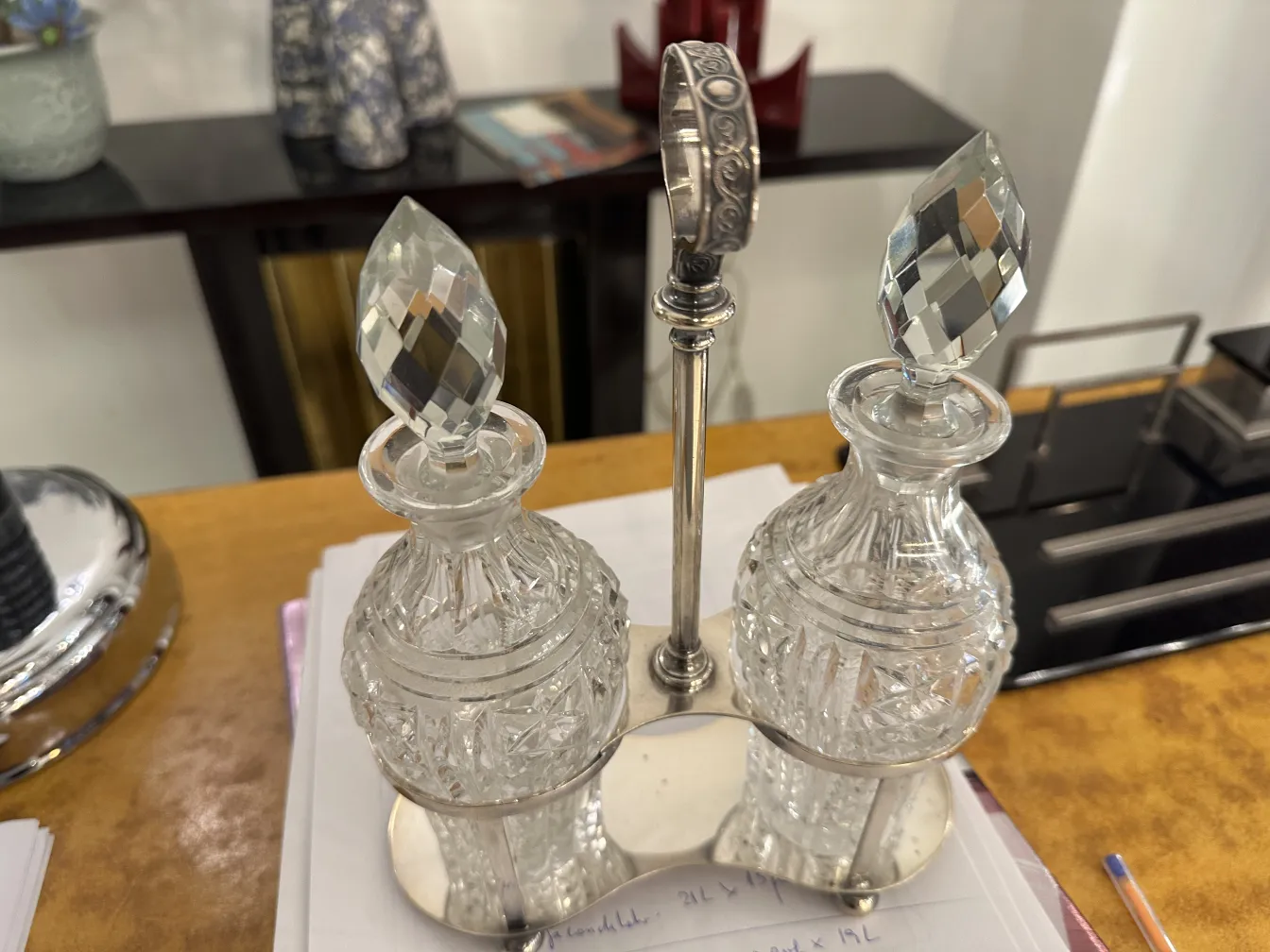
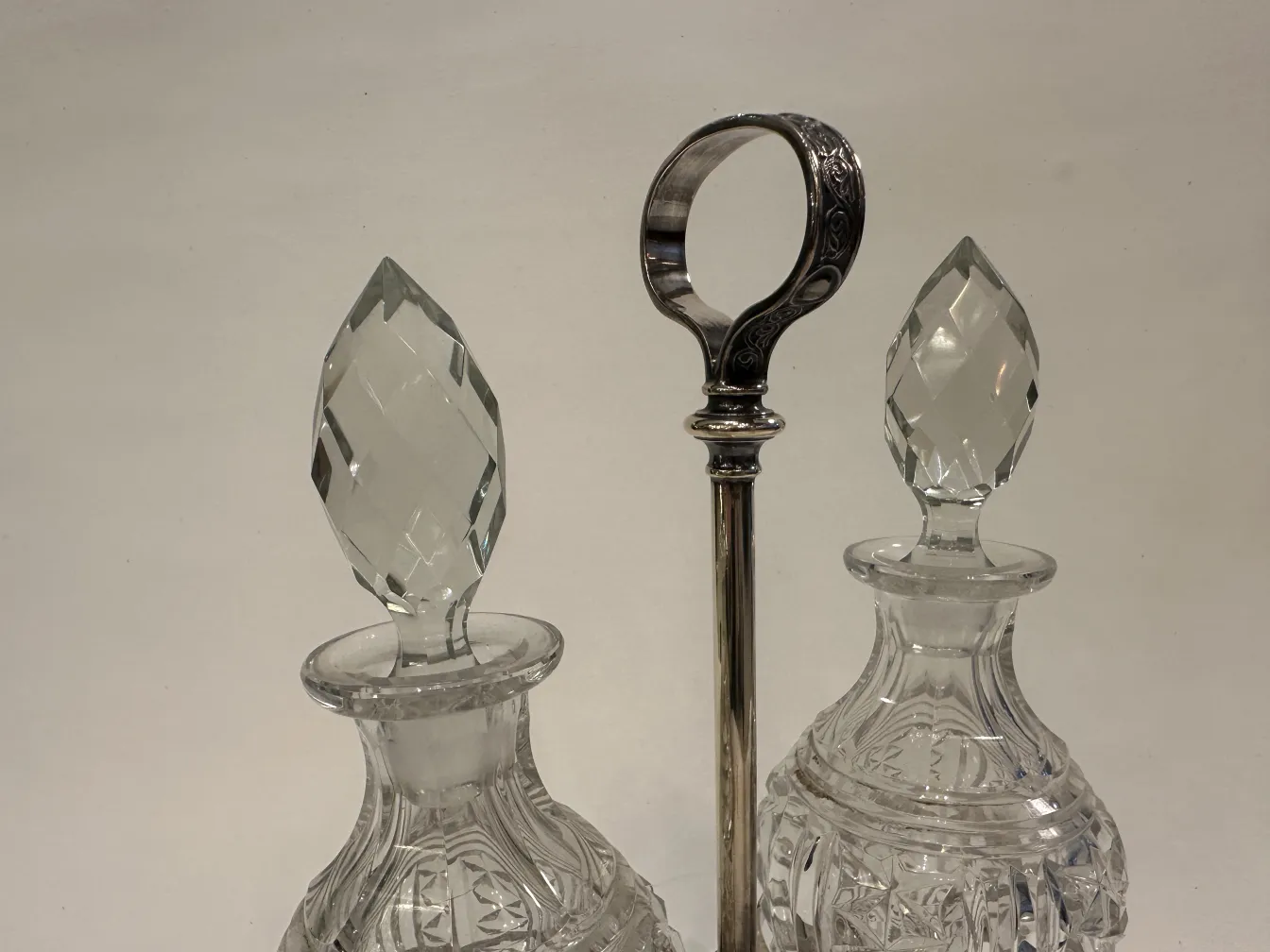
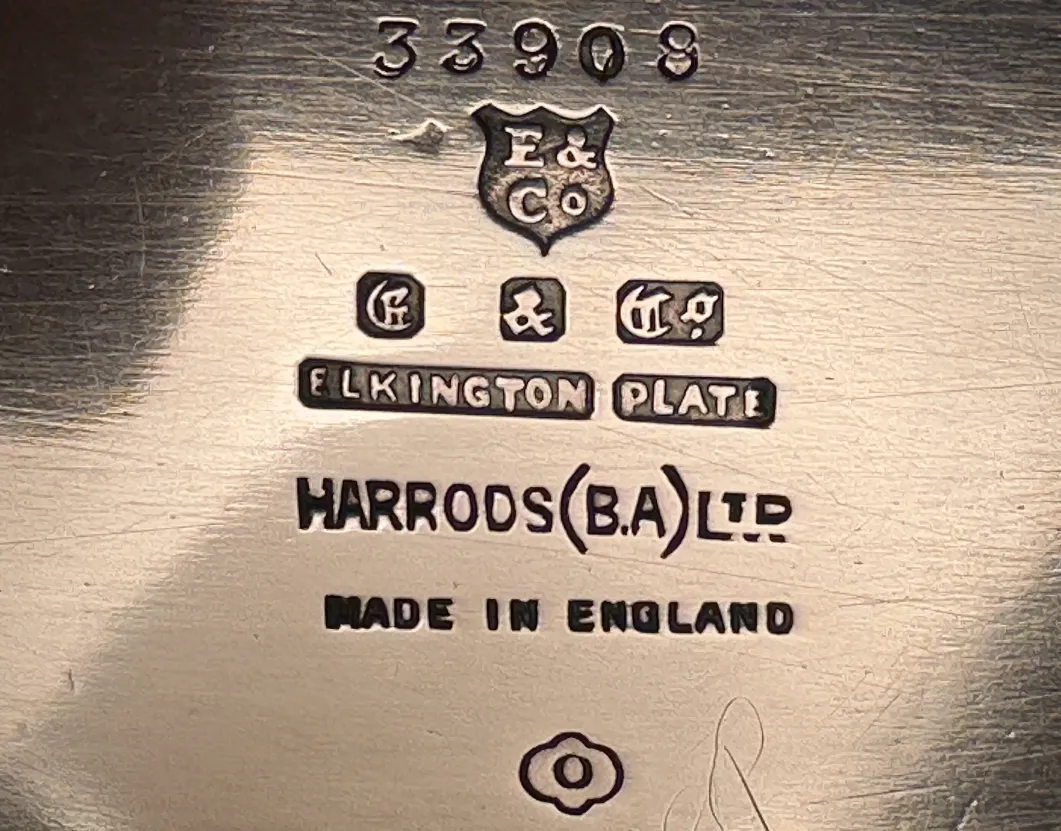
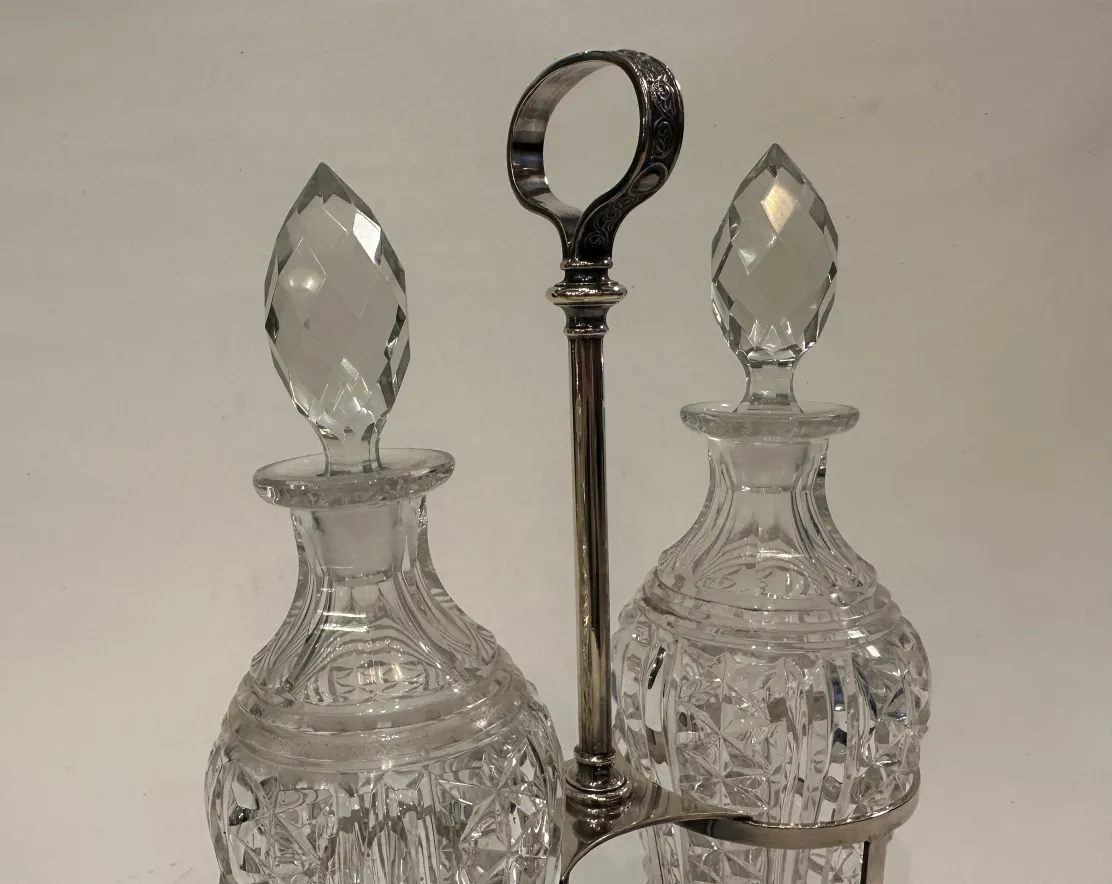
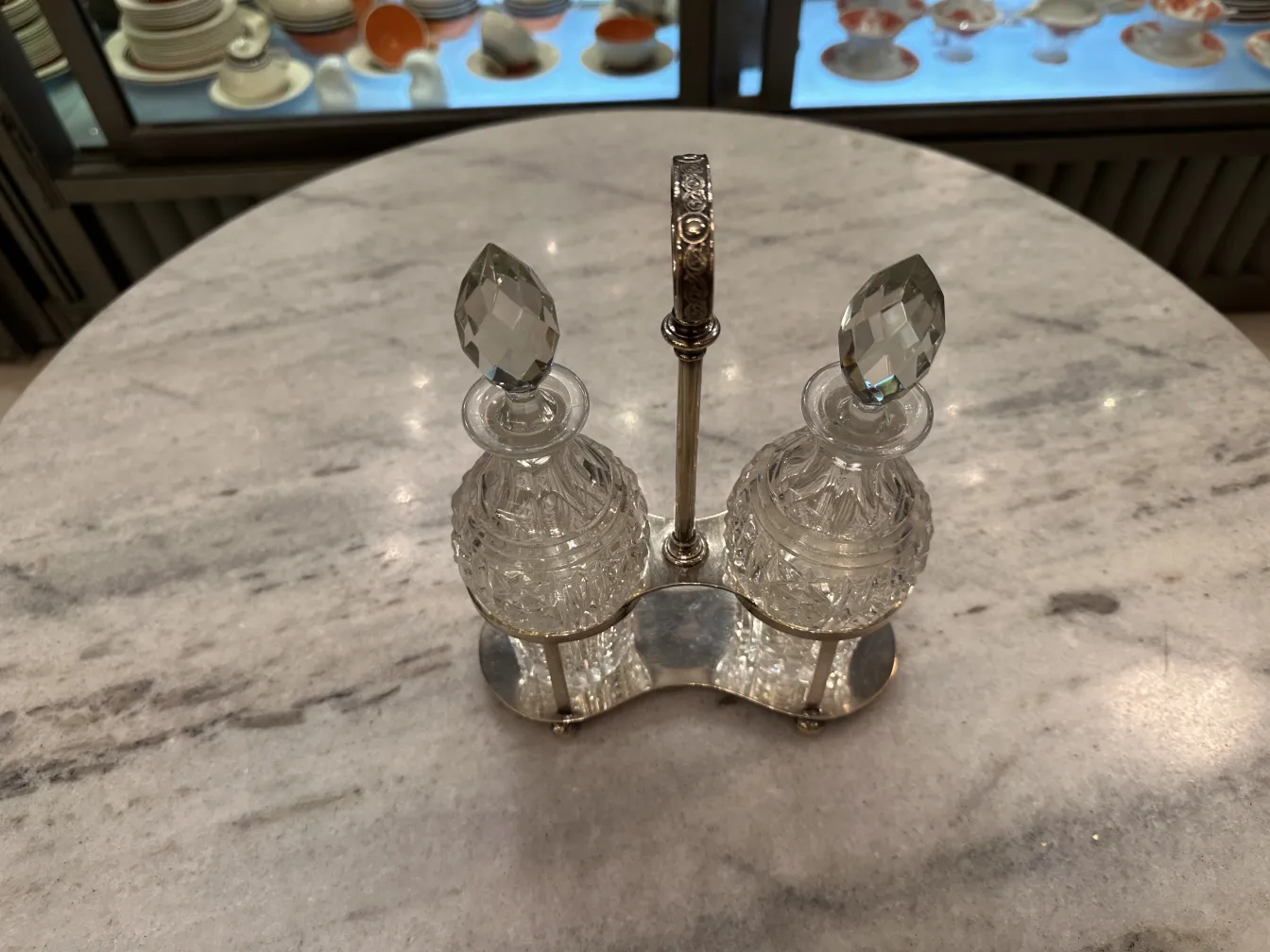
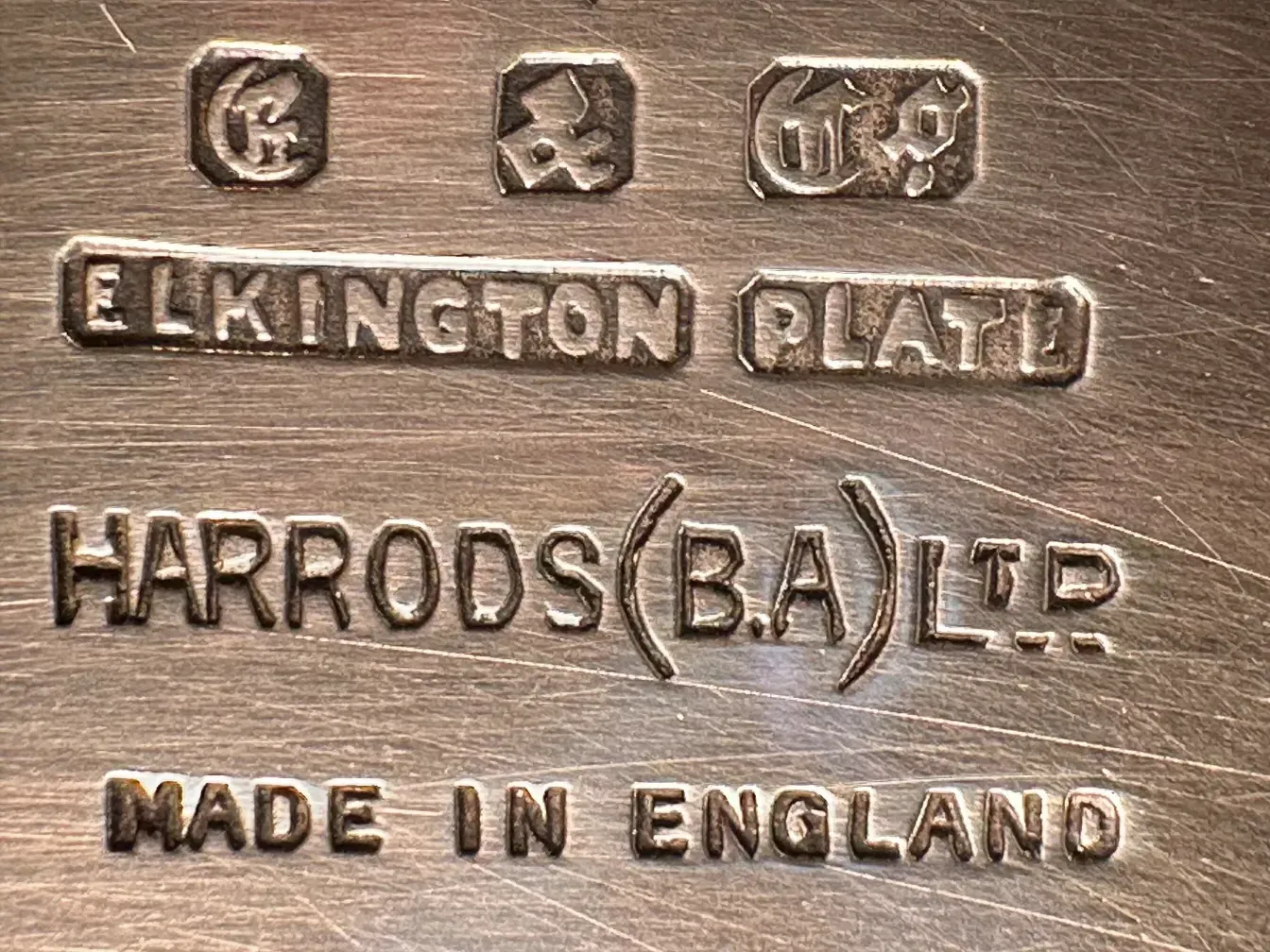
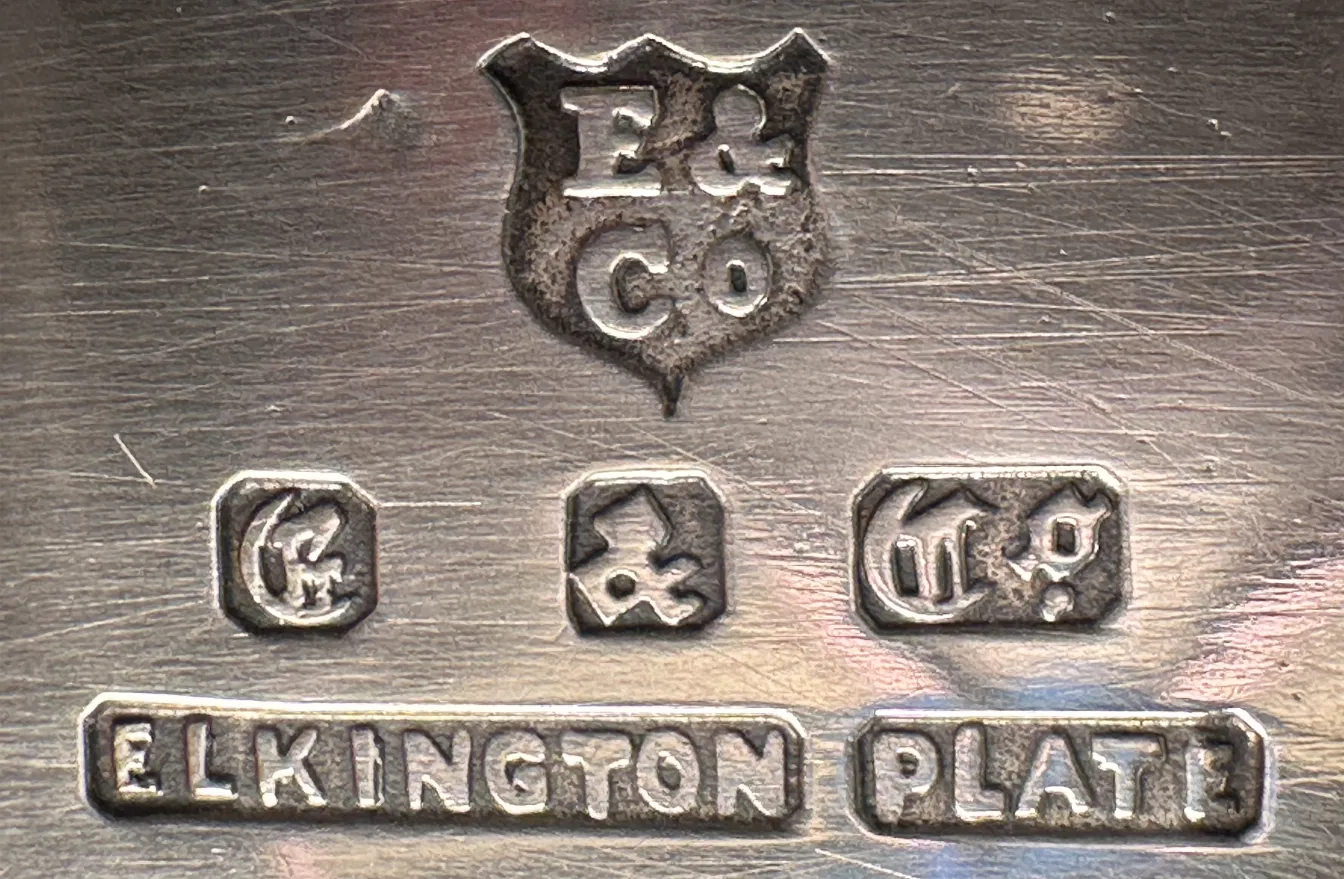
The company was established in Birmingham, England, in the 1830s by cousins George Richards Elkington and Henry Elkington.
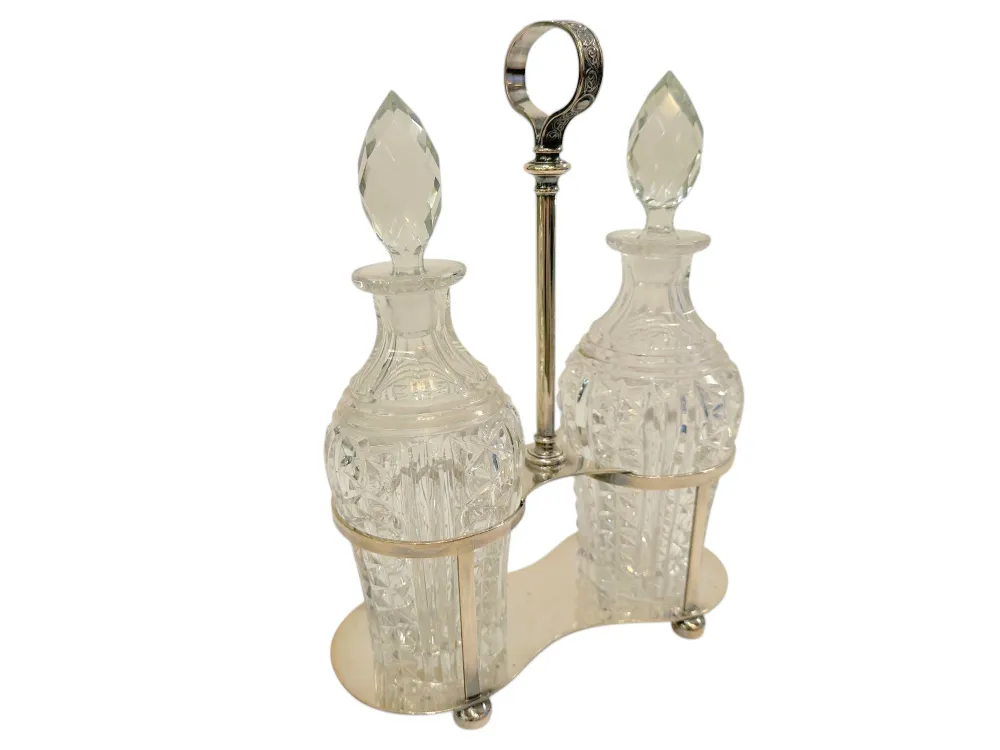
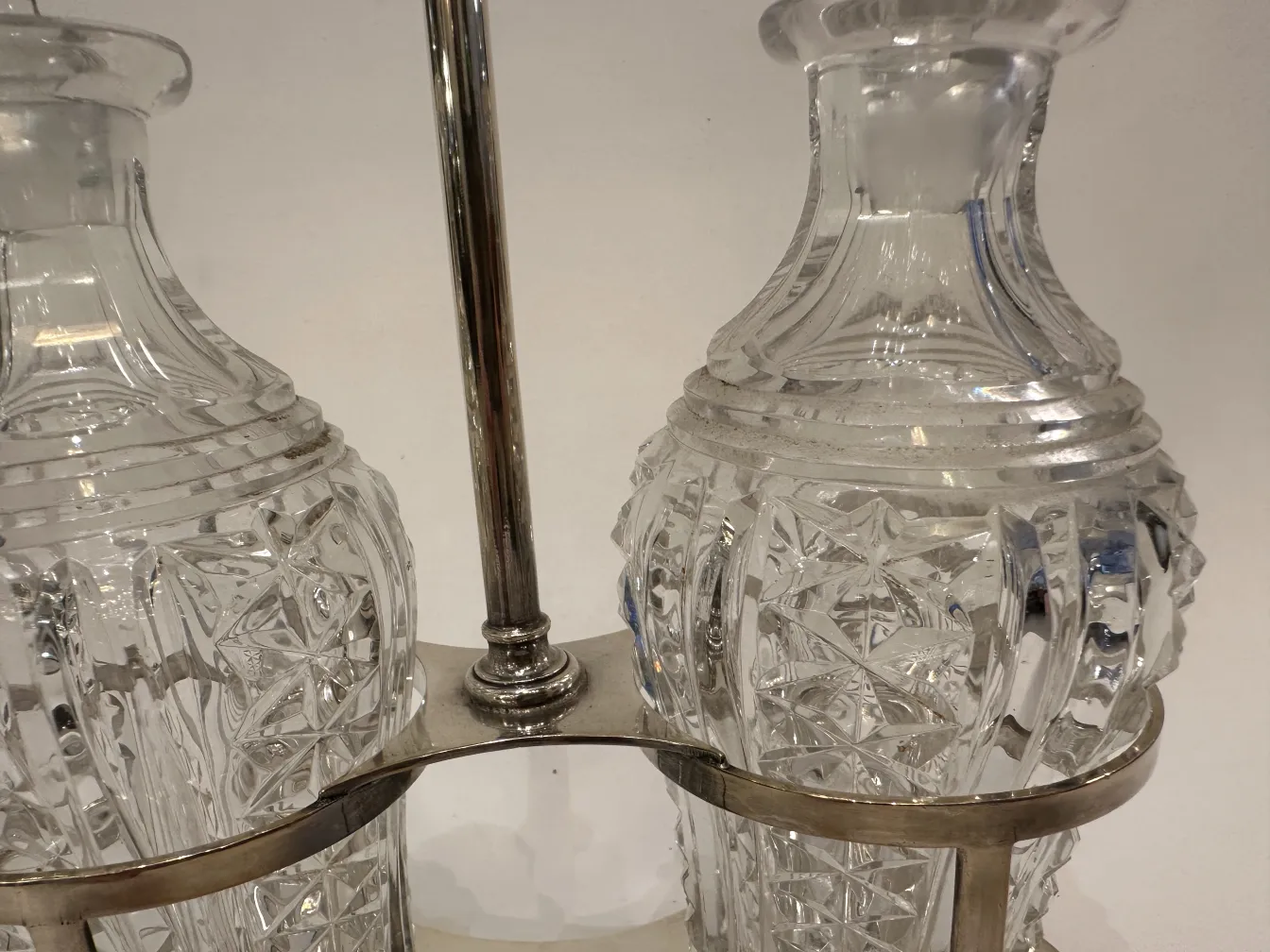
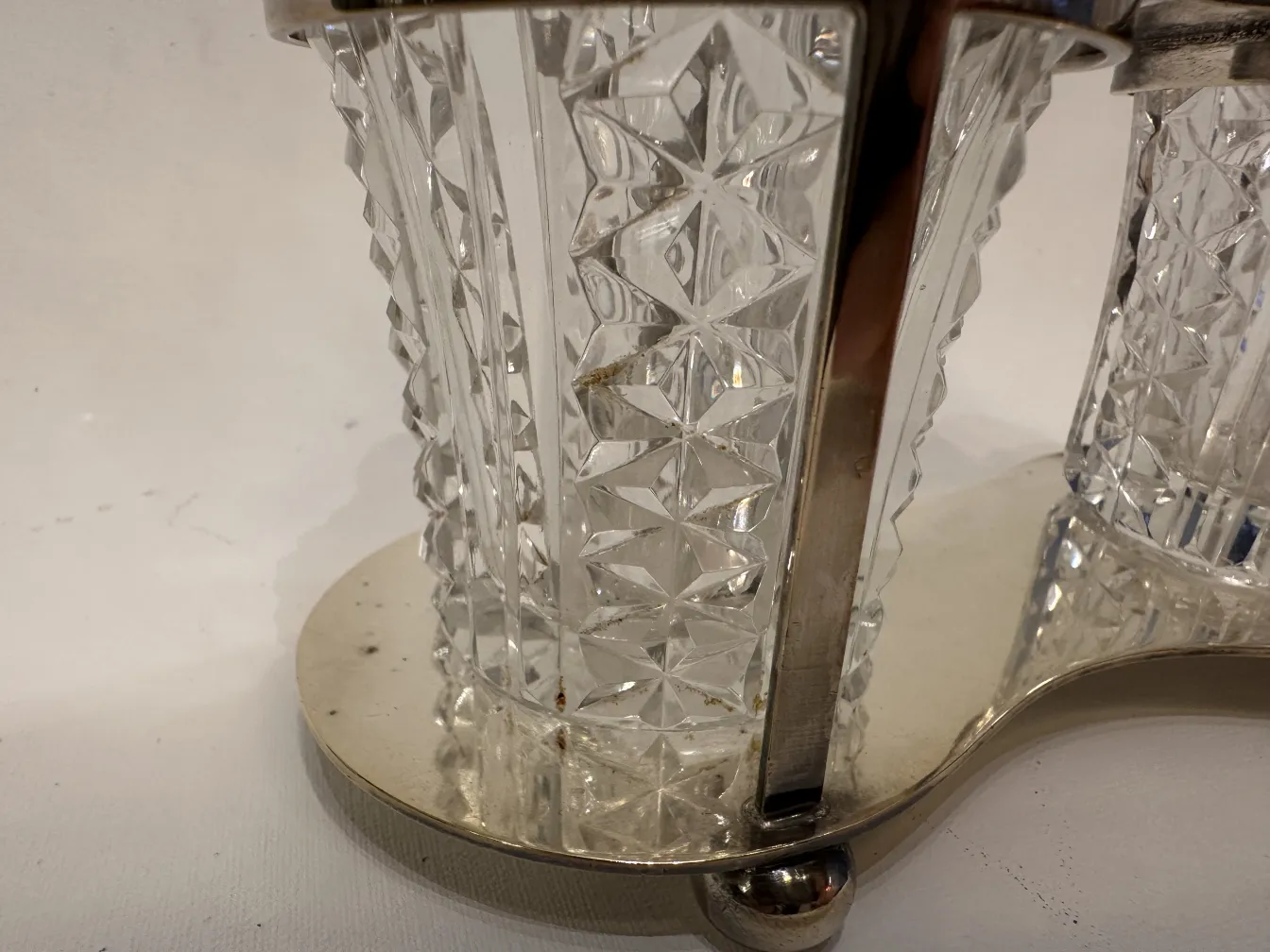
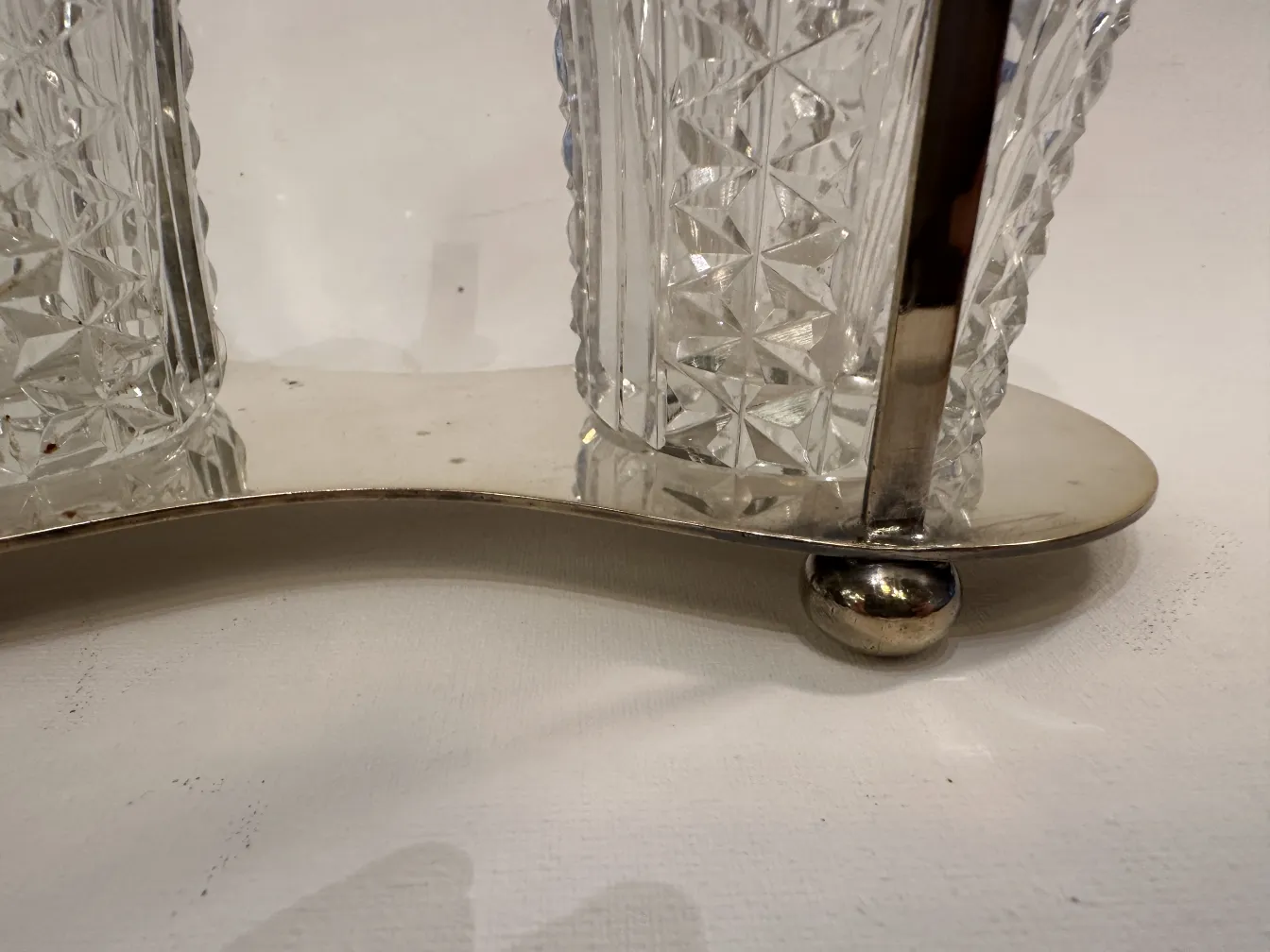
The Elkington cousins patented and perfected the electroplating process (electroplating), using electric current to fix a layer of silver onto a metal base. This revolutionized the industry by allowing the manufacture of luxury items with exceptional quality.
Elkington quickly became the leading silverware manufacturer globally. They participated in major international exhibitions, such as the Great Exhibition in London in 1851 at the Crystal Palace, where they received the highest categories of excellence.
The firm received orders and royal mandates from Queen Victoria and multiple European royal houses, becoming the official supplier to royalty. Their pieces adorned everything from the most famous luxury transatlantic ships to the most important sporting events.
They worked with iconic 19th-century artists and designers, such as the renowned Christopher Dresser (considered the father of industrial design) and French masters like Léonard Morel-Ladeuil.
The brand continued to operate independently until 1963, when it became part of larger British silverware consortia.
Among the main museums housing their works are:
Victoria and Albert Museum (V&A) – London, United Kingdom.
The Metropolitan Museum of Art (The Met) – New York.




 Share