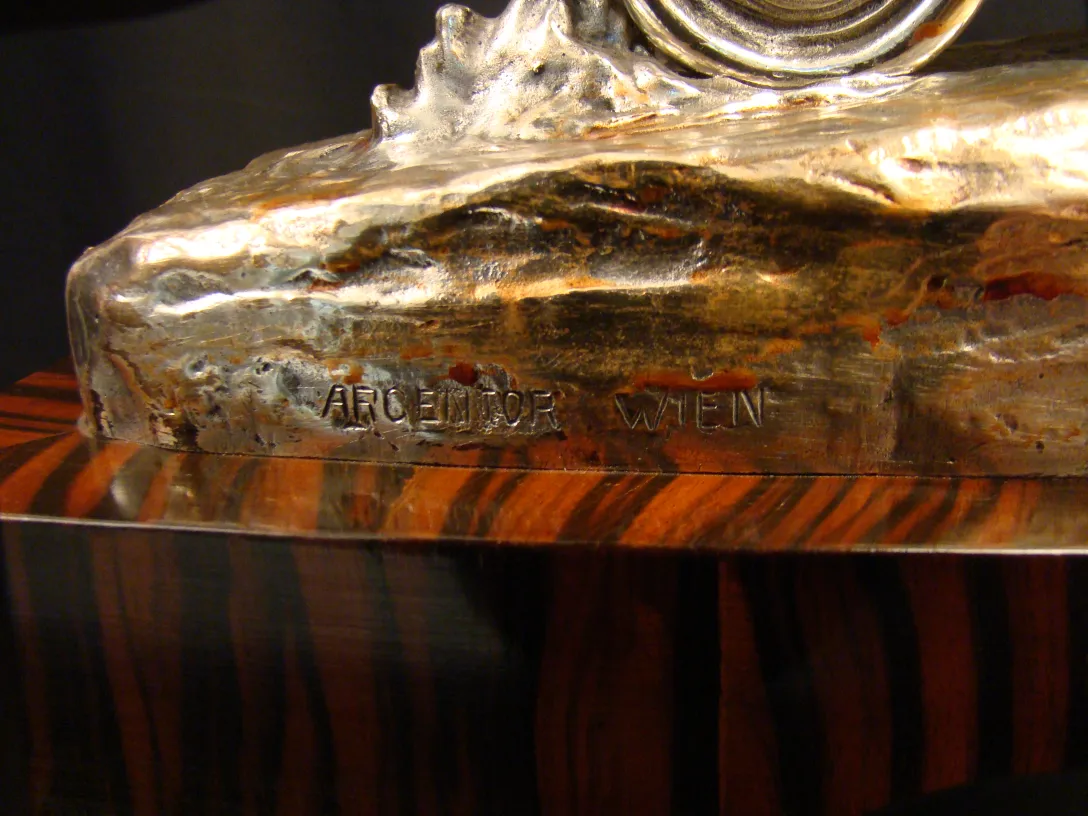
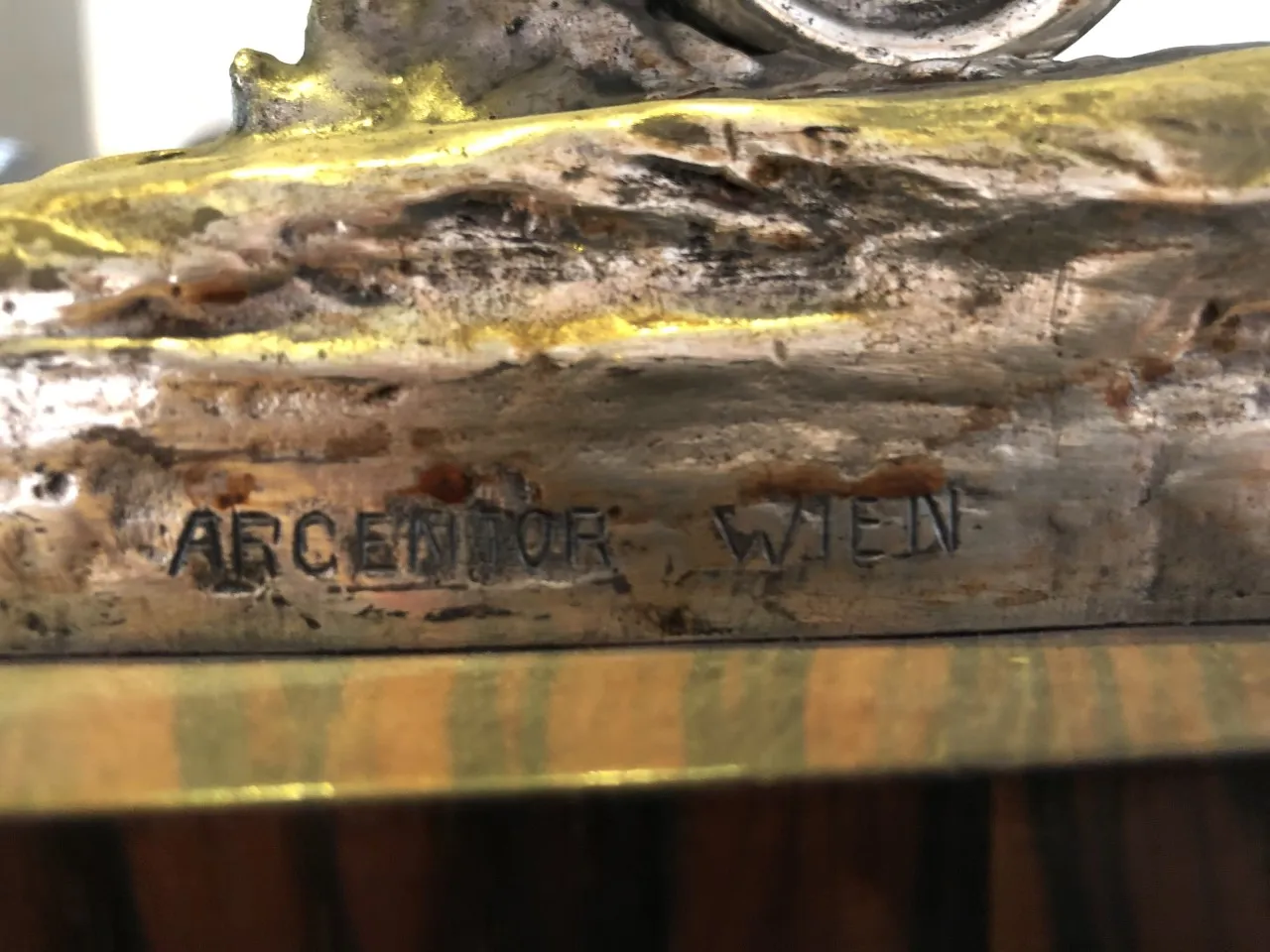
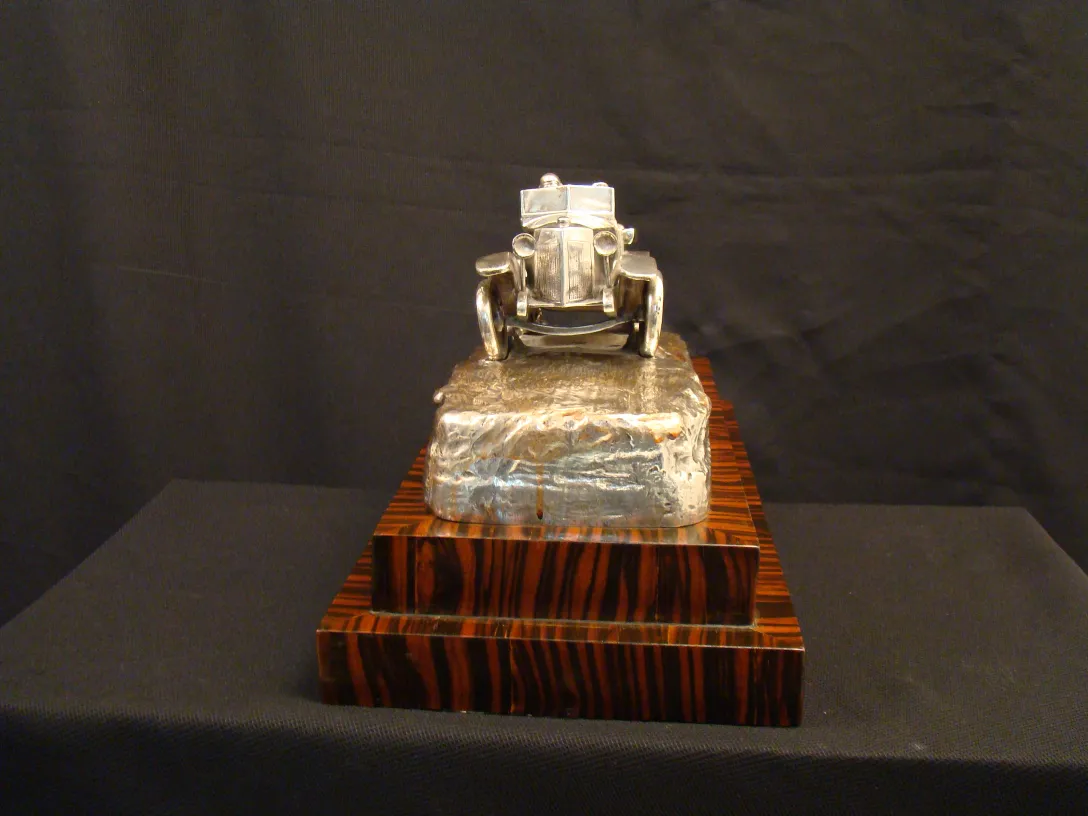
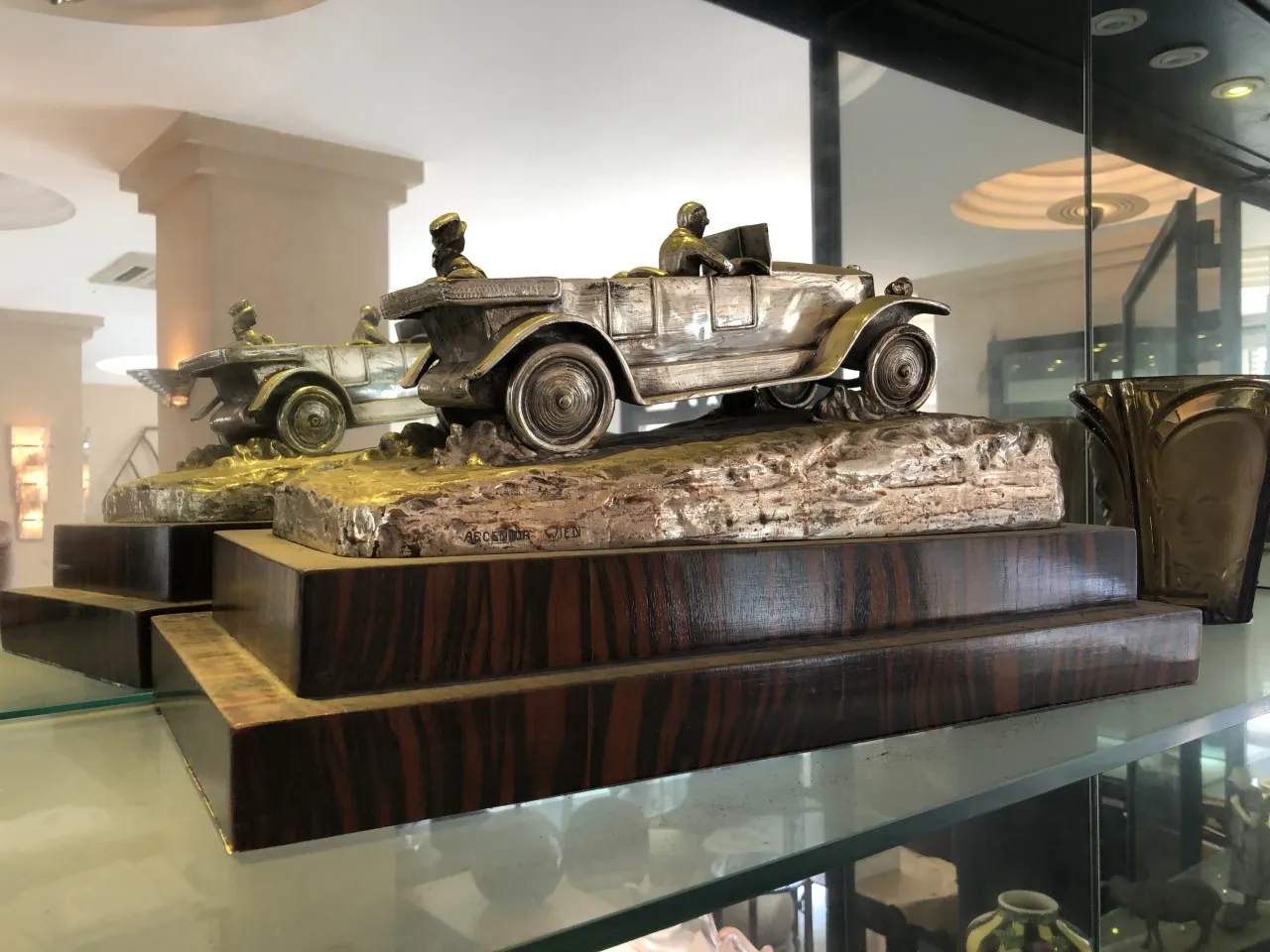
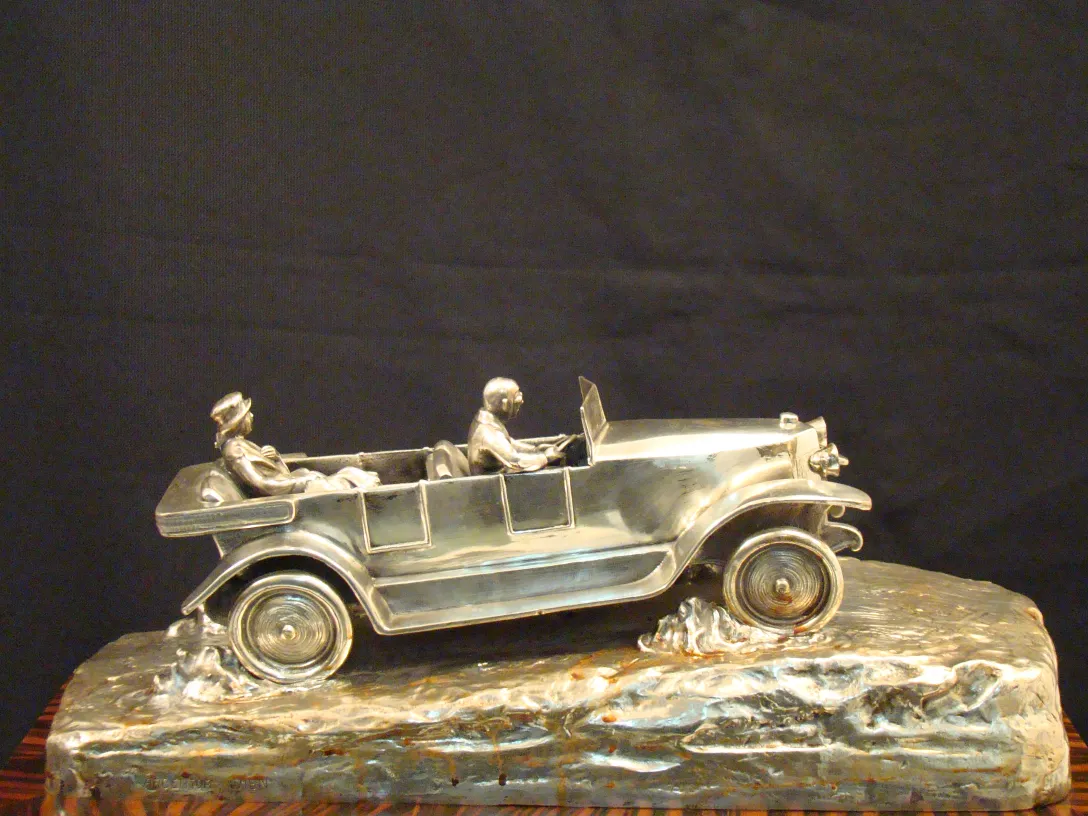
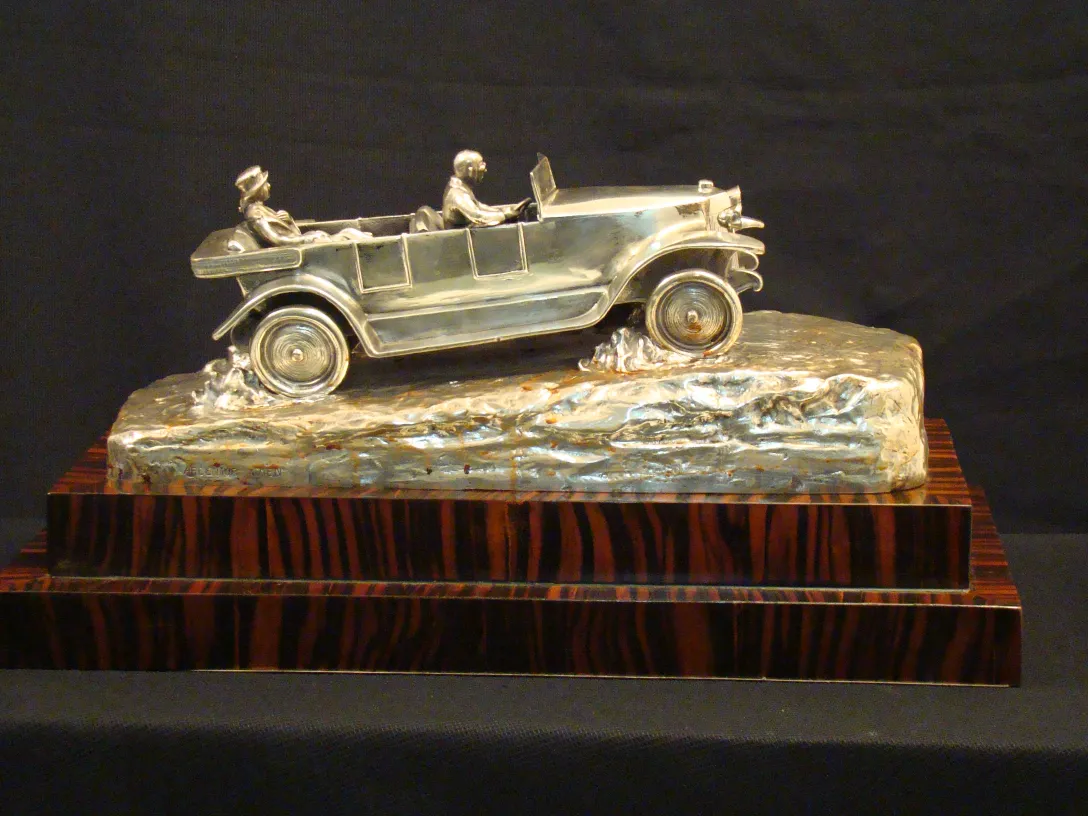
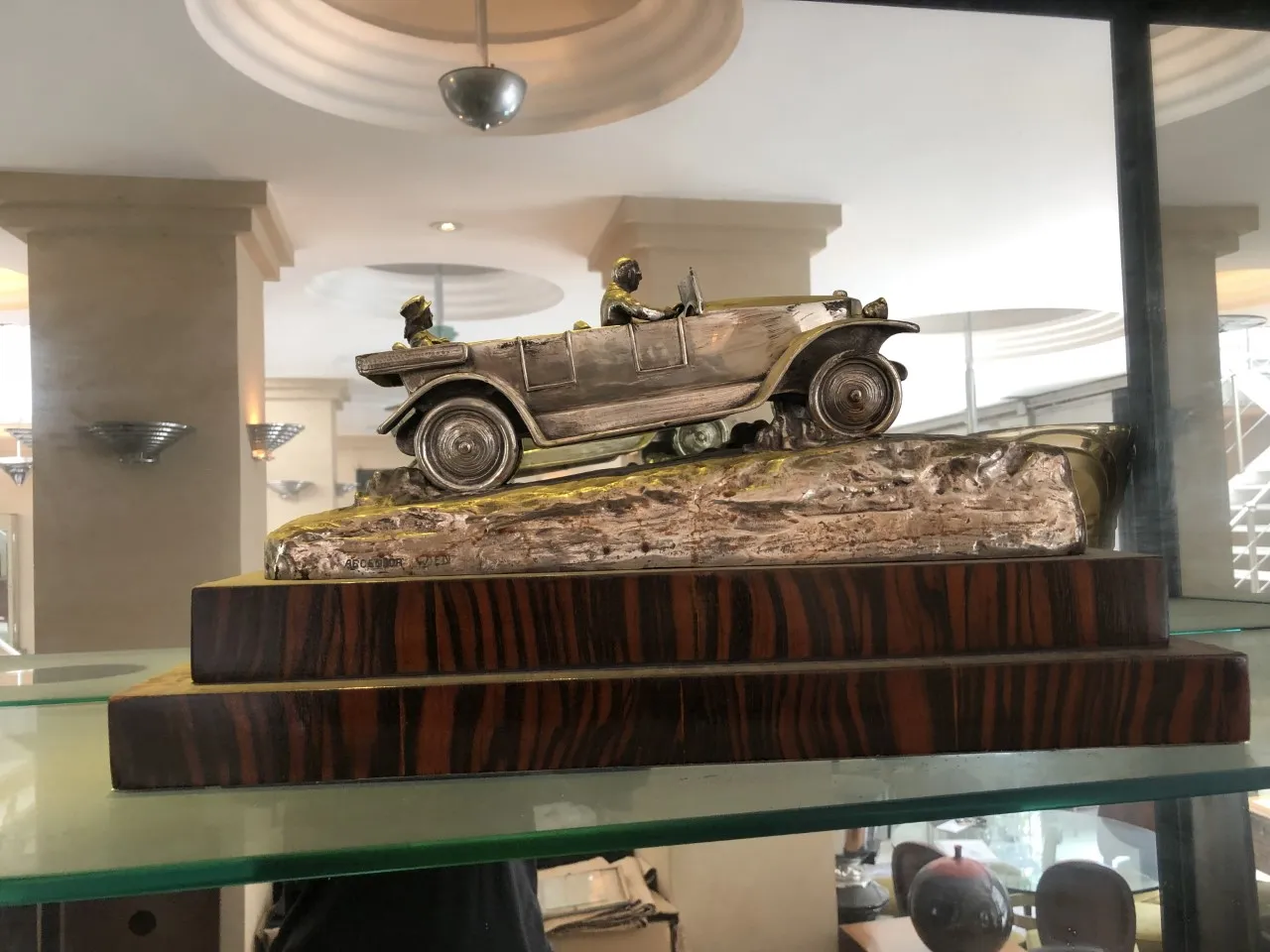
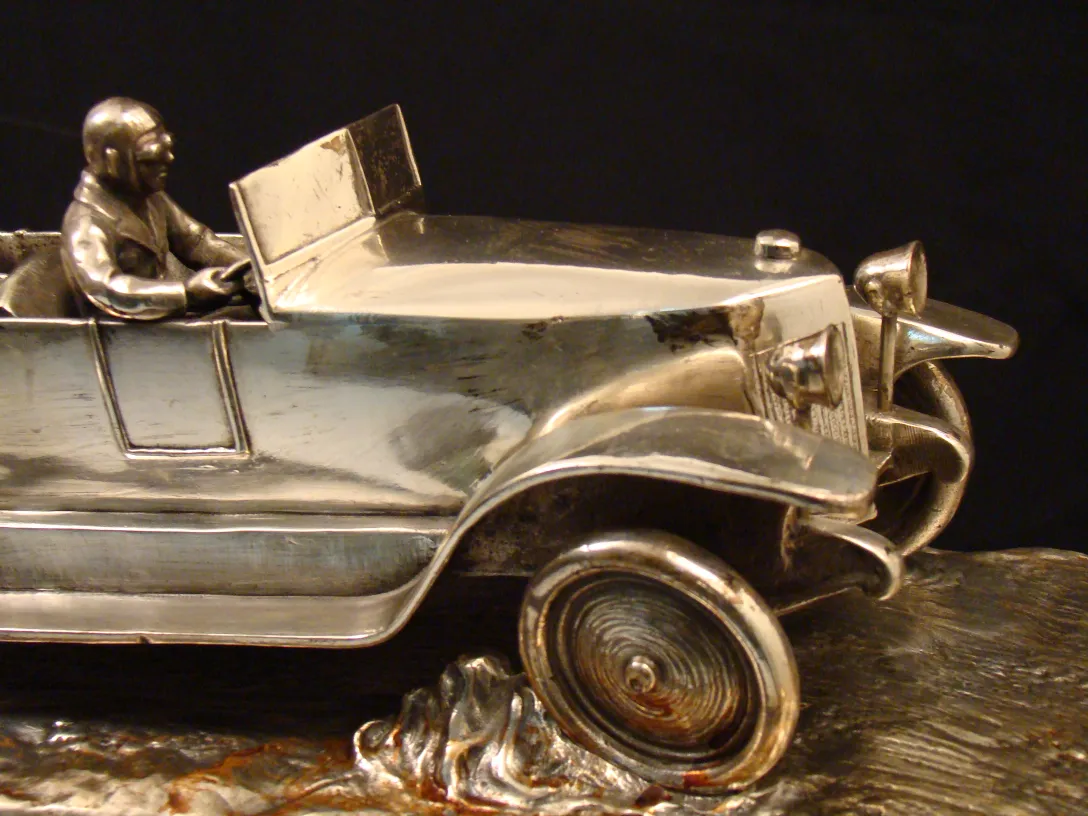
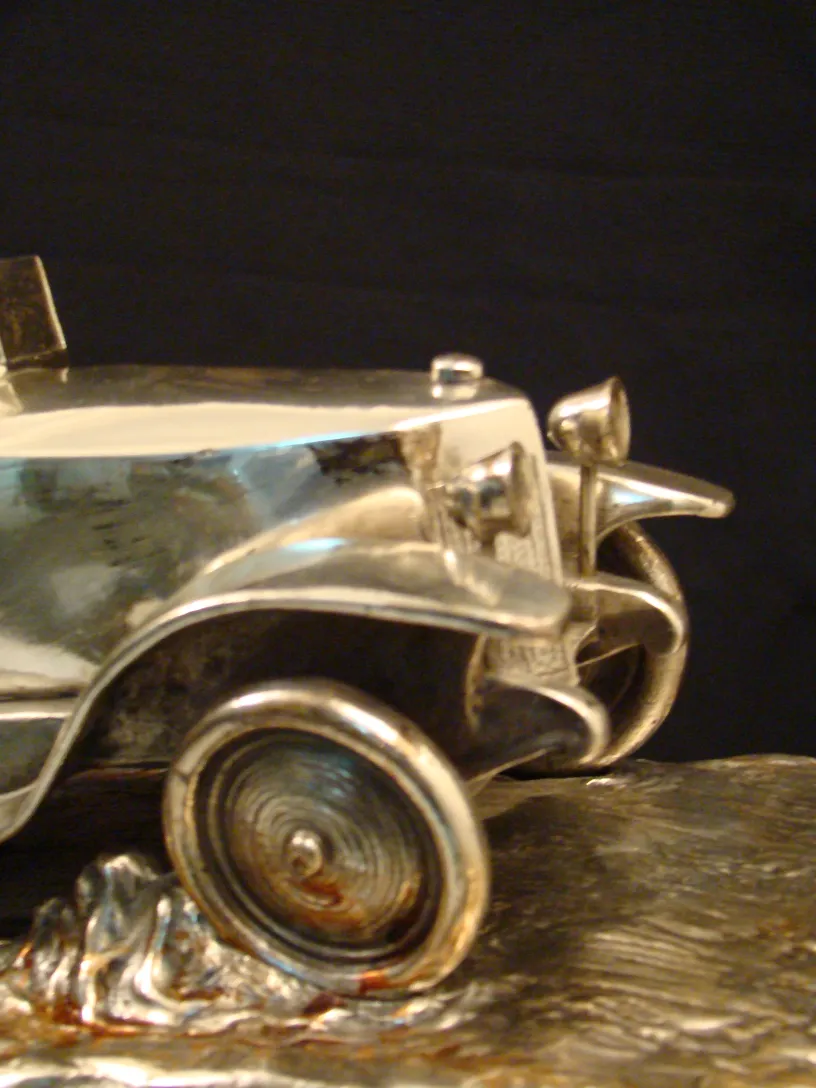
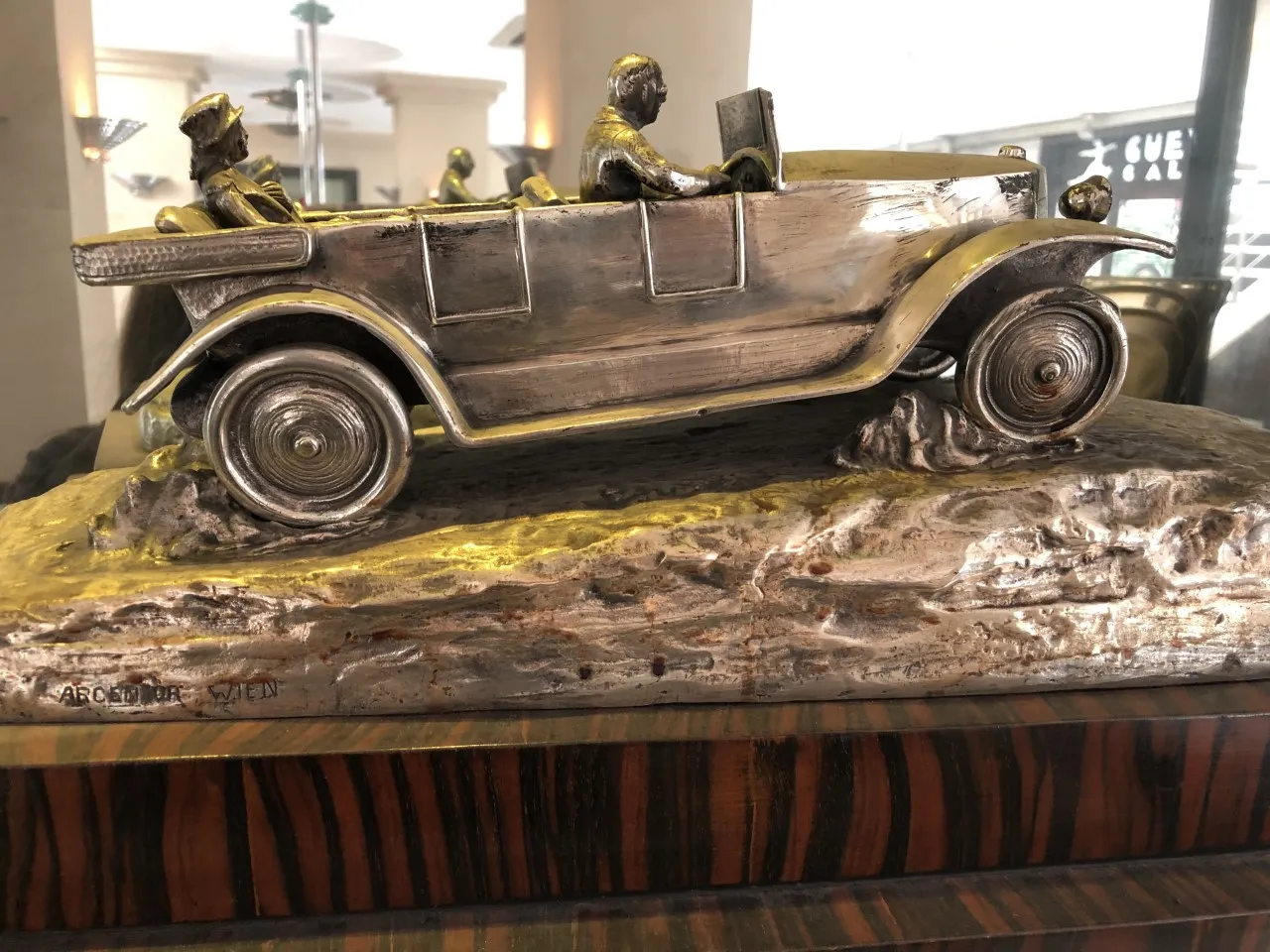
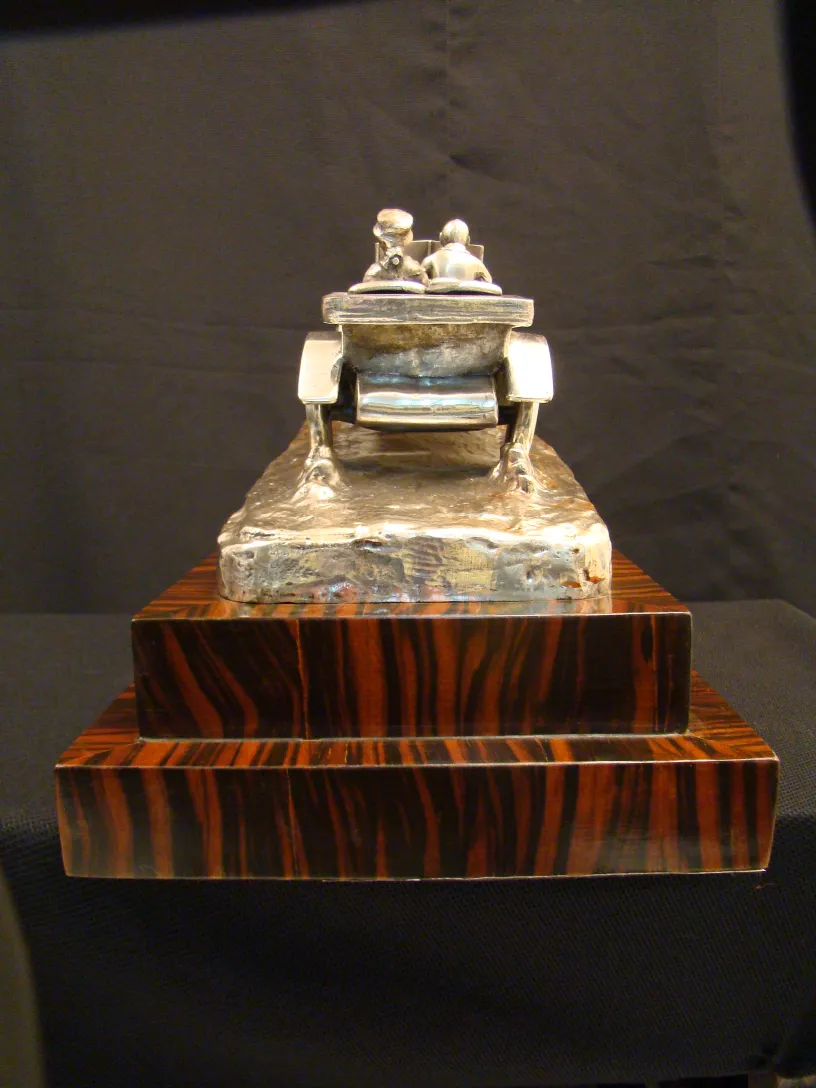
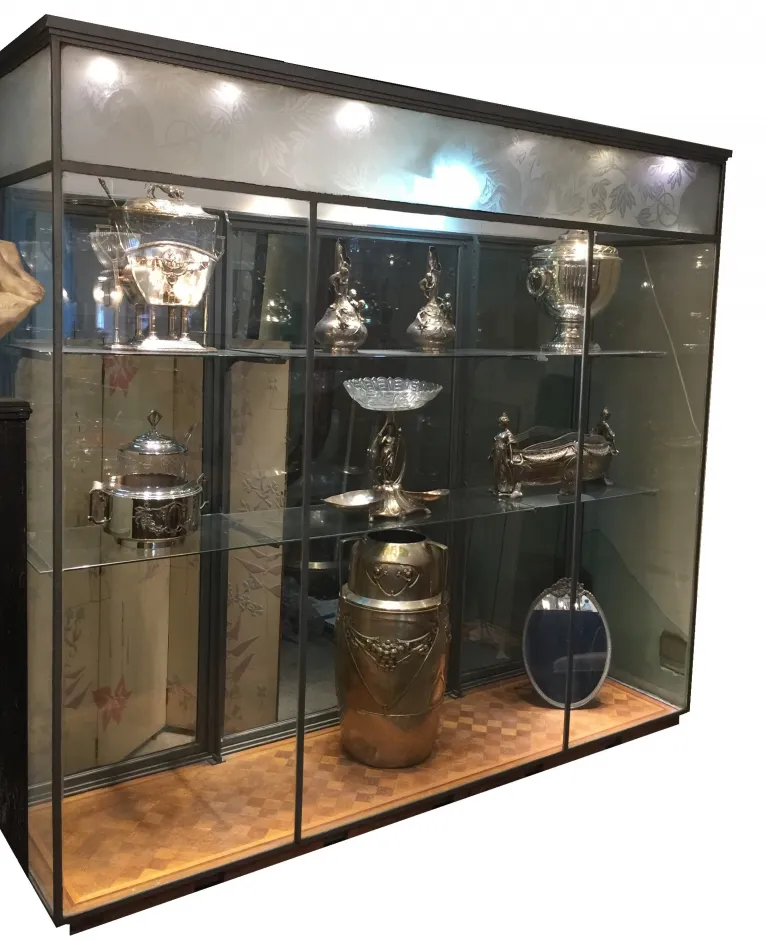
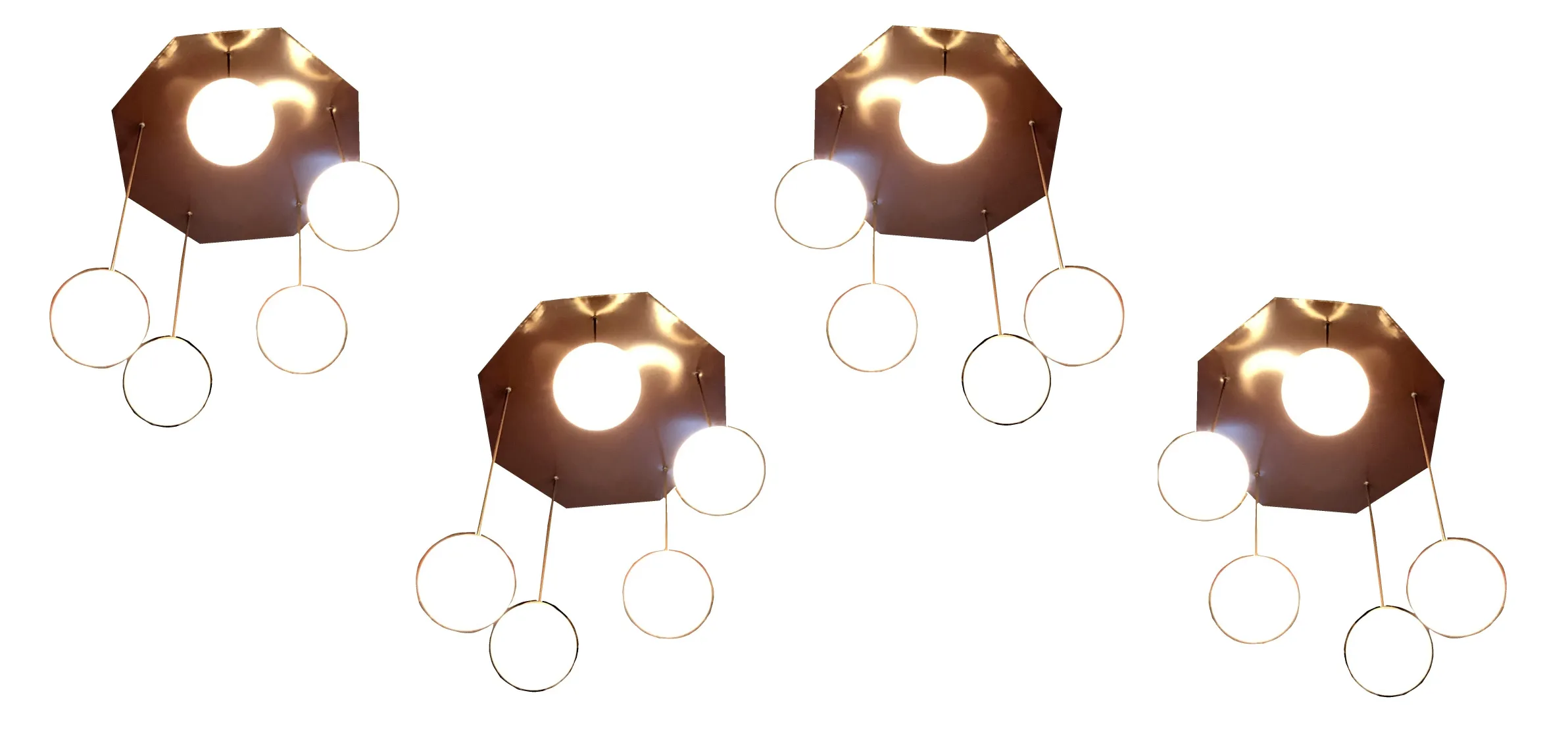
Argentor-Werke Rust & Hetzel was a significant Austrian metalware manufacturer in Vienna.
Argentor's origins date back to 1863 when Carl Adalbert Münchmeyer and Ernst Rust founded C.A. Münchmeyer & Co. The initial focus was on silver and gold-plating metal objects using a galvanic process.
The company established factories in several major European cities: Berlin, Vienna, and Paris.
In 1902, the company was restructured and renamed Argentor-Werke Rust & Hetzel.
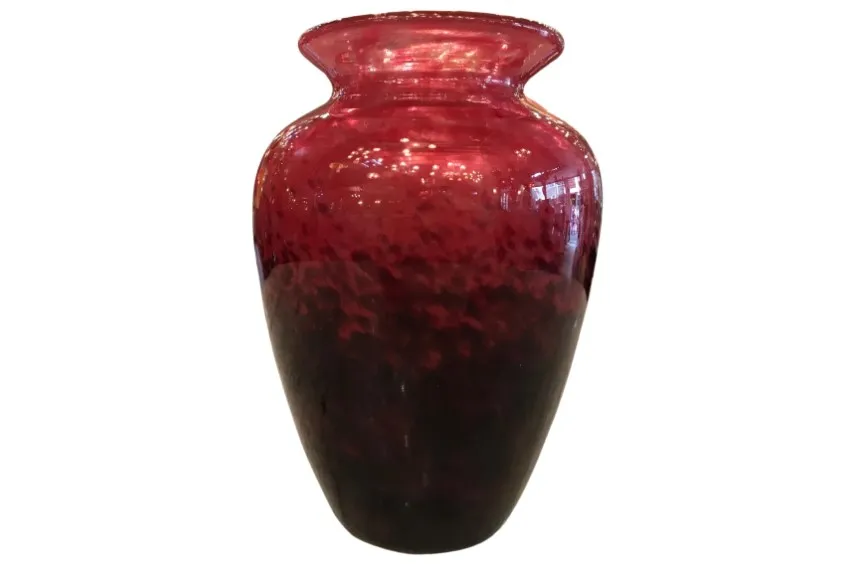
Argentor was particularly famous for creating frames to mount the iridescent glass vases produced by the Bohemian glassworks Johan Loetz.
They were appointed official suppliers to the Austro-Hungarian Imperial House, a testament to the quality and prestige of their products. Branches were also established in Budapest and Brno.
The company was forced to close its doors in 1970.




 Share
Share