Carlo Mollino, an Italian architect and designer, was born in Turin on May 6, 1905.
He initially studied engineering before switching to architecture, graduating from the Politecnico di Torino in 1931.
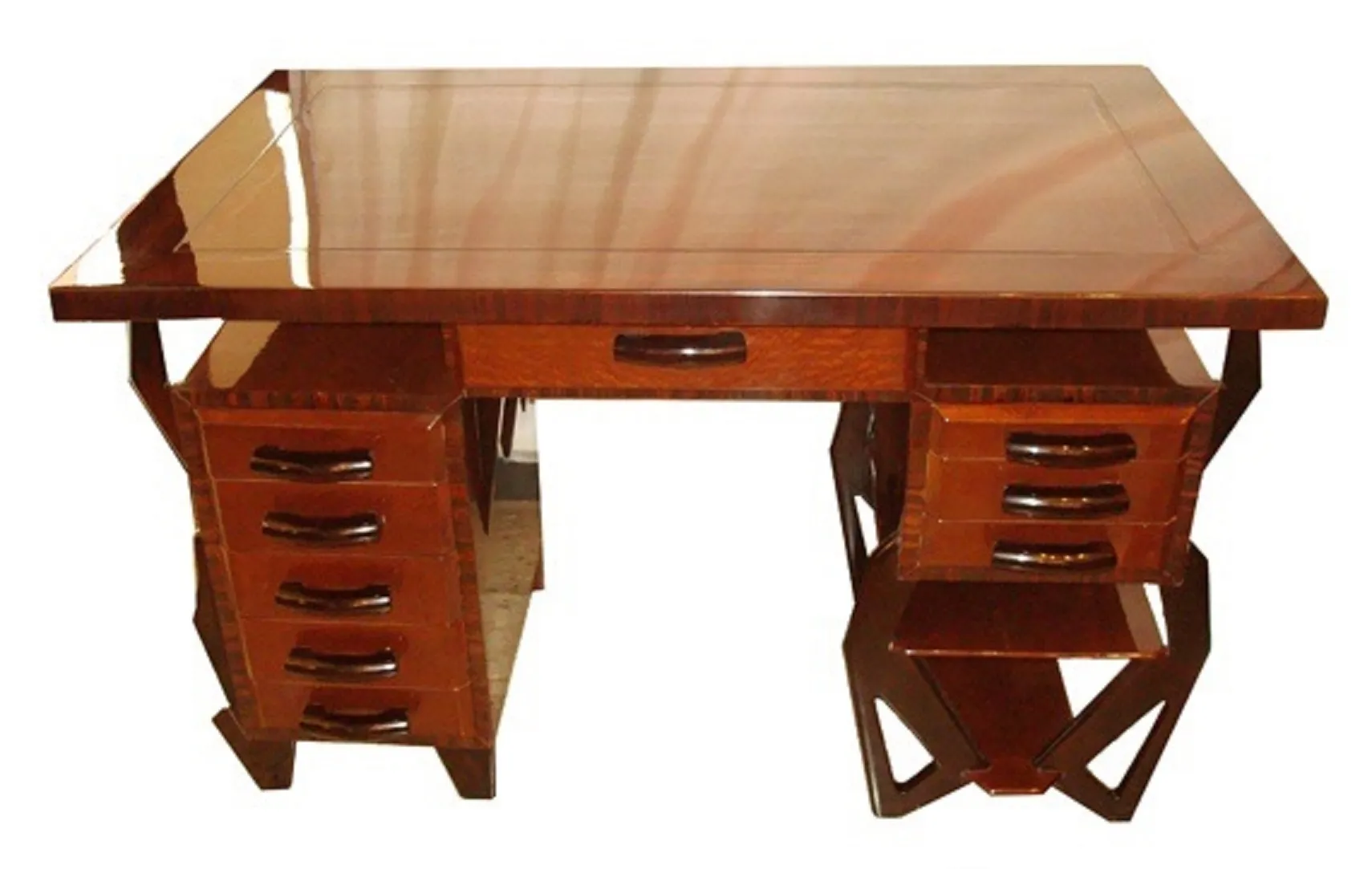
In 1950, he developed furniture with organic themes, utilizing materials such as curved plywood and glass in innovative ways. Many pieces were unique or produced in limited editions.
Among his significant architectural projects are:
The RAI Auditorium in Turin, from 1950 to 1952.
The Turin Chamber of Commerce and the Teatro Regio in Turin, completed in 1973.
He was a professor at the Turin University School of Architecture from 1952 to 1970, teaching Architectural Composition and Decoration.
His works are part of the collections of important design museums such as:
The Centre Pompidou in Paris, the Victoria and Albert Museum in London, and the Brooklyn Museum in New York.
0:00 / 0:00
Designer Charles schneider
Charles Schneider was born in Chateau-Thierry, near Paris, on February 23, 1881. As a child, he moved with his family to Nancy, the artistic center of France, where he later studied at 'L'Ecole des Beaux Arts'.
In 1909, the brothers decided to open their own factory and start their business, buying a small factory that operated until 1914, when the brothers joined the army.
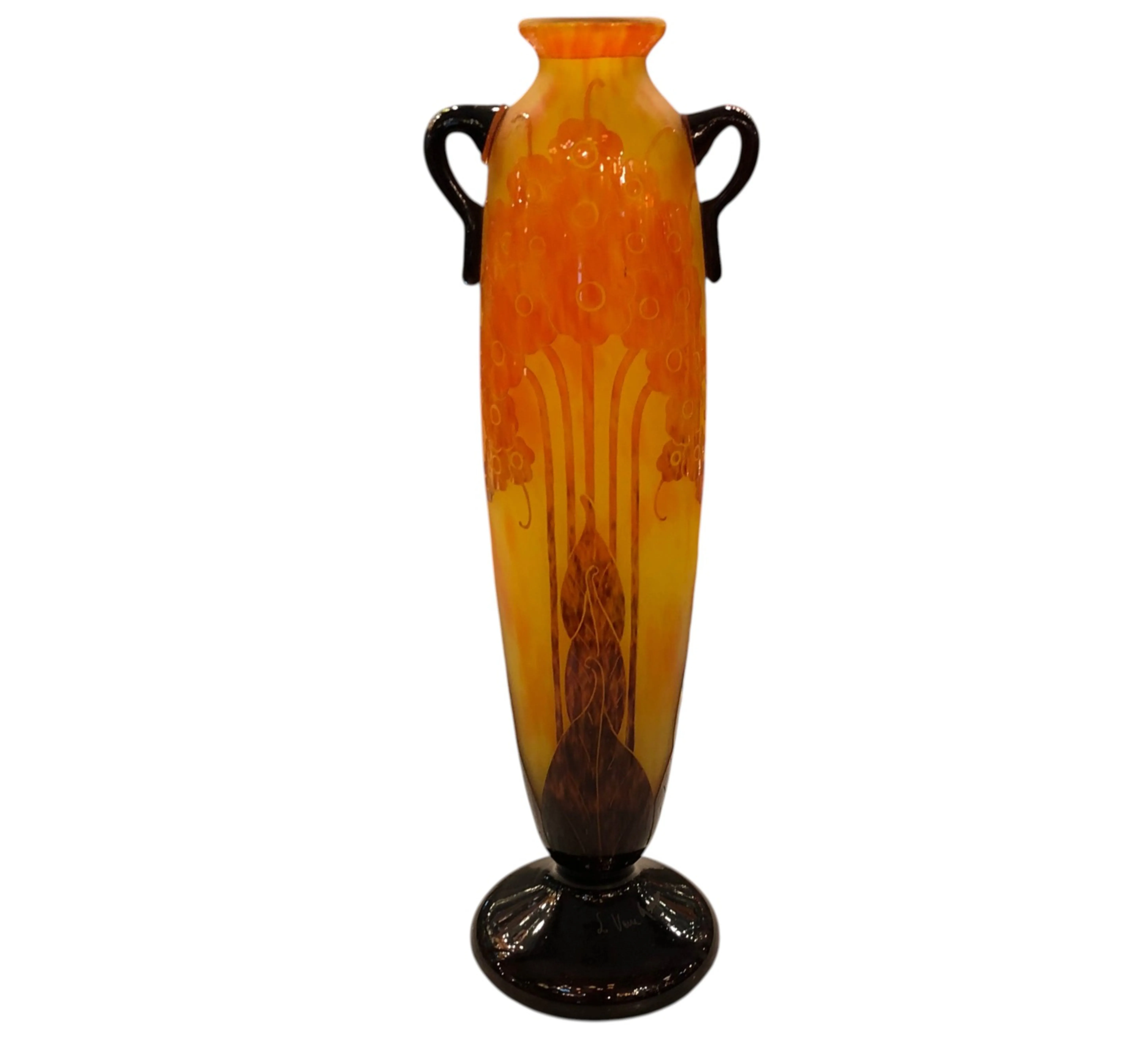
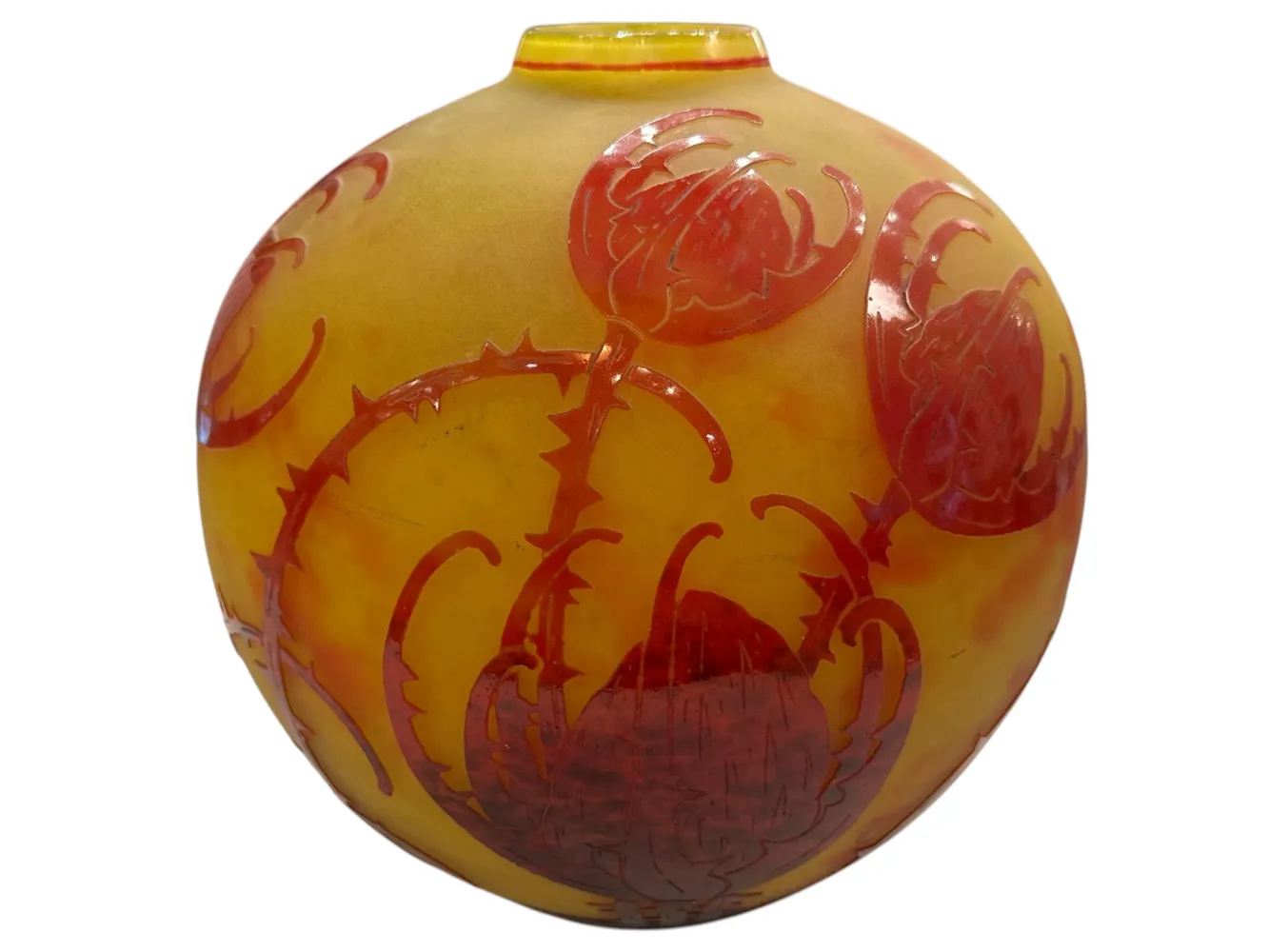
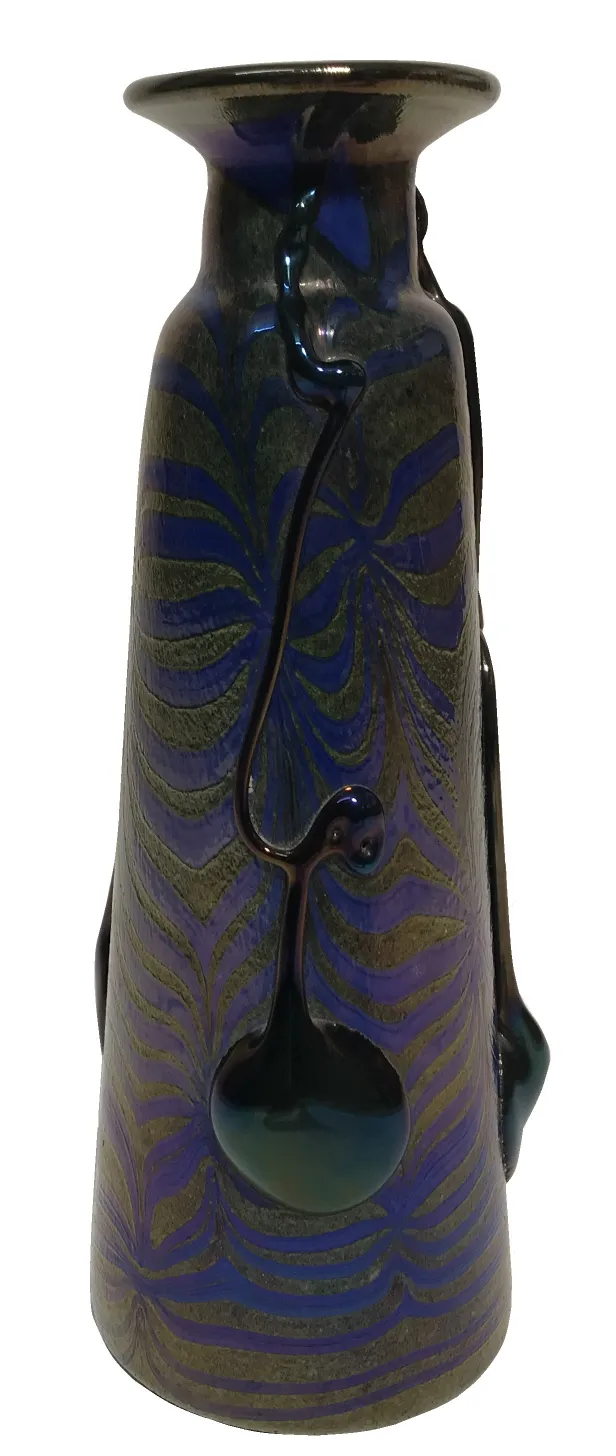
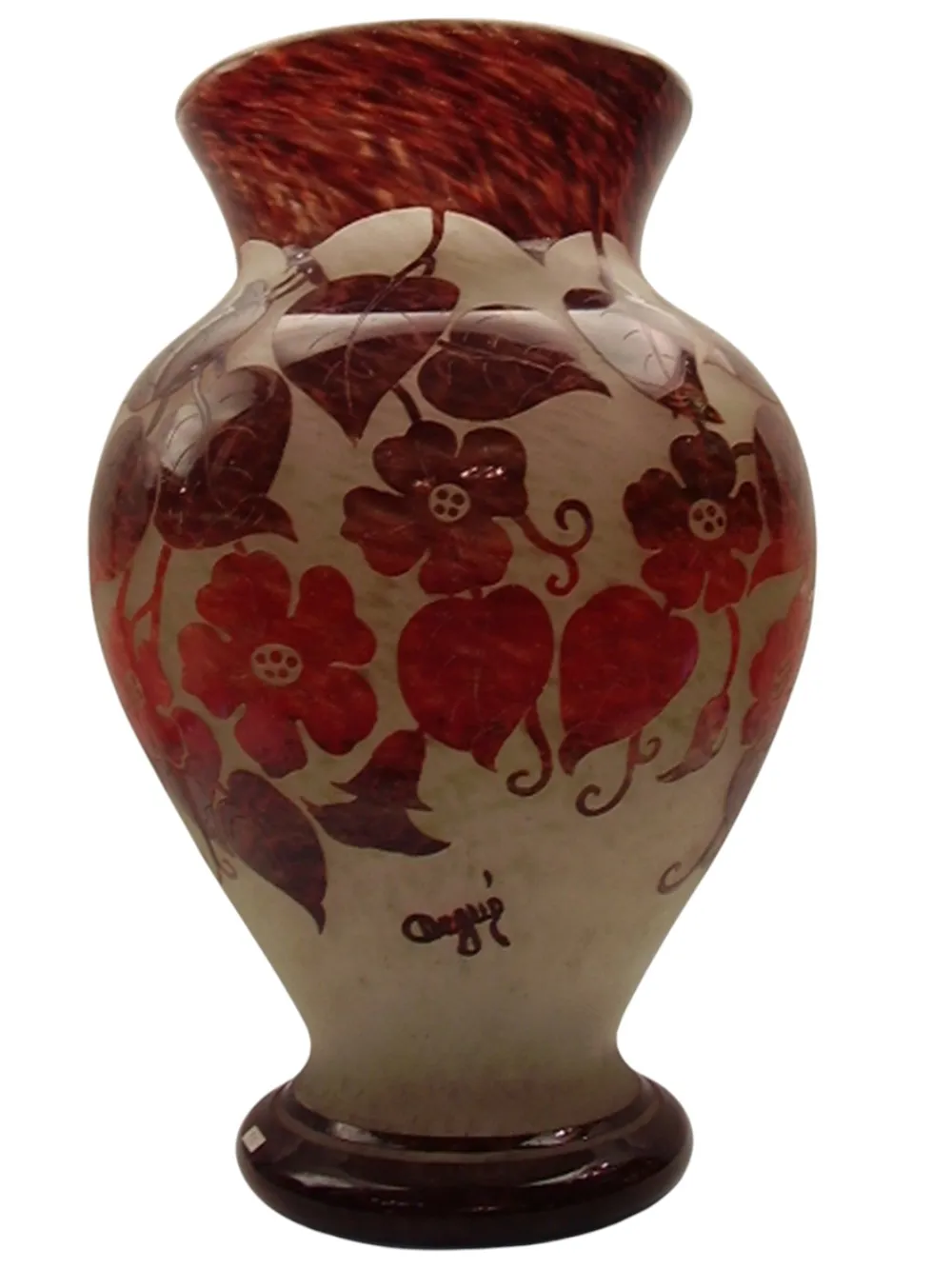
The factory reopened when the war ended. At that time, the public's taste still leaned towards the Art Nouveau style, and the factory mainly produced 'cameo' glass, with designs of flowers, animals, and glass with added handles and bubbles.
In 1949, they opened a new factory called 'Schneider'. Glassware can be found signed as (Charder, Leverre, Schneider, or with the French flag candy cane motif).
0:00 / 0:00
Style biedermeier
The Biedermeier style was an artistic and cultural movement that flourished in Central Europe, primarily in Germany and Austria, between 1815 and 1848 (the end of the Napoleonic Wars and the Congress of Vienna).
A fictional and satirical character that symbolized the home comfort and well-being of the middle class.
Biedermeier interiors sought to create a cozy and functional atmosphere.
Natural light was valued, and furniture was arranged to encourage conversation and family activities.
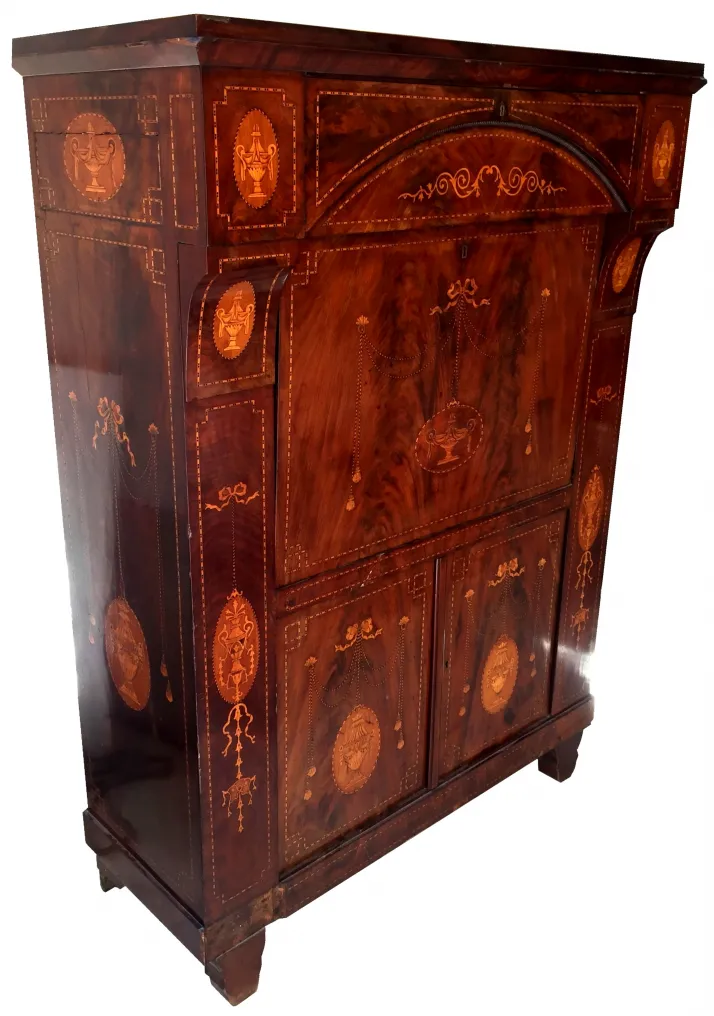
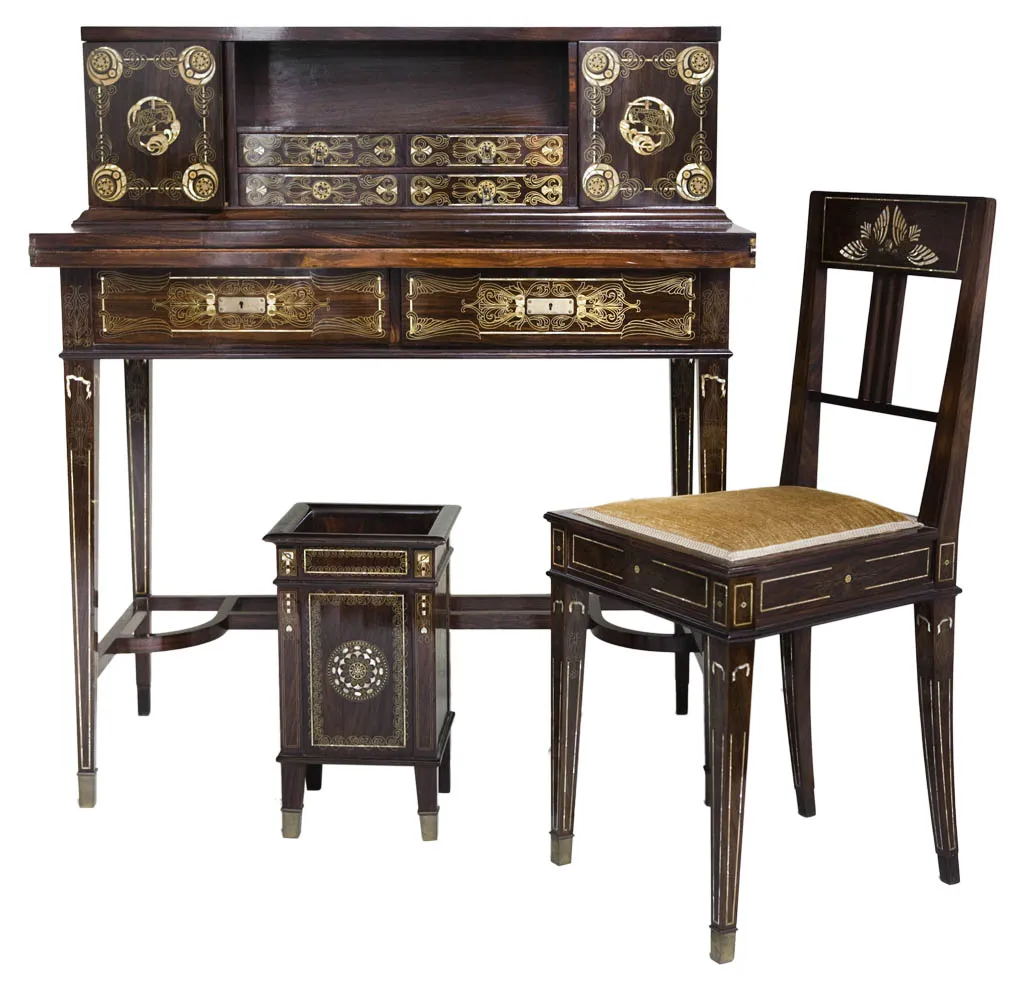
Light-colored, indigenous woods such as walnut, cherry, ash, birch, pear, and elm were favored. The natural grain of the wood was valued, often without additional embellishments, or with subtle ebony details or discreet inlays.
"Secretaire" desks for letter writing became popular, and central tables became the family gathering point.