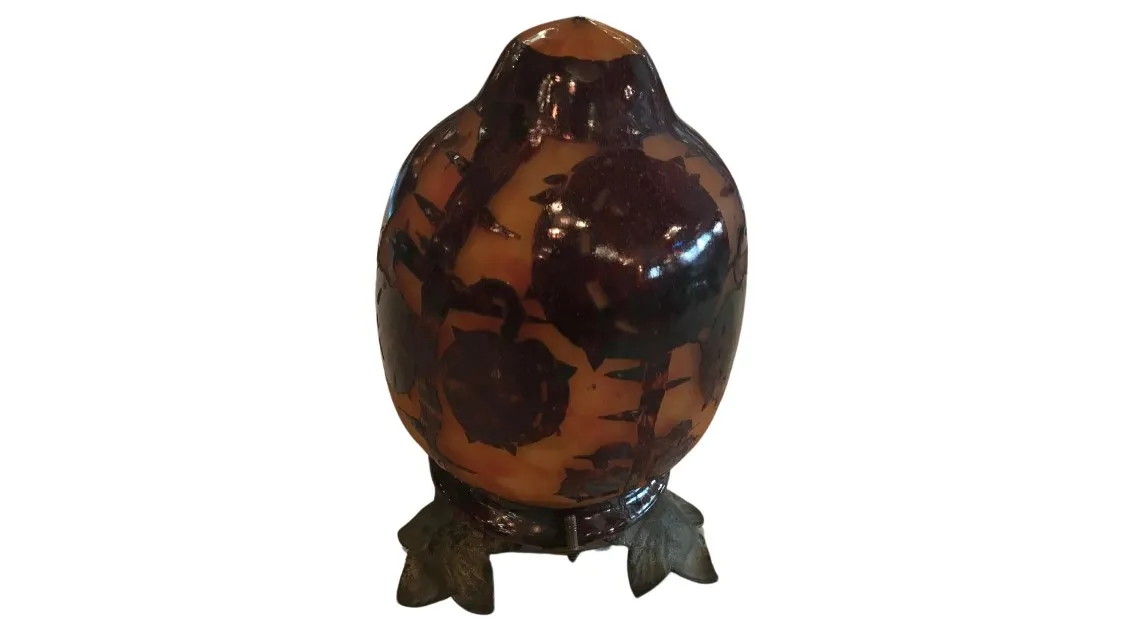
David David Guéron, of Turkish origin founded his first glass factory "Cristalleries de Compiègne".
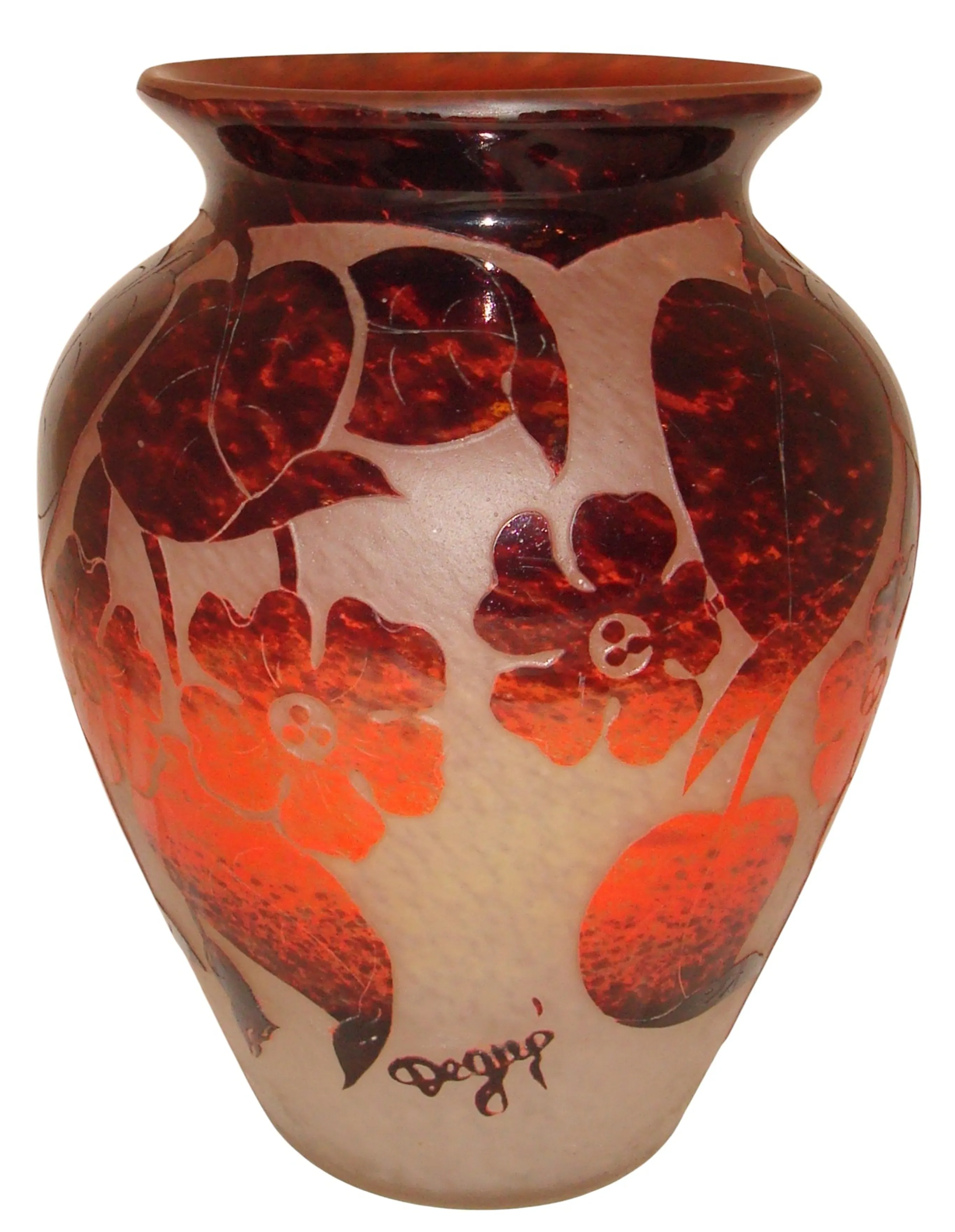
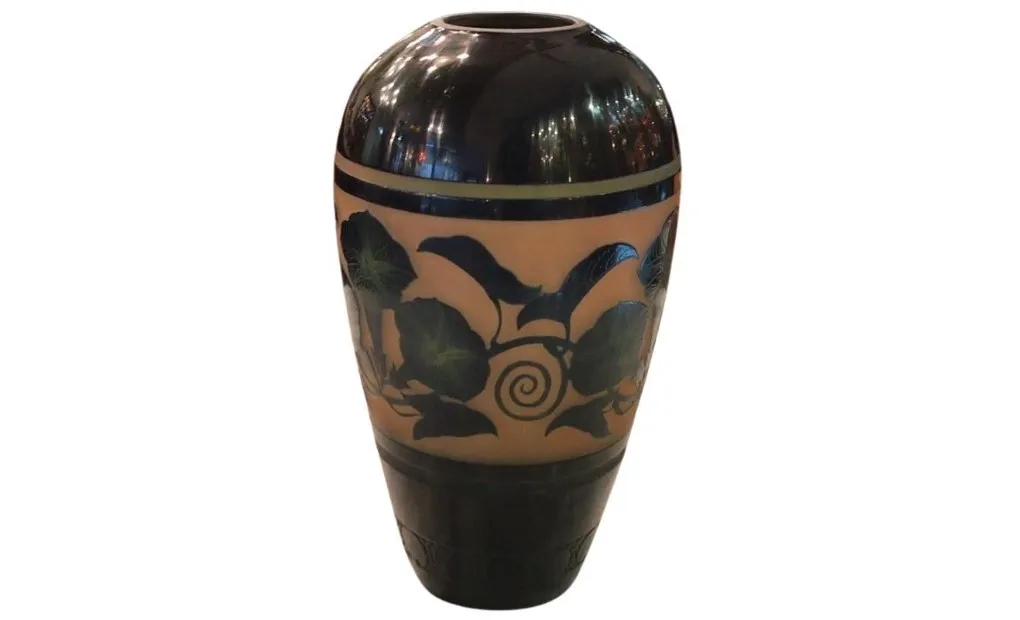
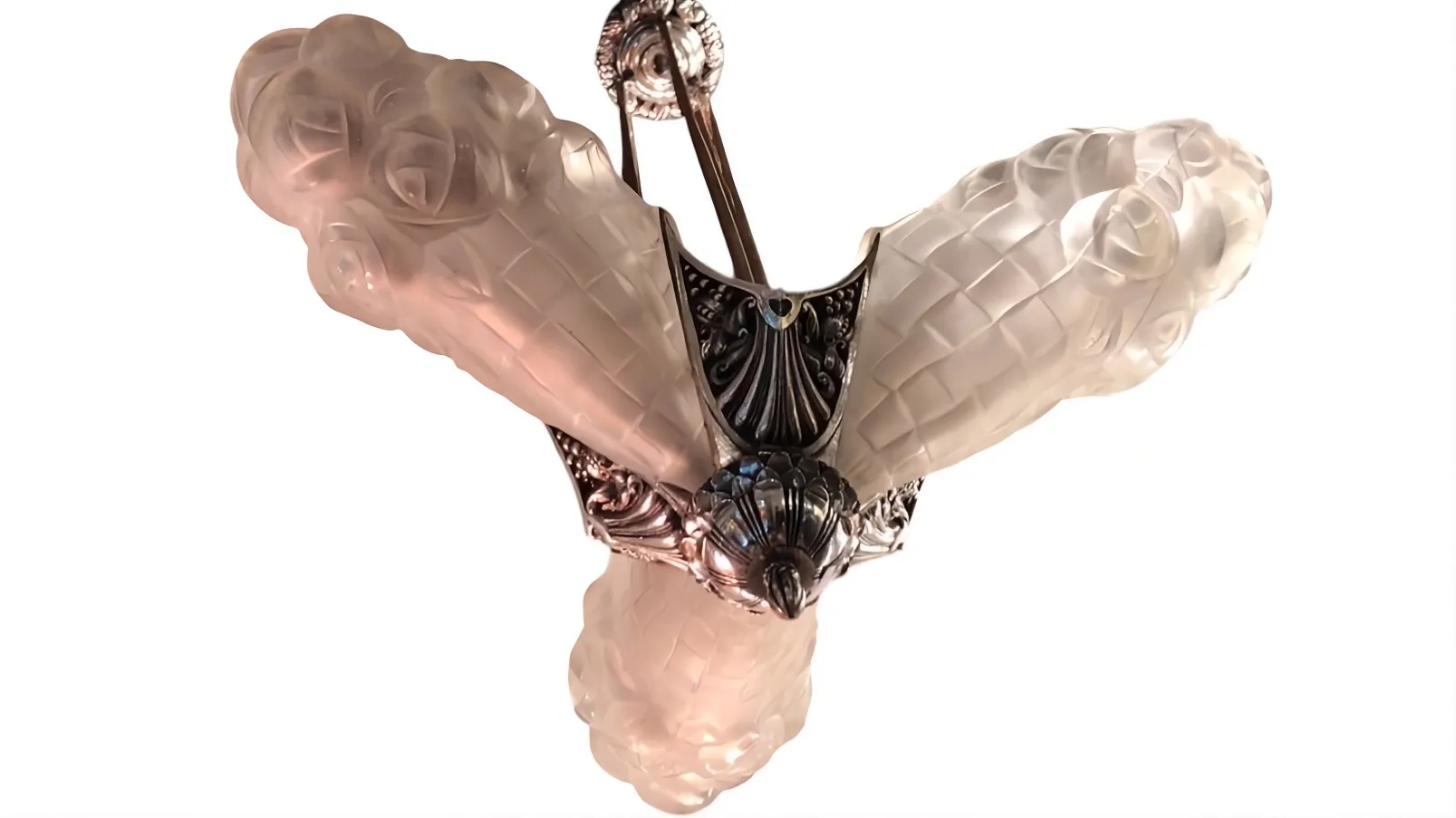
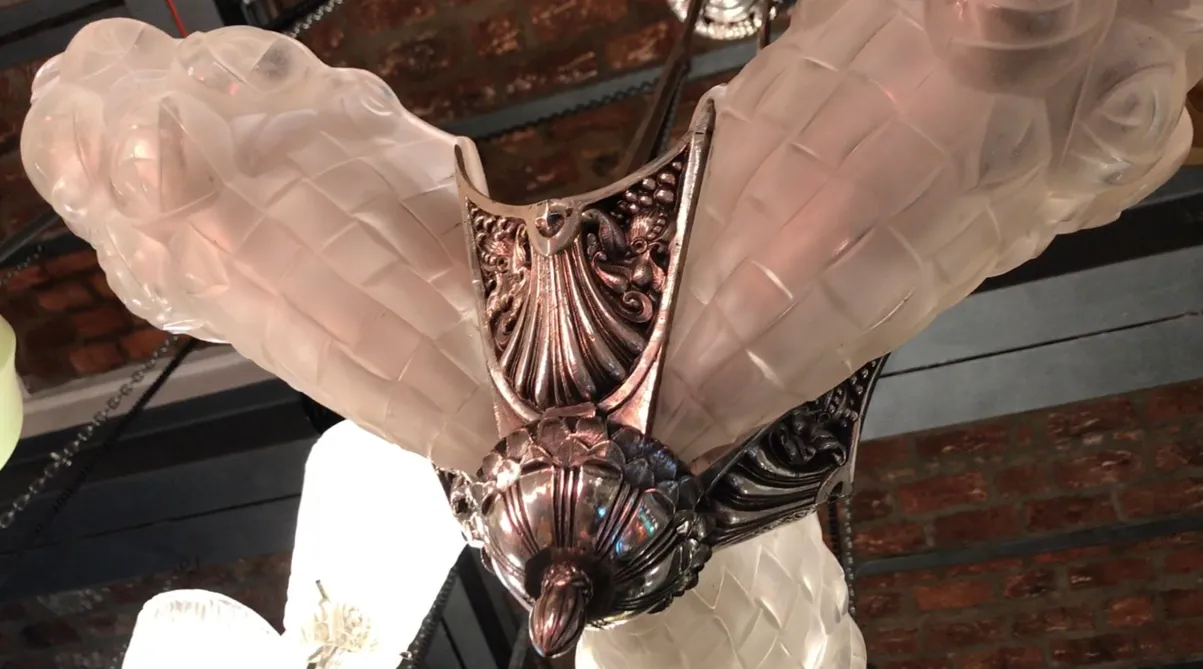
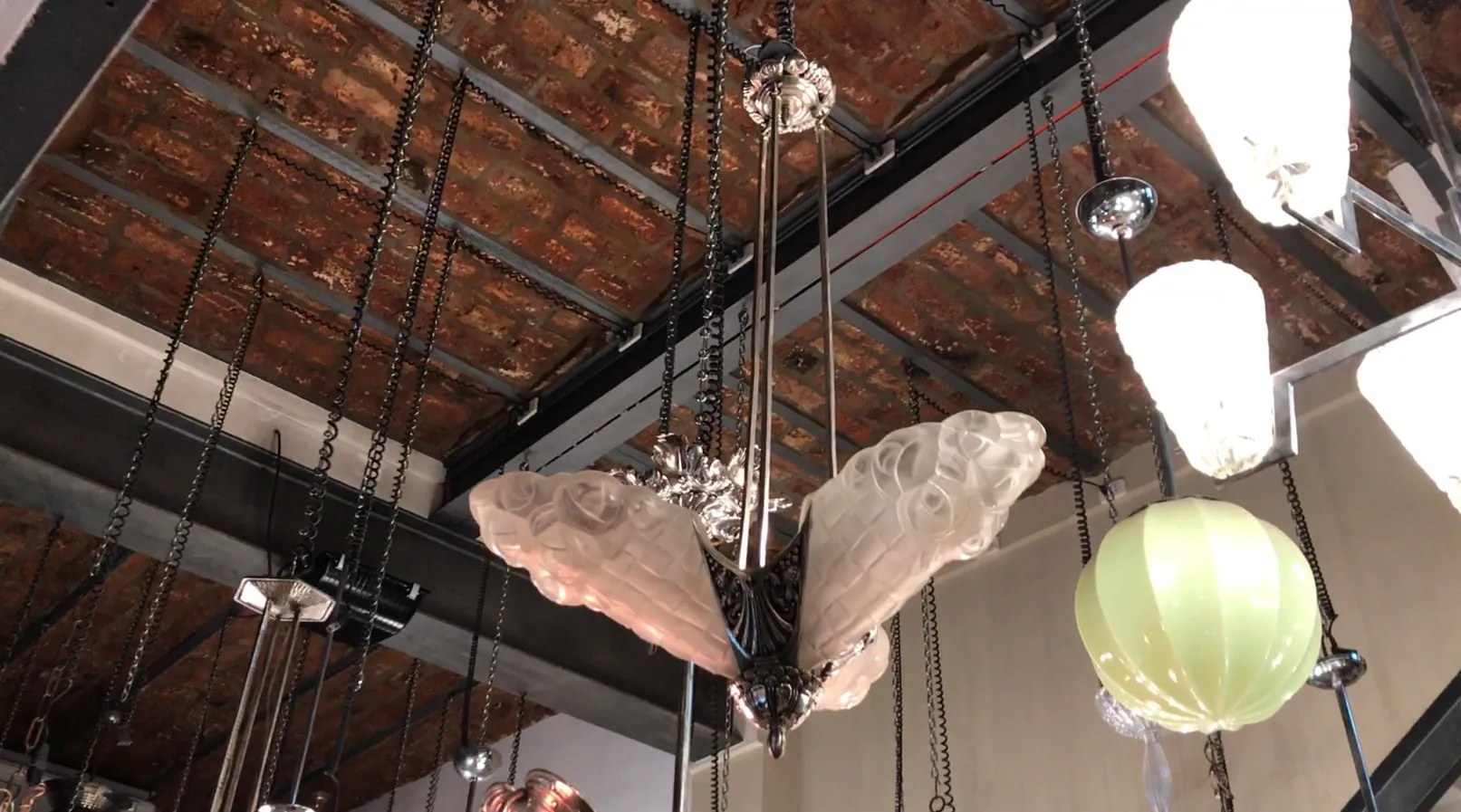
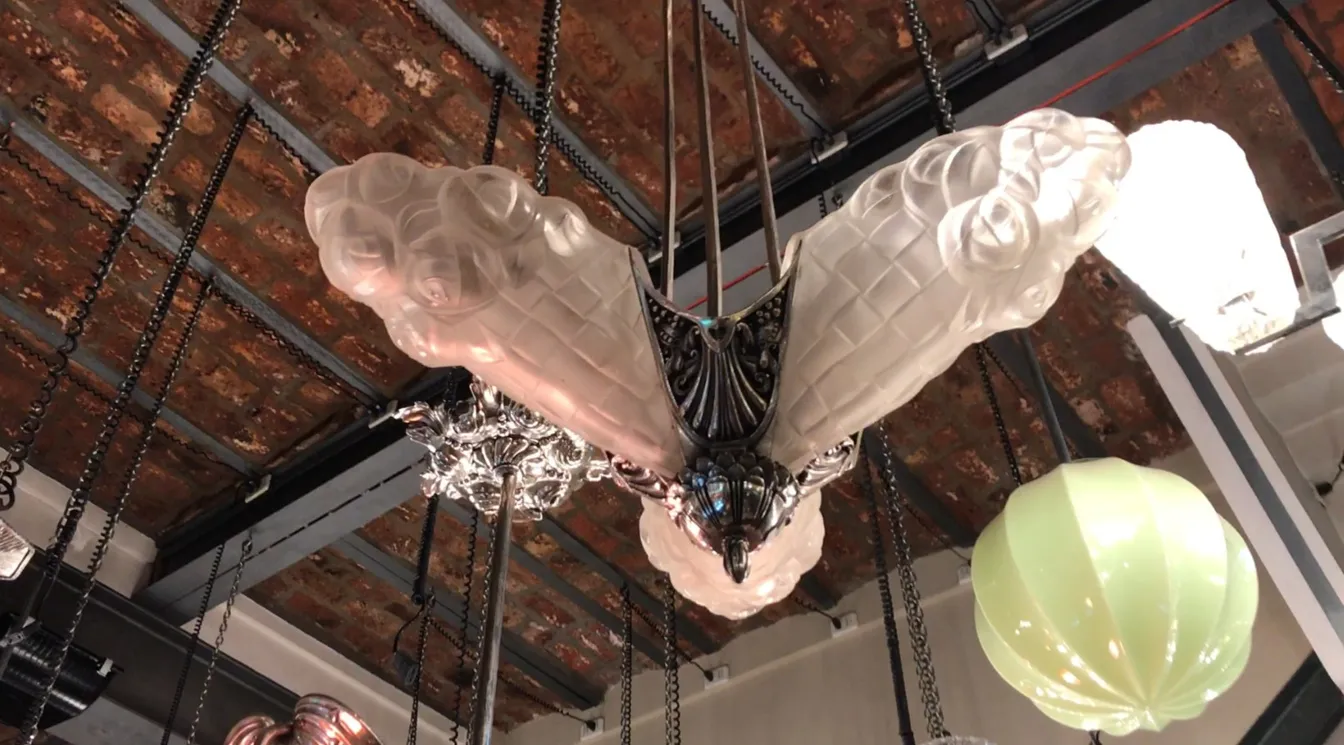
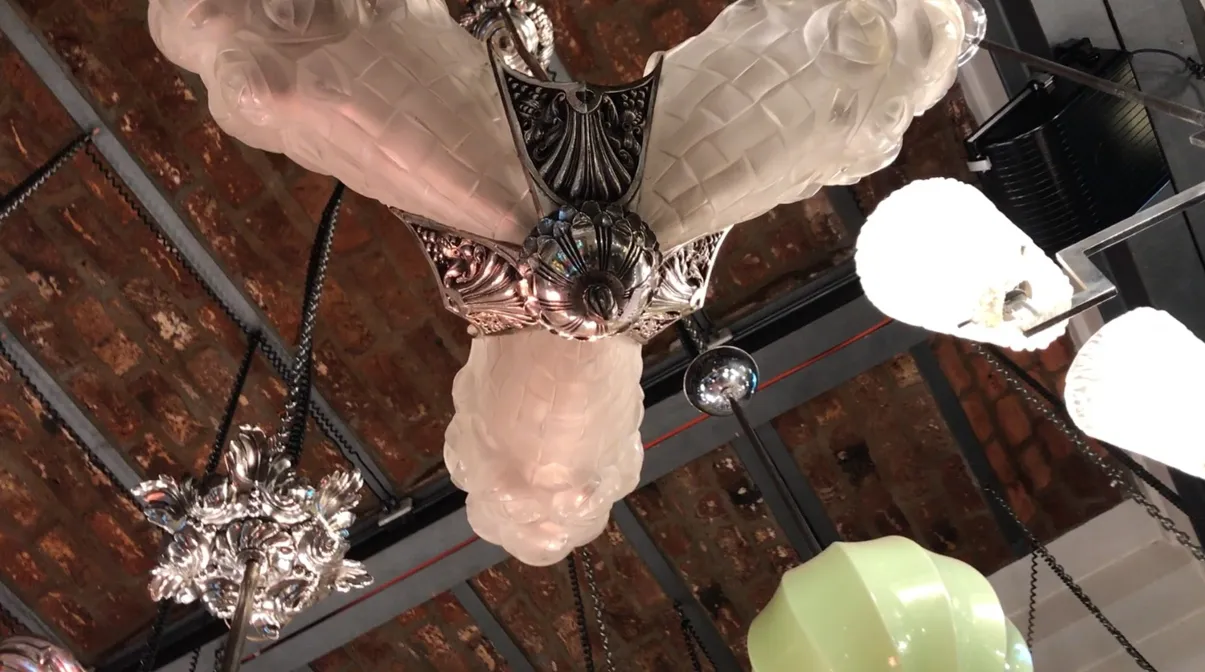
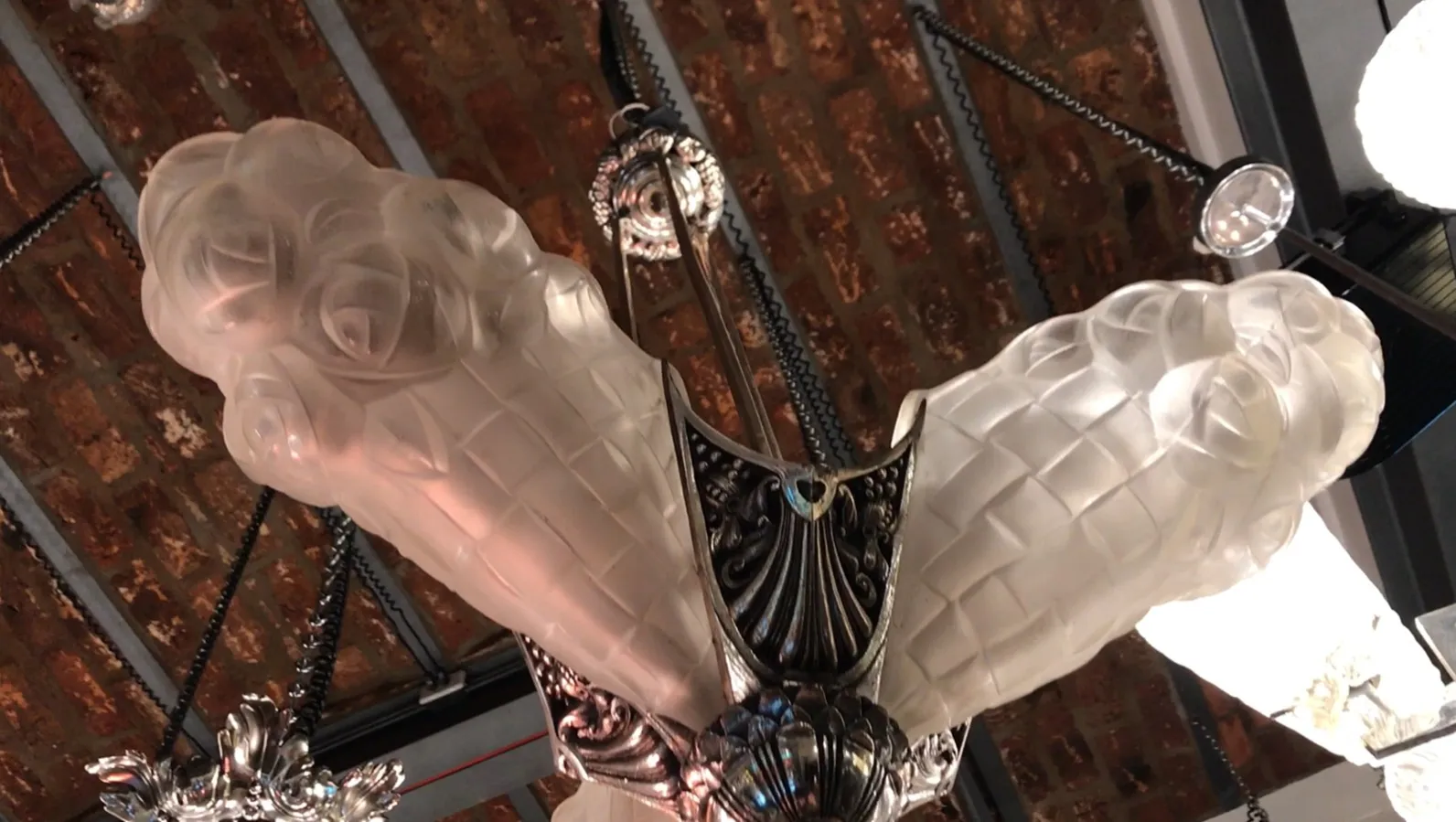
After the Paris Decorative Arts Exhibition in 1925, David Gueron moved his factory to Paris in 1926 "Verrerie D'Art Degue" and focused all his attention on the design and production of luxury glasswork in the Art Deco style.
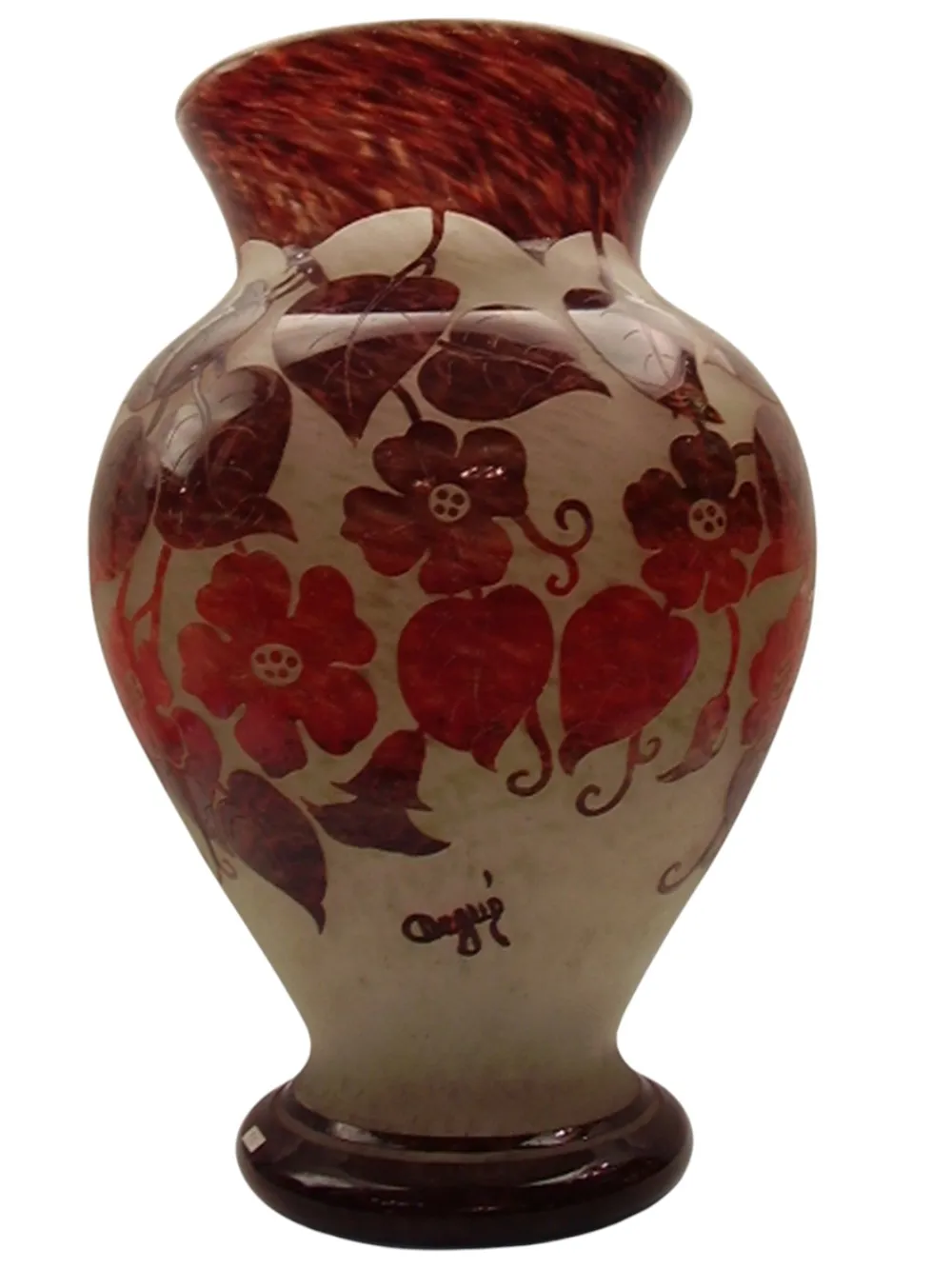
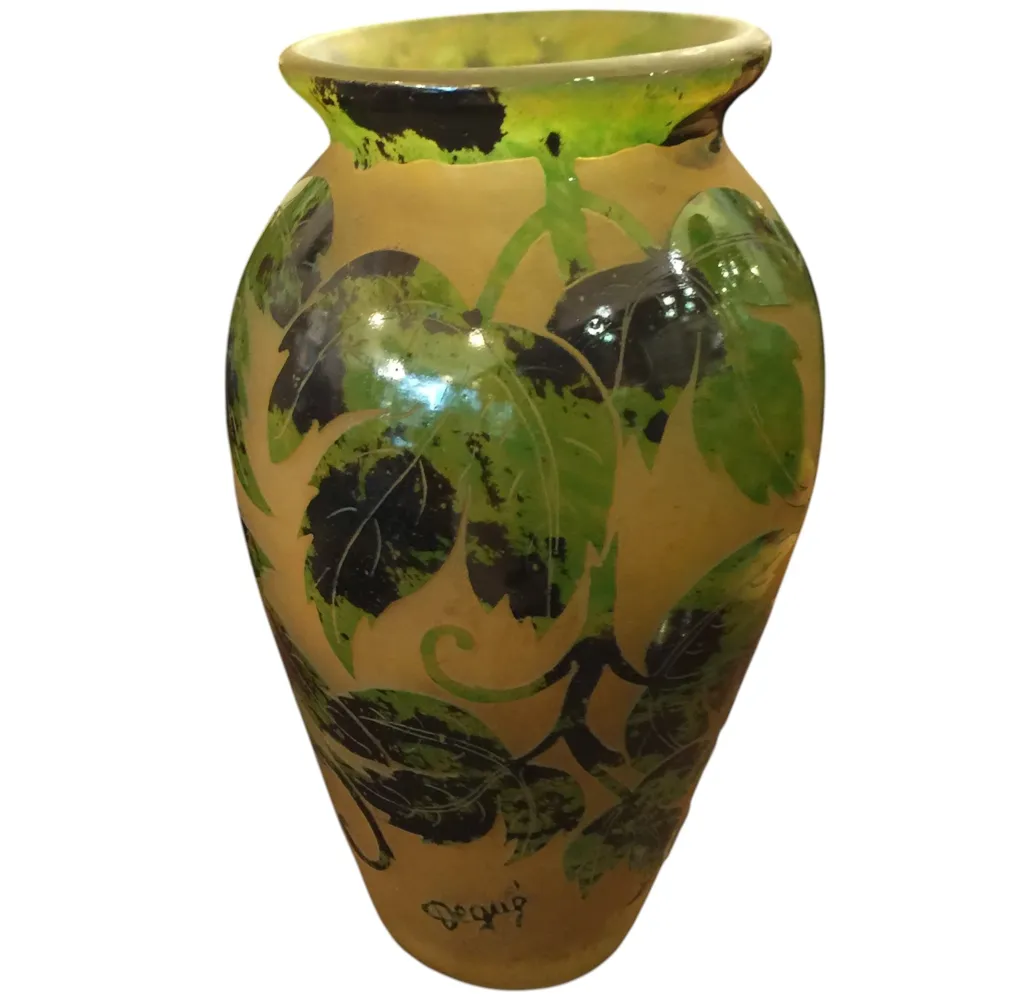
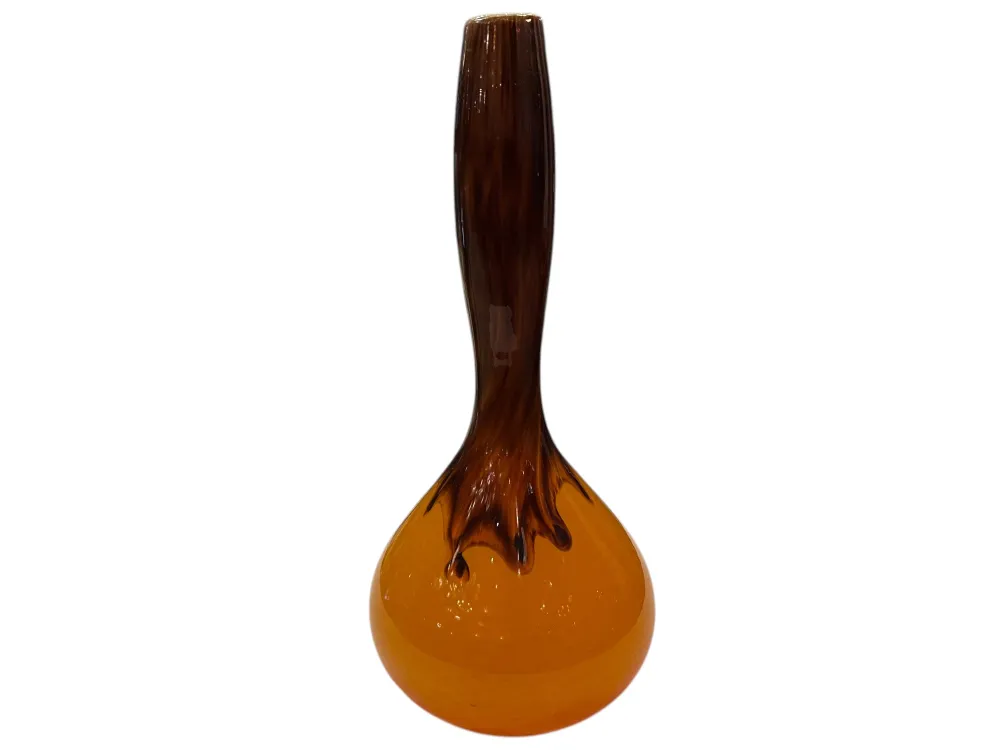
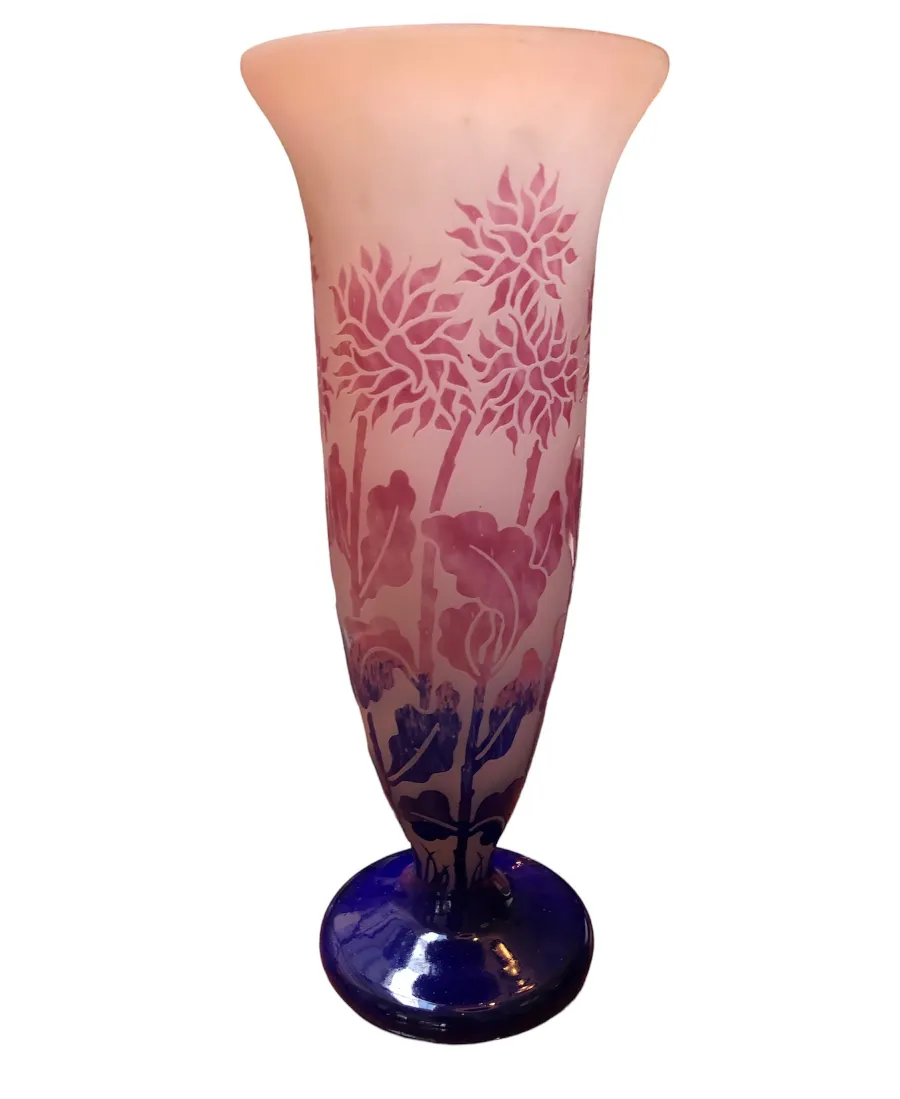
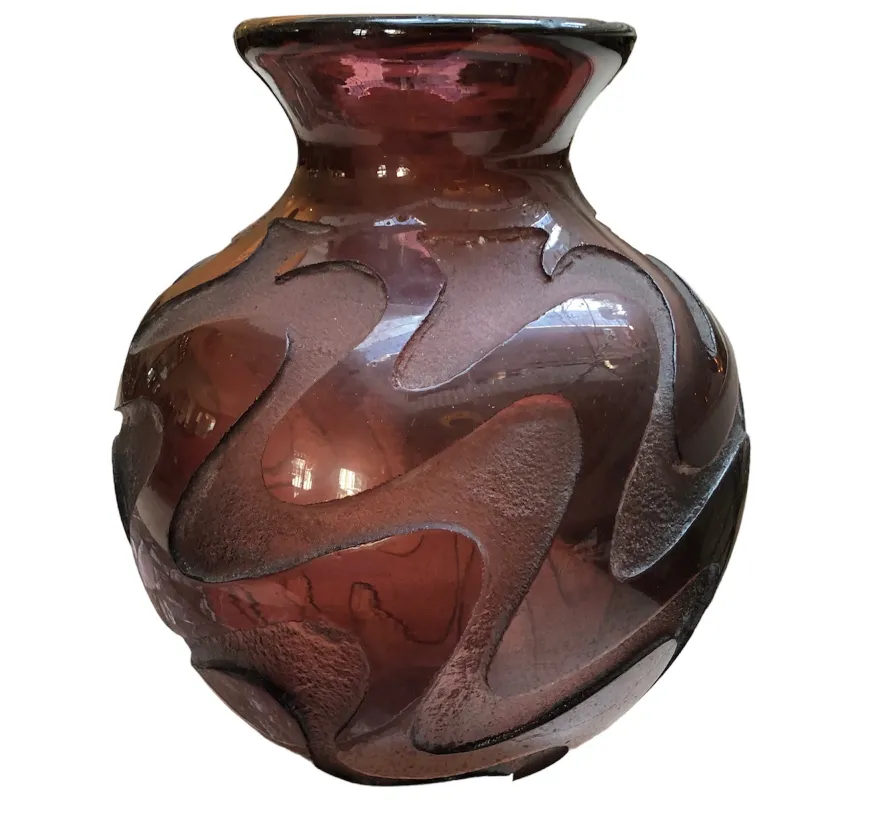
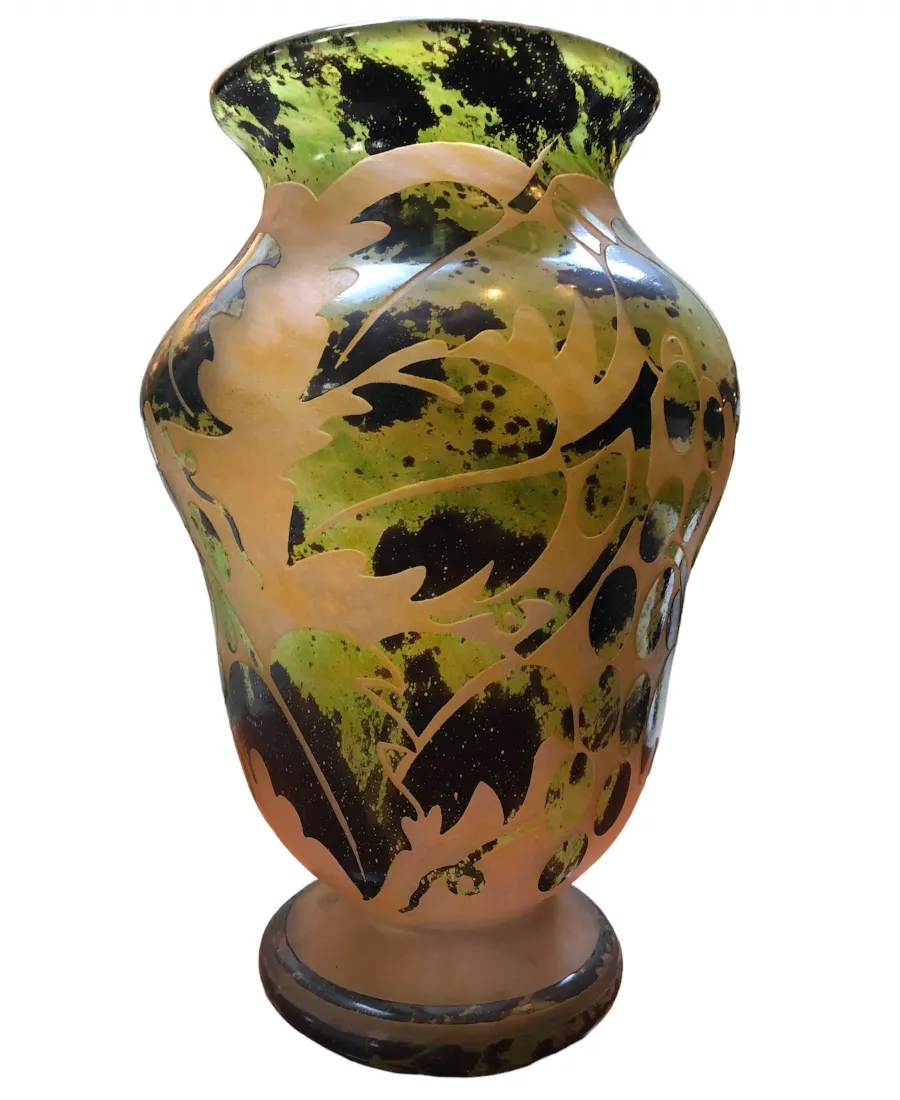
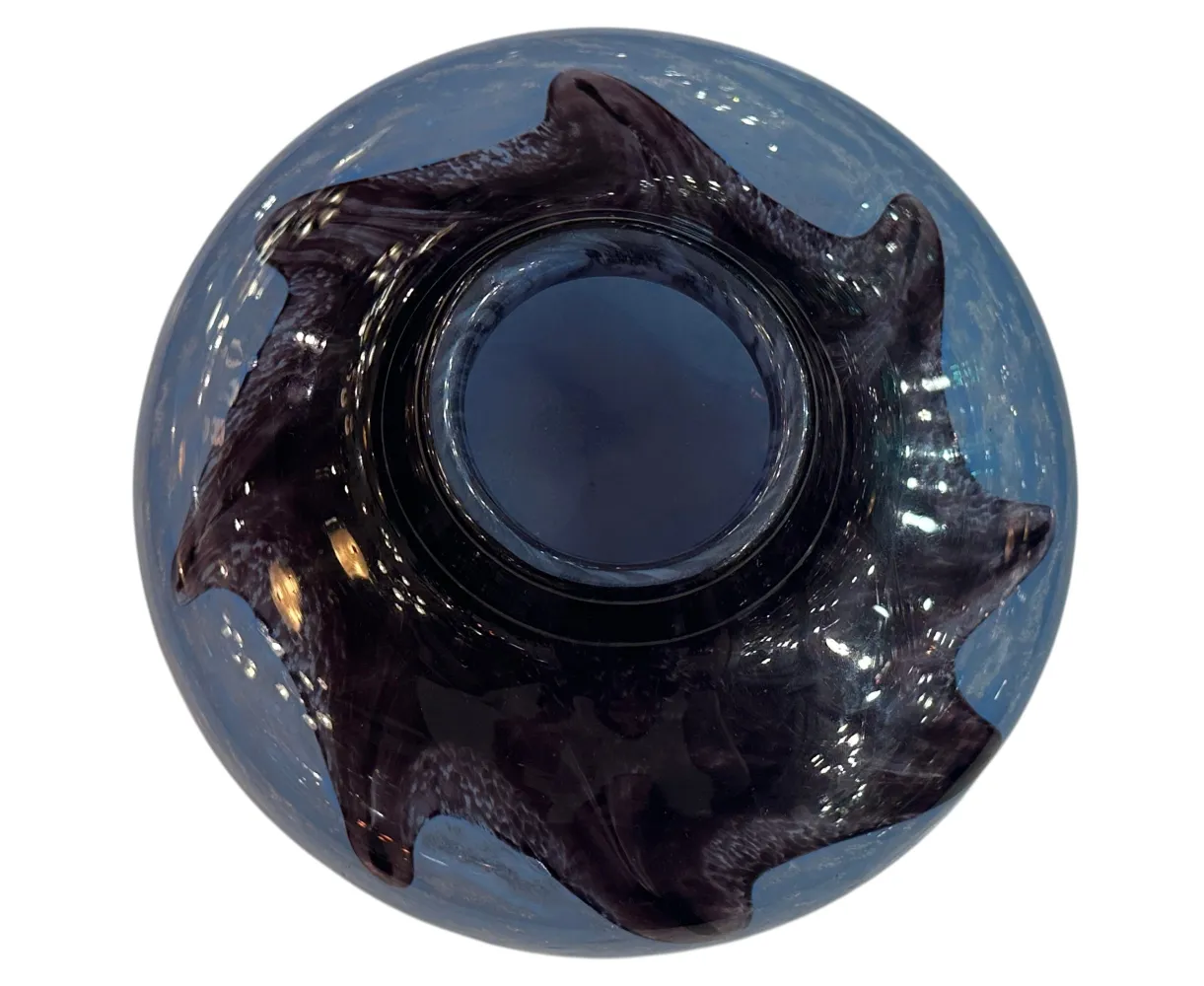
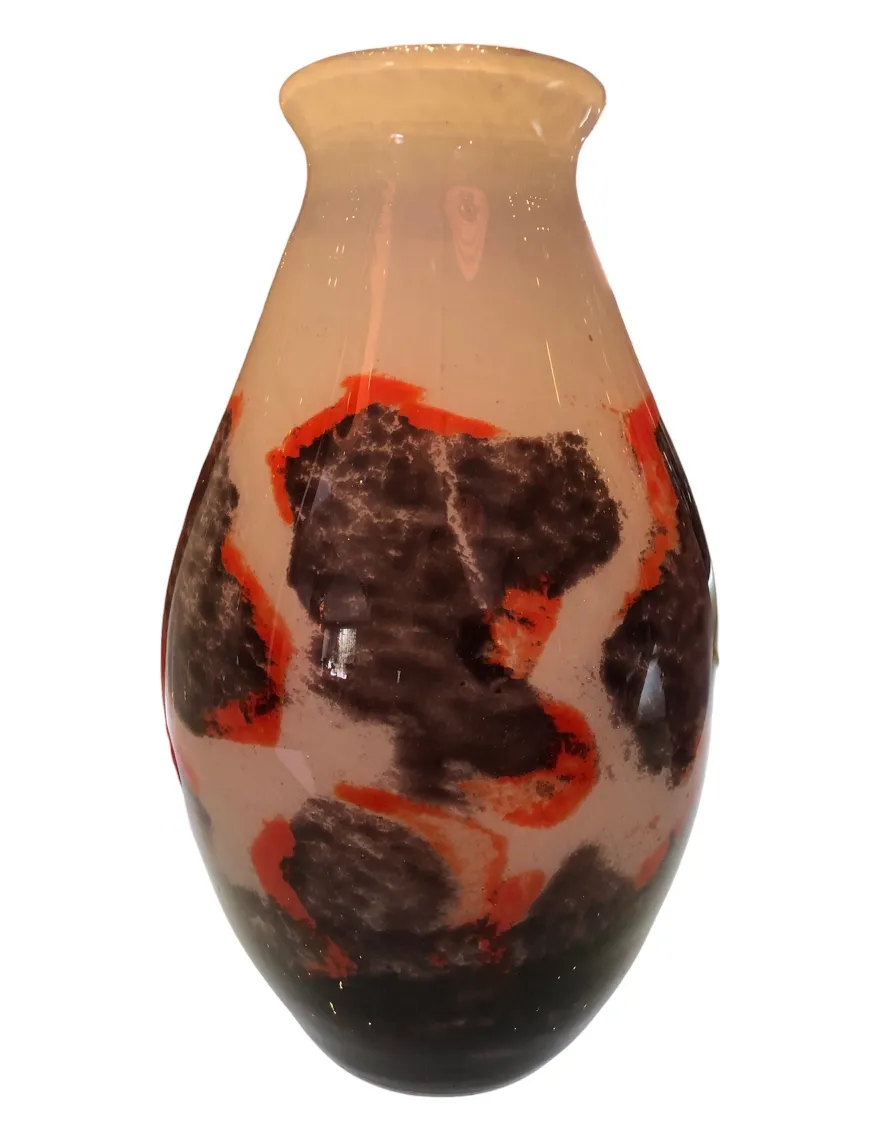
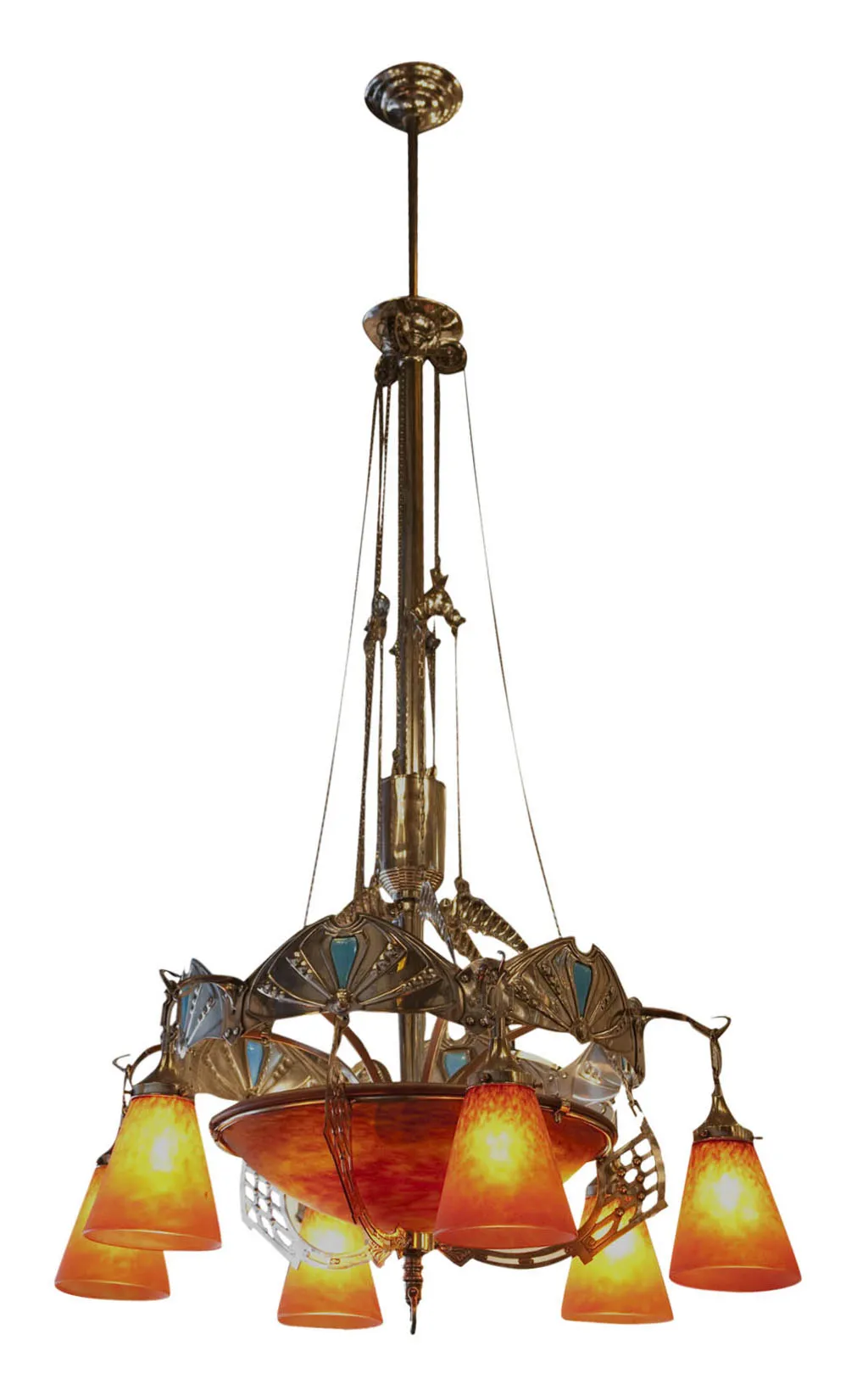
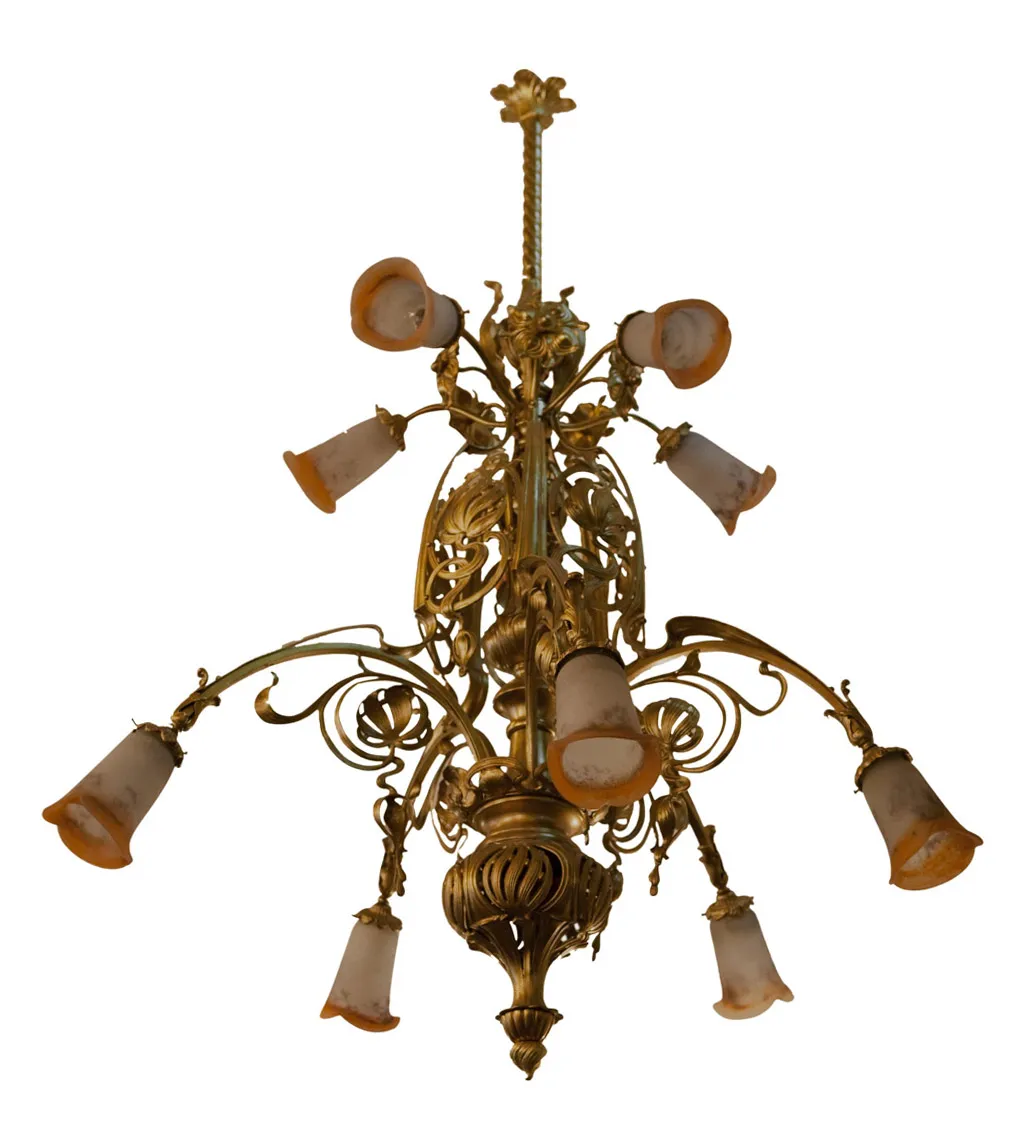
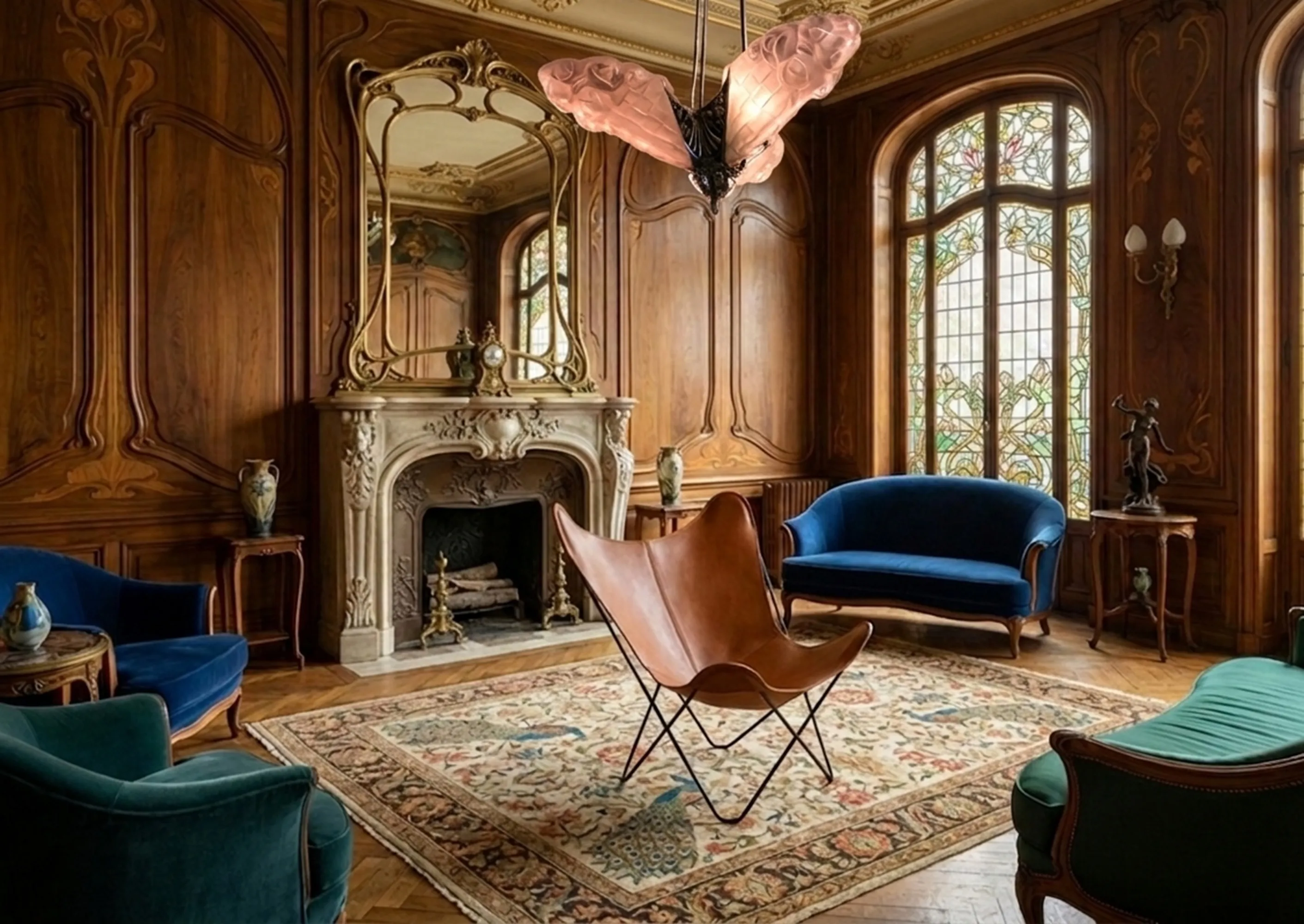
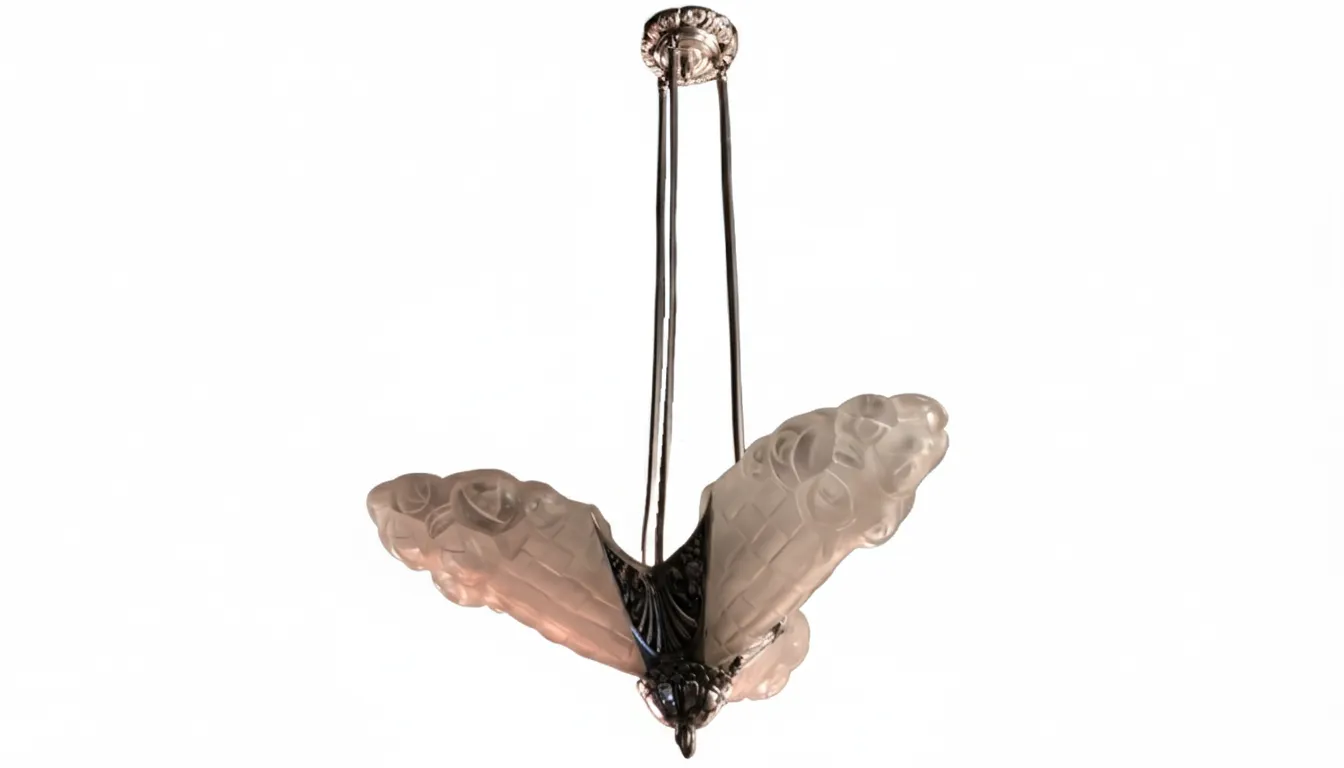
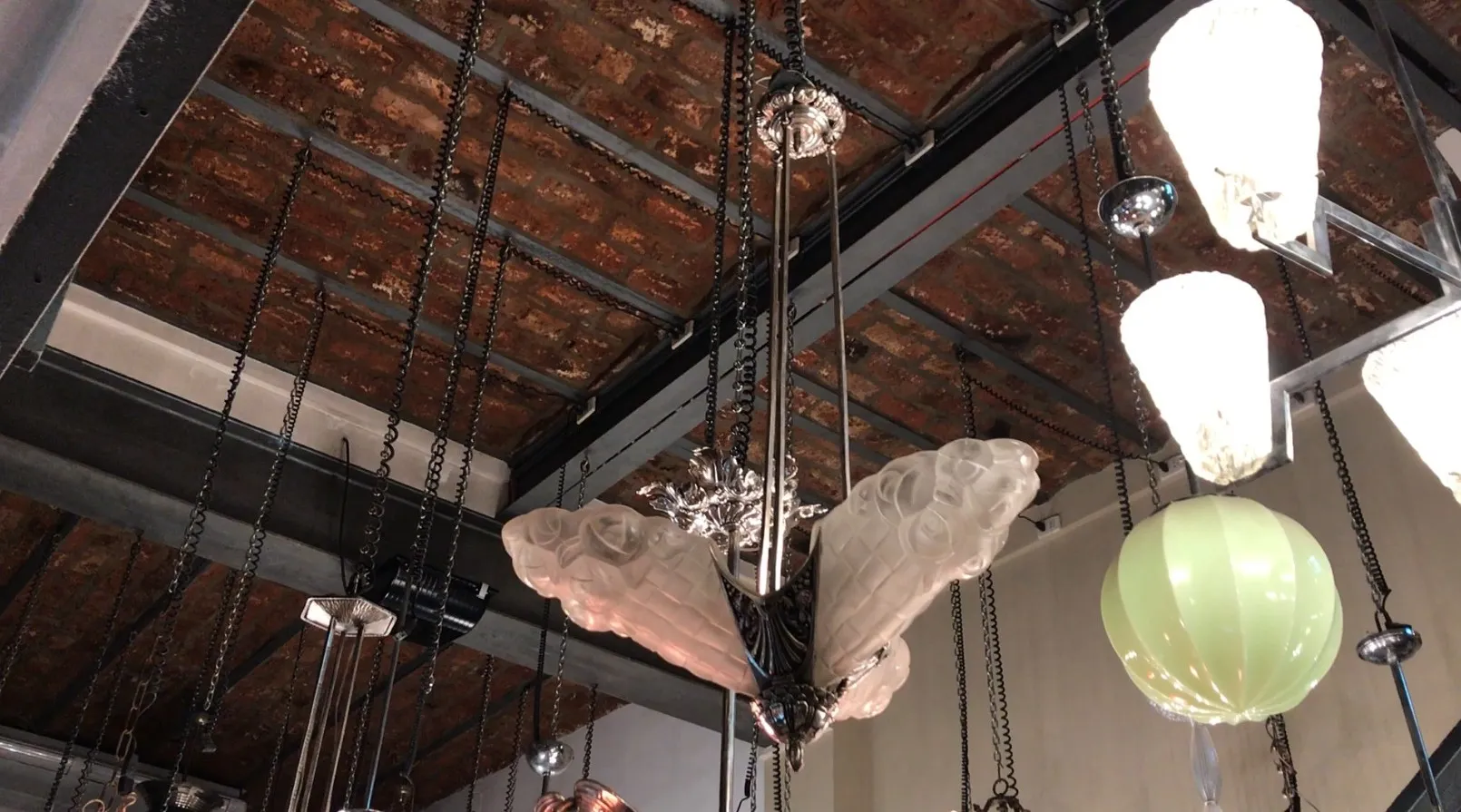
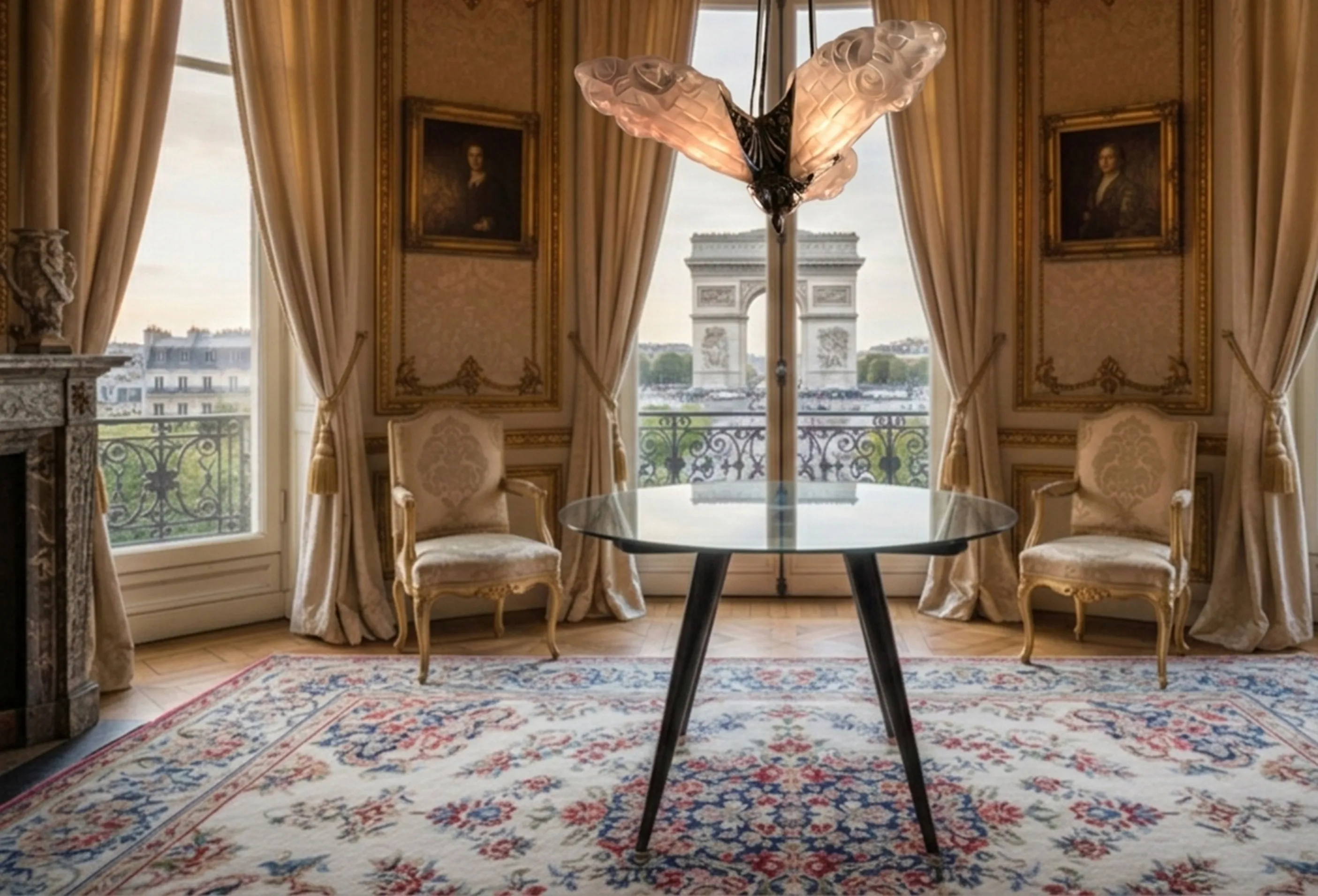
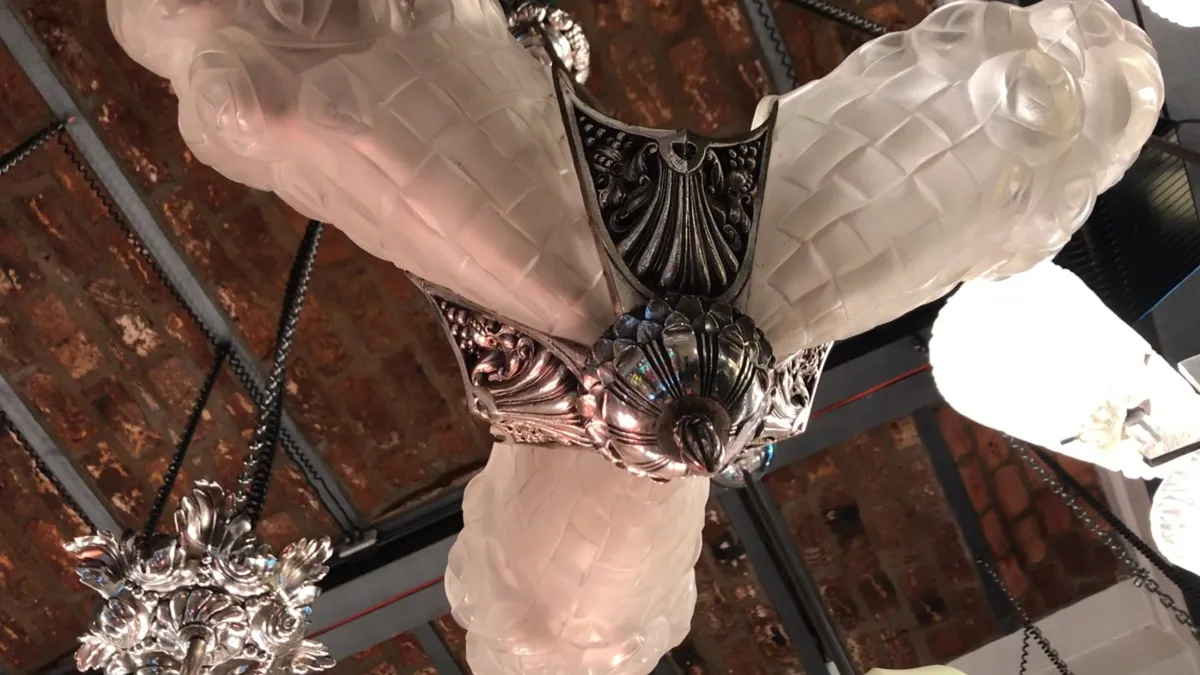
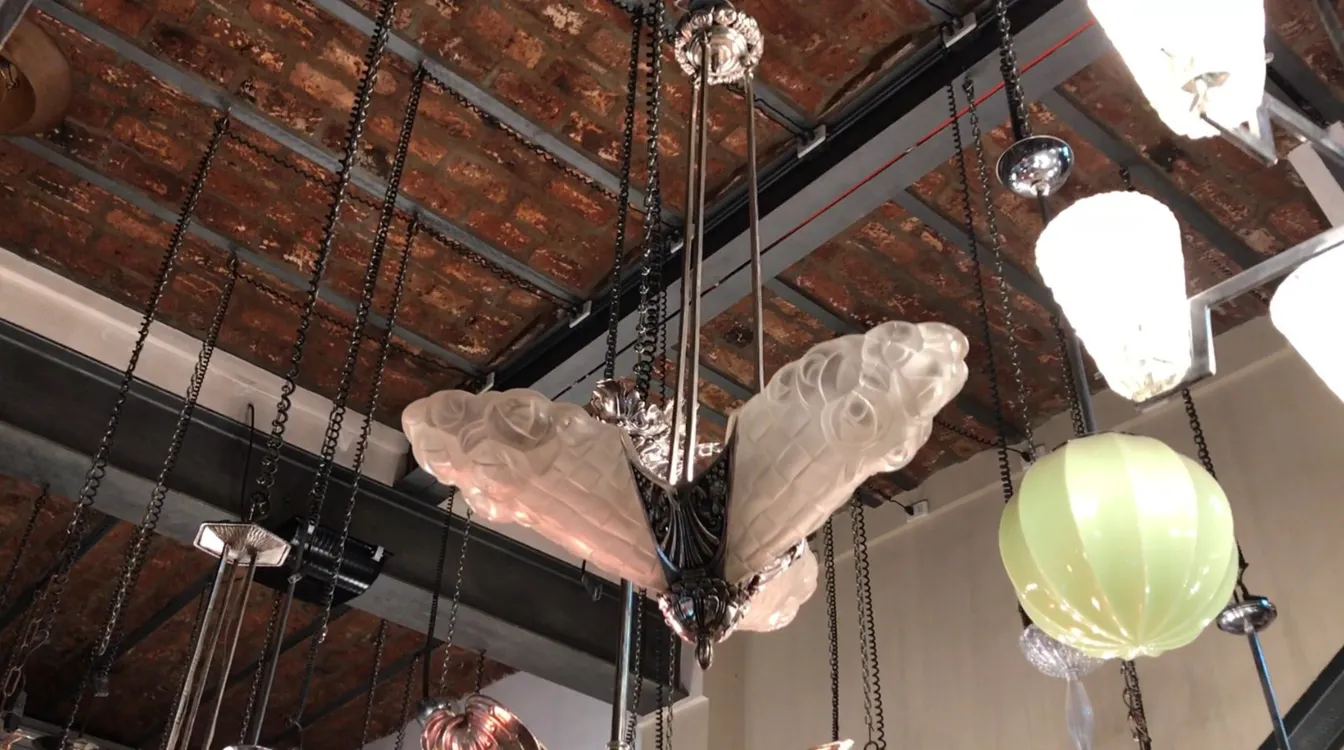
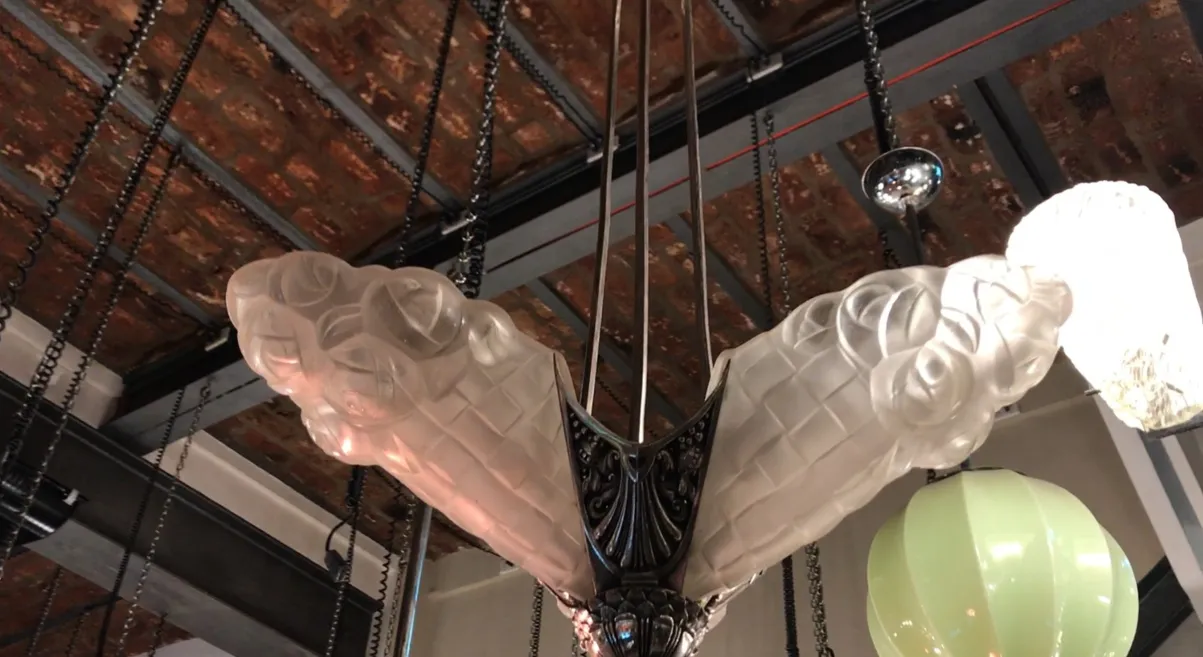
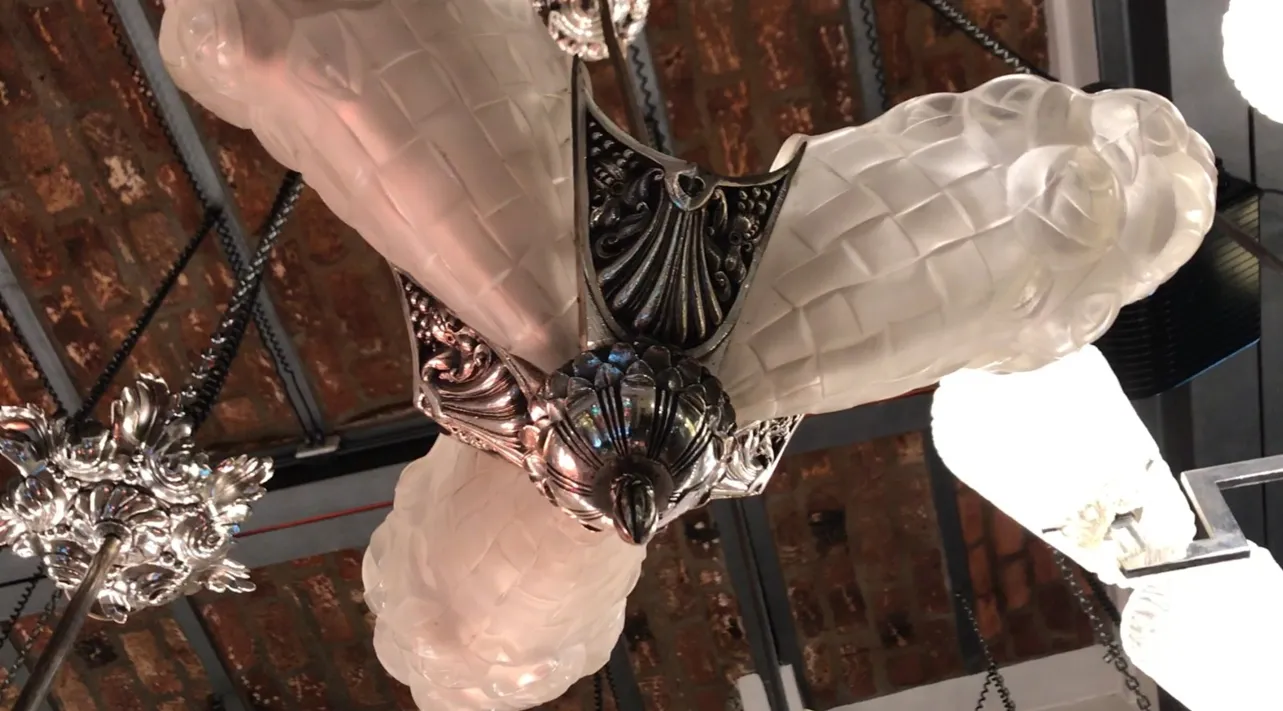
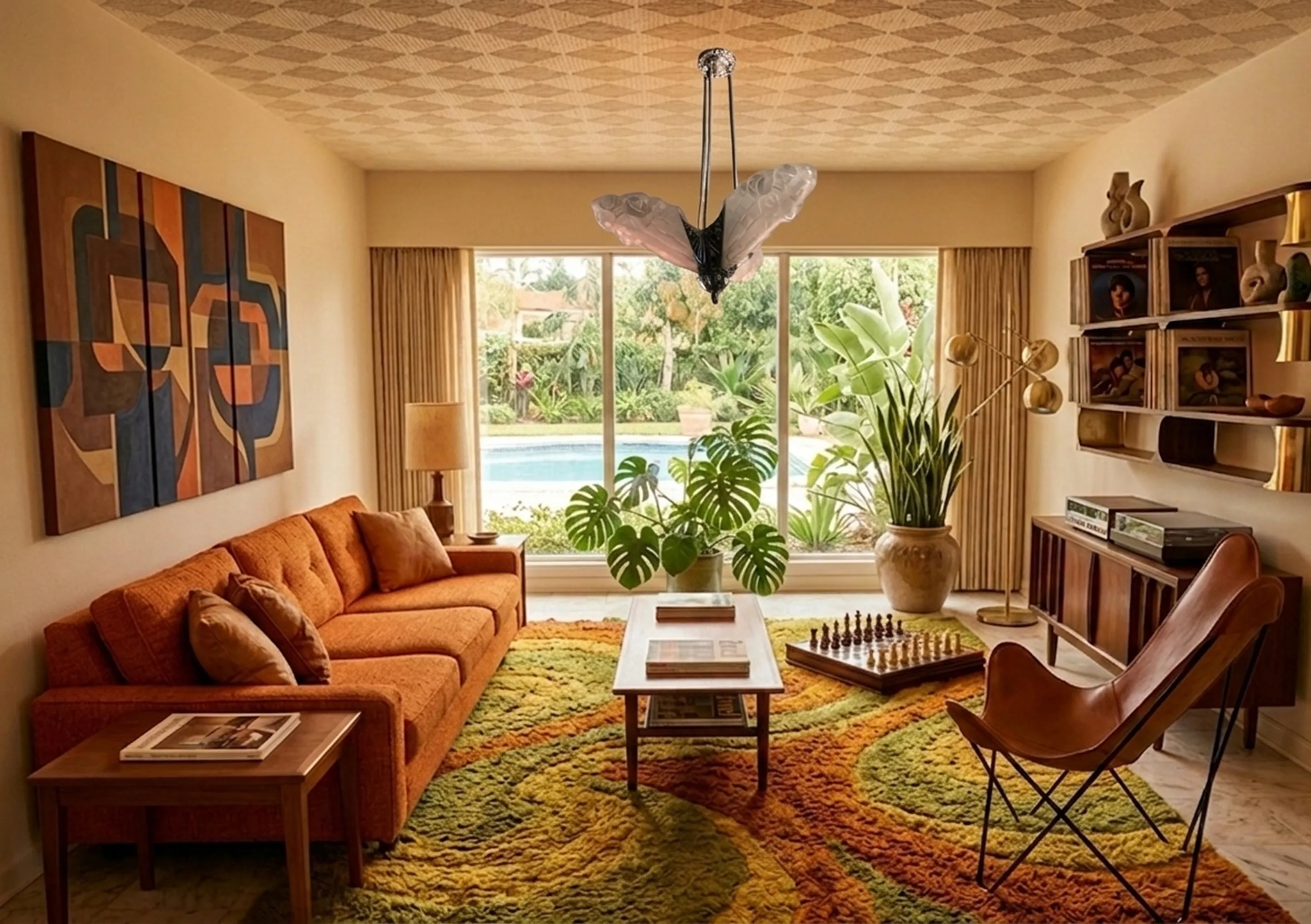
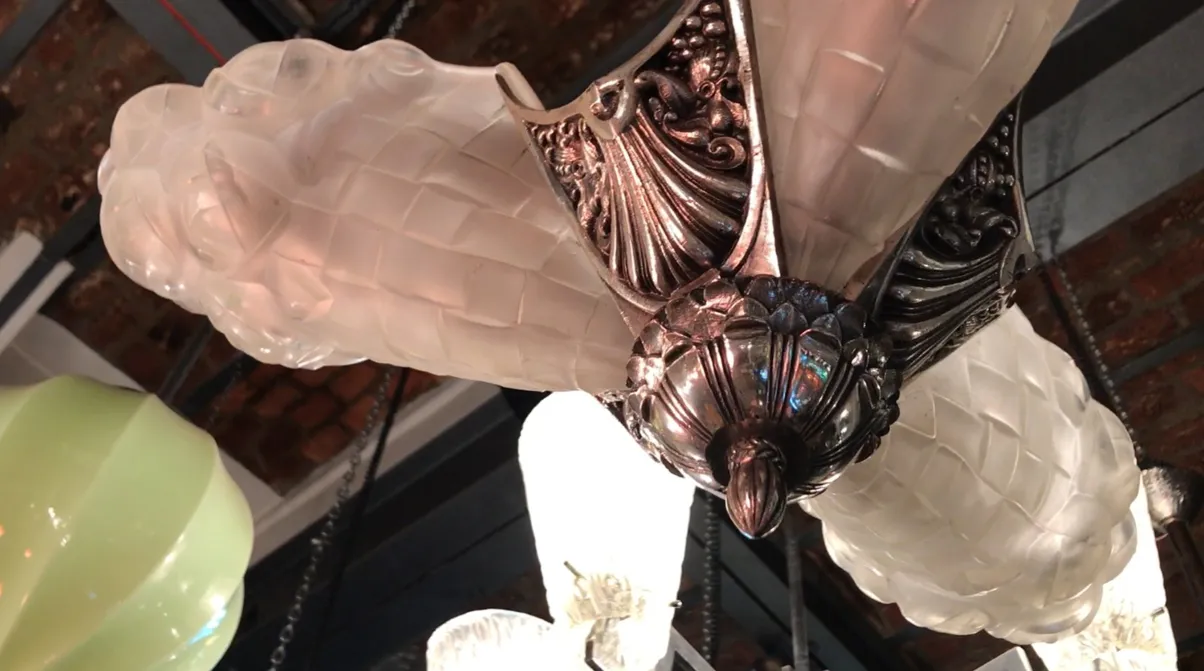
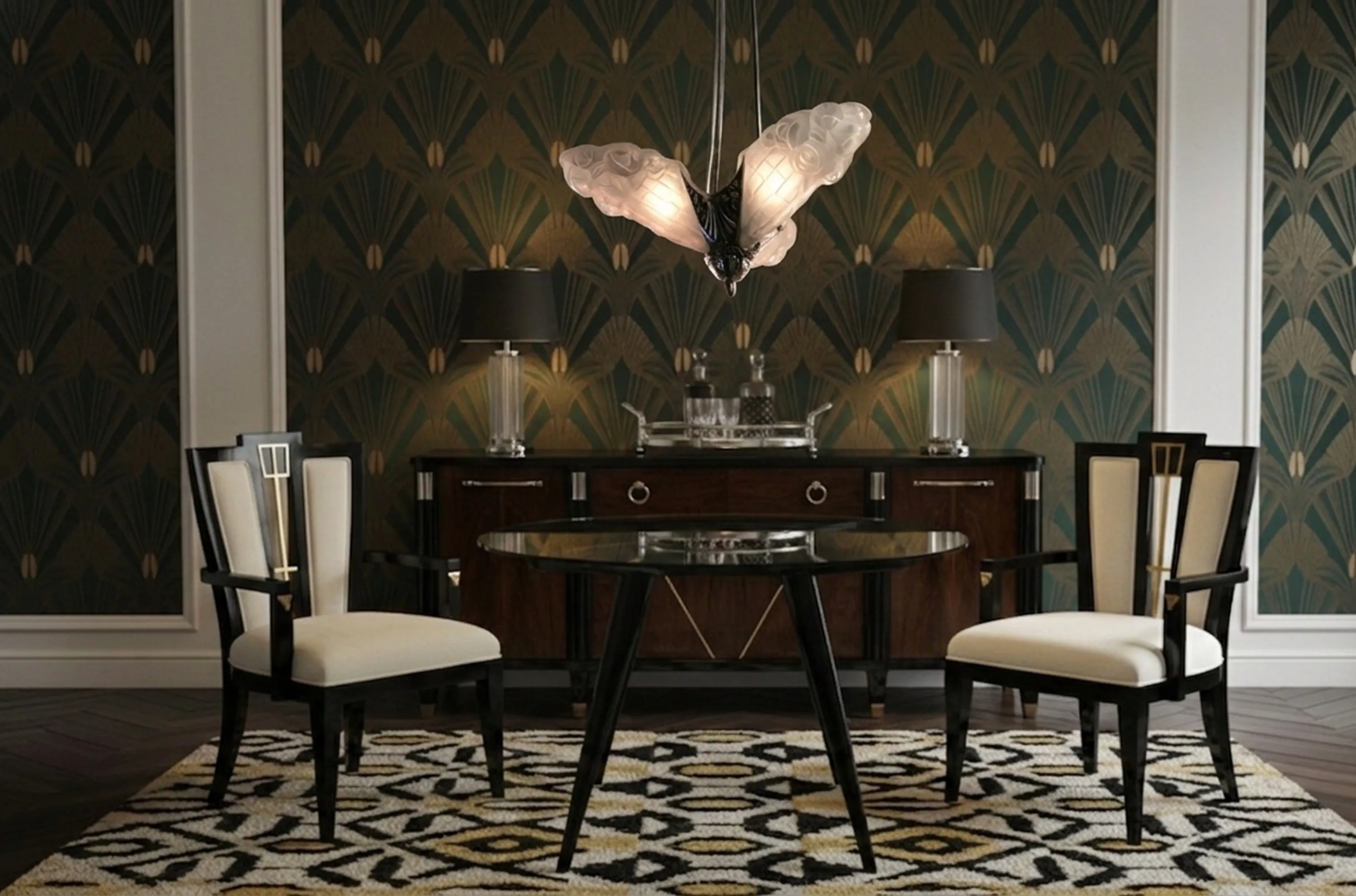
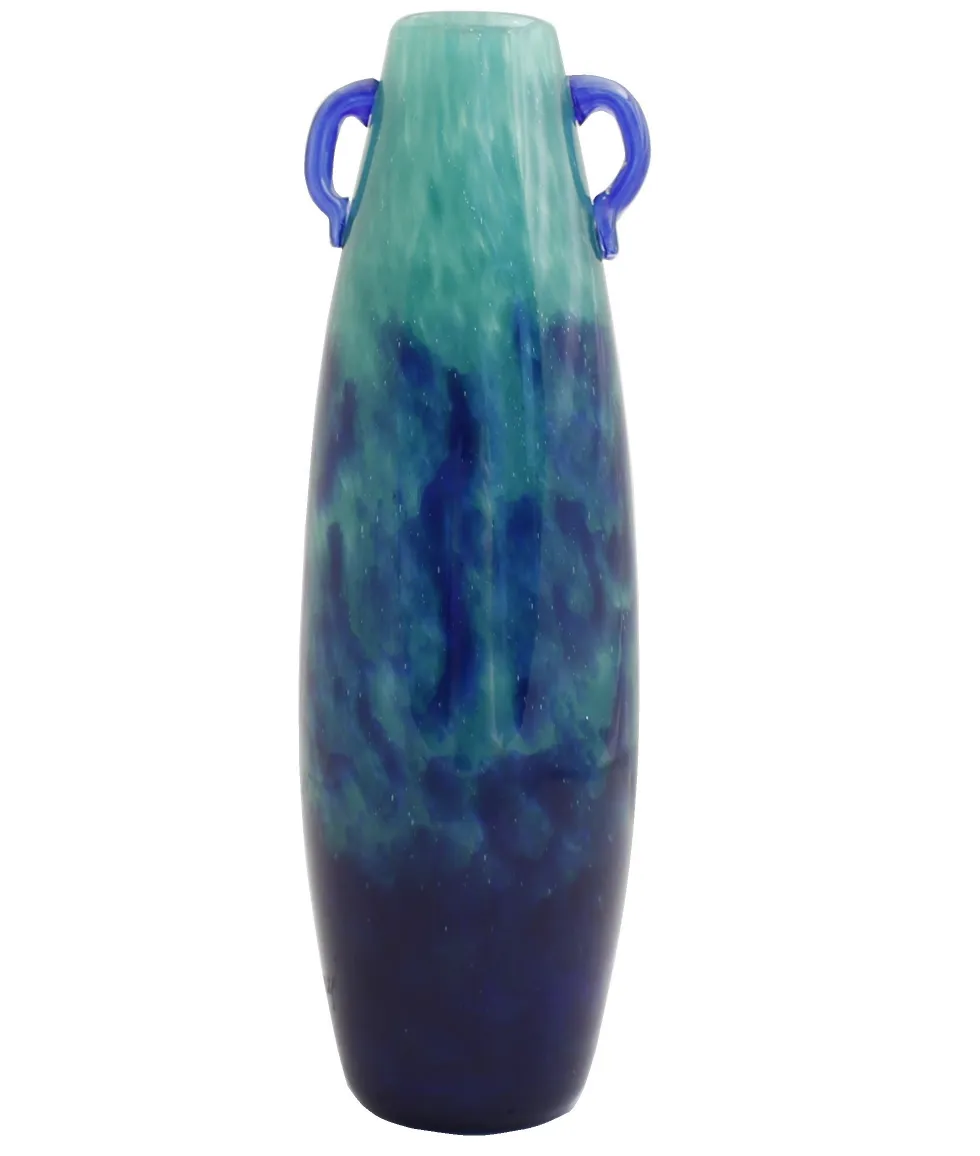
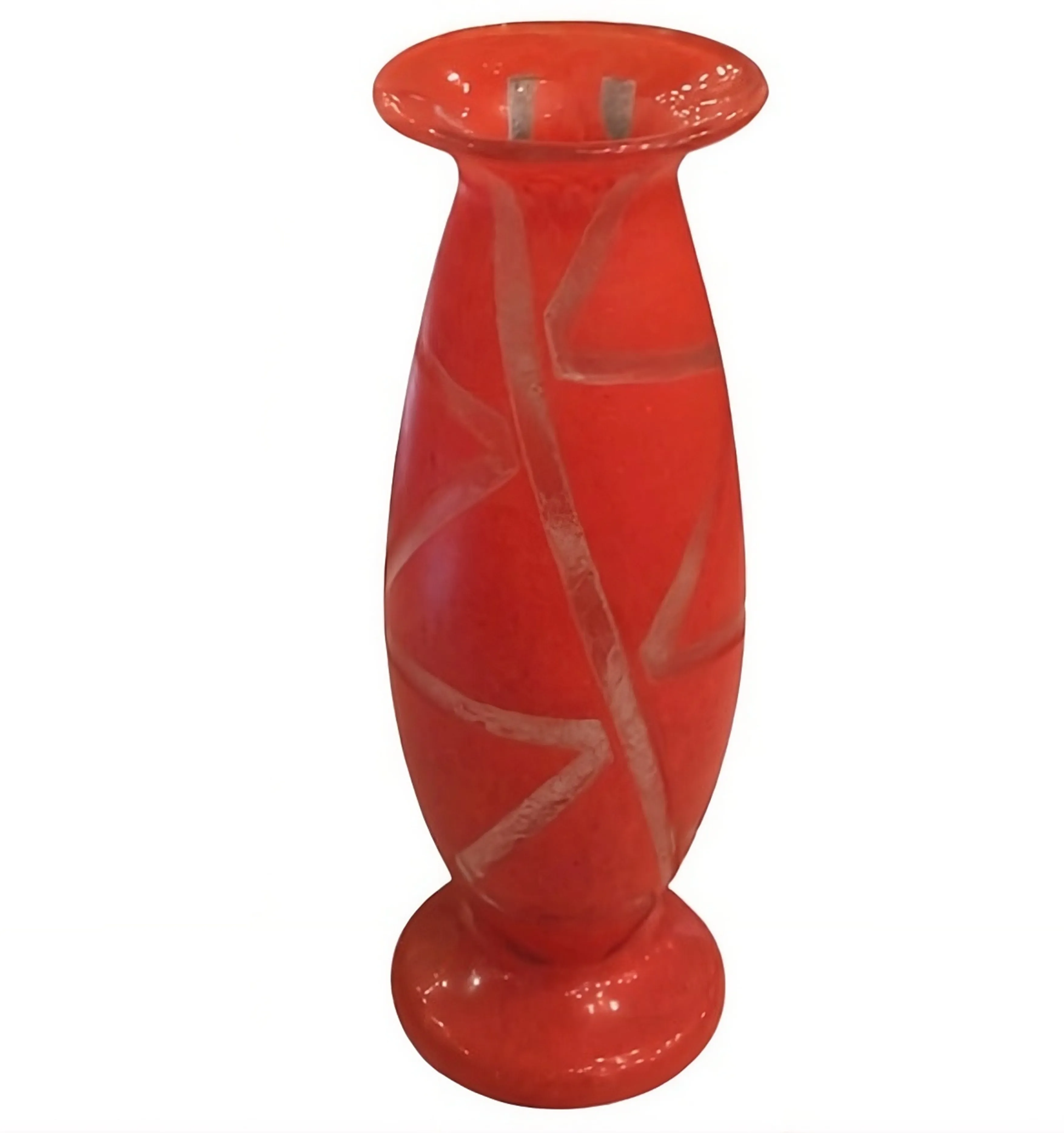
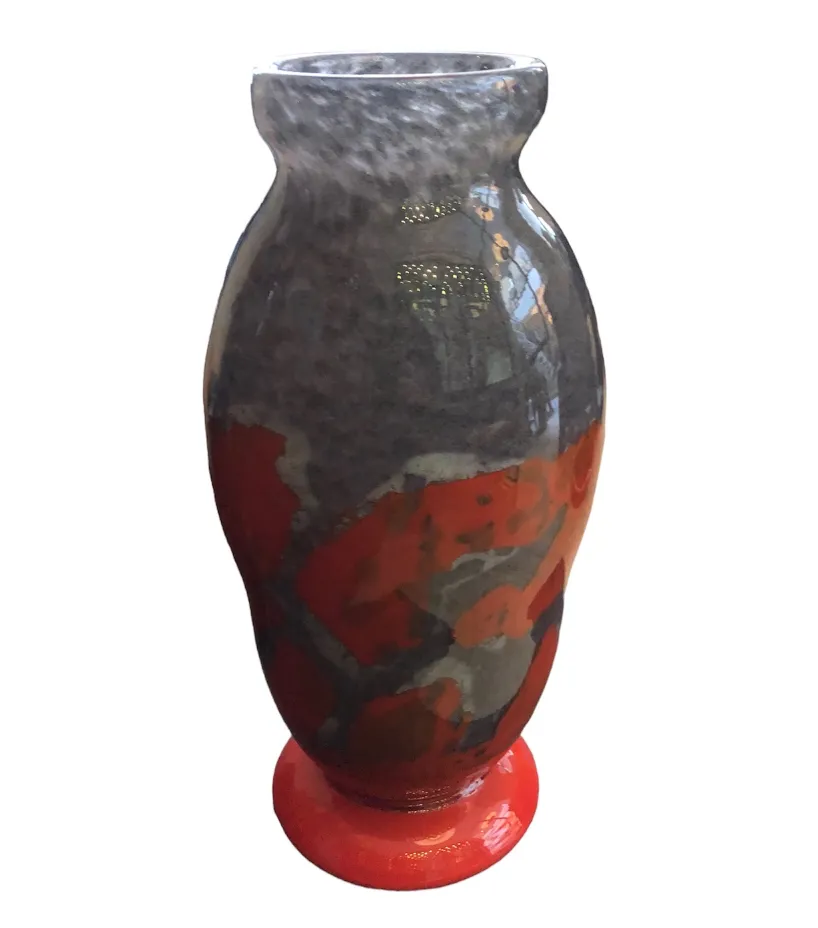
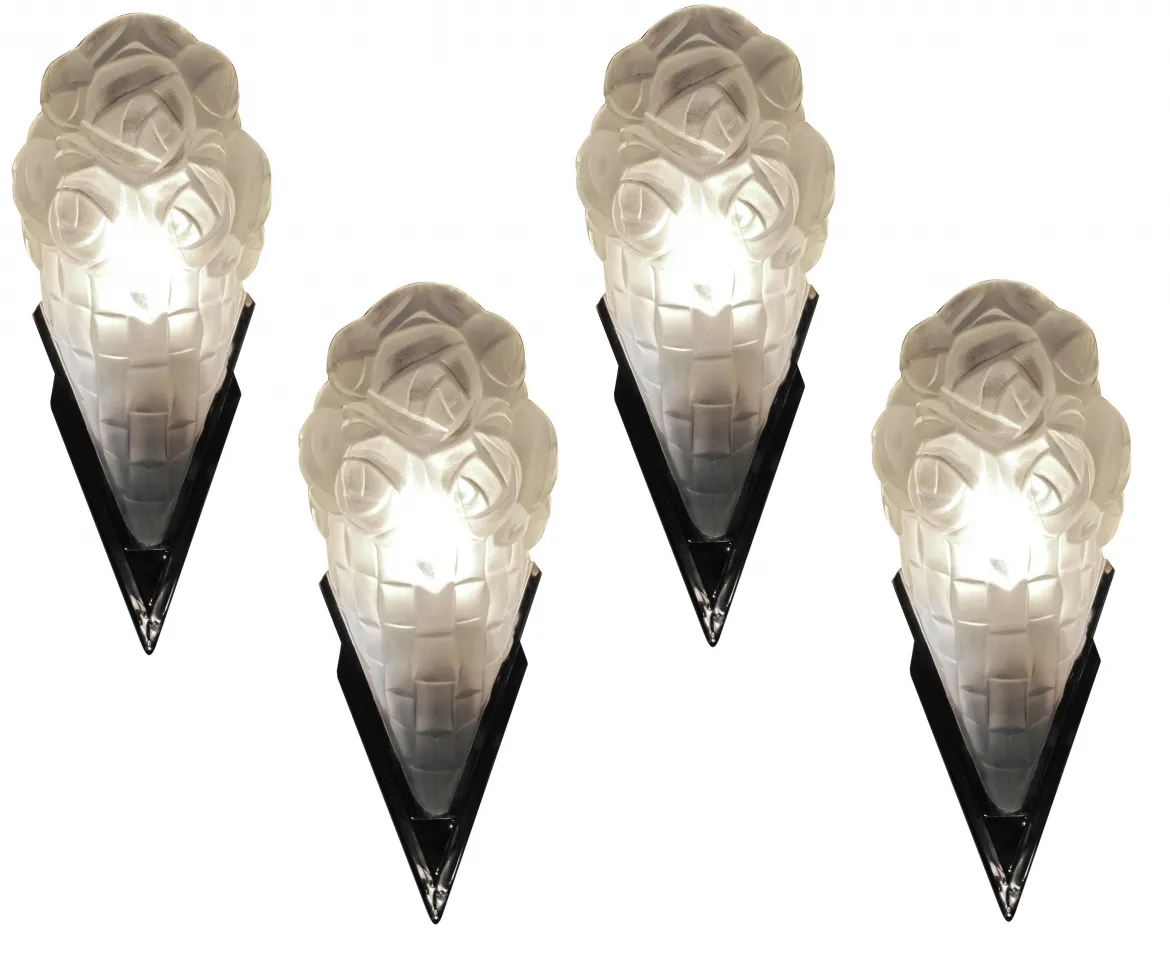
His factory is located on the "Boulevard Malesherbes" and his showroom was at "41 rue de Paris". Gueron primarily produces vases, lamps, and chandeliers. His glasses are known for being filled with deep colors, especially red, orange, yellow, and green.
He participated in the creation of over 6,000 glass panels for the famous French ocean liner Normandie.
When World War II began, David closed the factory.



 Share
Share







1787264397.webp)