Home / Products / chairs - armchairs- stools / desk chairs - sidewalks←Back

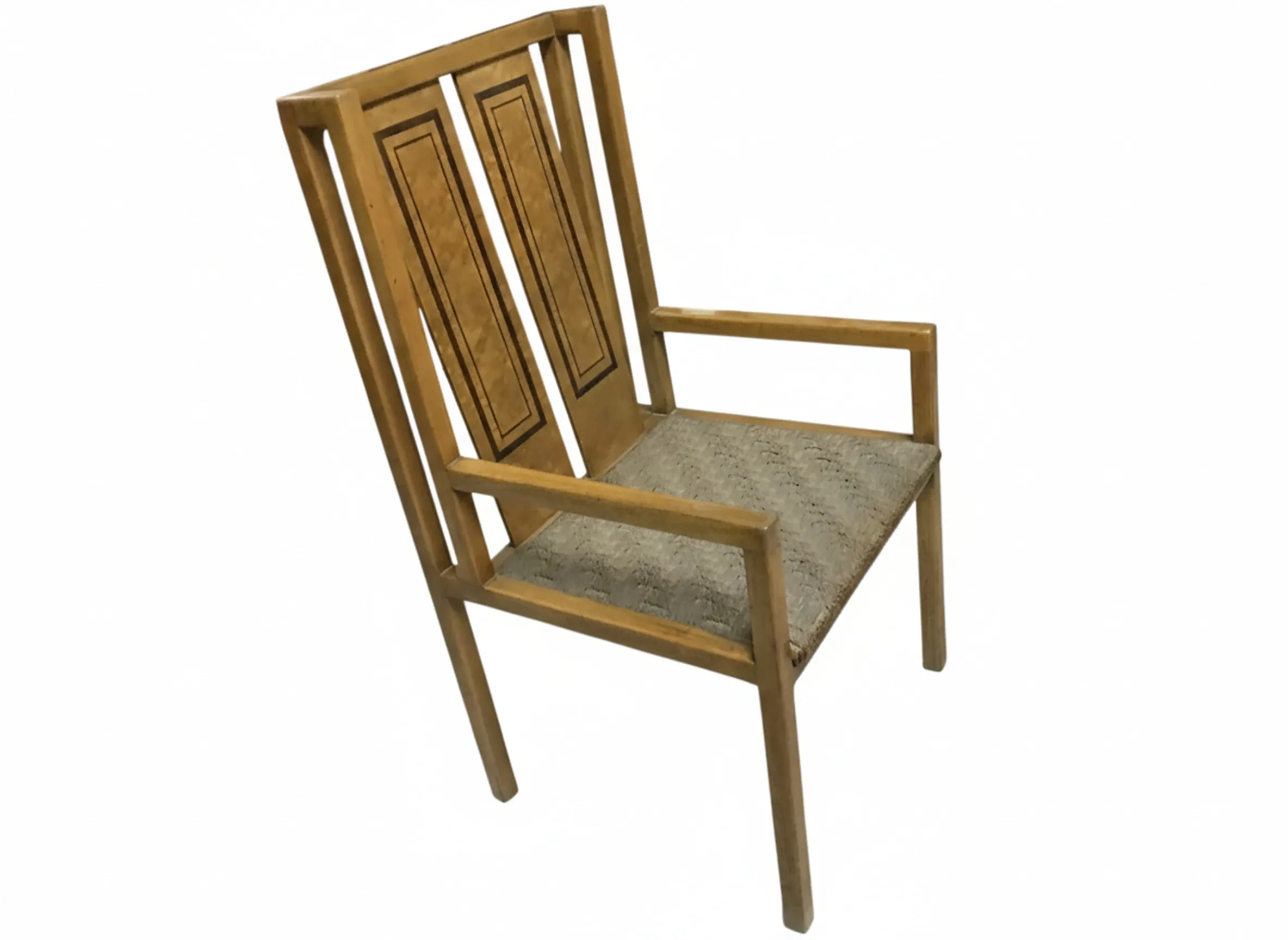
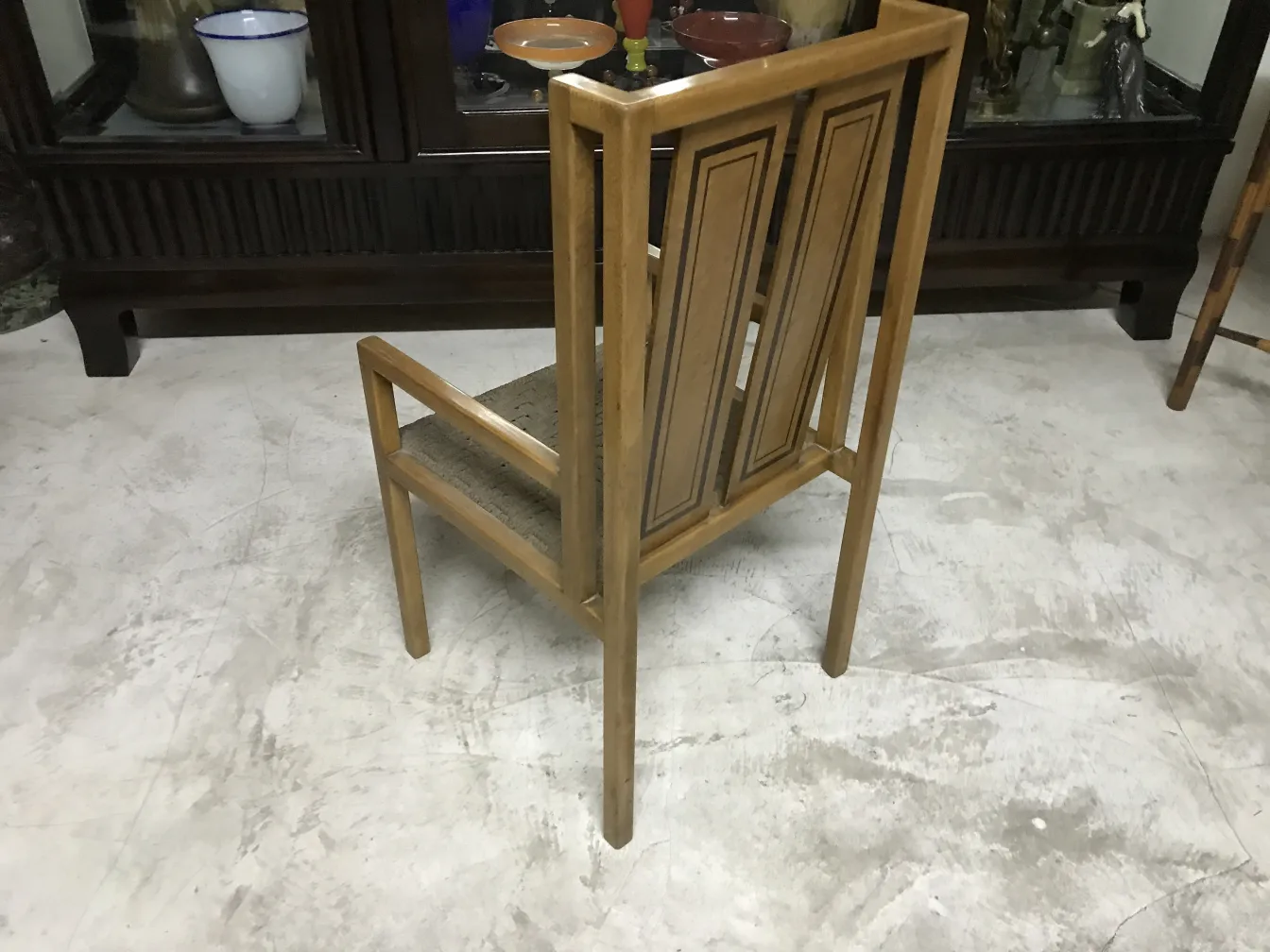
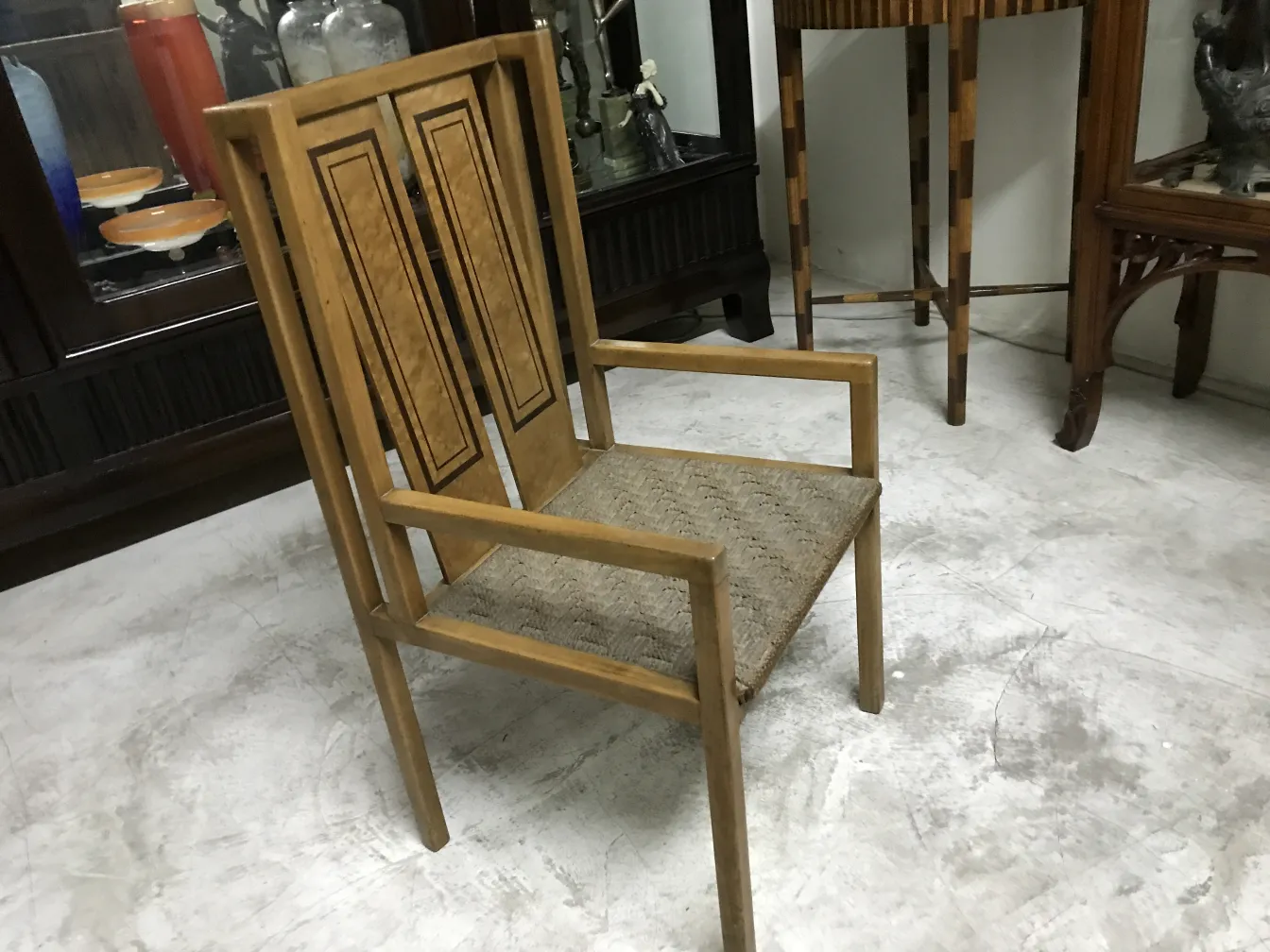
Child's armchair

(attributed Wilhelm schmidt)

F-AC-04
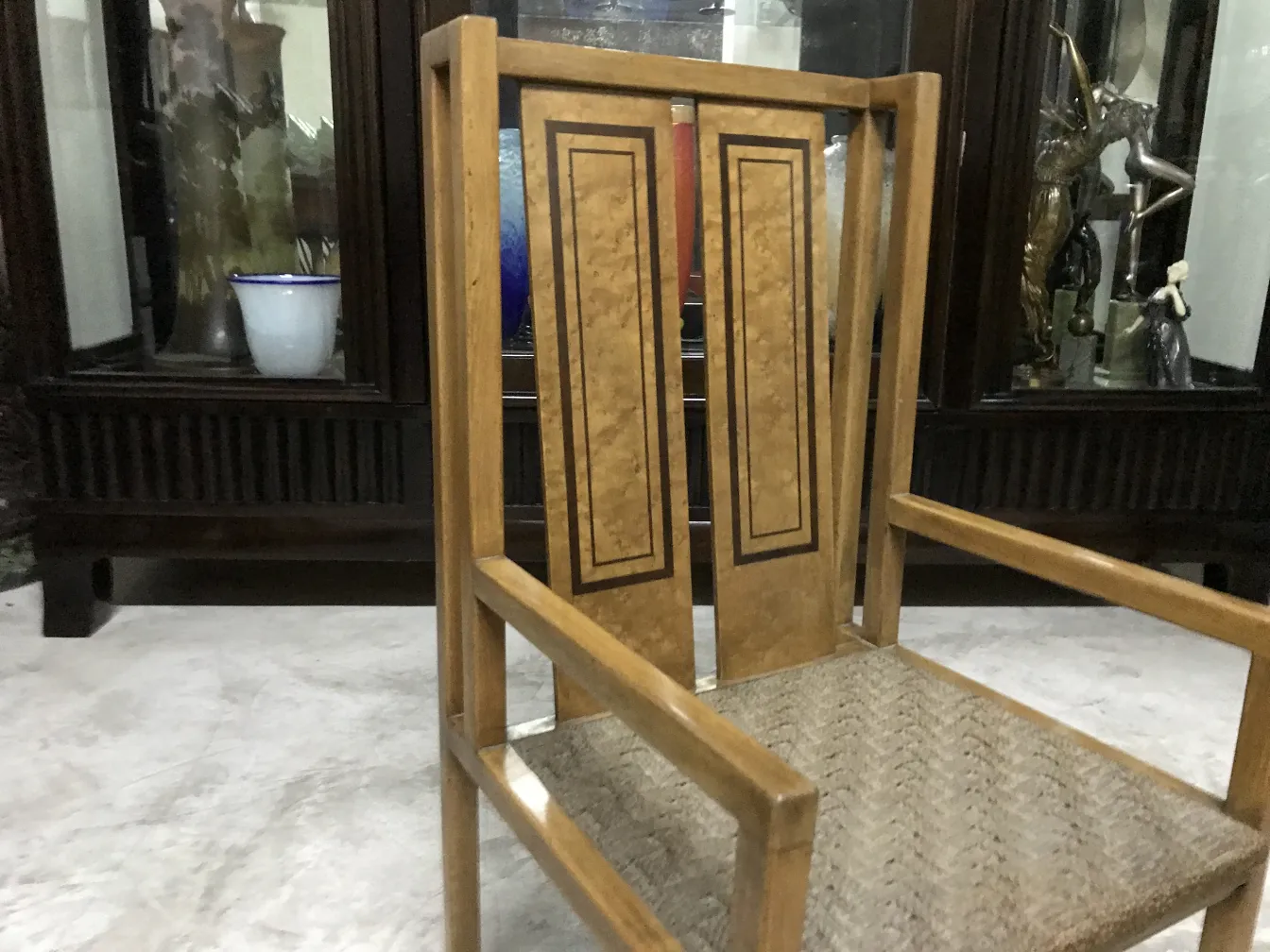
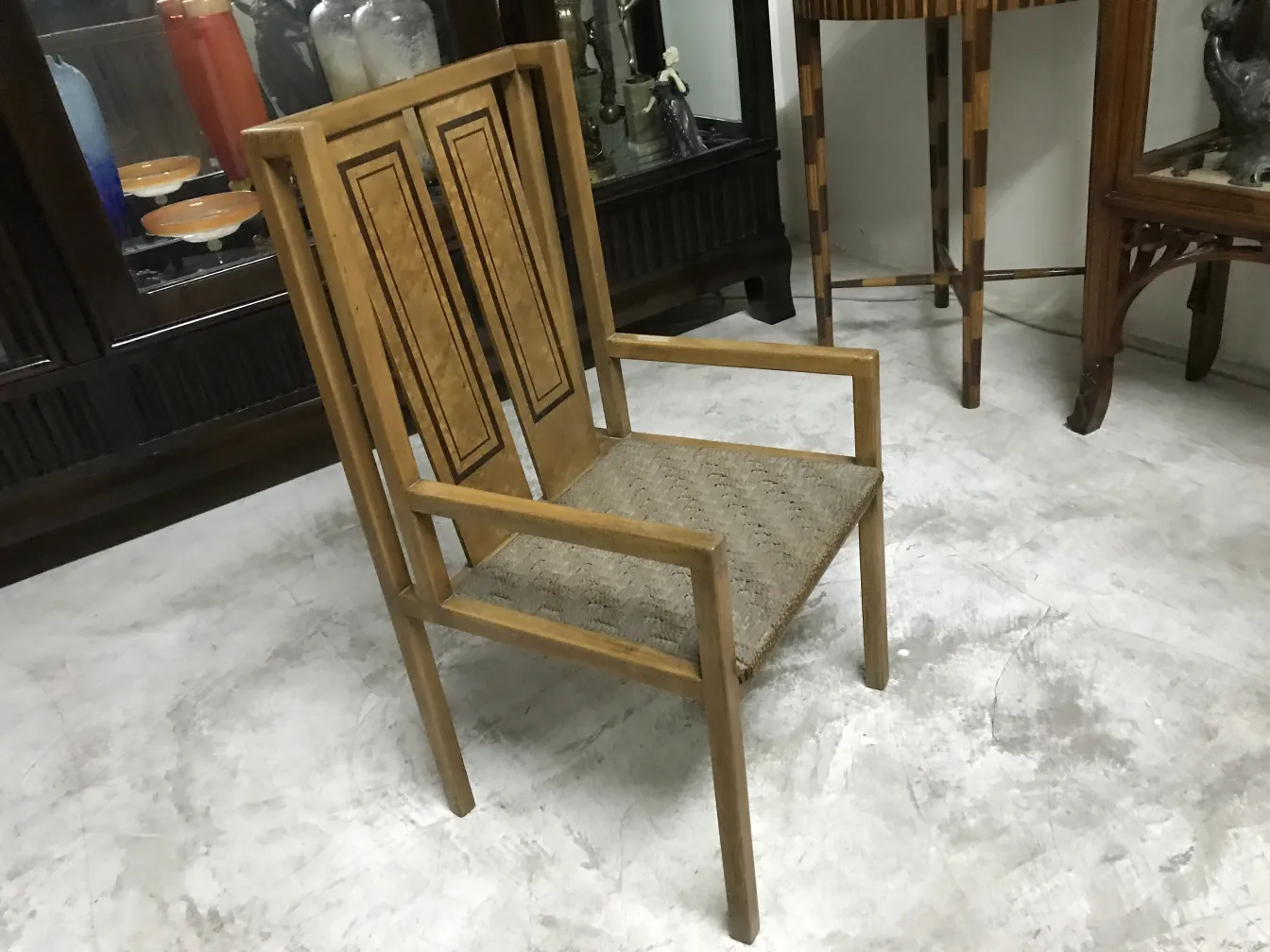
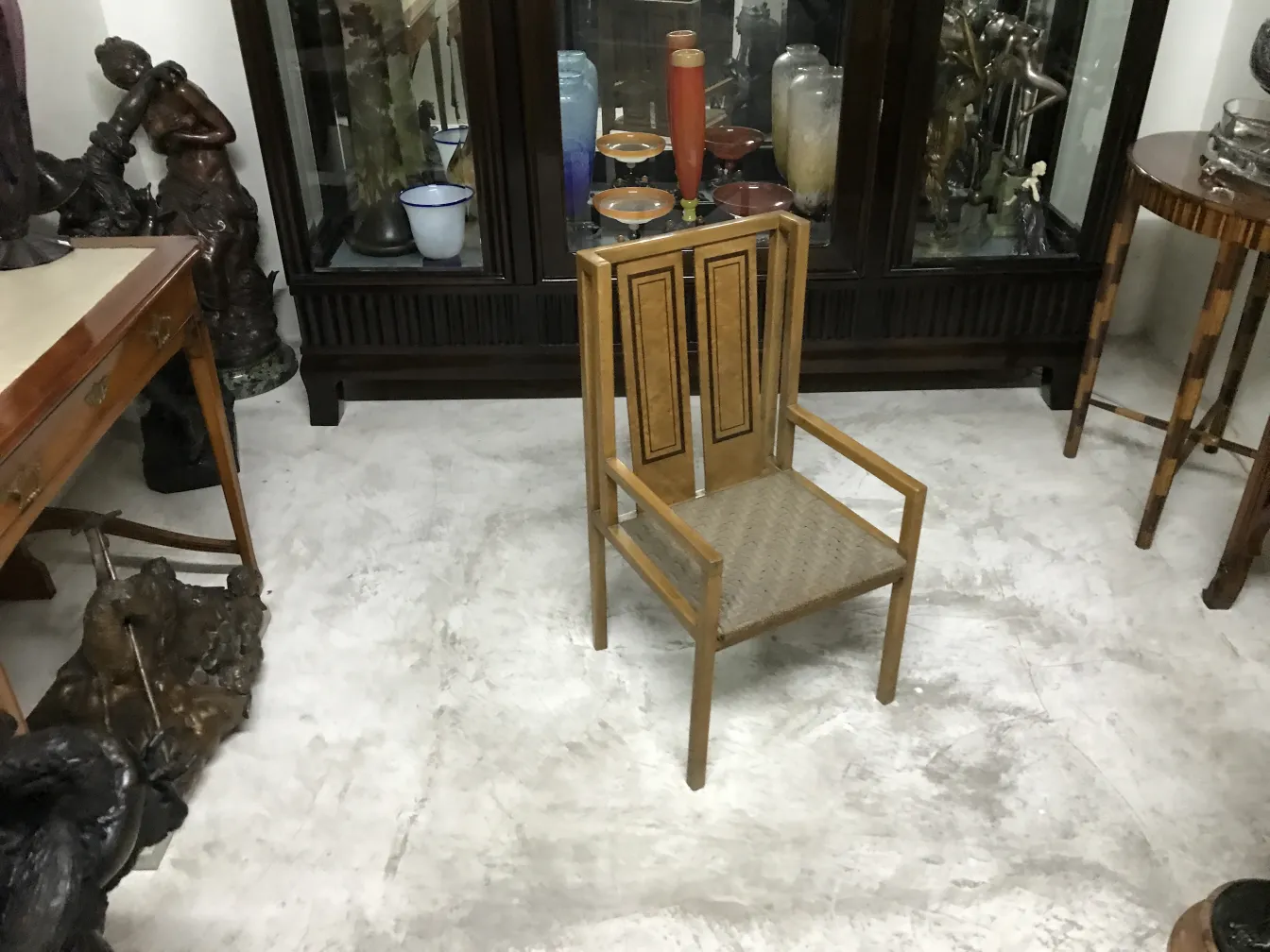
Antique desk chair by Wilhelm Schmidt with unique backrest and straight arms.
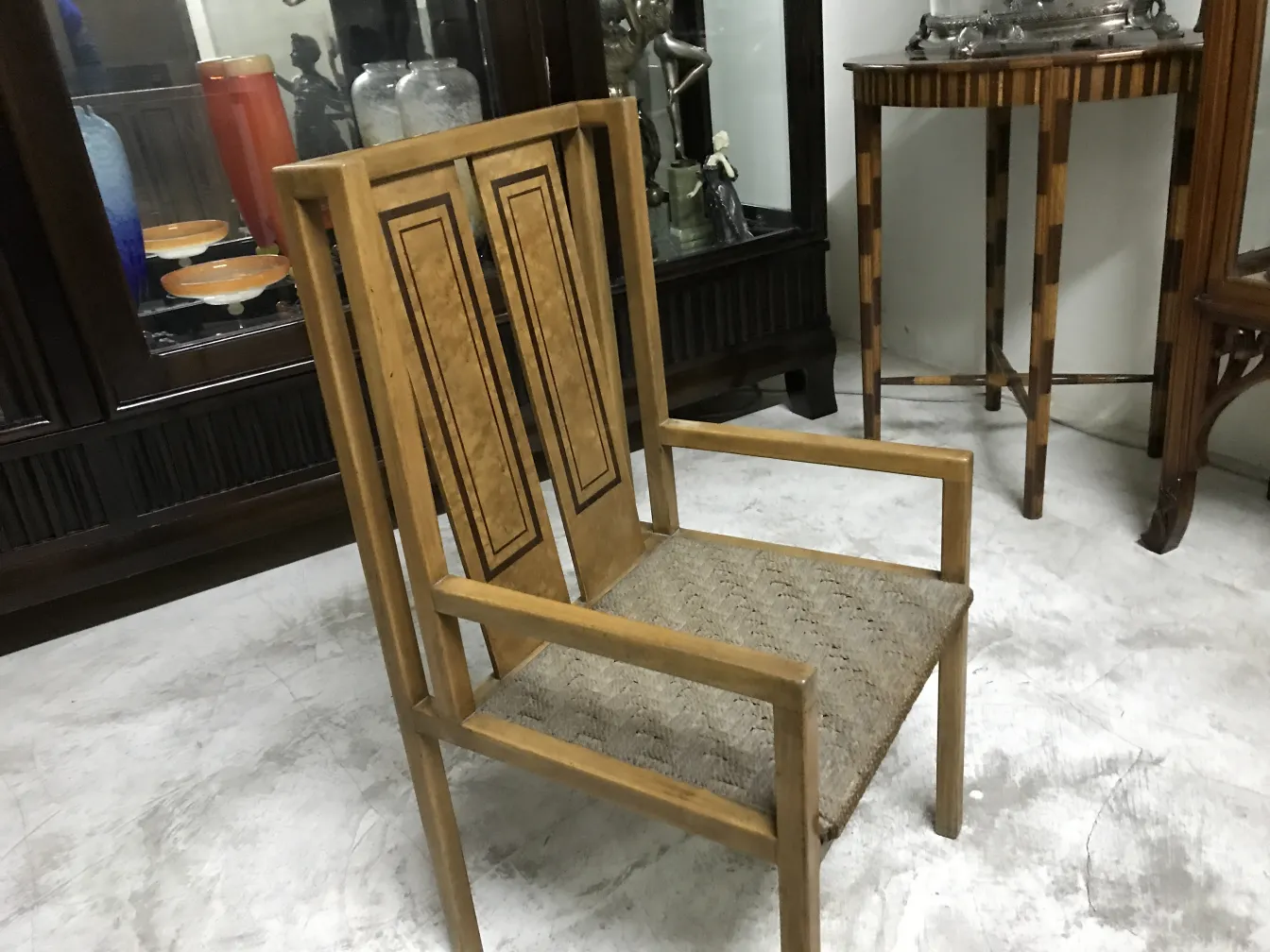
Antique desk chair with detailed design. Cozy and decorative setting.
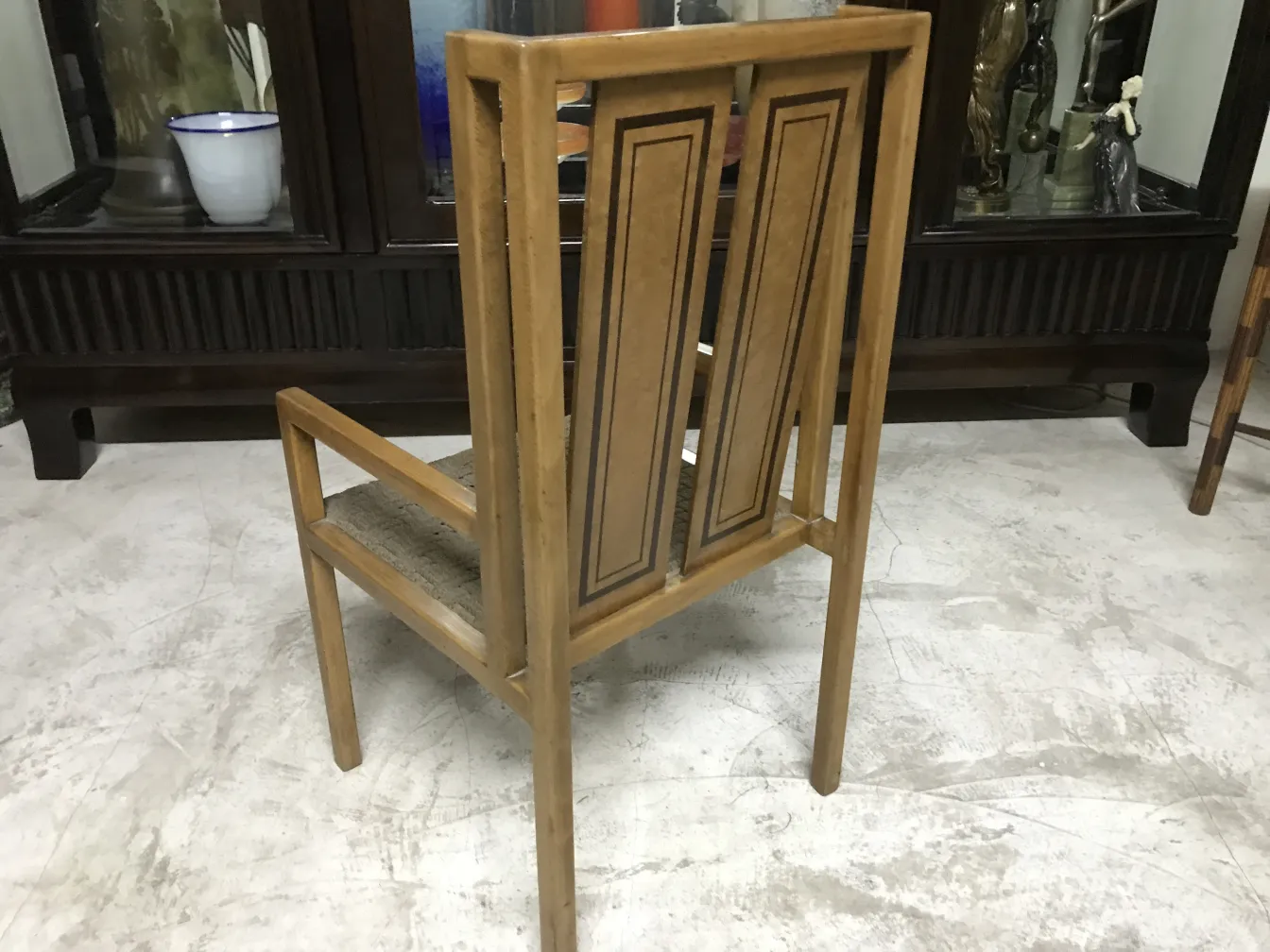
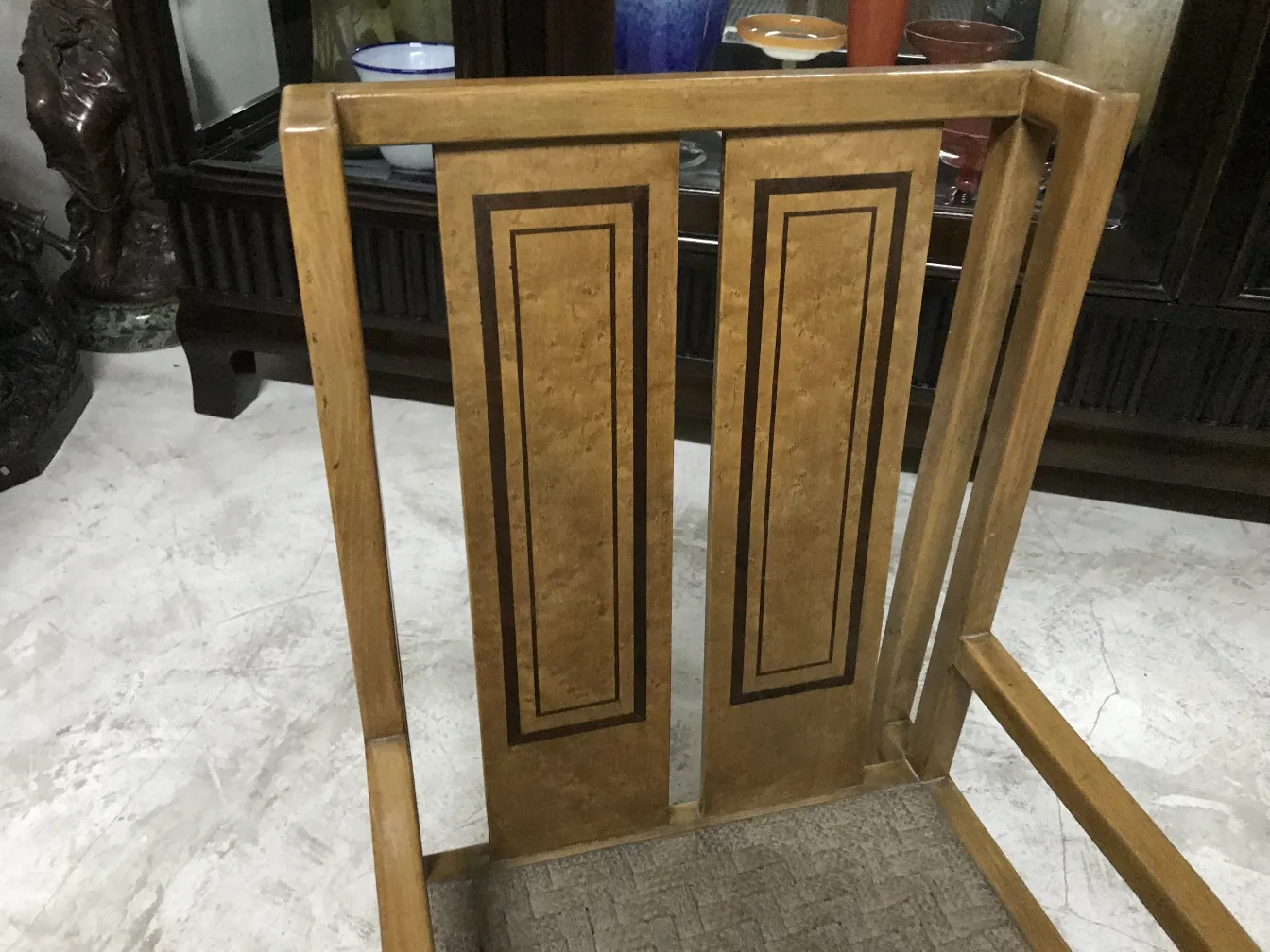
Antique desk chair with back design, elegant atmosphere.
Antique desk chair with distinctive style by Wilhelm Schmidt, clear wood decorative details.
Antique desk chair with unique design in a classic setting.
Antique desk chair with decorative details.
Antique desk chair by Wilhelm Schmidt, featuring a simple design with back detailing.
ancient desk chair with classic design in an elegant setting
Antique desk chair by Wilhelm Schmidt with classic design.
Antique desk chair by Wilhelm Schmidt with unique backrest and straight arms.
Antique desk chair with detailed design. Cozy and decorative setting.
Antique desk chair with back design, elegant atmosphere.
Antique desk chair with distinctive style by Wilhelm Schmidt, clear wood decorative details.
Antique desk chair with unique design in a classic setting.
Antique desk chair with decorative details.
Antique desk chair by Wilhelm Schmidt, featuring a simple design with back detailing.
ancient desk chair with classic design in an elegant setting
Antique desk chair by Wilhelm Schmidt with classic design.
Measure +
High Backrest78 cm / 30.71 in
Width41 cm / 16.14 in
Depth40 cm / 15.75 in
Material Wood
Country Czech Republic
Store Defensa 982
Designer / Information +

Wilhelm schmidt

Wilhelm Schmidt was born in 1880 in Bohemia, Czech Republic, and became an important Austrian furniture designer and architect.


  1. He rose to become a leading designer for Prag-Rudniker. Schmidt was a student of the influential architect and designer Josef Hoffmann.


  1. Along with other avant-garde designers of the era, Schmidt began incorporating traditional materials like rattan and wicker into his furniture designs. In 1905, he took over as chief designer at Prag-Rudniker.


  1. Schmidt's designs for Prag-Rudniker are characterized by their integration of wood and basketry, often reflecting the geometric and modern aesthetic of the Vienna Secession and Arts & Crafts movements.


  1. His influence extended beyond Prag-Rudniker; Schmidt was also an Austrian member of the German Werkbund starting in 1908 and a co-founder of the Austrian Werkbund in 1914, demonstrating his broader impact on the design world of his time.