Home / Products / vintage furniture / unusual furnitures←Back

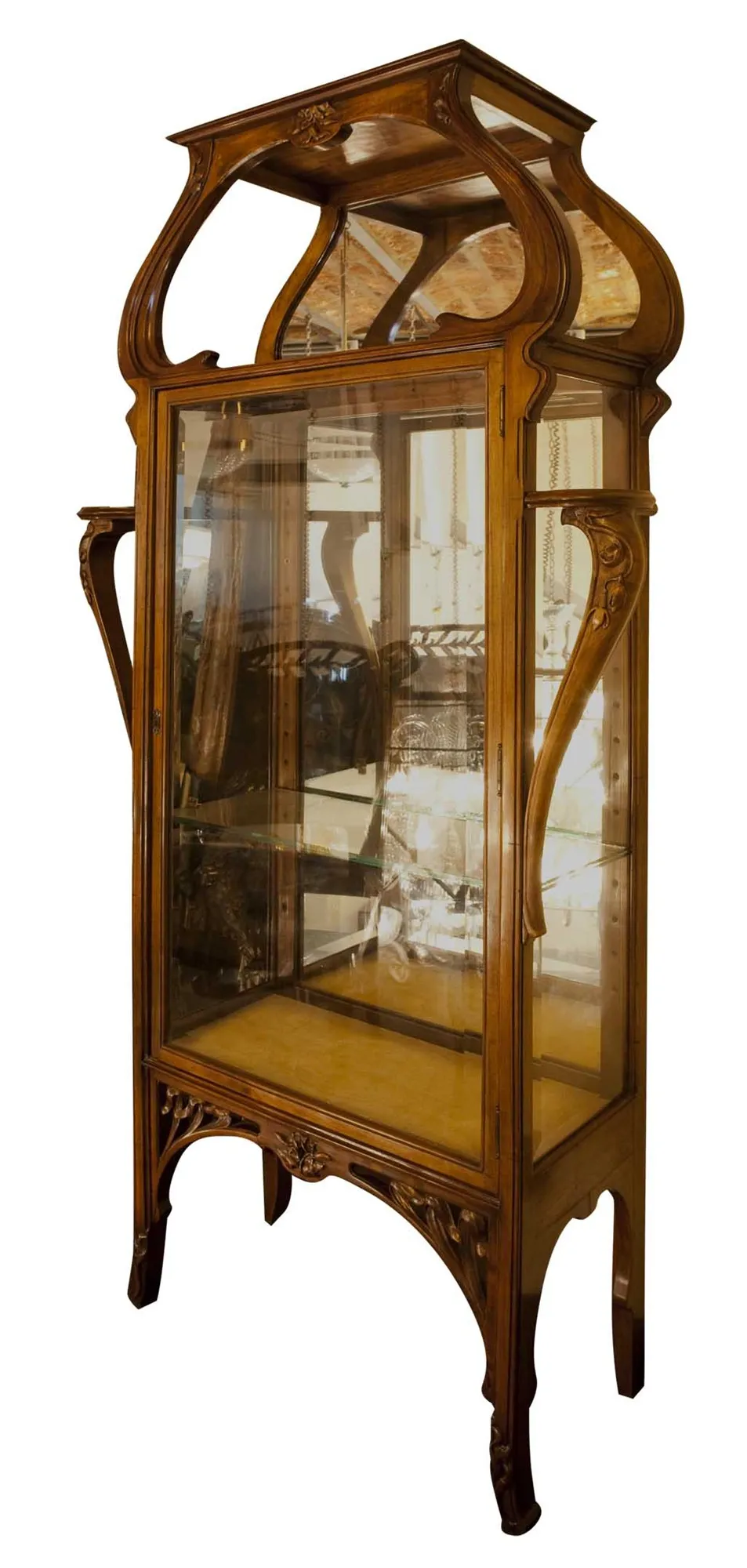
Display cabinet

(Designer louis majorelle)

F-TO-429
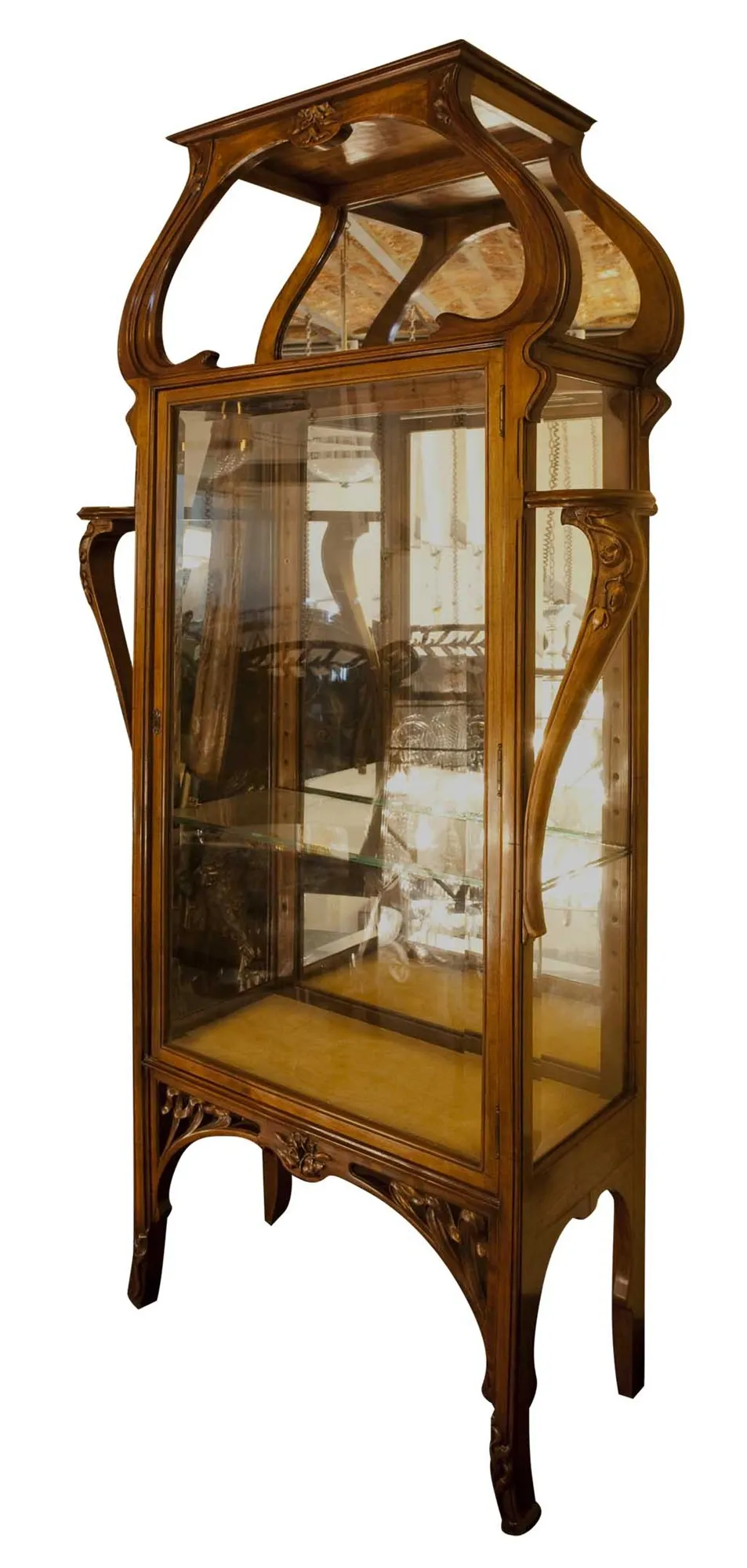
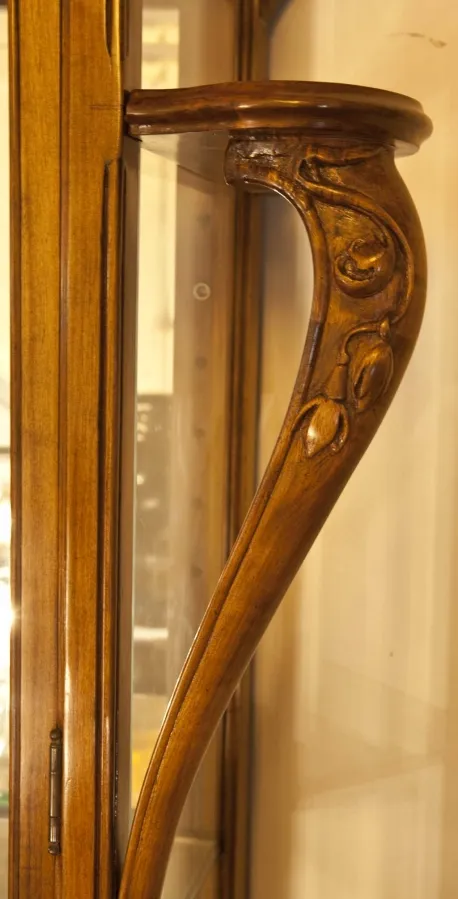
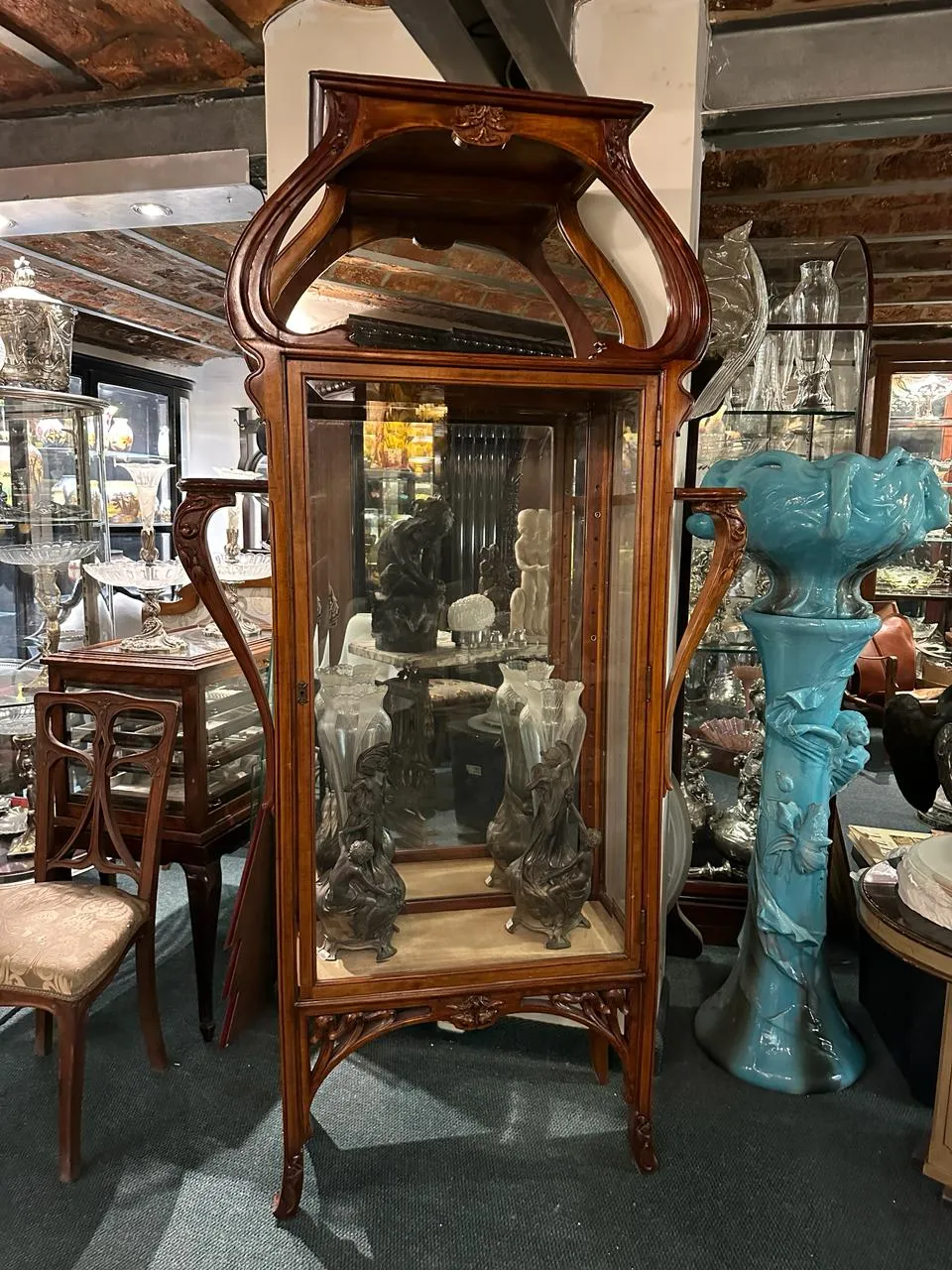
antique display cabinet with elegant design for showcasing
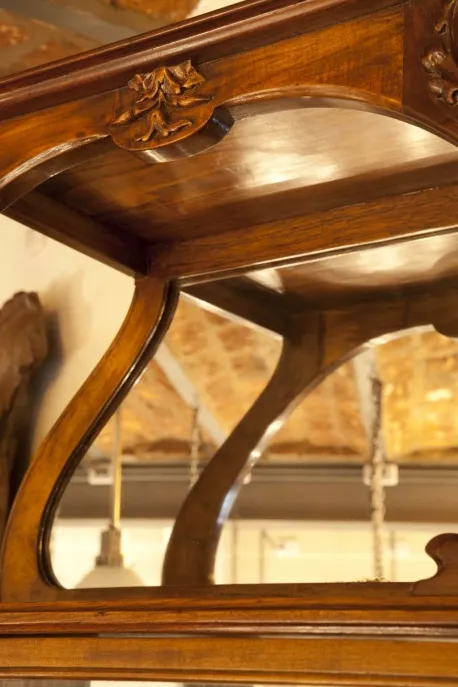
antique display cabinet with decorative elements in an elegant setting
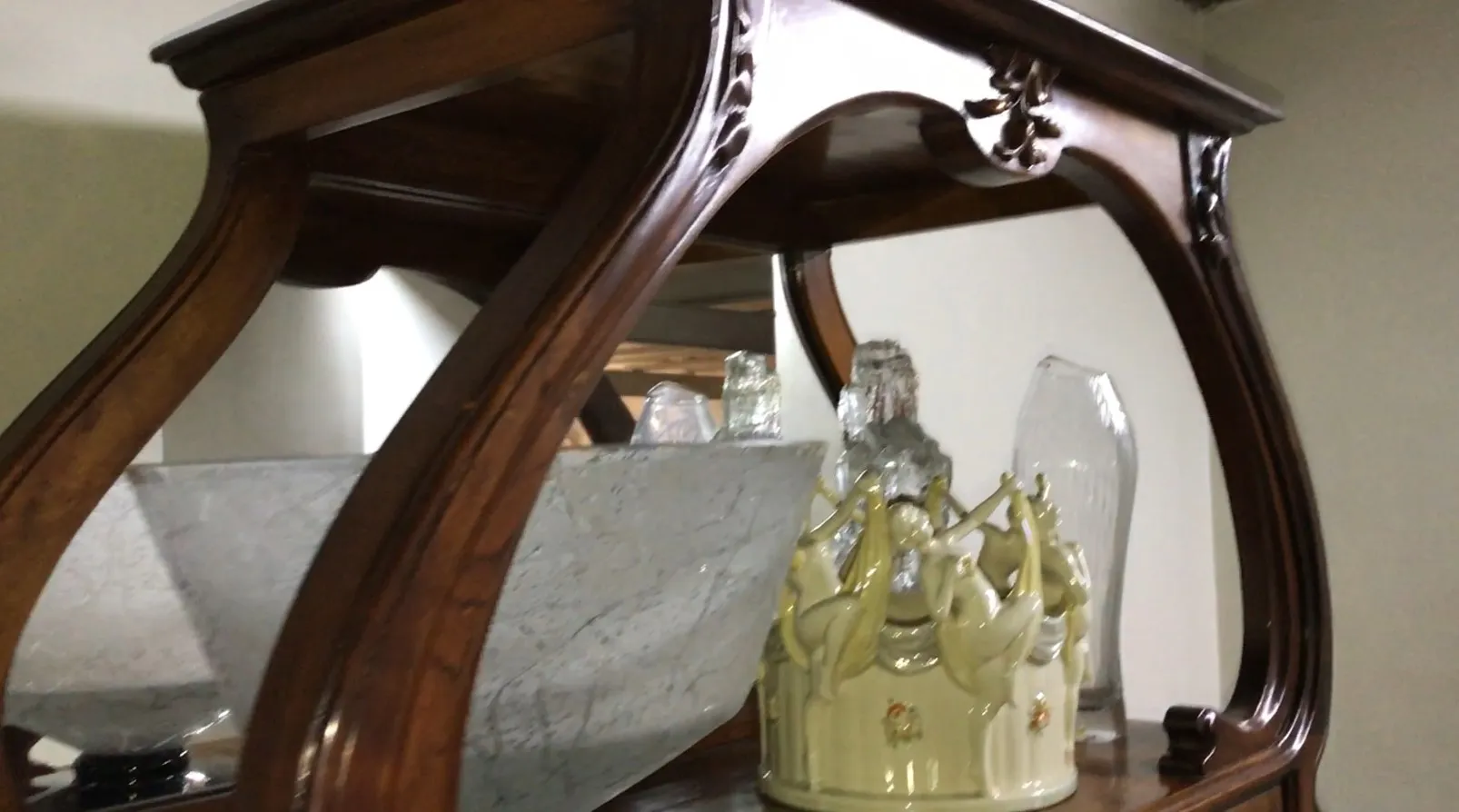
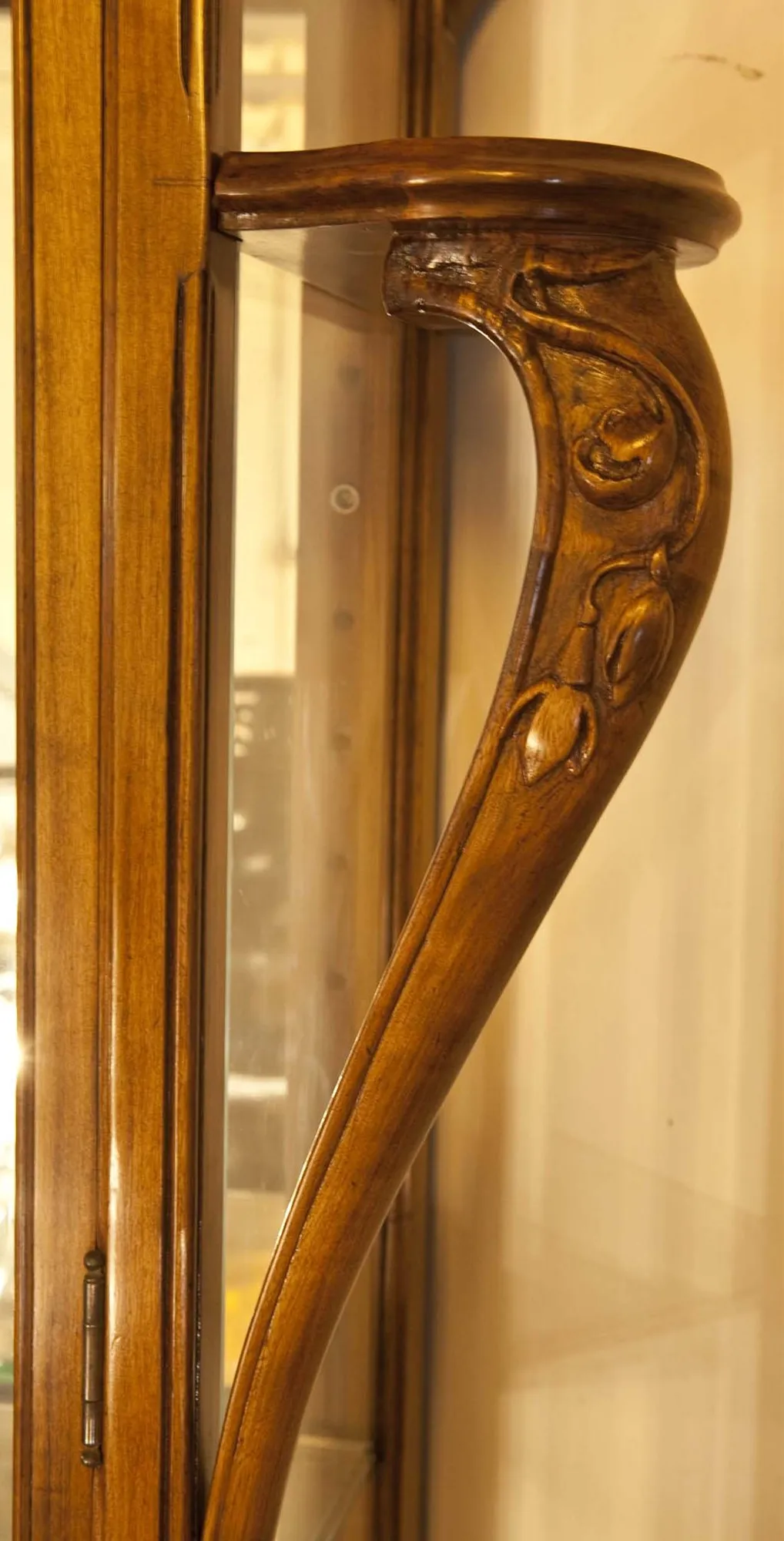
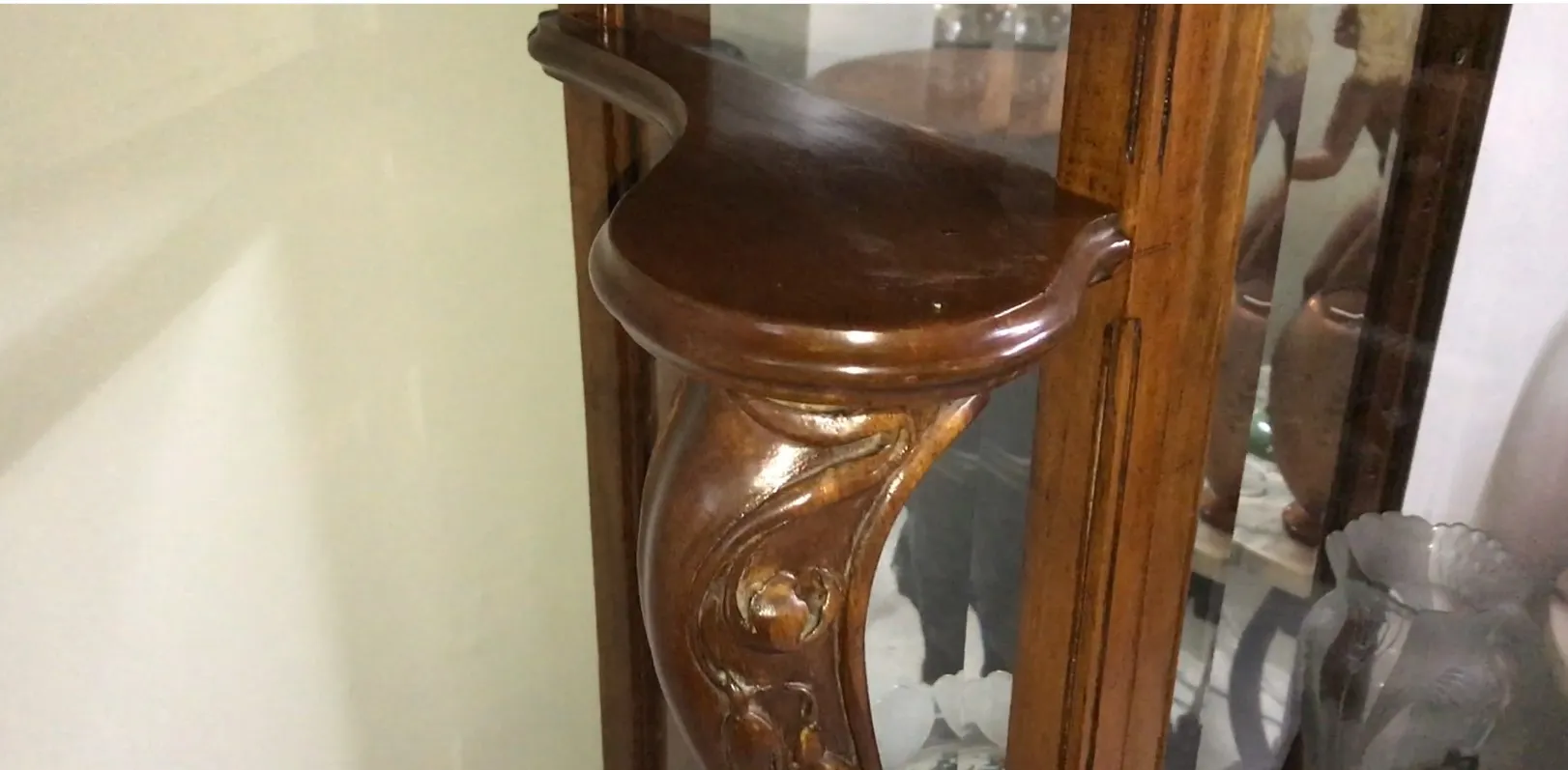
Decorative details on the antique display cabinet by louis majorelle
antique display cabinet with elegant louis majorelle details
antique display cabinet with carvings and decorative details in the environment
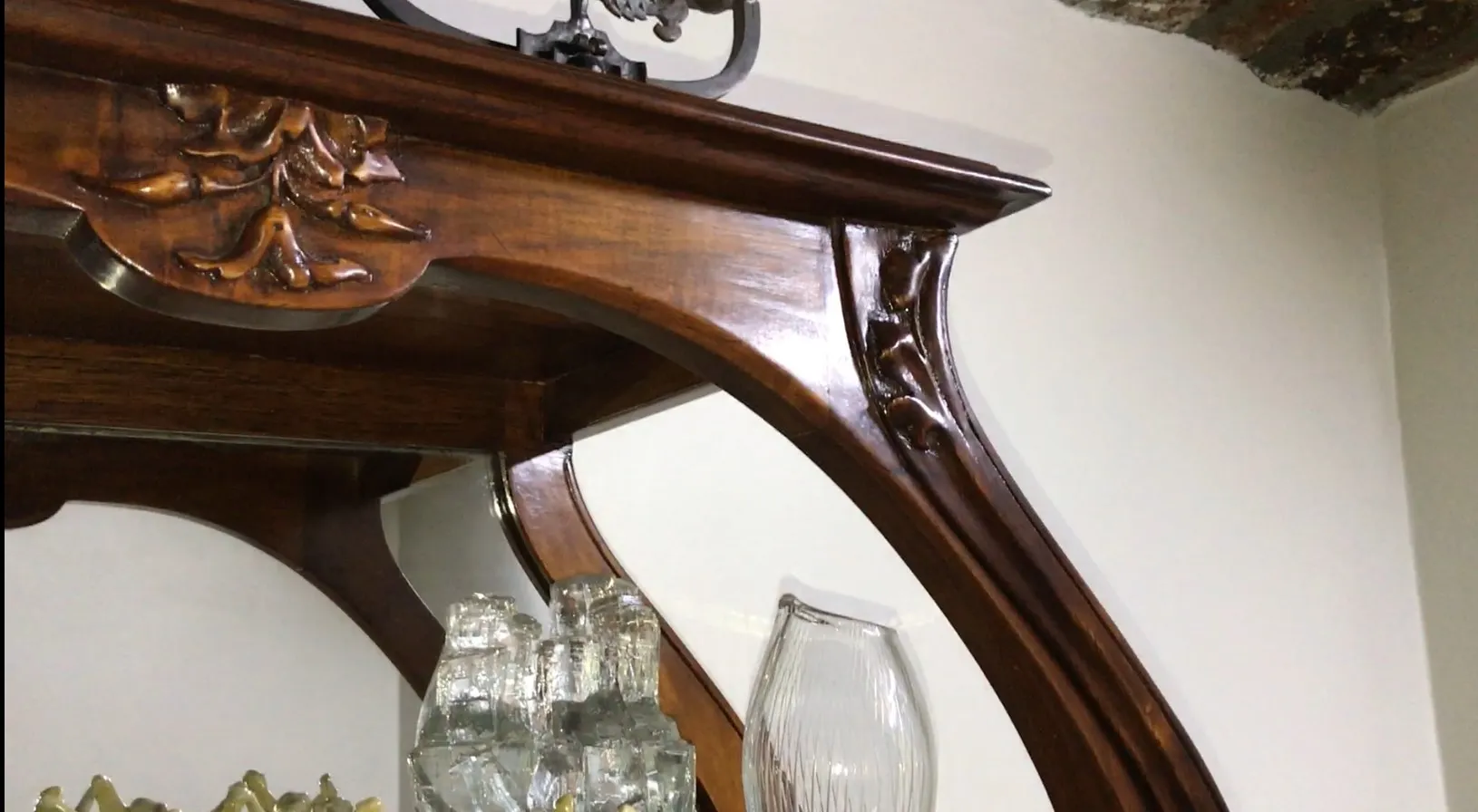
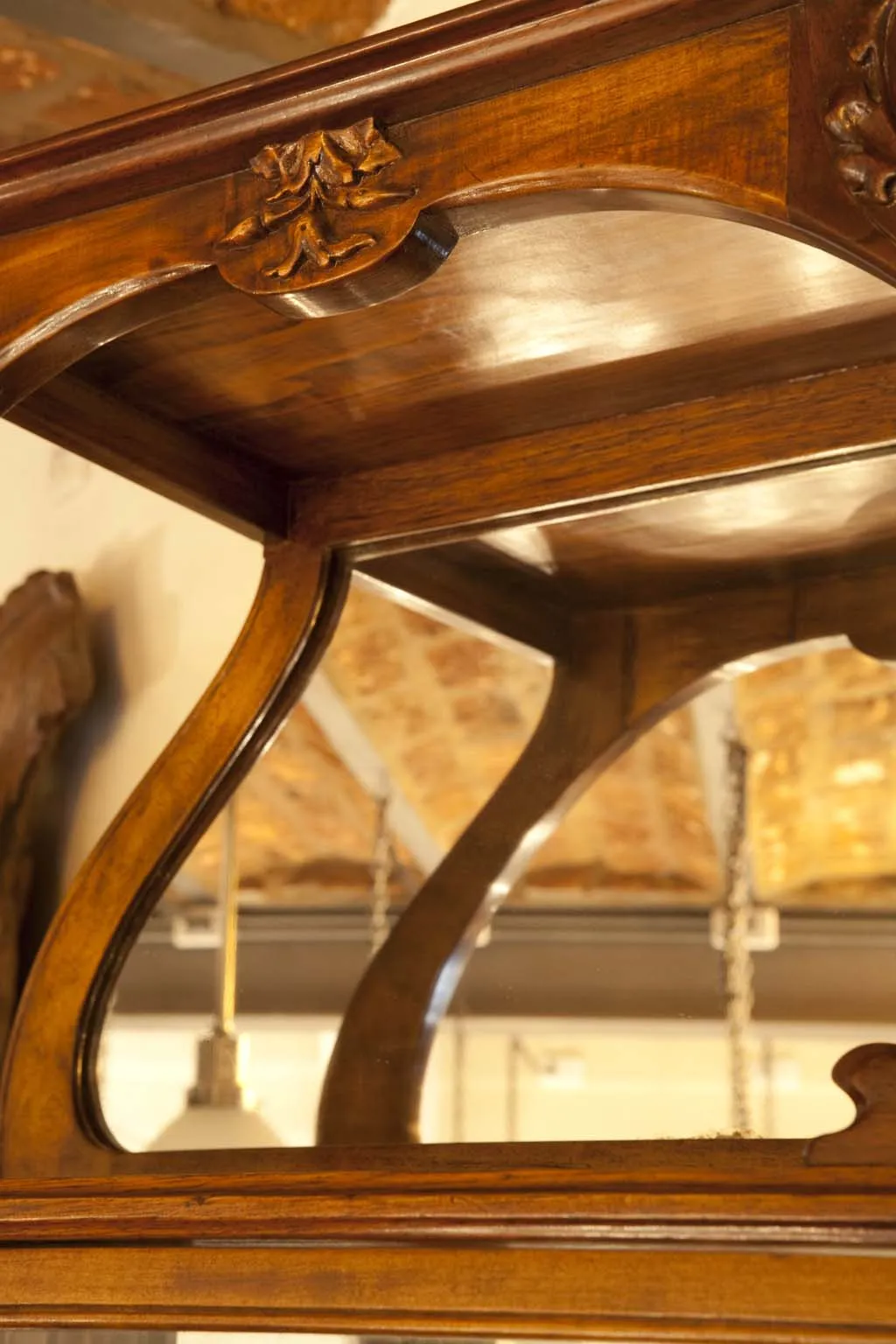
antique display cabinet with elegant curves and top details, cozy setting
antique display cabinet with elegant decorative details, surrounded by antiques
Detailed antique display cabinet featuring louis majorelle design, surrounded by vintage items.
antique display cabinet with decorative details, cozy ambiance
antique display cabinet with elegant design for showcasing
antique display cabinet with decorative elements in an elegant setting
Decorative details on the antique display cabinet by louis majorelle
antique display cabinet with elegant louis majorelle details
antique display cabinet with carvings and decorative details in the environment
antique display cabinet with elegant curves and top details, cozy setting
antique display cabinet with elegant decorative details, surrounded by antiques
Detailed antique display cabinet featuring louis majorelle design, surrounded by vintage items.
antique display cabinet with decorative details, cozy ambiance
Measure +
Height192 cm / 75.59 in
Width97 cm / 38.19 in
Depth33 cm / 12.99 in
Material Glass, Carved Wood
Country France
Store Defensa 982
Designer / Information +

Designer louis majorelle

Louis Majorelle was a French cabinetmaker and decorator:


Following his father's death in 1879, he returned to Nancy to manage the family workshop.


  1. Initially, he produced furniture in historicist styles, such as Louis XV.


  1. Starting in the 1890s, influenced by Émile Gallé, he adopted the emerging Art Nouveau style.


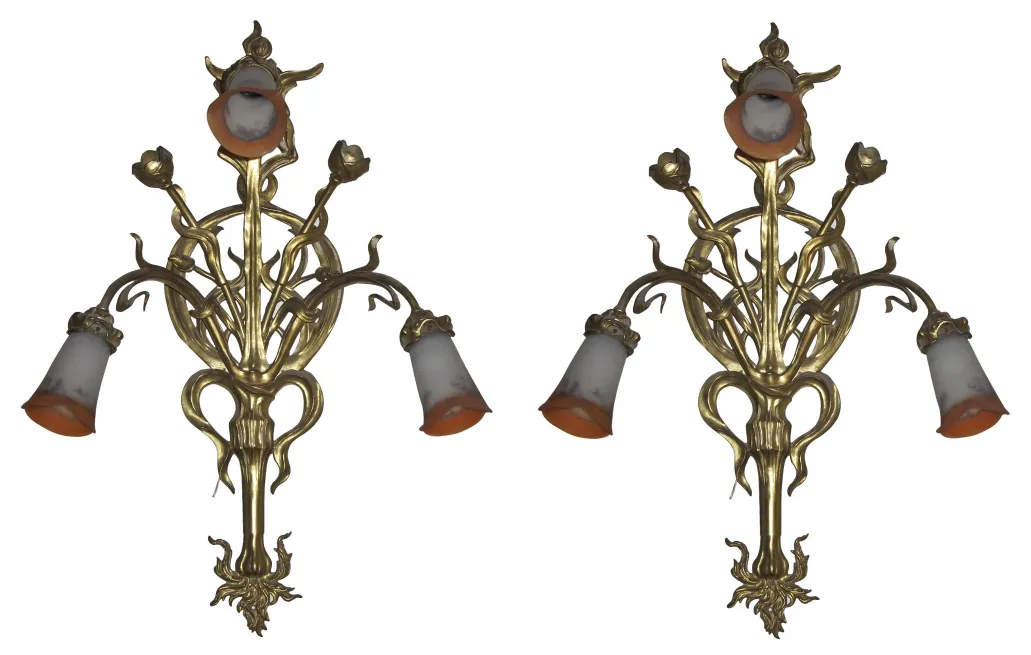
Majorelle worked with Daum, a French glassmaker who supplied him with small plaques of glass paste to incorporate into his furniture. The collaboration continued even in the field of producing lamps integrated with glass and metal featuring Art Nouveau motifs.


  1. His work triumphed at the 1900 Paris Universal Exposition, which earned him international recognition and a distinguished clientele.


  1. He opened stores in Nancy, Paris, Lyon, and Lille.


  1. After World War I, his style evolved towards more sober forms and more restrained ornamentation, influenced by Art Deco.