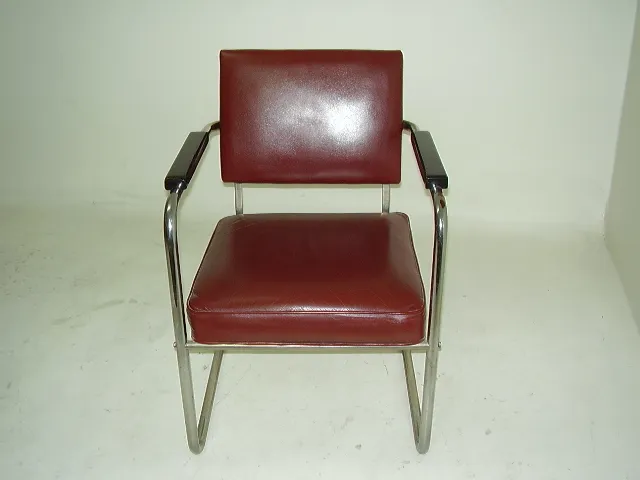
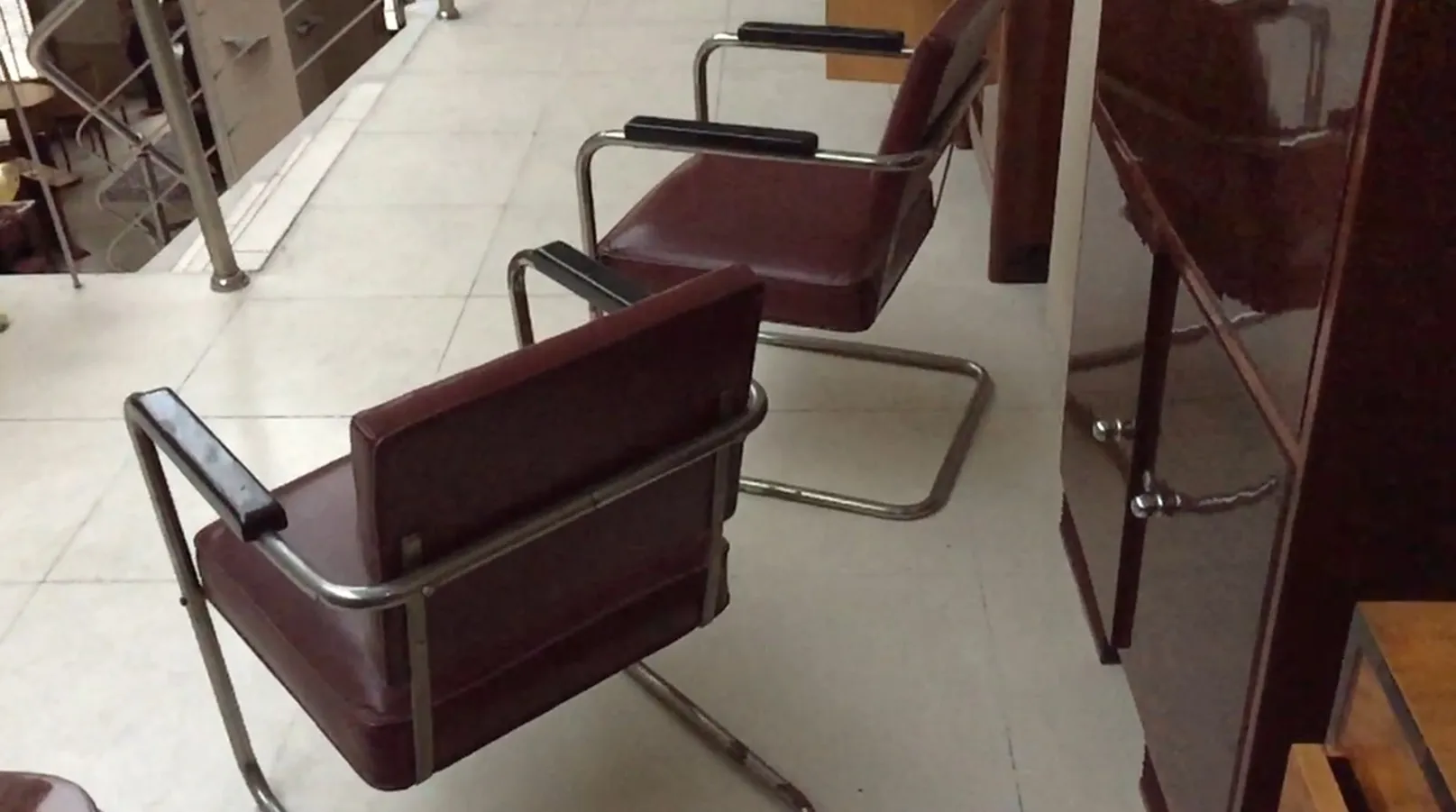
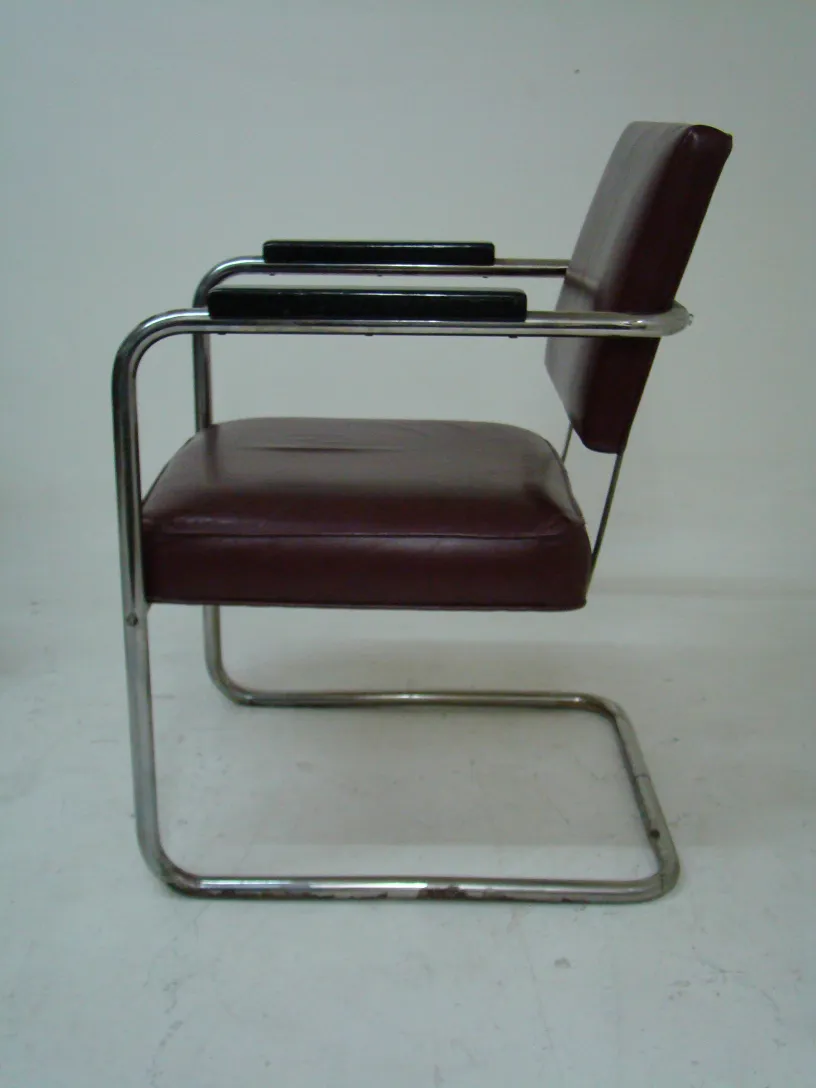
Ask about this product
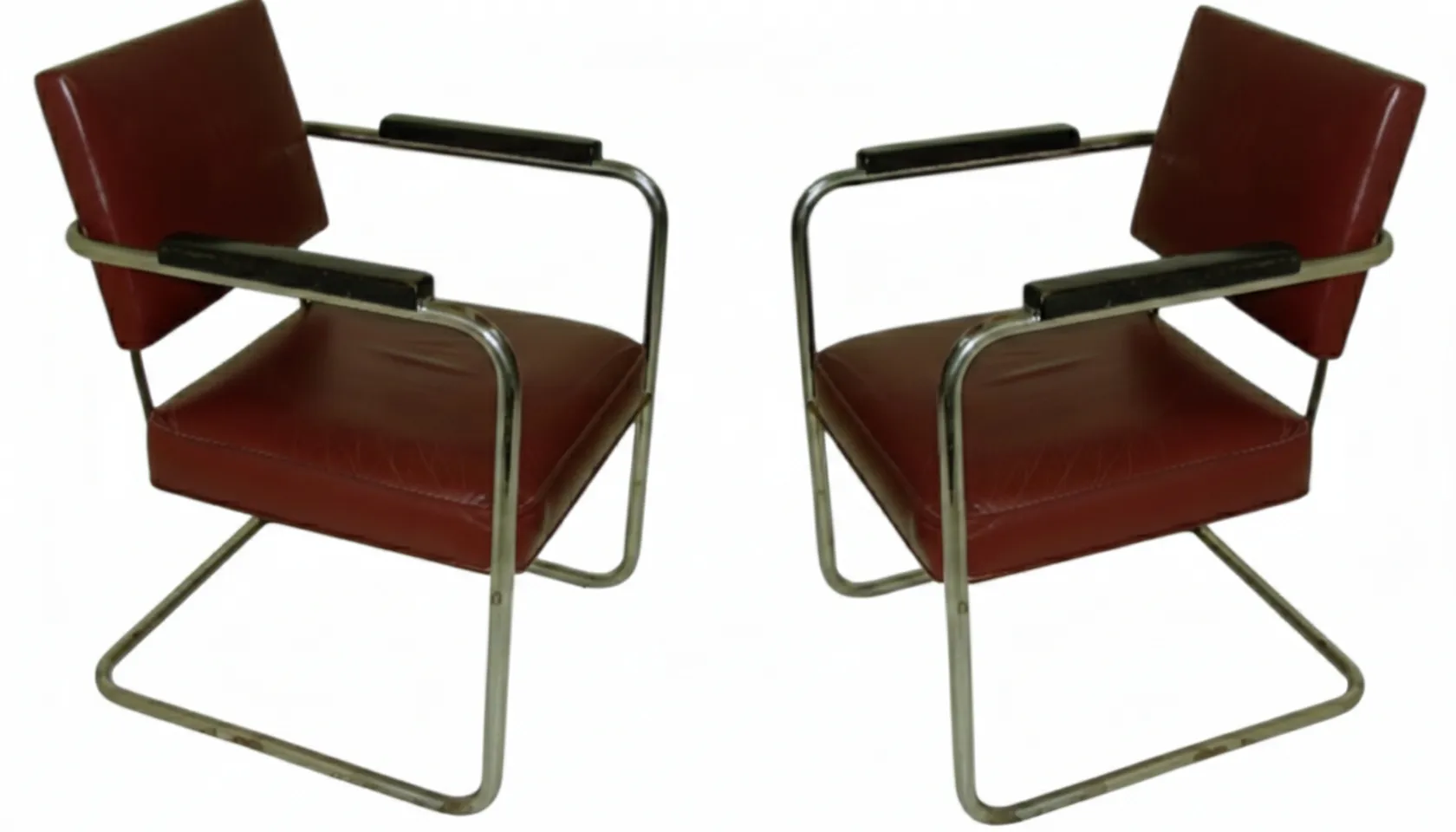
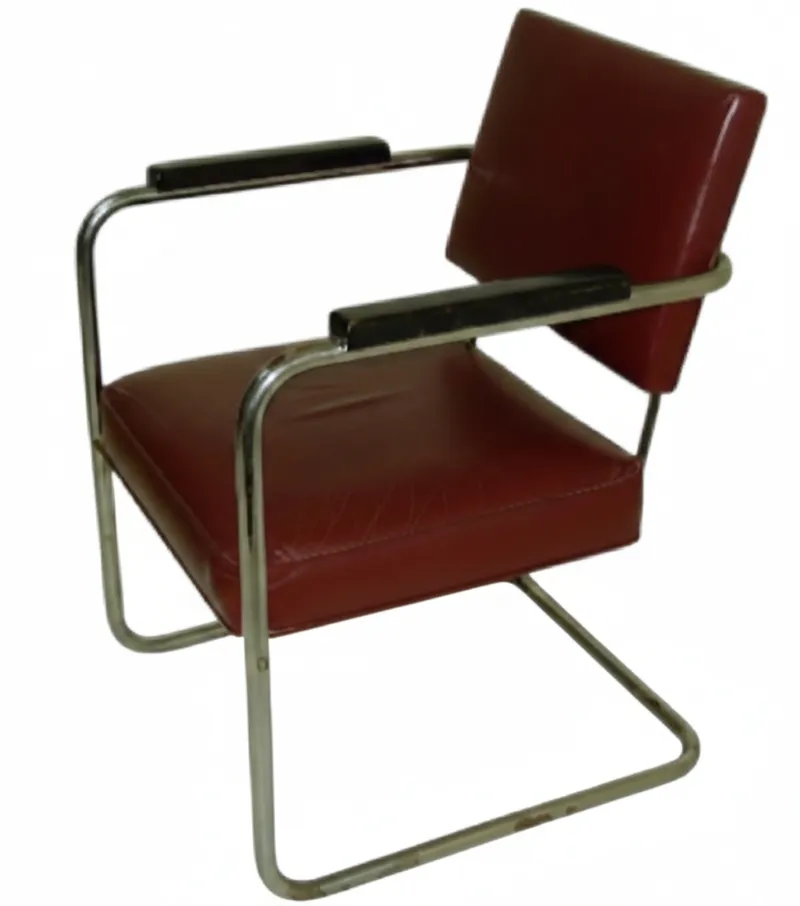
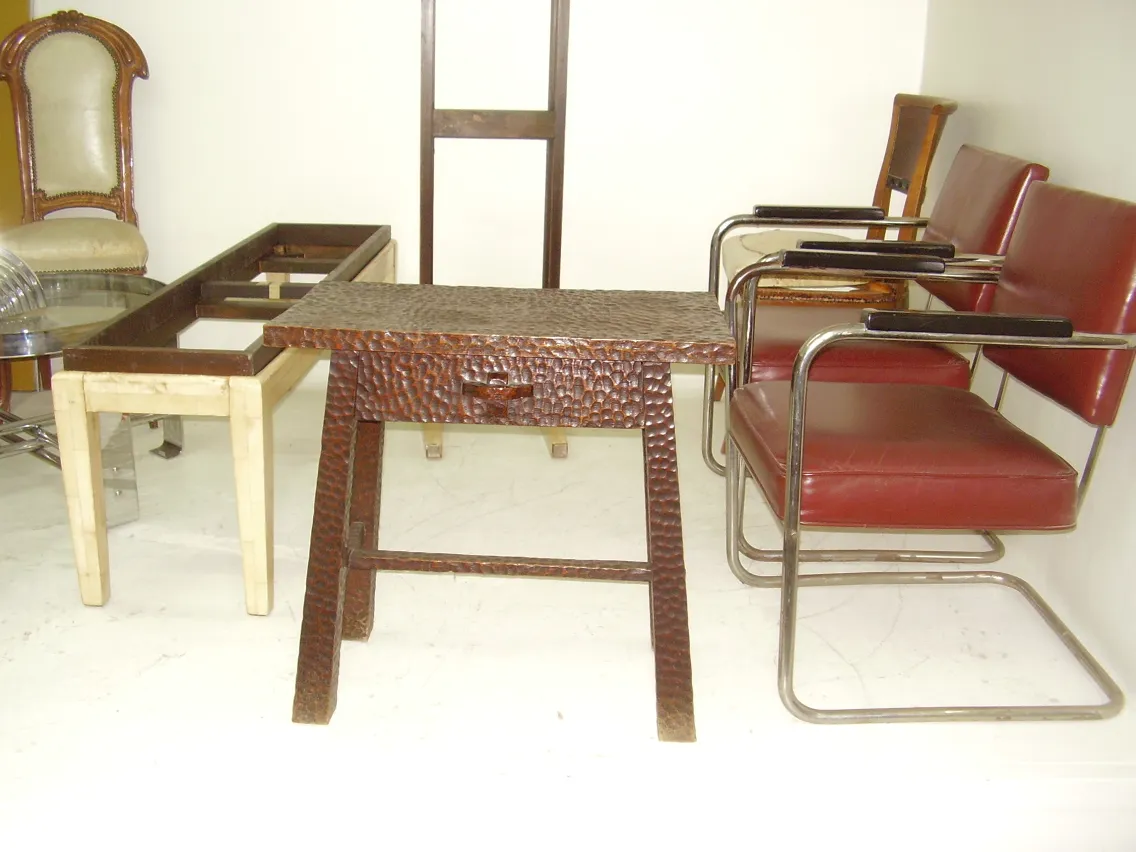
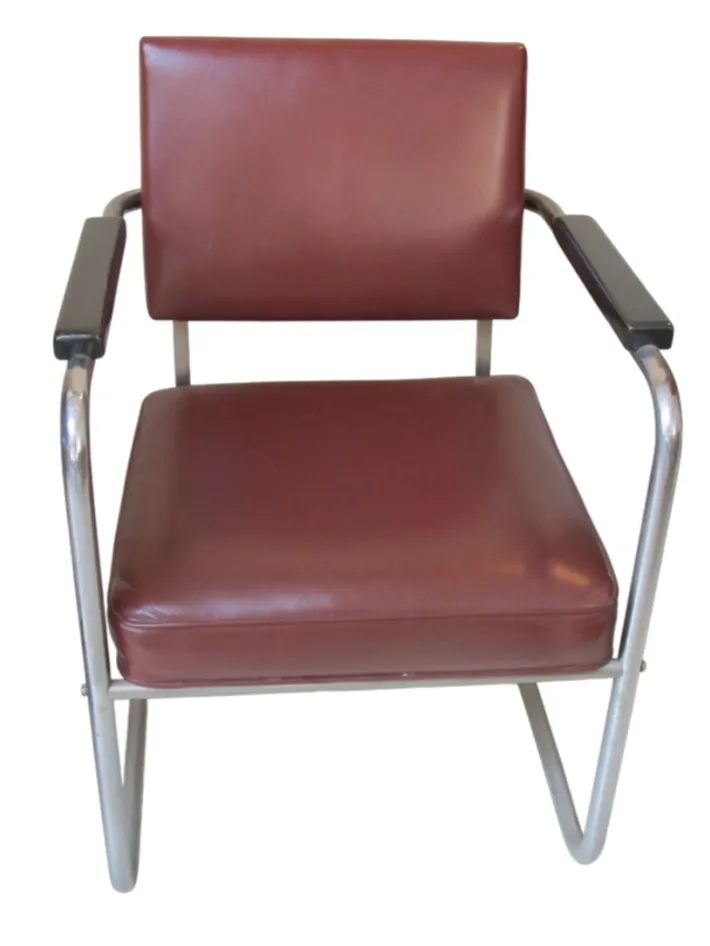
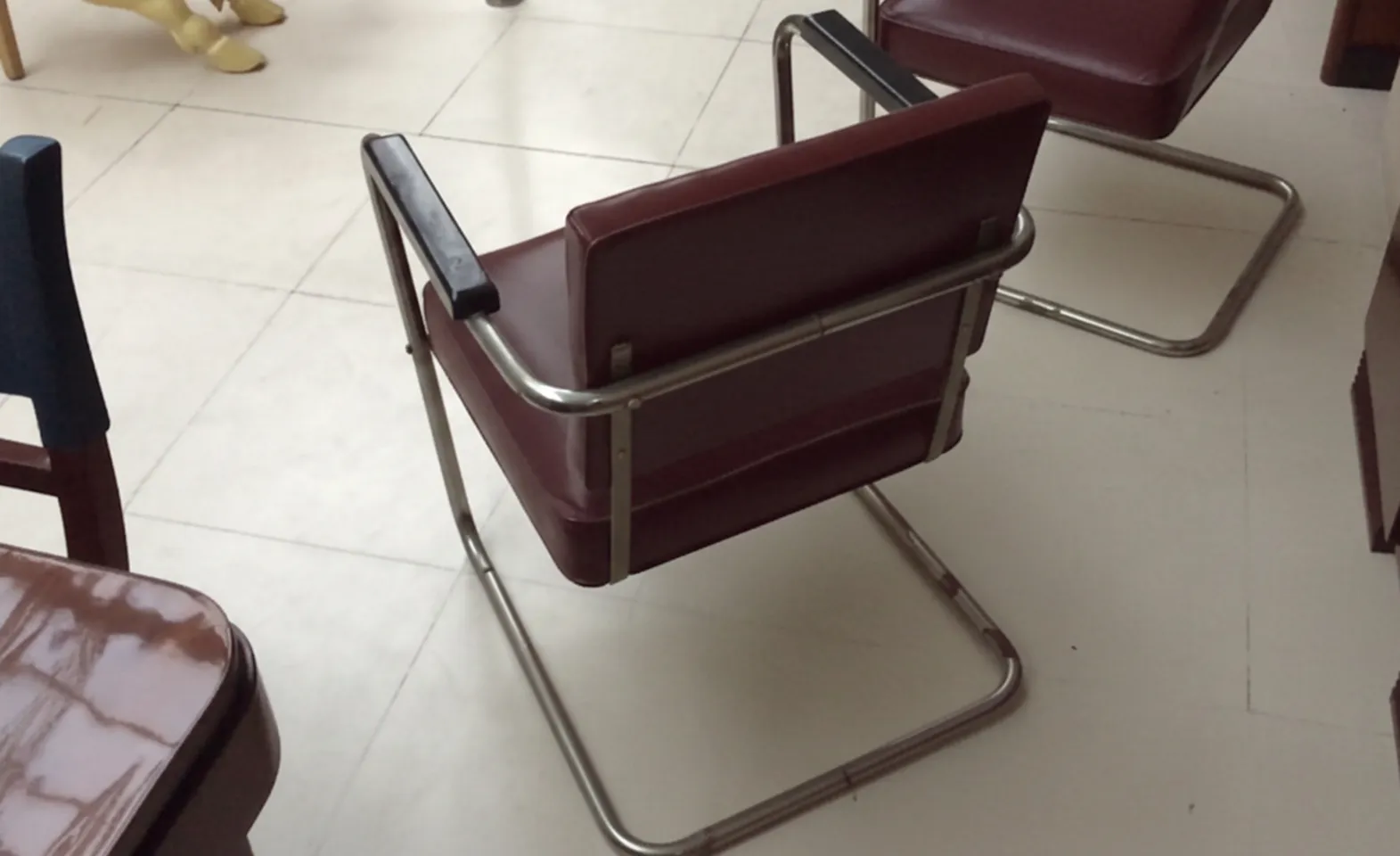
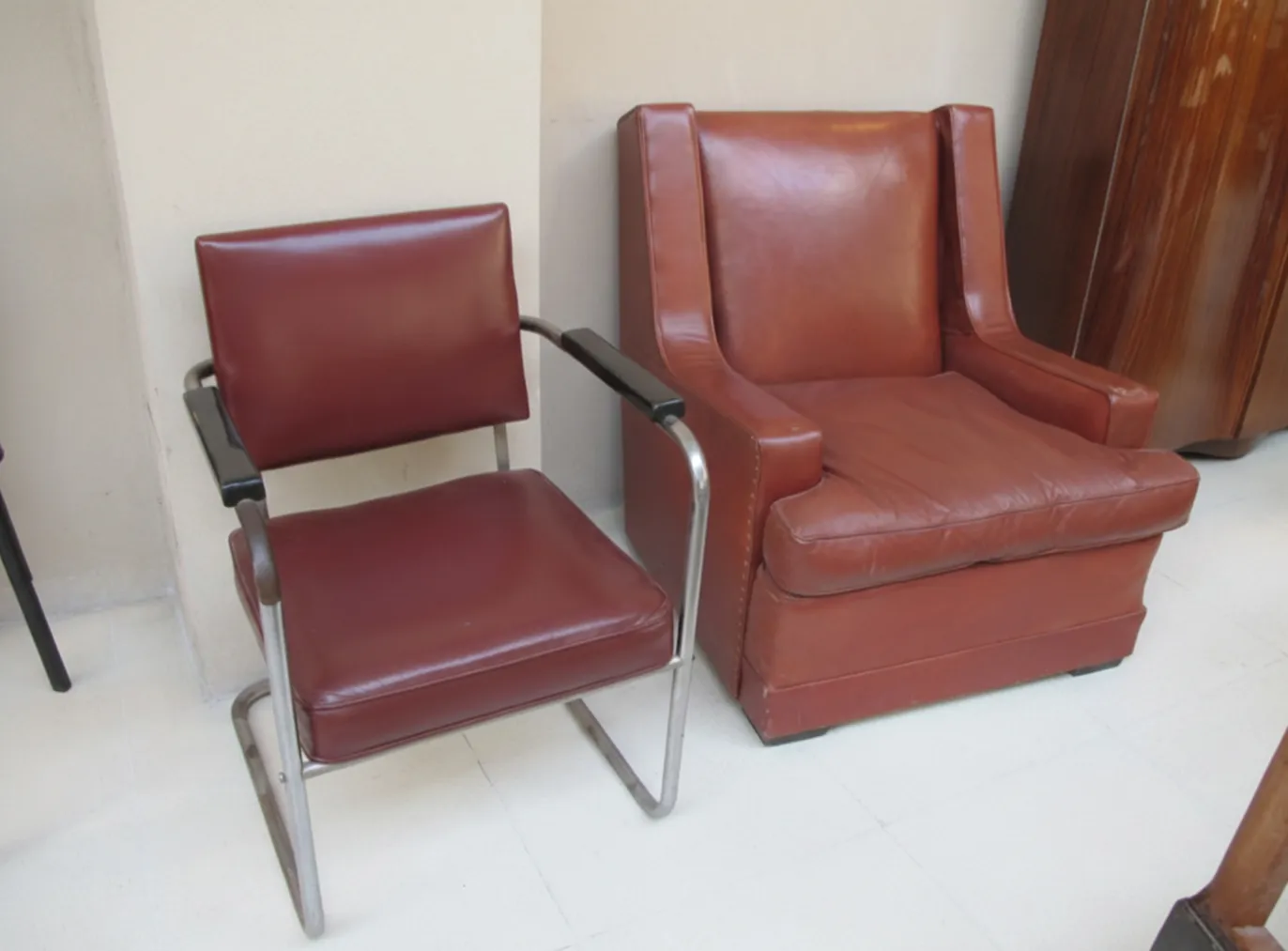
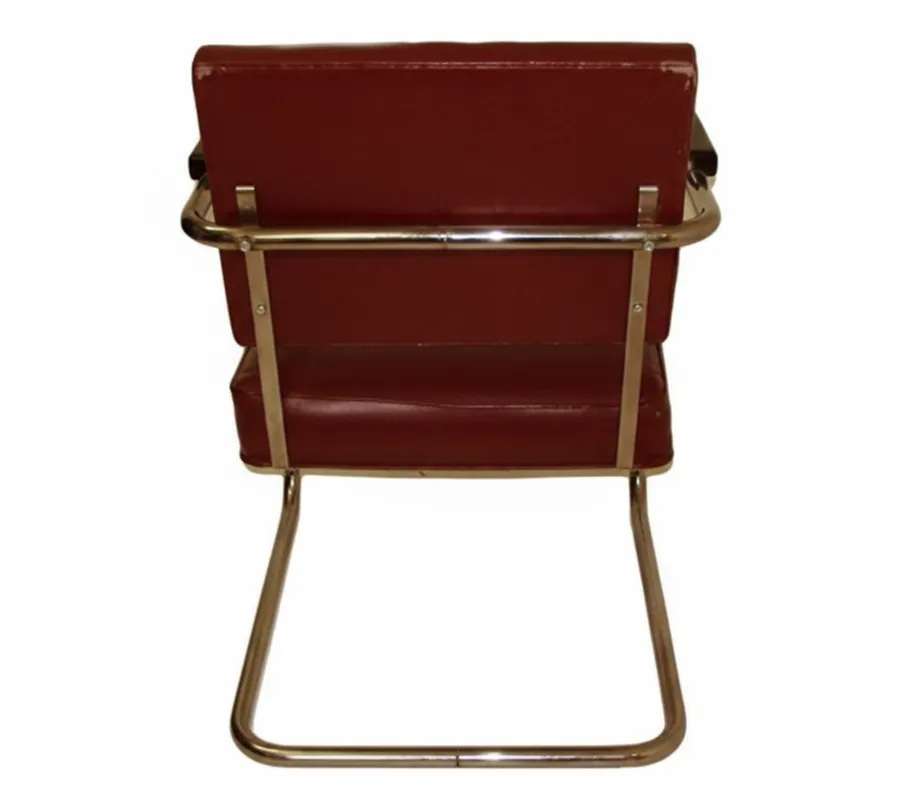
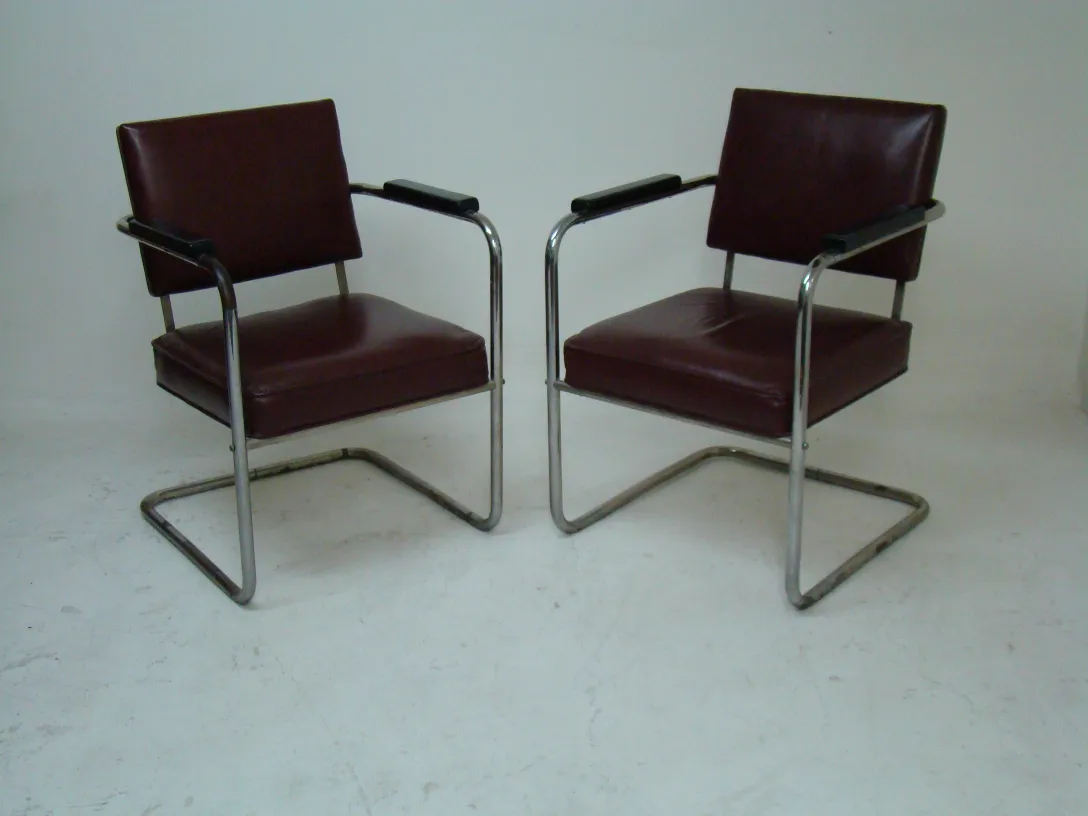
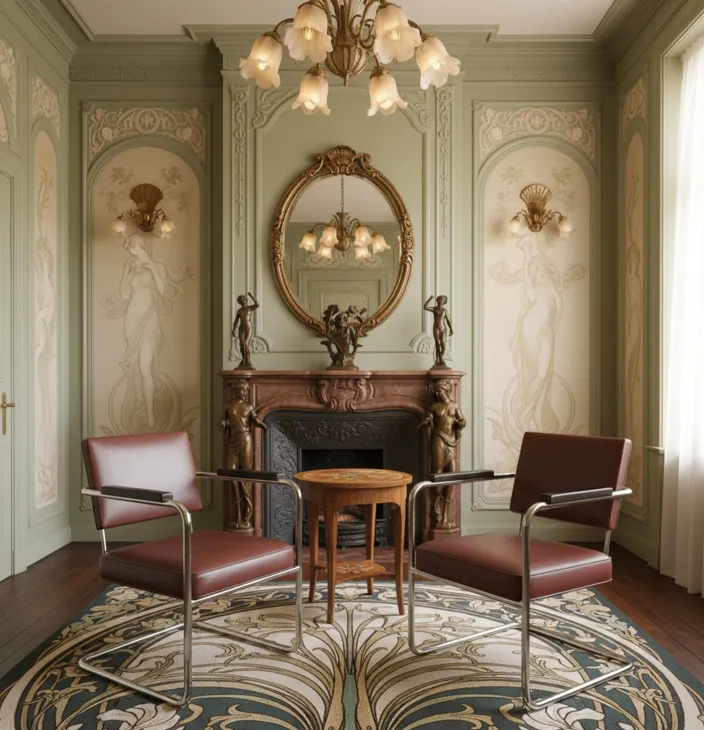
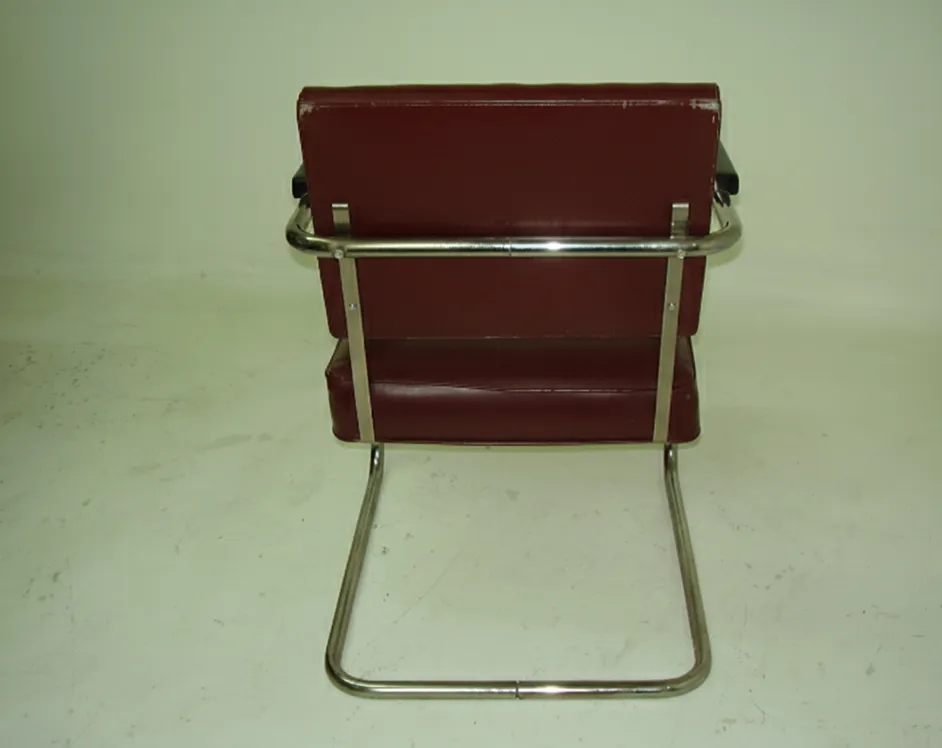
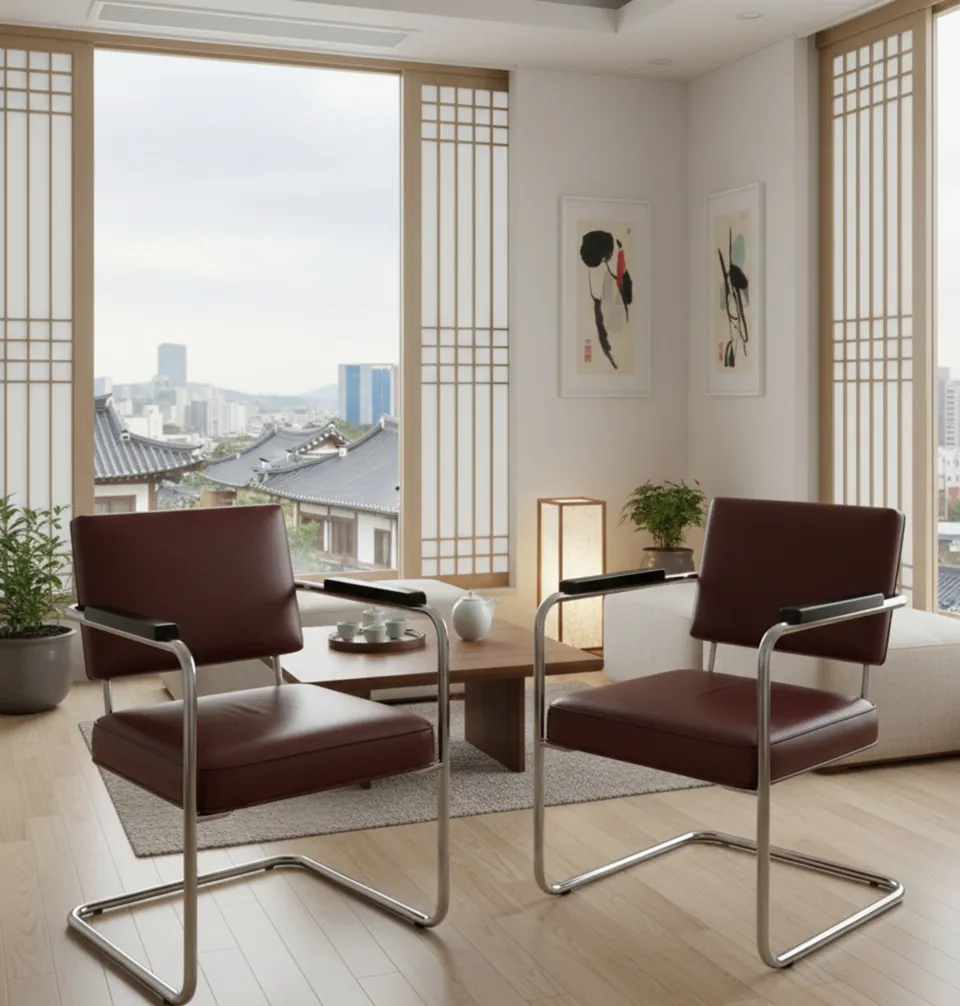
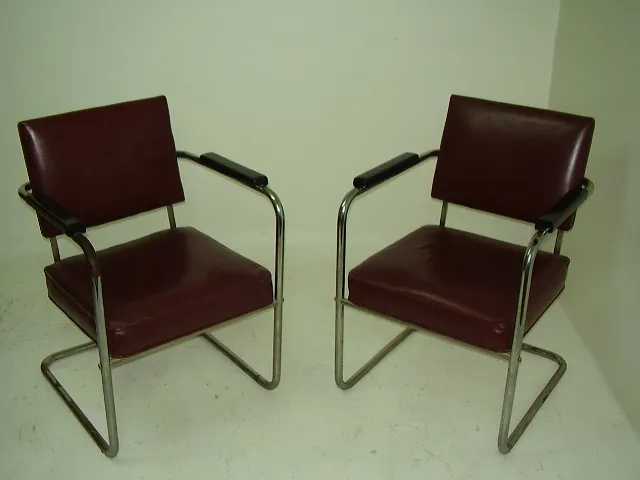
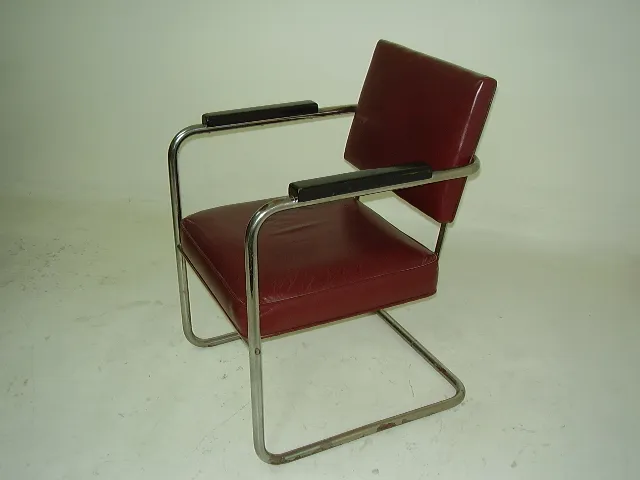
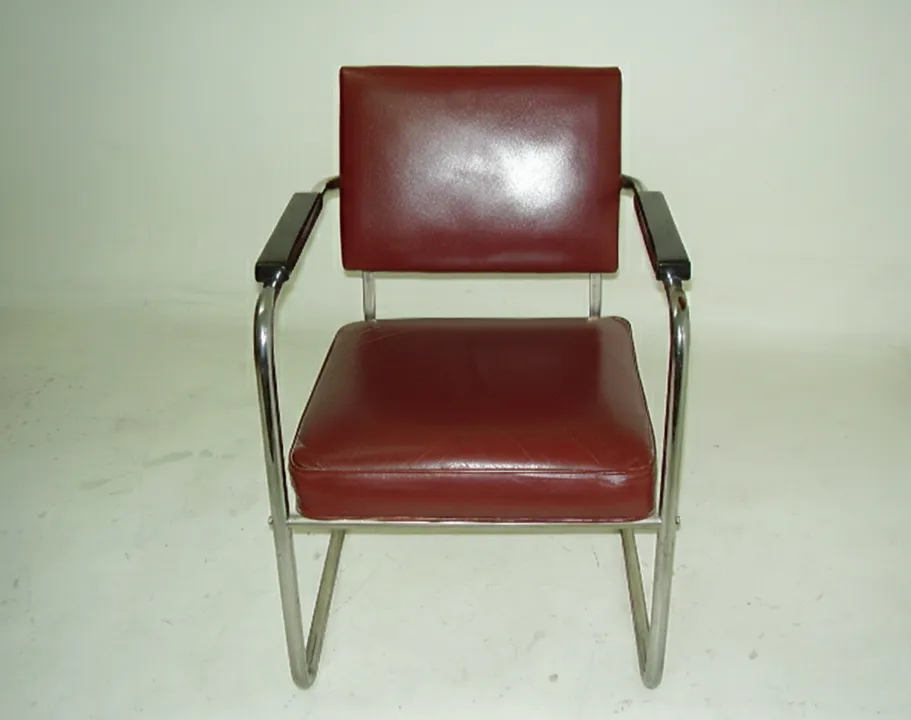
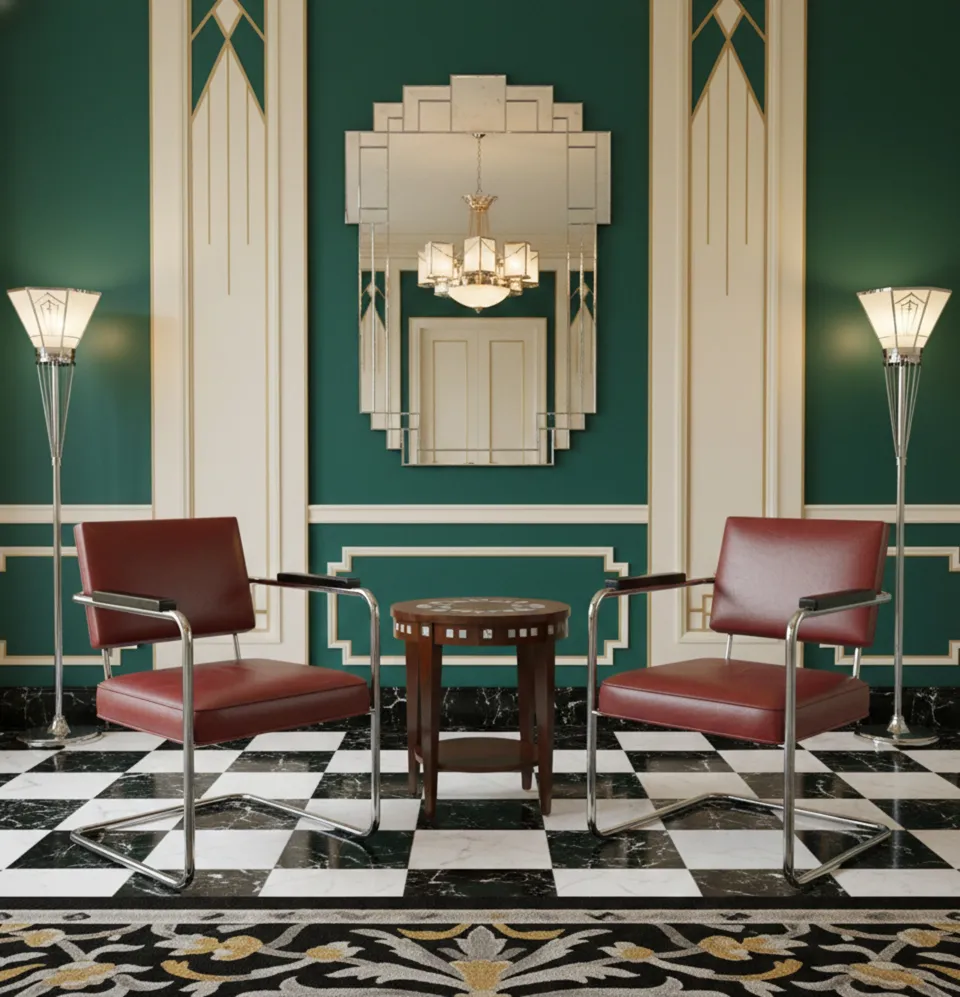
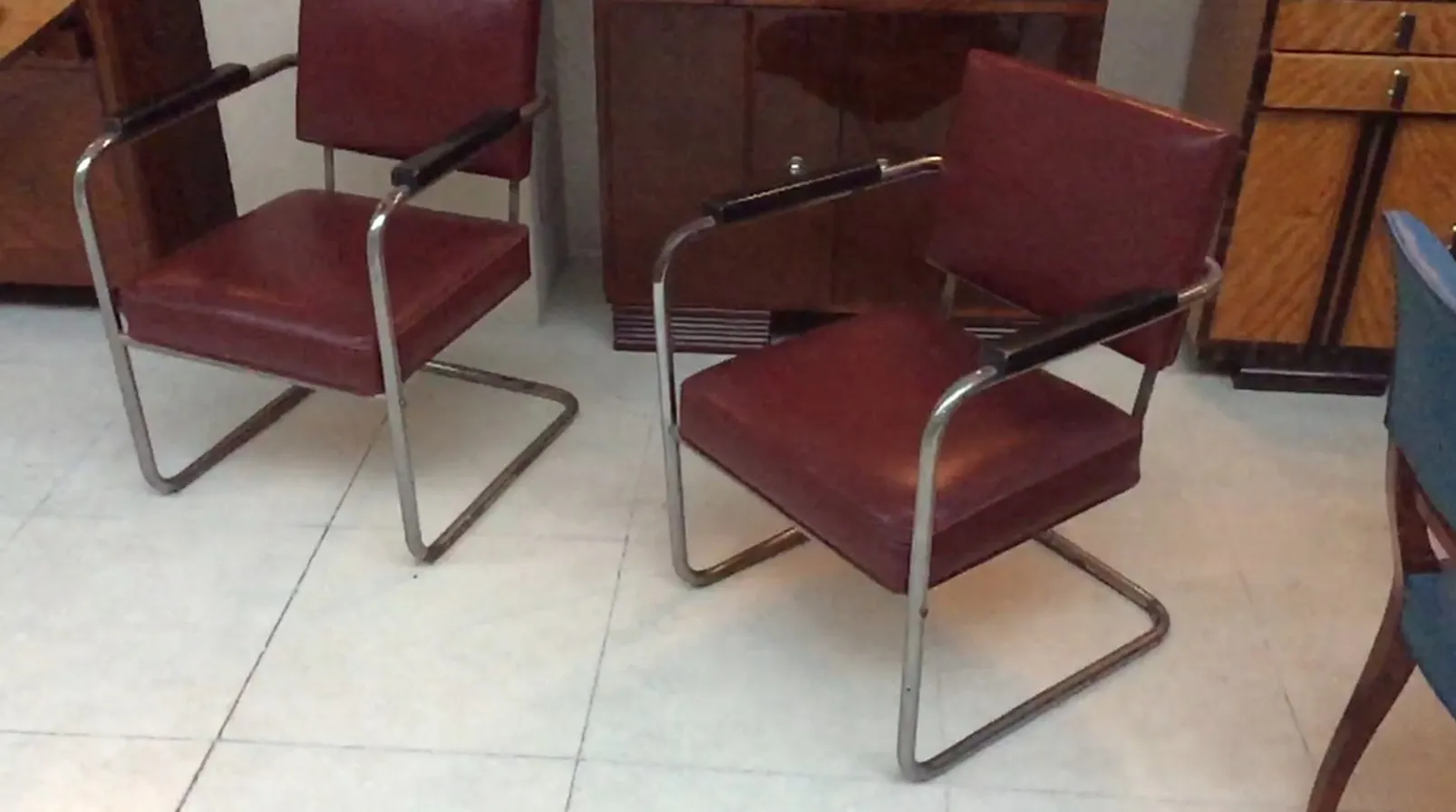
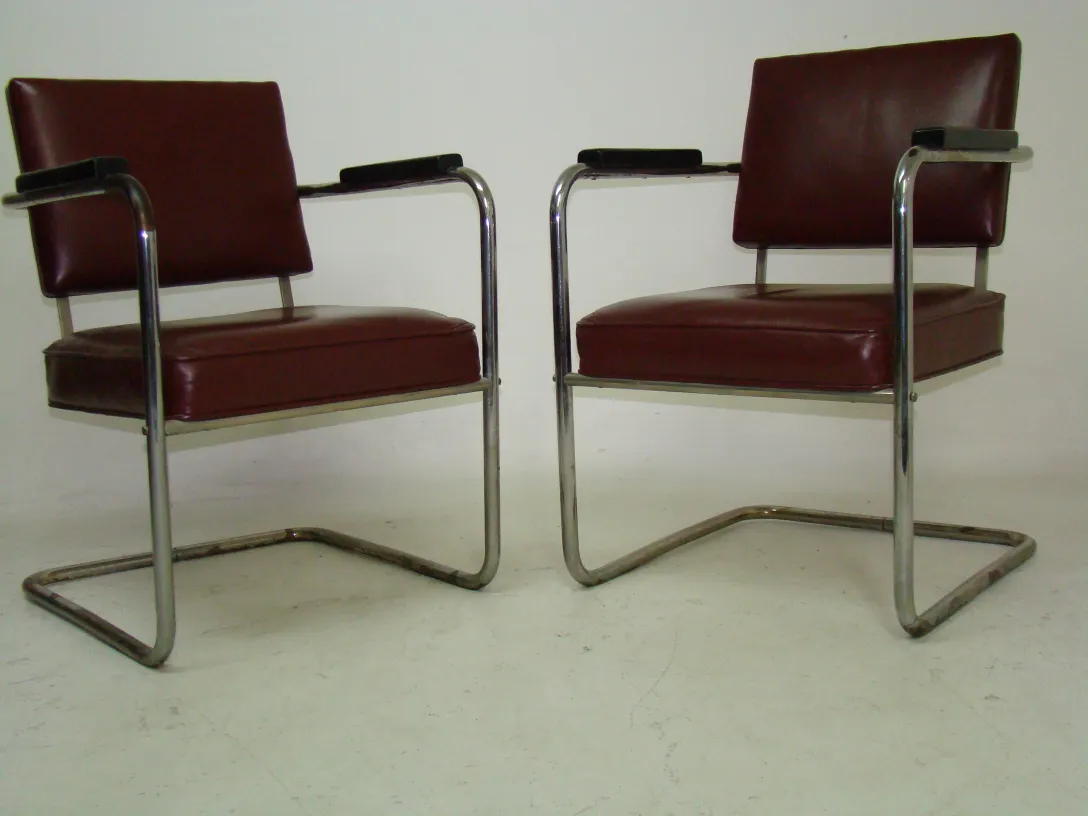
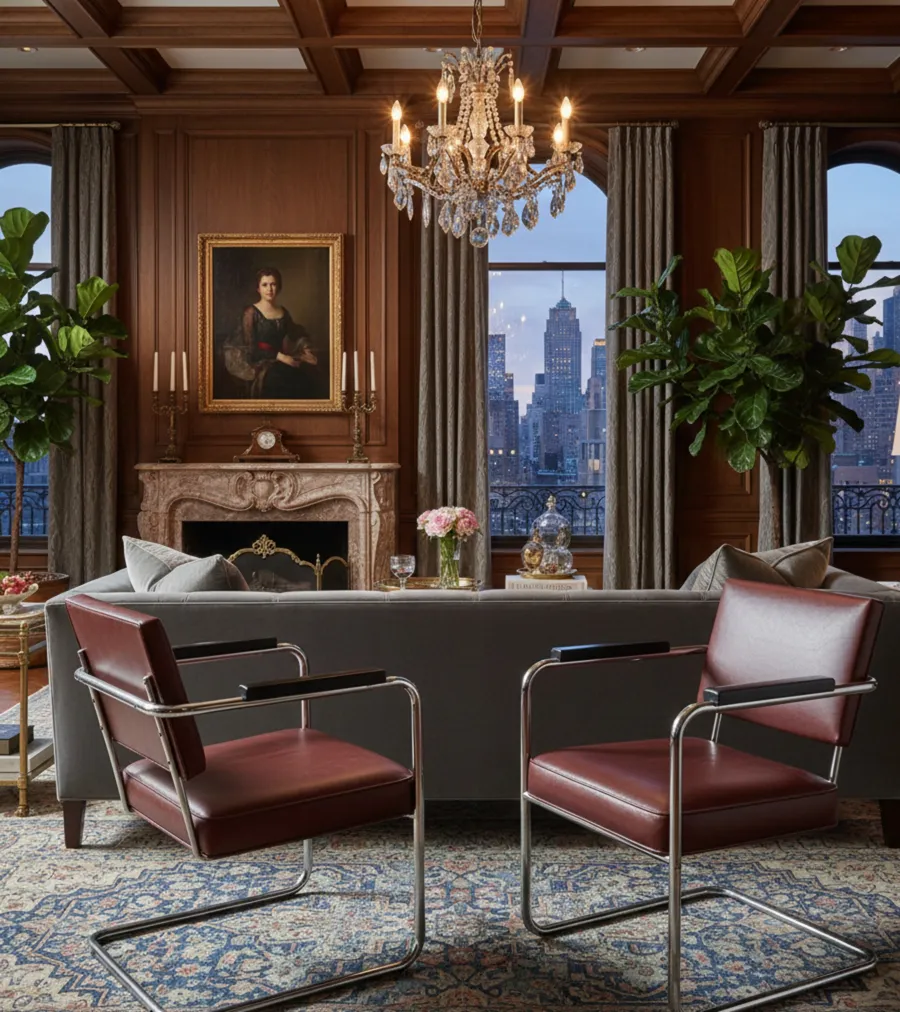
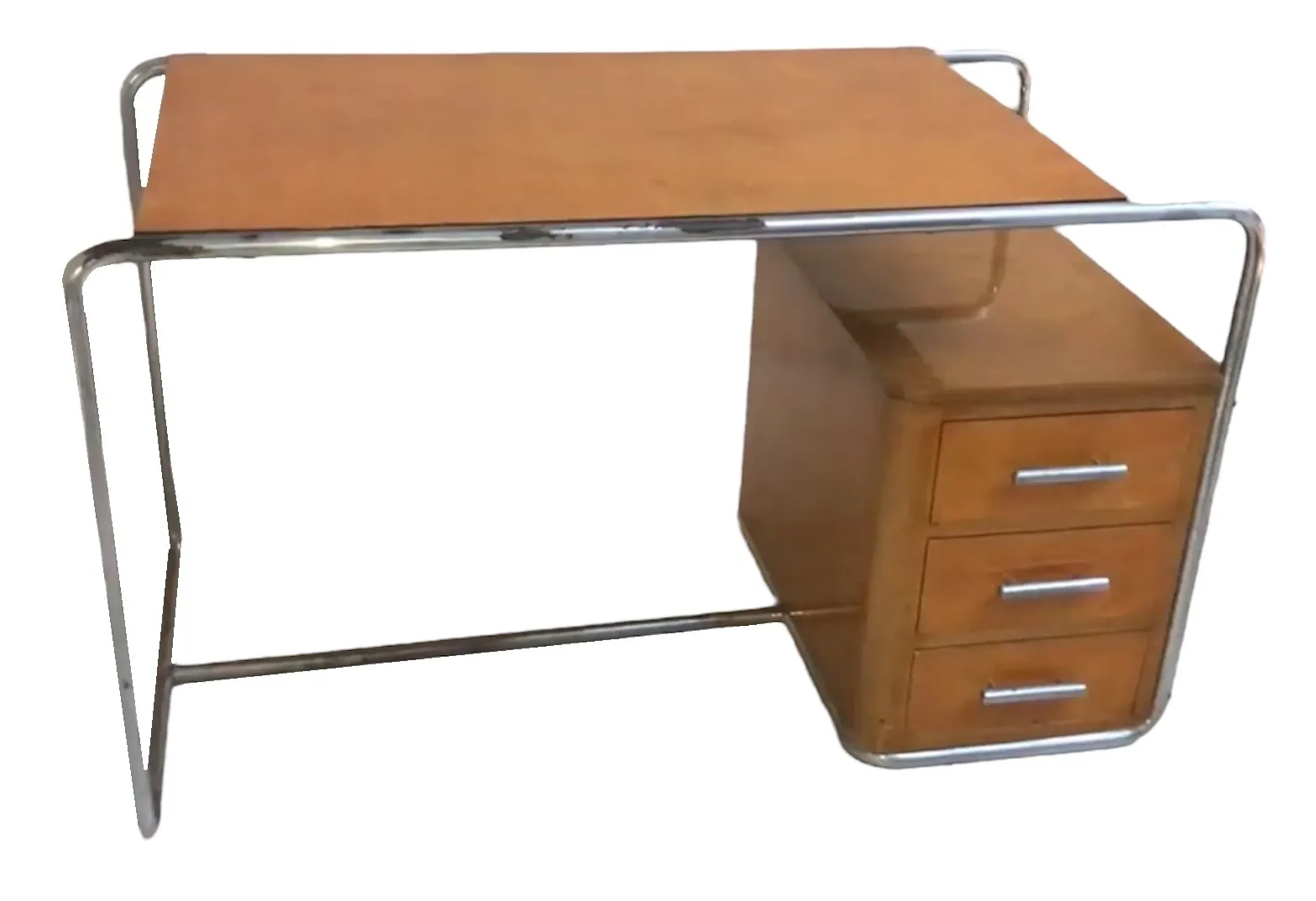
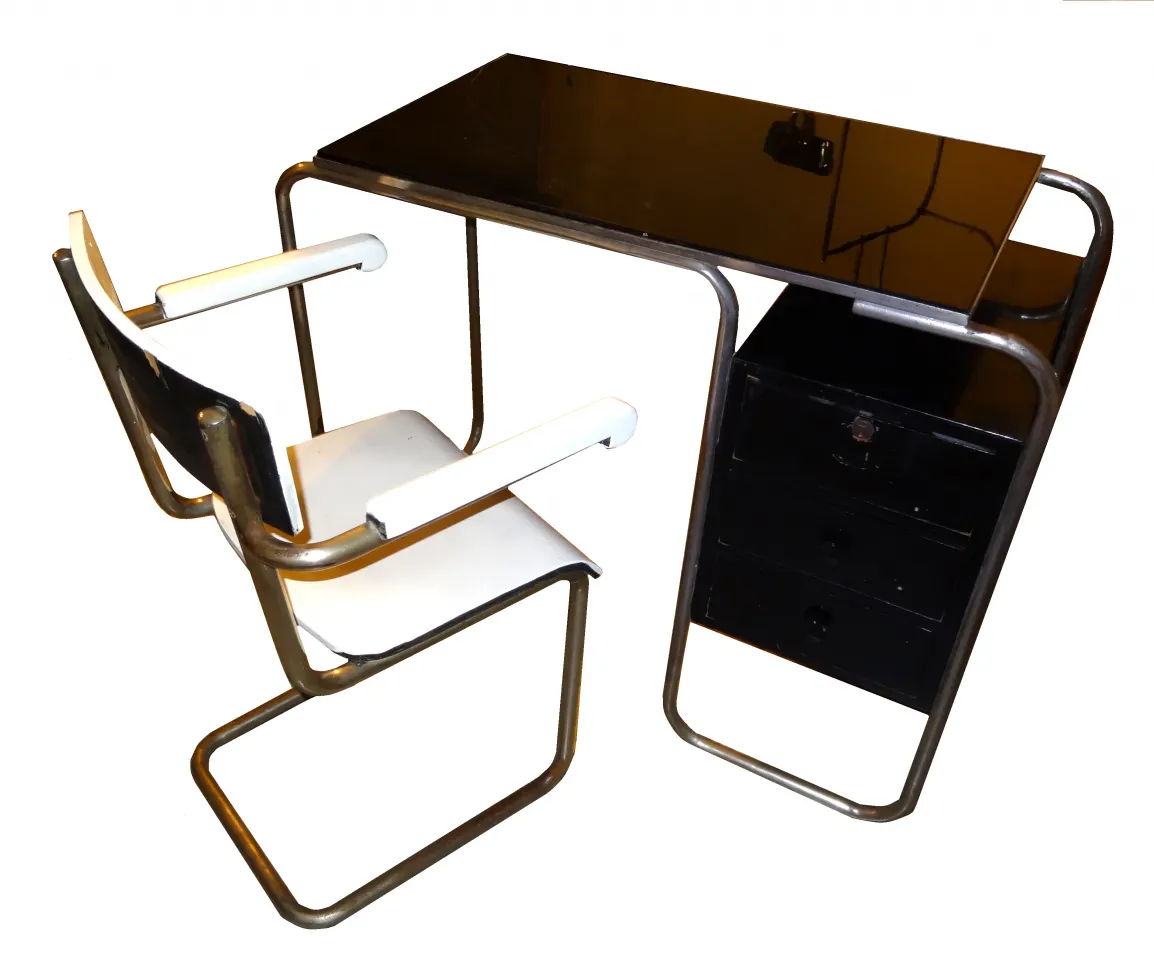
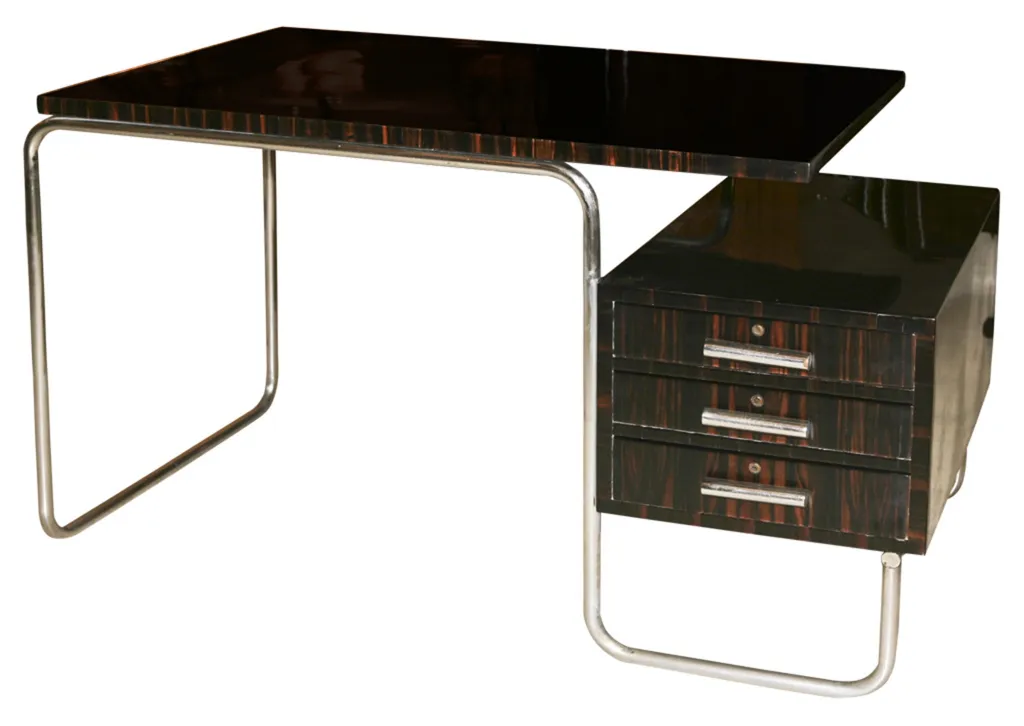
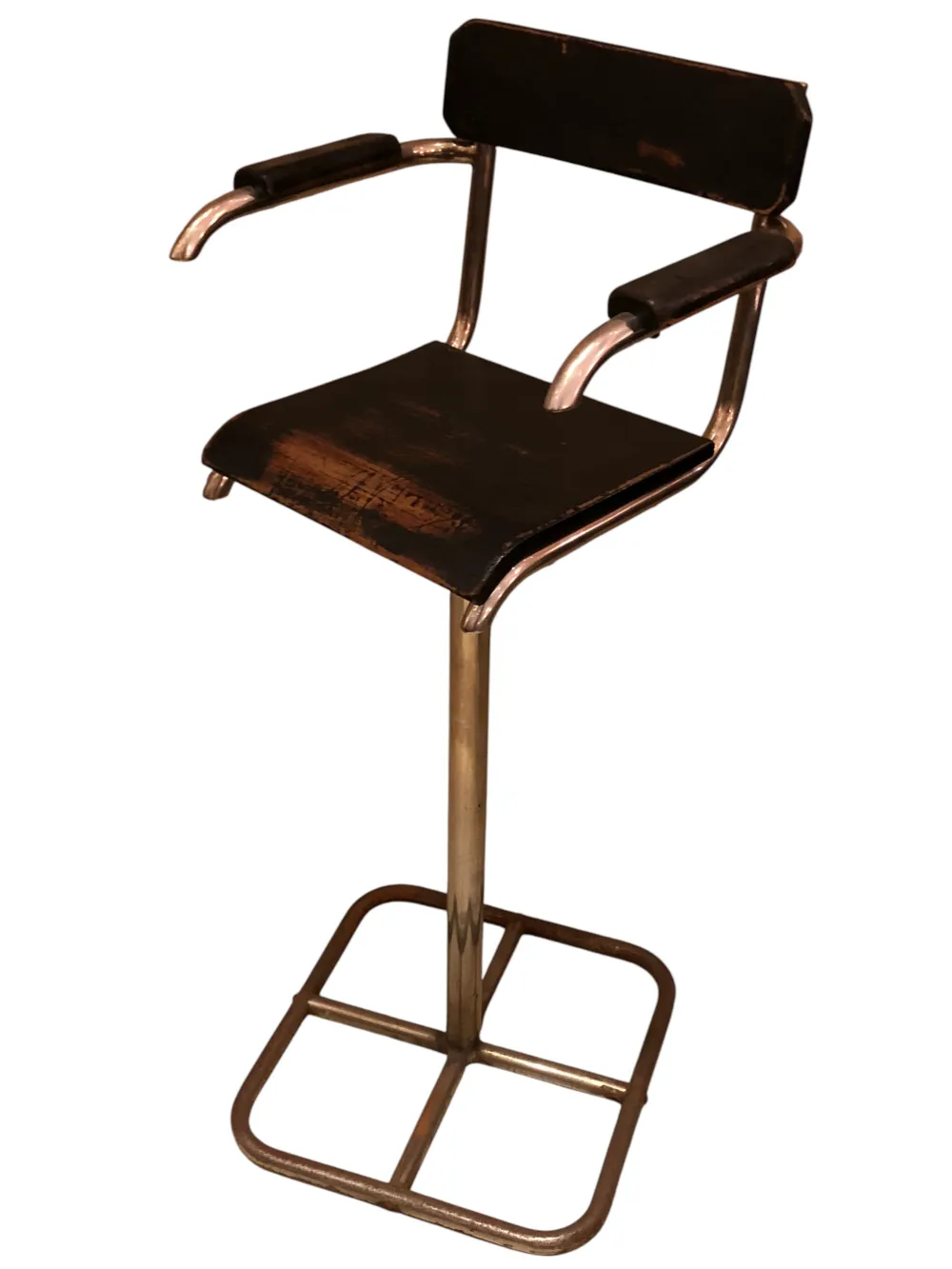
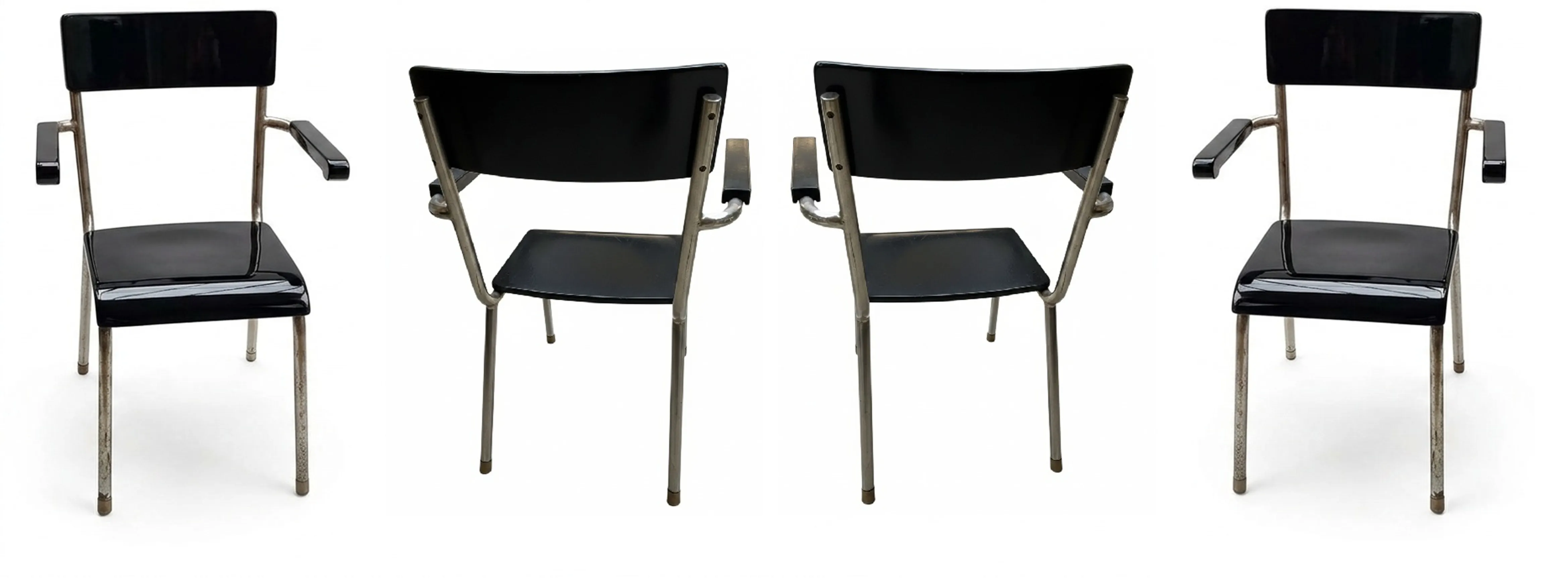
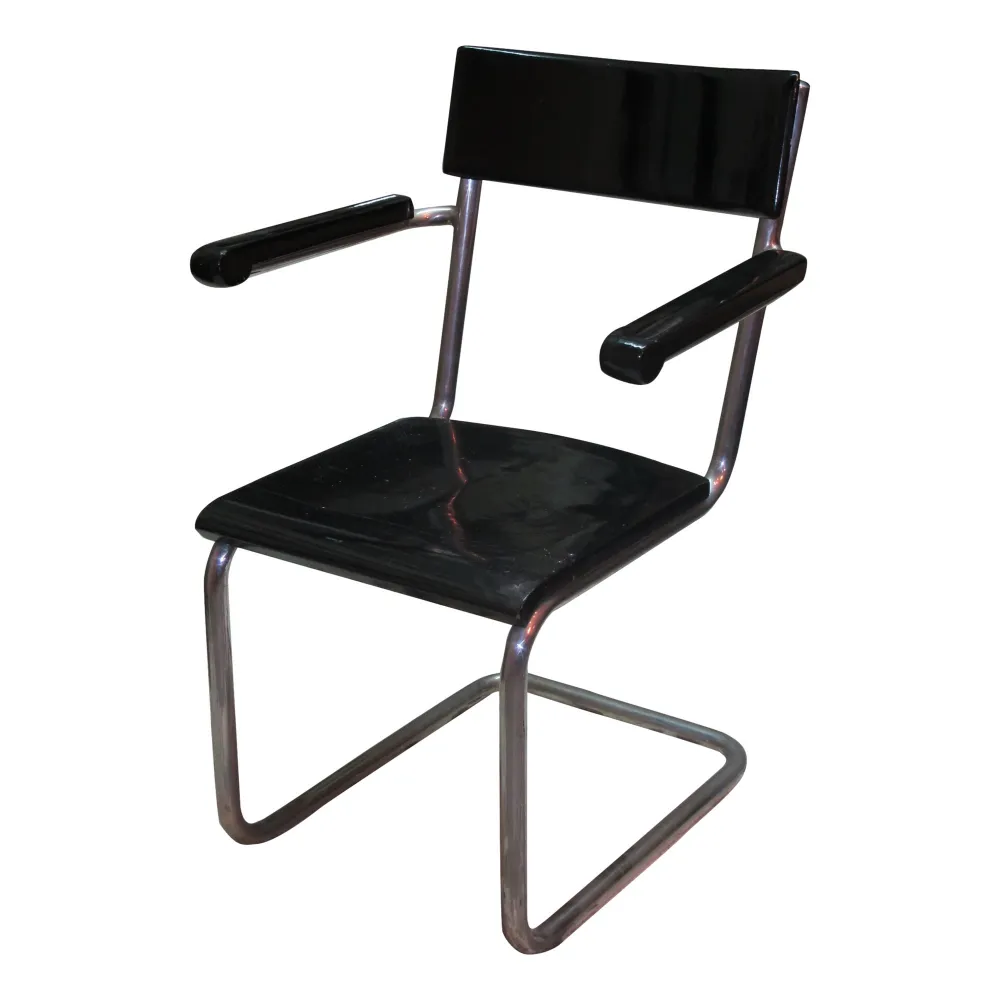
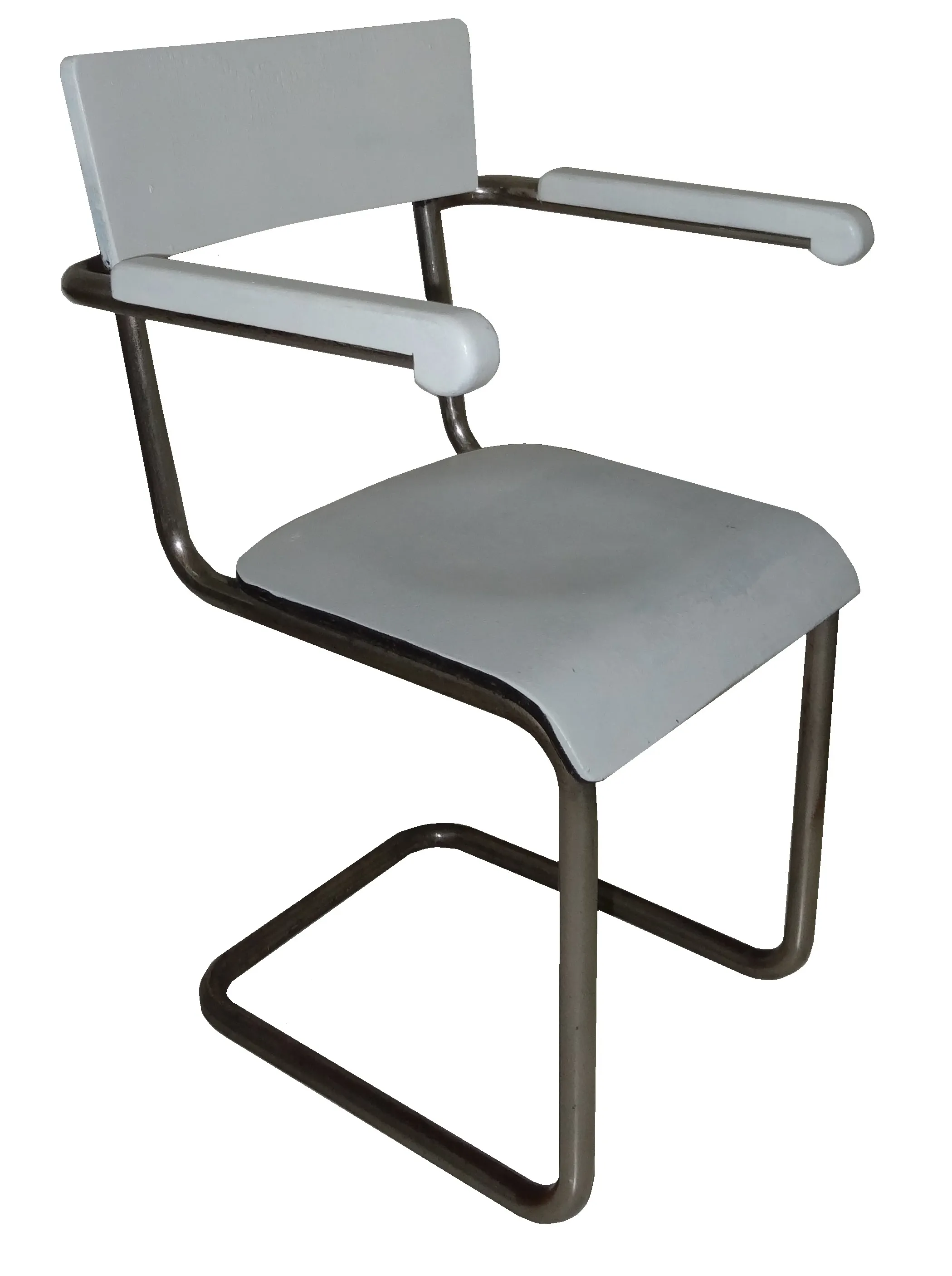
Marcel Breuer, born in Hungary in 1902, was an important furniture designer.
He carried out numerous architectural projects:
Go back to menu
First Name
Last Name
Profession Choose an option Antique Dealer Architect Decorator Stained Glass Designer Manufacturer Advertising Executive Photographer Other
Country Choose an option Argentina Bolivia Brazil Chile Colombia Ecuador Spain Mexico Paraguay Peru Uruguay Venezuela --- Afghanistan Albania Germany Andorra Angola Antarctica French Antilles Netherlands Antilles Saudi Arabia Algeria Australia Austria Barbados Bangladesh Belgium Bermuda Canada Cyprus Holy See Costa Rica Cuba Denmark Egypt El Salvador United Arab Emirates United States Philippines Finland France Greece Guatemala Netherlands Honduras Hong Kong Hungary India Indonesia England Iraq Iran (Islamic Republic of) Ireland Iceland Israel Italy Jamaica Japan Jordan Kuwait Lebanon Lithuania Luxembourg Malaysia Malta Morocco Monaco Nicaragua Norway New Zealand Pakistan Panama Poland Portugal Puerto Rico Czech Republic Democratic Republic of the Congo Romania Russia Singapore Sweden Switzerland South Africa Thailand Taiwan Trinidad and Tobago Turkey Tunisia Ukraine Uganda Vietnam Zambia Zimbabwe
City
Phone
consultar por whatsapp
Password
Confirm Password
Creando cuenta...




 Share
Share